


Paper-Based Cosmetic Packaging Market Outlook
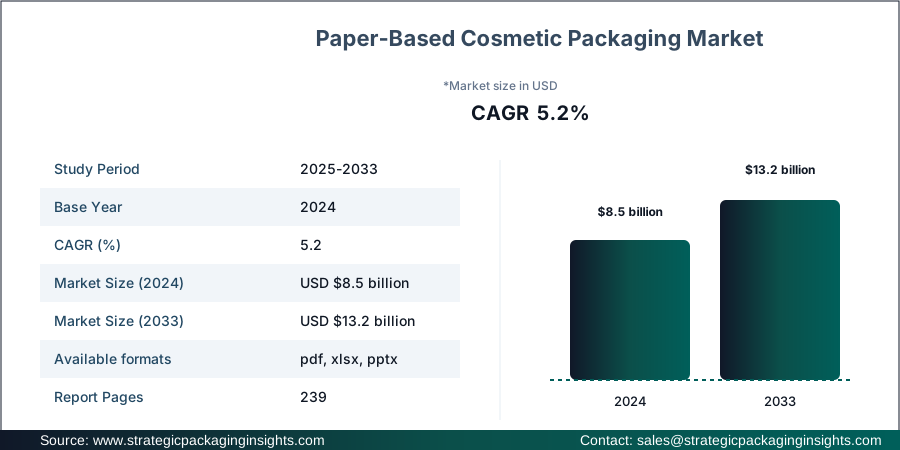
The paper-based cosmetic packaging market was valued at $8.5 billion in 2024 and is projected to reach $13.2 billion by 2033, growing at a CAGR of 5.2% during the forecast period 2025-2033. This growth is driven by increasing consumer awareness about sustainable packaging solutions and the rising demand for eco-friendly products. The shift towards paper-based packaging is further fueled by stringent government regulations aimed at reducing plastic waste and promoting recyclable materials. As consumers become more environmentally conscious, brands are compelled to adopt sustainable packaging solutions, thereby boosting the demand for paper-based cosmetic packaging. Additionally, the rise of e-commerce and the need for protective yet aesthetically pleasing packaging solutions are contributing to the market's expansion.
Report Scope
| Attributes | Details |
| Report Title | Paper-Based Cosmetic Packaging Market Size, Future Growth and Forecast 2033 |
| Material Type | Corrugated Boxes, Cartons, Paper Bags, Sleeves |
| Application | Skincare, Haircare, Makeup, Fragrances |
| Packaging Type | Primary Packaging, Secondary Packaging |
| End-User | Luxury Brands, Mass Brands, Indie Brands |
| Base Year | 2024 |
| Historic Period | 2017-2023 |
| Forecast Period | 2025-2033 |
| Number of Pages | 239 |
| Customization Available | Yes* |
Opportunities & Threats
One of the significant opportunities in the paper-based cosmetic packaging market is the growing trend of personalization and customization. Brands are increasingly focusing on offering unique and personalized packaging solutions to enhance customer engagement and brand loyalty. This trend is particularly prominent in the luxury and indie brand segments, where packaging plays a crucial role in brand differentiation. Moreover, advancements in printing technologies and digitalization are enabling manufacturers to offer high-quality, customized packaging solutions at competitive prices, further driving market growth.
Another opportunity lies in the development of innovative and functional packaging designs. As consumers seek convenience and ease of use, there is a growing demand for packaging solutions that are not only sustainable but also functional and user-friendly. This has led to the emergence of innovative packaging designs such as easy-to-open cartons, resealable paper bags, and multi-functional sleeves. Companies that invest in research and development to create such innovative solutions are likely to gain a competitive edge in the market.
However, the market faces certain restraints, primarily related to the cost and availability of raw materials. The fluctuating prices of paper and pulp, coupled with supply chain disruptions, can pose challenges for manufacturers. Additionally, the need for specialized machinery and technology to produce high-quality paper-based packaging can increase production costs, potentially impacting profit margins. Despite these challenges, the growing consumer preference for sustainable packaging solutions is expected to outweigh these restraints, driving market growth in the long term.
Drivers & Challenges
The primary driver of the paper-based cosmetic packaging market is the increasing consumer demand for sustainable and eco-friendly packaging solutions. As environmental concerns continue to rise, consumers are becoming more conscious of the environmental impact of their purchasing decisions. This has led to a significant shift towards paper-based packaging, which is perceived as more sustainable compared to plastic alternatives. Additionally, government regulations and initiatives aimed at reducing plastic waste and promoting recycling are further propelling the demand for paper-based packaging solutions.
Another key driver is the rapid growth of the e-commerce sector. With the increasing popularity of online shopping, there is a growing need for packaging solutions that are not only protective but also visually appealing. Paper-based packaging offers a versatile and customizable solution that meets these requirements, making it an ideal choice for e-commerce brands. Furthermore, the rise of social media and influencer marketing has heightened the importance of packaging aesthetics, driving brands to invest in high-quality, visually appealing packaging solutions.
Despite these drivers, the market faces challenges related to the durability and strength of paper-based packaging. While paper is a sustainable and eco-friendly material, it may not always provide the same level of protection as plastic packaging, particularly for fragile or liquid products. This can pose a challenge for manufacturers, who must balance sustainability with functionality. Additionally, the need for continuous innovation and investment in research and development to improve the durability and functionality of paper-based packaging can be a significant challenge for companies operating in this market.
Market Share Analysis
The paper-based cosmetic packaging market is characterized by a highly competitive landscape, with numerous players vying for market share. The market is dominated by a mix of established players and emerging companies, each striving to offer innovative and sustainable packaging solutions. The competitive landscape is further intensified by the presence of regional players who cater to specific markets and customer preferences. As a result, companies are focusing on strategic partnerships, mergers, and acquisitions to expand their product portfolios and strengthen their market position.
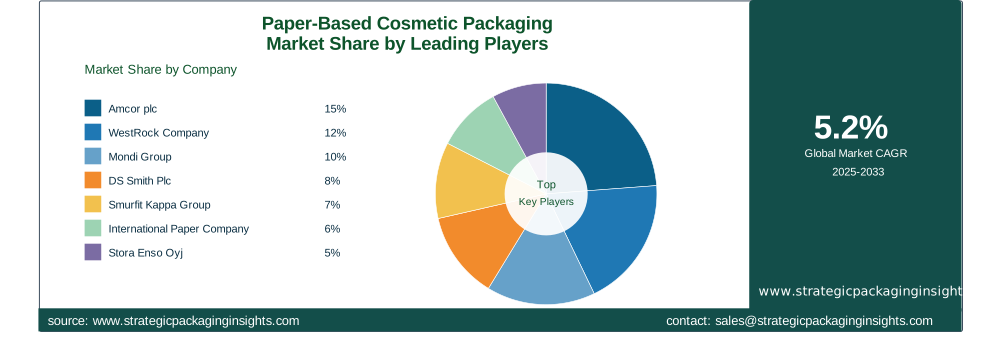
Some of the major companies operating in the paper-based cosmetic packaging market include Amcor plc, WestRock Company, Mondi Group, DS Smith Plc, and Smurfit Kappa Group. These companies are known for their extensive product offerings, strong distribution networks, and focus on sustainability. For instance, Amcor plc is a global leader in packaging solutions, offering a wide range of paper-based packaging products for the cosmetic industry. The company is committed to sustainability and has set ambitious targets to achieve 100% recyclable or reusable packaging by 2025.
WestRock Company is another key player in the market, known for its innovative packaging solutions and focus on sustainability. The company offers a range of paper-based packaging products, including cartons, boxes, and sleeves, designed to meet the needs of the cosmetic industry. WestRock's commitment to sustainability is evident in its efforts to reduce waste and improve the recyclability of its products.
Mondi Group is a leading global packaging and paper company, offering a wide range of sustainable packaging solutions for the cosmetic industry. The company is known for its innovative approach to packaging design and its commitment to sustainability. Mondi's paper-based packaging products are designed to be both functional and aesthetically pleasing, making them an ideal choice for cosmetic brands looking to enhance their brand image.
Key Highlights
- The paper-based cosmetic packaging market is projected to grow at a CAGR of 5.2% from 2025 to 2033.
- Increasing consumer demand for sustainable packaging solutions is driving market growth.
- Advancements in printing technologies are enabling high-quality, customized packaging solutions.
- The rise of e-commerce is boosting demand for protective and visually appealing packaging.
- Government regulations aimed at reducing plastic waste are propelling the demand for paper-based packaging.
- Innovative packaging designs are emerging to meet consumer demand for convenience and functionality.
- Fluctuating raw material prices and supply chain disruptions pose challenges for manufacturers.
- Major players in the market include Amcor plc, WestRock Company, Mondi Group, DS Smith Plc, and Smurfit Kappa Group.
- Strategic partnerships and acquisitions are key strategies for companies to expand their market presence.
- The market is characterized by a highly competitive landscape with numerous players vying for market share.
Top Countries Insights
In the paper-based cosmetic packaging market, the United States holds a significant share, with a market size of $2.1 billion and a CAGR of 4%. The country's growth is driven by strong consumer demand for sustainable packaging solutions and stringent regulations promoting eco-friendly materials. The presence of major cosmetic brands and a well-established packaging industry further contribute to the market's expansion.
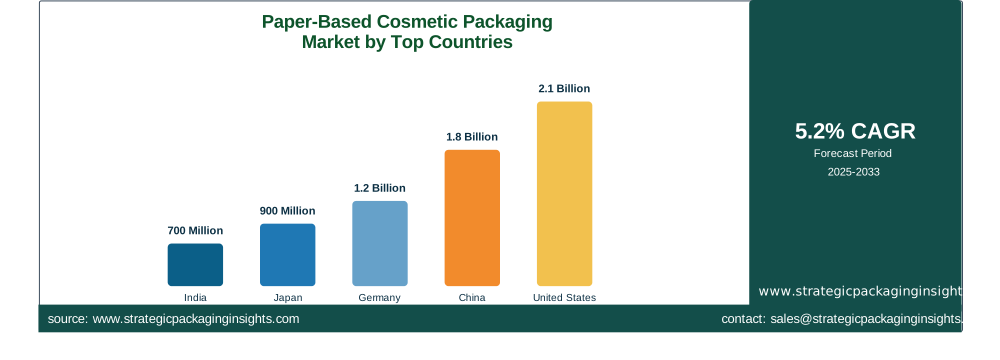
China is another key market, with a market size of $1.8 billion and a CAGR of 6%. The country's rapid economic growth, coupled with increasing consumer awareness about sustainability, is driving demand for paper-based packaging. Government initiatives to reduce plastic waste and promote recycling are also playing a crucial role in the market's growth.
Germany, with a market size of $1.2 billion and a CAGR of 5%, is a leading market in Europe. The country's strong focus on sustainability and innovation in packaging design is driving demand for paper-based solutions. Additionally, the presence of major cosmetic brands and a well-developed packaging industry are contributing to the market's growth.
In Japan, the market size is $900 million, with a CAGR of 3%. The country's aging population and increasing demand for premium cosmetic products are driving the need for high-quality, sustainable packaging solutions. Japan's strong focus on innovation and technology is also contributing to the market's growth.
India, with a market size of $700 million and a CAGR of 7%, is an emerging market for paper-based cosmetic packaging. The country's growing middle class and increasing consumer awareness about sustainability are driving demand for eco-friendly packaging solutions. Government initiatives to promote sustainable practices and reduce plastic waste are also playing a crucial role in the market's growth.
Paper-Based Cosmetic Packaging Market Segments Insights

Material Type Analysis
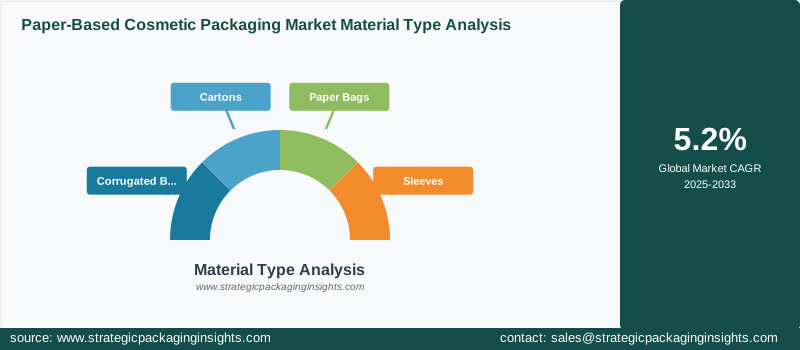
The material type segment of the paper-based cosmetic packaging market is primarily categorized into corrugated boxes, cartons, paper bags, and sleeves. Corrugated boxes are widely used due to their durability and ability to protect products during transportation. They are particularly popular in the e-commerce sector, where the need for protective packaging is paramount. Cartons, on the other hand, are favored for their versatility and ability to be customized with high-quality printing, making them ideal for branding and marketing purposes. Paper bags and sleeves are gaining traction due to their eco-friendly nature and ease of use, appealing to consumers who prioritize sustainability.
The demand for these materials is driven by the increasing consumer preference for sustainable packaging solutions and the need for innovative and functional designs. Companies are investing in research and development to create materials that are not only sustainable but also durable and aesthetically pleasing. The rise of digital printing technologies is enabling manufacturers to offer high-quality, customized packaging solutions, further driving demand in this segment. Additionally, government regulations promoting the use of recyclable materials are encouraging companies to adopt paper-based packaging solutions.
Application Analysis
The application segment of the paper-based cosmetic packaging market is divided into skincare, haircare, makeup, and fragrances. Skincare products account for a significant share of the market, driven by the increasing demand for natural and organic products. Consumers are becoming more conscious of the ingredients in their skincare products and are seeking packaging solutions that align with their values. Paper-based packaging offers a sustainable and eco-friendly option that appeals to these consumers.
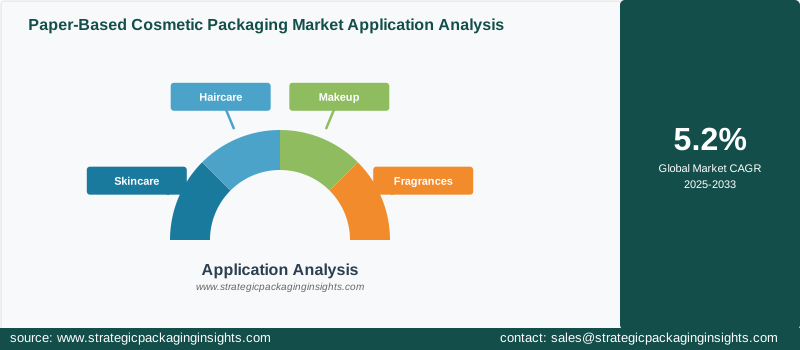
Haircare and makeup products are also significant contributors to the market, with brands focusing on offering innovative and visually appealing packaging solutions. The rise of social media and influencer marketing has heightened the importance of packaging aesthetics, driving brands to invest in high-quality, visually appealing packaging solutions. Fragrances, while a smaller segment, are seeing growth due to the increasing demand for premium and luxury products. Brands are focusing on offering unique and personalized packaging solutions to enhance customer engagement and brand loyalty.
Packaging Type Analysis
The packaging type segment is categorized into primary packaging and secondary packaging. Primary packaging refers to the packaging that comes into direct contact with the product, such as bottles, jars, and tubes. This type of packaging is crucial for protecting the product and ensuring its quality and safety. Paper-based primary packaging is gaining popularity due to its eco-friendly nature and ability to be customized with high-quality printing.
Secondary packaging, on the other hand, refers to the outer packaging that protects the primary packaging and enhances the product's visual appeal. This type of packaging is particularly important in the e-commerce sector, where the need for protective and visually appealing packaging is paramount. Paper-based secondary packaging offers a versatile and customizable solution that meets these requirements, making it an ideal choice for e-commerce brands. The demand for secondary packaging is driven by the increasing popularity of online shopping and the need for packaging solutions that are both protective and aesthetically pleasing.
End-User Analysis
The end-user segment of the paper-based cosmetic packaging market is divided into luxury brands, mass brands, and indie brands. Luxury brands are focusing on offering unique and personalized packaging solutions to enhance customer engagement and brand loyalty. These brands are investing in high-quality, visually appealing packaging solutions that reflect their brand image and values. Paper-based packaging offers a sustainable and eco-friendly option that appeals to consumers who prioritize sustainability.
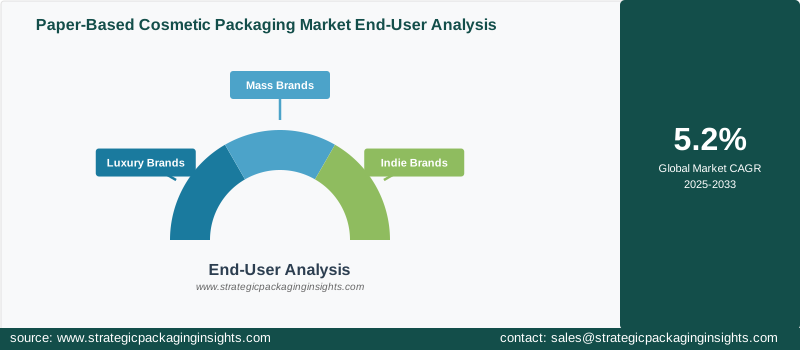
Mass brands, on the other hand, are focusing on offering cost-effective and functional packaging solutions that meet the needs of a wide range of consumers. These brands are investing in research and development to create innovative and functional packaging designs that are both sustainable and user-friendly. Indie brands, while a smaller segment, are seeing growth due to the increasing demand for unique and personalized products. These brands are focusing on offering innovative and visually appealing packaging solutions that reflect their brand image and values.
Paper-Based Cosmetic Packaging Market Segments
The Paper-Based Cosmetic Packaging market has been segmented on the basis ofMaterial Type
- Corrugated Boxes
- Cartons
- Paper Bags
- Sleeves
Application
- Skincare
- Haircare
- Makeup
- Fragrances
Packaging Type
- Primary Packaging
- Secondary Packaging
End-User
- Luxury Brands
- Mass Brands
- Indie Brands




