


Household Chemical Bottle Packaging Market Outlook
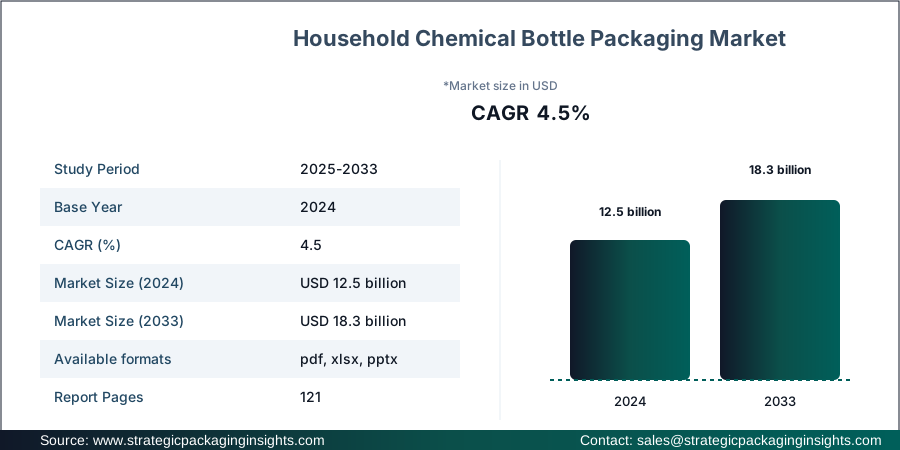
The Household Chemical Bottle Packaging market was valued at $12.5 billion in 2024 and is projected to reach $18.3 billion by 2033, growing at a CAGR of 4.5% during the forecast period 2025-2033. This market is driven by the increasing demand for household chemicals, which necessitates effective and safe packaging solutions. The rise in urbanization and the growing awareness of hygiene and cleanliness have significantly boosted the consumption of household chemicals, thereby propelling the demand for innovative packaging solutions. Additionally, the trend towards sustainable and eco-friendly packaging is gaining momentum, with manufacturers focusing on recyclable and biodegradable materials to meet consumer preferences and regulatory requirements.
Report Scope
| Attributes | Details |
| Report Title | Household Chemical Bottle Packaging Market Size, Future Growth and Forecast 2033 |
| Material | Plastic, Glass, Metal |
| Application | Cleaning Agents, Personal Care, Laundry Care, Others |
| Capacity | Up to 500 ml, 500 ml to 1 Liter, Above 1 Liter |
| Region | Asia Pacific, North America, Latin America, Europe, Middle East & Africa |
| Base Year | 2024 |
| Historic Period | 2017-2023 |
| Forecast Period | 2025-2033 |
| Number of Pages | 121 |
| Customization Available | Yes* |
Opportunities & Threats
One of the significant opportunities in the Household Chemical Bottle Packaging market is the increasing consumer preference for sustainable packaging solutions. As environmental concerns rise, consumers are becoming more conscious of the ecological impact of packaging materials. This shift is driving manufacturers to innovate and develop packaging solutions that are not only functional but also environmentally friendly. The use of biodegradable plastics and recycled materials is gaining traction, offering a lucrative opportunity for companies to differentiate themselves in a competitive market. Furthermore, the integration of smart packaging technologies, such as QR codes and RFID tags, provides an opportunity to enhance consumer engagement and track product usage, adding value to the packaging solutions offered.
Another opportunity lies in the expanding e-commerce sector, which has revolutionized the way consumers purchase household chemicals. The convenience of online shopping has led to an increase in demand for packaging solutions that ensure product safety during transit. This has prompted manufacturers to develop robust and tamper-evident packaging designs that can withstand the rigors of shipping and handling. Additionally, the rise of direct-to-consumer brands in the household chemical sector presents an opportunity for packaging companies to offer customized and branded packaging solutions that enhance brand visibility and consumer loyalty.
However, the market faces certain restraints, such as the volatility in raw material prices, which can impact the cost of production and, consequently, the pricing of packaging solutions. The reliance on petrochemical-based plastics poses a challenge, as fluctuations in crude oil prices can lead to increased production costs. Moreover, stringent regulations regarding the use of certain materials in packaging, aimed at reducing environmental impact, can pose compliance challenges for manufacturers. These factors necessitate continuous innovation and adaptation to ensure cost-effective and compliant packaging solutions.
Drivers & Challenges
The primary driver of the Household Chemical Bottle Packaging market is the growing demand for household cleaning products, driven by increased awareness of hygiene and cleanliness. The COVID-19 pandemic has further heightened this awareness, leading to a surge in demand for disinfectants and cleaning agents. This has, in turn, increased the demand for effective packaging solutions that ensure product safety and integrity. Additionally, the trend towards smaller, more convenient packaging sizes is driving innovation in the market, as consumers seek products that are easy to use and store.
Another significant driver is the advancement in packaging technologies, which has enabled the development of innovative and functional packaging solutions. The use of advanced materials and manufacturing techniques has led to the creation of lightweight, durable, and aesthetically appealing packaging designs. These innovations not only enhance the functionality of the packaging but also improve the overall consumer experience. Furthermore, the increasing focus on sustainability is driving the adoption of eco-friendly materials and processes, aligning with consumer preferences and regulatory requirements.
Despite these drivers, the market faces challenges such as the need for continuous innovation to meet evolving consumer preferences and regulatory standards. The shift towards sustainable packaging requires significant investment in research and development, which can be a barrier for smaller companies. Additionally, the competitive nature of the market necessitates differentiation through unique and innovative packaging solutions. Companies must also navigate the complexities of global supply chains, which can impact the availability and cost of raw materials, further complicating production processes.
Household Chemical Bottle Packaging Strategic Outlook
| Trend | Market Driver | Technological/Material Shift | Business Impact |
|---|---|---|---|
| Sustainability | Consumer Demand for Eco-Friendly Products | Biodegradable Plastics | Increased Market Share |
| Smart Tech | Enhanced Consumer Engagement | QR Codes, RFID Tags | Improved Brand Loyalty |
| Consumer Behavior | Preference for Convenience | Smaller Packaging Sizes | Higher Sales Volume |
| Logistics | Growth of E-commerce | Tamper-Evident Designs | Expanded Distribution Channels |
In 2026, the Household Chemical Bottle Packaging market is poised for significant growth, driven by the increasing demand for sustainable and innovative packaging solutions. The primary disruptor in this niche is the regulatory push towards eco-friendly materials, which is compelling manufacturers to adopt biodegradable and recyclable packaging options. To maintain market share by 2033, brands must pivot towards integrating smart technologies and sustainable practices into their packaging solutions. This strategic foresight will not only align with consumer preferences but also ensure compliance with evolving regulatory standards, positioning companies for long-term success in a competitive market.
Market Share Analysis
The competitive landscape of the Household Chemical Bottle Packaging market is characterized by the presence of several key players who dominate the market with their extensive product portfolios and strong distribution networks. These companies are continuously investing in research and development to innovate and offer advanced packaging solutions that meet the evolving needs of consumers and regulatory standards. The market is highly competitive, with companies focusing on strategic partnerships, mergers, and acquisitions to expand their market presence and enhance their product offerings. The emphasis on sustainability and eco-friendly packaging solutions is a key differentiator in this market, with companies striving to develop packaging that aligns with consumer preferences and regulatory requirements.
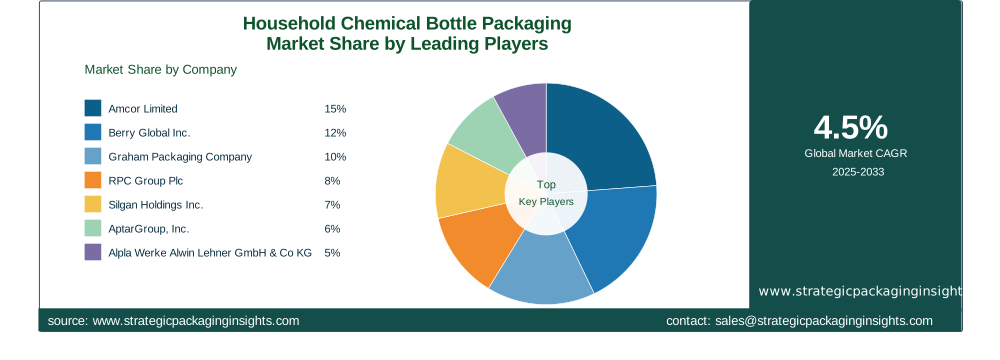
Among the major players in the market, Amcor Limited stands out with its comprehensive range of packaging solutions that cater to various segments of the household chemical industry. The company's focus on sustainability and innovation has enabled it to maintain a strong market position. Similarly, Berry Global Inc. is a prominent player known for its extensive product portfolio and commitment to sustainability. The company's investment in advanced manufacturing technologies and sustainable materials has positioned it as a leader in the market.
Another key player, Graham Packaging Company, is recognized for its innovative packaging designs and focus on sustainability. The company's expertise in blow molding technology and its commitment to reducing environmental impact have contributed to its strong market presence. Additionally, RPC Group Plc, with its diverse range of packaging solutions and focus on innovation, is a significant player in the market. The company's strategic acquisitions and partnerships have enabled it to expand its market reach and enhance its product offerings.
Other notable companies in the market include Silgan Holdings Inc., known for its extensive product portfolio and focus on sustainability, and AptarGroup, Inc., which is recognized for its innovative dispensing solutions and commitment to environmental responsibility. These companies, along with others such as Alpla Werke Alwin Lehner GmbH & Co KG, Gerresheimer AG, and Sonoco Products Company, play a crucial role in shaping the competitive landscape of the Household Chemical Bottle Packaging market.
Key Highlights
- Increasing demand for sustainable and eco-friendly packaging solutions.
- Growth of e-commerce driving demand for robust and tamper-evident packaging.
- Advancements in packaging technologies enhancing functionality and consumer experience.
- Regulatory push towards biodegradable and recyclable materials.
- Rising consumer preference for smaller, convenient packaging sizes.
- Integration of smart technologies in packaging for enhanced consumer engagement.
- Strategic partnerships and acquisitions driving market expansion.
Top Countries Insights
The United States leads the Household Chemical Bottle Packaging market with a market size of $3.5 billion and a CAGR of 5%. The country's growth is driven by the high demand for household cleaning products and the emphasis on sustainable packaging solutions. The regulatory environment in the U.S. also supports the adoption of eco-friendly materials, further propelling market growth.
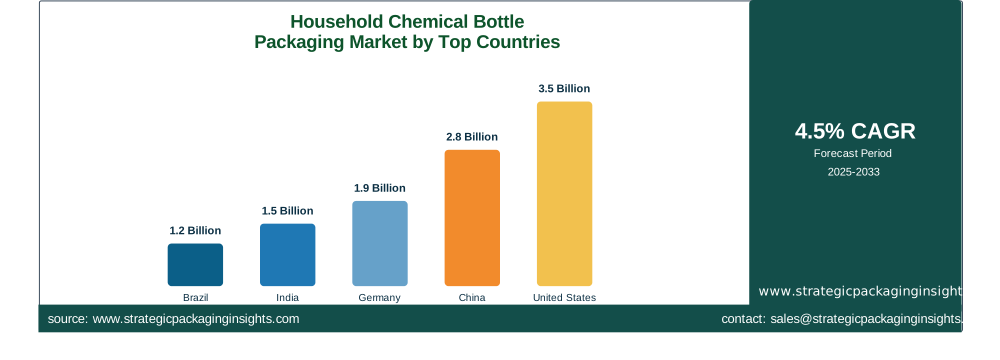
China is another significant market, with a market size of $2.8 billion and a CAGR of 6%. The rapid urbanization and increasing disposable income in the country have led to a surge in demand for household chemicals, driving the need for effective packaging solutions. The government's focus on environmental sustainability is also encouraging the adoption of biodegradable and recyclable packaging materials.
Germany, with a market size of $1.9 billion and a CAGR of 4%, is a key player in the European market. The country's strong manufacturing base and emphasis on innovation and sustainability are driving the demand for advanced packaging solutions. The regulatory framework in Germany supports the use of eco-friendly materials, aligning with consumer preferences for sustainable packaging.
India, with a market size of $1.5 billion and a CAGR of 7%, is experiencing rapid growth in the Household Chemical Bottle Packaging market. The increasing awareness of hygiene and cleanliness, coupled with the rise of e-commerce, is driving the demand for innovative packaging solutions. The government's initiatives to promote sustainable practices are also contributing to market growth.
Brazil, with a market size of $1.2 billion and a CAGR of 5%, is a significant market in Latin America. The country's growing middle class and increasing consumer awareness of hygiene are driving the demand for household chemicals and, consequently, packaging solutions. The focus on sustainability and eco-friendly materials is also influencing market dynamics in Brazil.
Household Chemical Bottle Packaging Market Segments Insights

Material Analysis
The material segment of the Household Chemical Bottle Packaging market is dominated by plastic, which is favored for its versatility, durability, and cost-effectiveness. Plastic packaging solutions are widely used across various applications due to their lightweight nature and ability to be molded into different shapes and sizes. However, the environmental impact of plastic has led to increased scrutiny and a push towards more sustainable alternatives. As a result, manufacturers are exploring biodegradable plastics and recycled materials to meet consumer demand for eco-friendly packaging solutions. Glass and metal are also used in specific applications where durability and product integrity are paramount, although their higher cost and weight can be limiting factors.
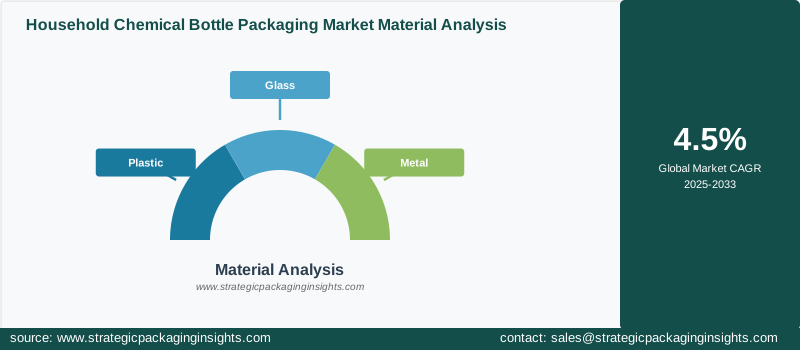
Glass packaging is often preferred for premium products due to its perceived quality and ability to preserve the integrity of the contents. It is also fully recyclable, making it an attractive option for environmentally conscious consumers. Metal packaging, while less common, is used in applications where strength and resistance to external factors are critical. The choice of material is influenced by factors such as product type, target market, and regulatory requirements, with manufacturers striving to balance functionality, cost, and sustainability in their packaging solutions.
Application Analysis
The application segment of the Household Chemical Bottle Packaging market is diverse, encompassing cleaning agents, personal care products, laundry care, and other household chemicals. Cleaning agents represent the largest segment, driven by the increasing demand for disinfectants and cleaning solutions in both residential and commercial settings. The COVID-19 pandemic has further amplified this demand, highlighting the importance of effective packaging solutions that ensure product safety and ease of use. Personal care products, including shampoos, conditioners, and lotions, also contribute significantly to the market, with packaging playing a crucial role in brand differentiation and consumer appeal.
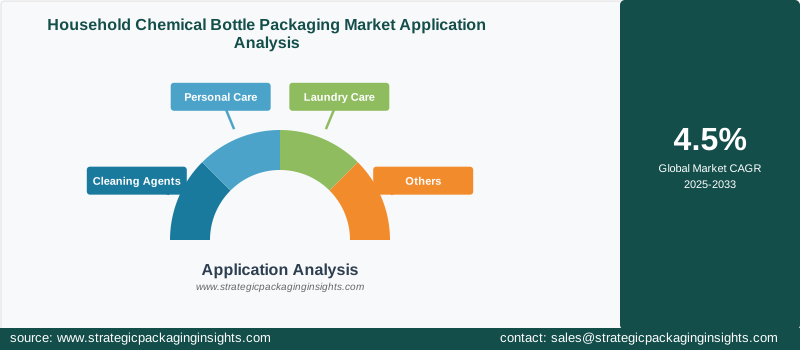
Laundry care products, such as detergents and fabric softeners, require packaging solutions that are robust and easy to handle, with features such as spouts and handles enhancing consumer convenience. The 'others' category includes a range of household chemicals, each with specific packaging requirements based on their chemical composition and intended use. The application segment is characterized by a need for innovation and customization, with manufacturers developing packaging solutions that cater to the unique needs of each product category while ensuring compliance with safety and regulatory standards.
Capacity Analysis
The capacity segment of the Household Chemical Bottle Packaging market is segmented into up to 500 ml, 500 ml to 1 liter, and above 1 liter. The up to 500 ml segment is popular for personal care products and small-sized cleaning agents, offering convenience and portability for consumers. This segment is driven by the trend towards smaller, more convenient packaging sizes that cater to on-the-go lifestyles and single-use applications. The 500 ml to 1-liter segment is widely used for household cleaning products and laundry care solutions, providing a balance between convenience and value for money.
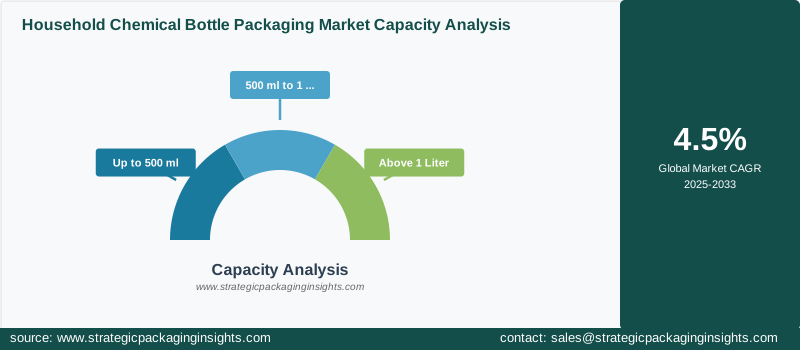
The above 1-liter segment is typically used for bulk products and commercial applications, where larger quantities are required. This segment is driven by the demand for cost-effective solutions that reduce packaging waste and offer value to consumers. The choice of capacity is influenced by factors such as product type, target market, and consumer preferences, with manufacturers offering a range of options to cater to diverse needs. The capacity segment is characterized by a focus on innovation and functionality, with features such as ergonomic designs and tamper-evident closures enhancing the consumer experience.
Regional Analysis
The regional analysis of the Household Chemical Bottle Packaging market highlights significant growth opportunities across various regions. North America, with its mature market and emphasis on sustainability, is a key player, driven by the demand for eco-friendly packaging solutions and advanced technologies. Europe, known for its stringent regulatory standards and focus on innovation, presents opportunities for manufacturers to develop sustainable and compliant packaging solutions. The Asia Pacific region, with its rapidly growing consumer base and increasing disposable income, offers significant growth potential, driven by the demand for household chemicals and innovative packaging solutions.
Latin America and the Middle East & Africa, while smaller markets, present opportunities for growth, driven by increasing consumer awareness of hygiene and cleanliness and the demand for effective packaging solutions. The regional analysis underscores the importance of understanding local market dynamics and consumer preferences, with manufacturers tailoring their strategies to meet the unique needs of each region. The focus on sustainability, innovation, and compliance is a common theme across all regions, with companies striving to develop packaging solutions that align with consumer preferences and regulatory requirements.
Household Chemical Bottle Packaging Market Segments
The Household Chemical Bottle Packaging market has been segmented on the basis ofMaterial
- Plastic
- Glass
- Metal
Application
- Cleaning Agents
- Personal Care
- Laundry Care
- Others
Capacity
- Up to 500 ml
- 500 ml to 1 Liter
- Above 1 Liter
Region
- Asia Pacific
- North America
- Latin America
- Europe
- Middle East & Africa




