


Milk Bottle Packaging Market Outlook
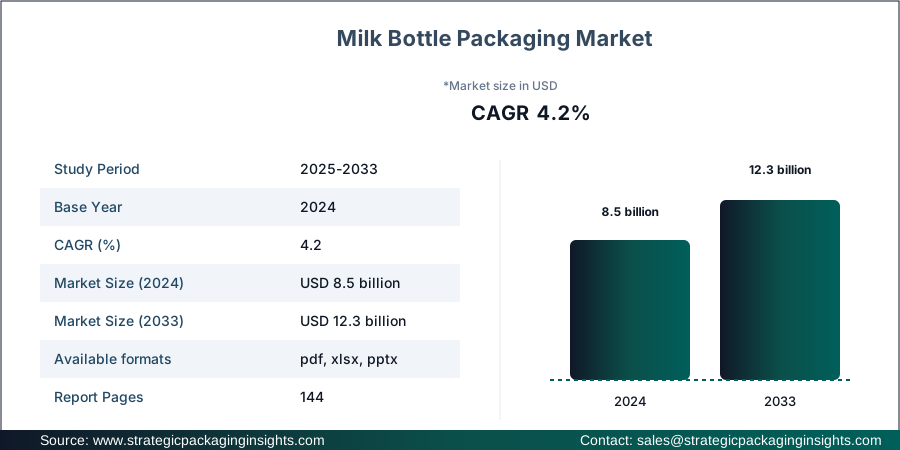
The milk bottle packaging market was valued at $8.5 billion in 2024 and is projected to reach $12.3 billion by 2033, growing at a CAGR of 4.2% during the forecast period 2025-2033. This growth is driven by increasing consumer demand for sustainable and eco-friendly packaging solutions, as well as the rising consumption of dairy products globally. The market is witnessing a shift towards innovative packaging designs that enhance product shelf life and appeal to environmentally conscious consumers. Additionally, advancements in packaging materials and technologies are expected to further propel market growth.
Report Scope
| Attributes | Details |
| Report Title | Milk Bottle Packaging Market Size, Future Growth and Forecast 2033 |
| Material | Glass, Plastic, Others |
| Capacity | Up to 500 ml, 500 ml to 1000 ml, Above 1000 ml |
| End-User | Dairy Industry, Retail, Household, Others |
| Region | Asia Pacific, North America, Latin America, Europe, Middle East & Africa |
| Base Year | 2024 |
| Historic Period | 2017-2023 |
| Forecast Period | 2025-2033 |
| Number of Pages | 144 |
| Customization Available | Yes* |
Opportunities & Threats
The milk bottle packaging market presents significant opportunities for growth, particularly in the realm of sustainable packaging solutions. With increasing consumer awareness about environmental issues, there is a growing demand for packaging materials that are recyclable, biodegradable, and made from renewable resources. Companies that invest in developing eco-friendly packaging solutions are likely to gain a competitive edge in the market. Furthermore, the rise of e-commerce and online grocery shopping has created a need for packaging that is not only sustainable but also durable and capable of protecting products during transit. This trend offers opportunities for innovation in packaging design and materials.
Another opportunity lies in the development of smart packaging technologies. As consumers become more health-conscious, there is a demand for packaging that can provide information about the freshness and quality of the milk. Smart packaging solutions, such as those incorporating sensors or QR codes, can offer real-time data on product quality, thereby enhancing consumer trust and satisfaction. Companies that leverage these technologies can differentiate their products and capture a larger market share.
However, the market also faces certain threats, primarily from the volatility in raw material prices. The cost of materials such as plastic and glass can fluctuate due to changes in supply and demand dynamics, impacting the overall cost of production. Additionally, stringent regulations regarding packaging waste and recycling can pose challenges for manufacturers. Companies need to navigate these regulatory landscapes carefully to avoid penalties and ensure compliance, which can add to operational costs.
Drivers & Challenges
One of the primary drivers of the milk bottle packaging market is the increasing consumption of dairy products worldwide. As populations grow and urbanize, there is a rising demand for convenient and safe packaging solutions that can preserve the quality and freshness of milk. This demand is further fueled by the growing trend of health and wellness, with consumers seeking high-quality dairy products that are free from contaminants. Packaging plays a crucial role in maintaining product integrity, thereby driving the need for advanced packaging solutions.
Technological advancements in packaging materials and processes are also driving market growth. Innovations such as lightweight packaging, improved barrier properties, and enhanced design aesthetics are attracting both manufacturers and consumers. These advancements not only improve the functionality and appeal of milk bottles but also contribute to cost savings in terms of material usage and transportation. As a result, companies are increasingly investing in research and development to create innovative packaging solutions that meet consumer demands and regulatory requirements.
Despite these drivers, the market faces challenges such as the environmental impact of packaging waste. With increasing scrutiny on plastic waste and its effects on the environment, there is pressure on manufacturers to adopt sustainable practices. This includes reducing the use of non-recyclable materials and increasing the use of biodegradable and compostable options. Additionally, the high cost of implementing sustainable packaging solutions can be a barrier for some companies, particularly small and medium-sized enterprises. Overcoming these challenges requires a strategic approach that balances cost, sustainability, and consumer preferences.
Market Share Analysis
The competitive landscape of the milk bottle packaging market is characterized by the presence of several key players who are actively engaged in product innovation and strategic partnerships to enhance their market position. The market is moderately fragmented, with a mix of global and regional players competing for market share. Companies are focusing on expanding their product portfolios and investing in sustainable packaging solutions to meet the evolving demands of consumers and regulatory bodies.
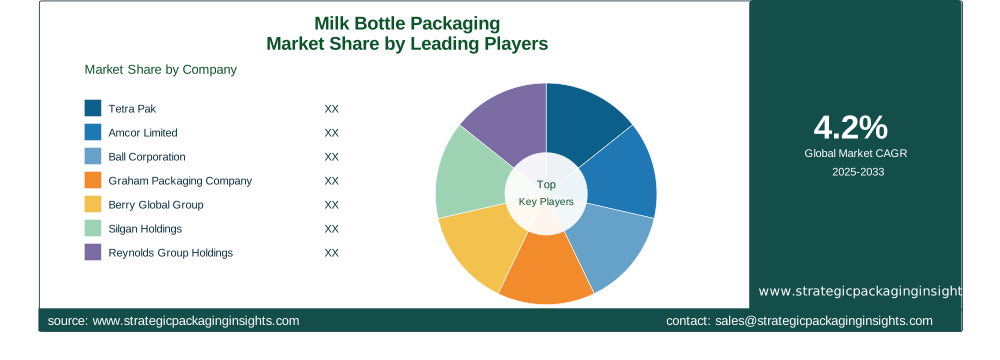
Among the major players in the market, Tetra Pak holds a significant share due to its extensive range of packaging solutions and strong global presence. The company is known for its commitment to sustainability and innovation, offering eco-friendly packaging options that cater to the needs of the dairy industry. Similarly, Amcor Limited is a prominent player, recognized for its advanced packaging technologies and focus on reducing environmental impact through sustainable practices.
Other notable companies include Ball Corporation, which specializes in metal packaging solutions and has been expanding its presence in the milk bottle segment through strategic acquisitions and partnerships. Additionally, Graham Packaging Company is known for its expertise in plastic packaging and has been investing in research and development to create innovative and sustainable packaging solutions.
Furthermore, companies like Berry Global Group and Silgan Holdings are also key players in the market, offering a wide range of packaging solutions that cater to various end-user needs. These companies are leveraging their extensive distribution networks and technological capabilities to strengthen their market position and capture new growth opportunities.
Key Highlights
- Increasing demand for sustainable and eco-friendly packaging solutions.
- Rising consumption of dairy products driving market growth.
- Technological advancements in packaging materials and processes.
- Growing trend of smart packaging solutions for enhanced consumer experience.
- Volatility in raw material prices posing challenges for manufacturers.
- Stringent regulations regarding packaging waste and recycling.
- Expansion of e-commerce and online grocery shopping influencing packaging design.
Top Countries Insights
In the milk bottle packaging market, the United States holds a significant share, with a market size of $2.1 billion and a CAGR of 3%. The growth in this region is driven by the high consumption of dairy products and the increasing demand for sustainable packaging solutions. The presence of major packaging companies and advancements in packaging technologies further contribute to market growth.
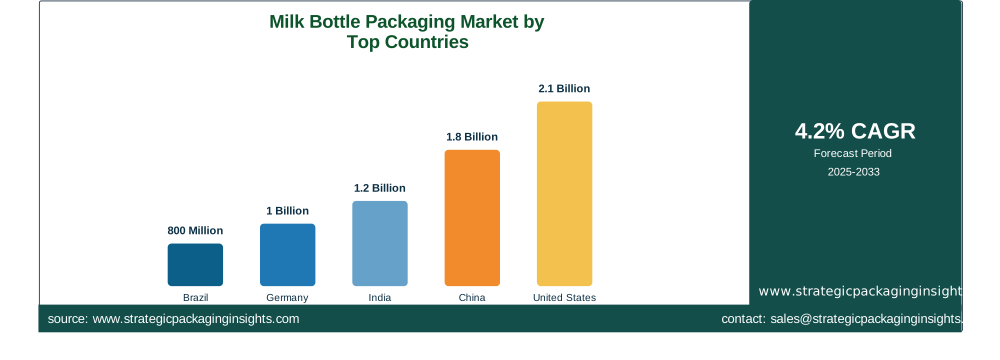
China is another key market, with a market size of $1.8 billion and a CAGR of 5%. The rapid urbanization and growing middle-class population in China are driving the demand for convenient and safe packaging solutions. Additionally, government initiatives promoting sustainable practices are encouraging manufacturers to adopt eco-friendly packaging materials.
India, with a market size of $1.2 billion and a CAGR of 6%, is experiencing significant growth due to the increasing consumption of dairy products and the rising awareness of environmental issues. The government's focus on reducing plastic waste and promoting sustainable packaging solutions is also contributing to market expansion.
Germany, with a market size of $1 billion and a CAGR of 4%, is a key player in the European market. The country's strong focus on sustainability and innovation in packaging materials is driving market growth. Additionally, the presence of major dairy companies and packaging manufacturers is contributing to the market's expansion.
Brazil, with a market size of $800 million and a CAGR of 4%, is experiencing growth due to the increasing demand for dairy products and the rising awareness of sustainable packaging solutions. The country's focus on reducing packaging waste and promoting recycling initiatives is also contributing to market growth.
Milk Bottle Packaging Market Segments Insights

Material Analysis
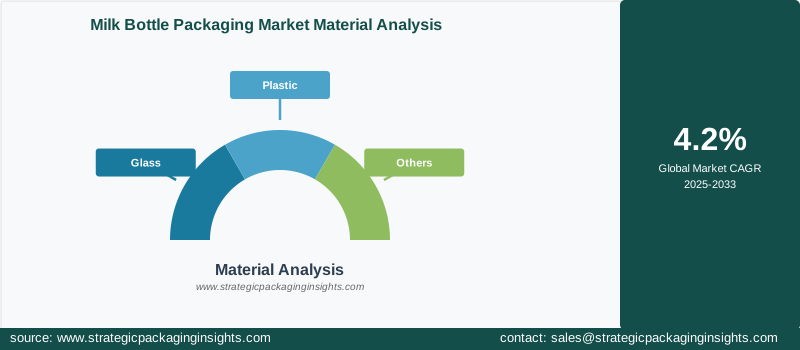
The milk bottle packaging market is segmented by material into glass, plastic, and others. Glass bottles are favored for their recyclability and ability to preserve the taste and quality of milk. However, the heavy weight and fragility of glass pose challenges in terms of transportation and handling. Plastic bottles, on the other hand, are lightweight and durable, making them a popular choice among manufacturers. Advances in biodegradable and recyclable plastics are addressing environmental concerns, driving demand in this segment. The 'others' category includes innovative materials like bio-based plastics, which are gaining traction due to their eco-friendly properties.
Capacity Analysis
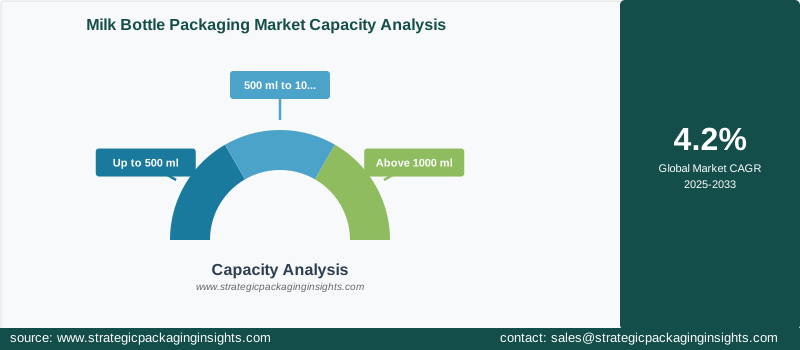
The market is also segmented by capacity into up to 500 ml, 500 ml to 1000 ml, and above 1000 ml. Bottles with a capacity of up to 500 ml are commonly used for single-serving products, catering to the on-the-go lifestyle of consumers. The 500 ml to 1000 ml segment is popular for household consumption, offering a balance between convenience and volume. Bottles above 1000 ml are typically used for bulk purchases, appealing to large families and institutional buyers. The demand for different capacities is influenced by consumer preferences, lifestyle changes, and purchasing power.
End-User Analysis
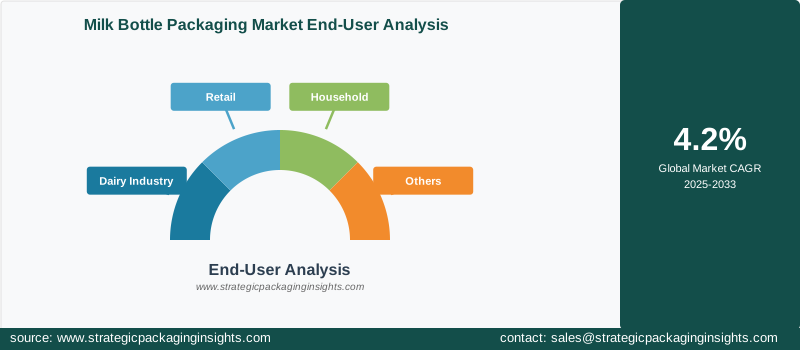
End-users of milk bottle packaging include the dairy industry, retail, household, and others. The dairy industry is the largest end-user, requiring packaging solutions that ensure product safety and extend shelf life. Retailers demand packaging that is both attractive and functional, enhancing product visibility and consumer appeal. Households seek convenient and easy-to-use packaging that fits their consumption patterns. The 'others' category includes institutional buyers and foodservice providers, who require bulk packaging solutions. The diverse needs of these end-users drive innovation and customization in packaging design and materials.
Regional Analysis
Regionally, the milk bottle packaging market is segmented into Asia Pacific, North America, Latin America, Europe, and Middle East & Africa. Asia Pacific is the largest market, driven by the high consumption of dairy products and the growing demand for sustainable packaging solutions. North America and Europe are mature markets, with a strong focus on innovation and sustainability. Latin America and Middle East & Africa are emerging markets, offering growth opportunities due to increasing urbanization and rising consumer awareness of environmental issues. Each region presents unique challenges and opportunities, influencing market dynamics and competitive strategies.
Milk Bottle Packaging Market Segments
The Milk Bottle Packaging market has been segmented on the basis ofMaterial
- Glass
- Plastic
- Others
Capacity
- Up to 500 ml
- 500 ml to 1000 ml
- Above 1000 ml
End-User
- Dairy Industry
- Retail
- Household
- Others
Region
- Asia Pacific
- North America
- Latin America
- Europe
- Middle East & Africa




