


Edible Oil Bottle Market Outlook
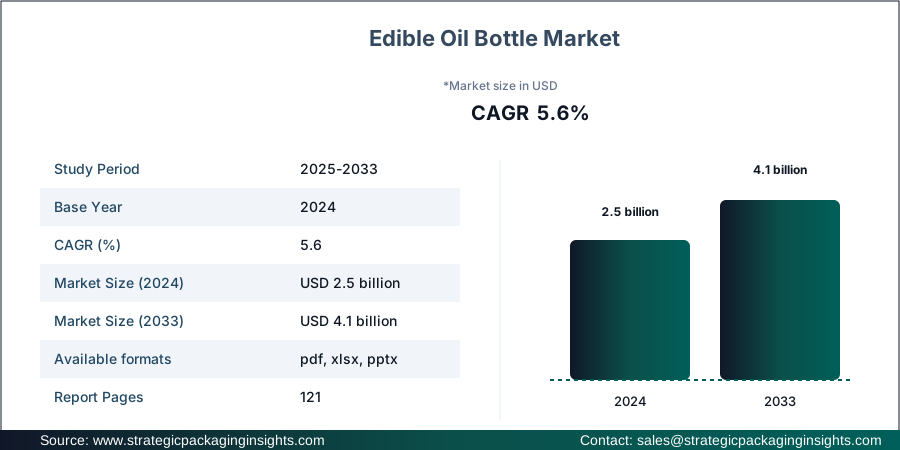
The edible oil bottle market was valued at $2.5 billion in 2024 and is projected to reach $4.1 billion by 2033, growing at a CAGR of 5.6% during the forecast period 2025-2033. This market is driven by the increasing demand for edible oils due to rising health awareness and the growing food industry. The shift towards healthier cooking oils and the expansion of the food processing industry are significant contributors to this growth. Additionally, innovations in packaging materials and designs are enhancing the appeal and functionality of edible oil bottles, further propelling market expansion.
Report Scope
| Attributes | Details |
| Report Title | Edible Oil Bottle Market Size, Future Growth and Forecast 2033 |
| Material | Plastic, Glass, Metal |
| Capacity | Up to 1 Liter, 1-5 Liters, Above 5 Liters |
| End-User | Household, Commercial, Industrial |
| Region | Asia Pacific, North America, Latin America, Europe, Middle East & Africa |
| Base Year | 2024 |
| Historic Period | 2017-2023 |
| Forecast Period | 2025-2033 |
| Number of Pages | 121 |
| Customization Available | Yes* |
Opportunities & Threats
The edible oil bottle market presents numerous opportunities, particularly in the realm of sustainable packaging. As consumers become more environmentally conscious, there is a growing demand for eco-friendly packaging solutions. This trend is driving manufacturers to explore biodegradable and recyclable materials, which not only reduce environmental impact but also enhance brand image. Furthermore, the increasing popularity of premium and specialty oils is creating a niche market for high-quality, aesthetically pleasing packaging that can differentiate products on the shelves. This shift towards premiumization offers significant growth potential for companies willing to invest in innovative design and materials.
Another opportunity lies in the expansion of the edible oil market in emerging economies. As disposable incomes rise and dietary habits evolve, there is a growing demand for a variety of edible oils, including olive, coconut, and avocado oils. This diversification in consumer preferences is prompting manufacturers to offer a wider range of packaging options to cater to different oil types and consumer segments. Additionally, the rise of e-commerce platforms is facilitating the distribution of edible oils, further boosting the demand for durable and convenient packaging solutions that can withstand the rigors of shipping and handling.
However, the market faces certain threats, primarily from fluctuating raw material prices. The cost of materials such as plastic and glass can be volatile, impacting the overall production costs for edible oil bottles. Additionally, stringent regulations regarding food-grade packaging materials and environmental compliance can pose challenges for manufacturers. Companies must navigate these regulatory landscapes carefully to avoid potential fines and ensure their products meet safety and quality standards. Moreover, the increasing competition from local and international players can lead to price wars, affecting profit margins and market share.
Drivers & Challenges
One of the primary drivers of the edible oil bottle market is the growing health consciousness among consumers. As more people become aware of the health benefits associated with different types of edible oils, there is an increasing demand for oils that are perceived as healthier, such as olive and coconut oils. This shift in consumer preferences is driving the need for innovative packaging solutions that not only preserve the quality of the oils but also enhance their shelf appeal. Additionally, the rise of the food processing industry, particularly in emerging markets, is boosting the demand for edible oil bottles as these industries require large quantities of oils for various applications.
Technological advancements in packaging are also playing a crucial role in driving market growth. Innovations such as tamper-evident seals, easy-pour spouts, and ergonomic designs are enhancing the functionality and convenience of edible oil bottles. These features not only improve the user experience but also help in maintaining the freshness and quality of the oils. Furthermore, the development of smart packaging solutions, which incorporate features like QR codes and RFID tags, is enabling better traceability and transparency in the supply chain, thereby increasing consumer trust and brand loyalty.
Despite these drivers, the market faces several challenges. One of the significant challenges is the environmental impact of plastic packaging. With increasing awareness about plastic pollution, there is a growing demand for sustainable packaging solutions. However, transitioning to eco-friendly materials can be costly and technologically challenging for manufacturers. Additionally, the market is highly competitive, with numerous players vying for market share. This competition can lead to price pressures and reduced profit margins, making it difficult for companies to invest in research and development for innovative packaging solutions.
Market Share Analysis
The edible oil bottle market is characterized by a competitive landscape with several key players dominating the market. These companies are focusing on product innovation, strategic partnerships, and mergers and acquisitions to strengthen their market position. The competitive environment is further intensified by the presence of numerous regional and local players who offer cost-effective solutions, thereby challenging the dominance of established brands. The market is also witnessing a trend towards consolidation, with larger companies acquiring smaller players to expand their product portfolios and geographical reach.
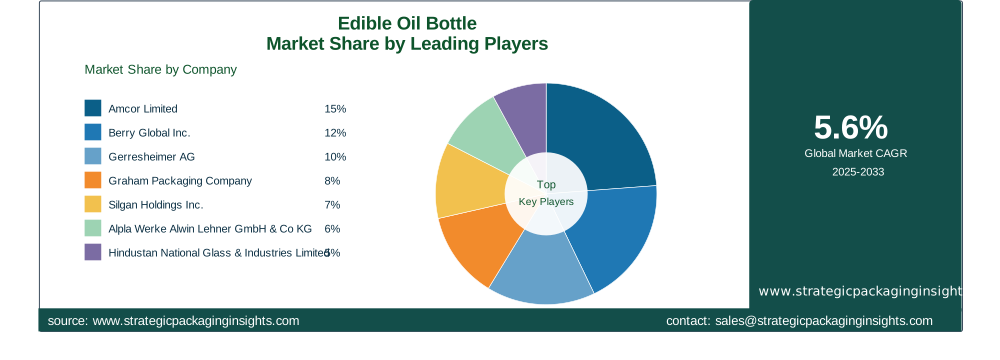
Among the major companies in the edible oil bottle market, Amcor Limited holds a significant market share due to its extensive product range and strong distribution network. The company is known for its innovative packaging solutions that cater to the diverse needs of the edible oil industry. Similarly, Berry Global Inc. is a prominent player, offering a wide array of packaging products that are designed to enhance the shelf life and quality of edible oils. The company's focus on sustainability and eco-friendly packaging solutions has further strengthened its market position.
Another key player, Gerresheimer AG, is renowned for its high-quality glass packaging solutions. The company's expertise in producing durable and aesthetically pleasing glass bottles has made it a preferred choice for premium edible oil brands. Additionally, Graham Packaging Company is a leading provider of plastic packaging solutions, known for its innovative designs and commitment to sustainability. The company's strategic focus on reducing its environmental footprint has resonated well with environmentally conscious consumers.
Other notable companies in the market include Silgan Holdings Inc., known for its metal packaging solutions, and Alpla Werke Alwin Lehner GmbH & Co KG, which offers a comprehensive range of plastic packaging products. These companies are continuously investing in research and development to introduce new and improved packaging solutions that meet the evolving needs of the edible oil industry. The competitive landscape is further enriched by the presence of regional players such as Hindustan National Glass & Industries Limited and Piramal Glass Private Limited, which cater to the specific needs of local markets.
Key Highlights
- The edible oil bottle market is projected to grow at a CAGR of 5.6% from 2025 to 2033.
- Increasing demand for eco-friendly packaging solutions is driving market growth.
- Technological advancements in packaging are enhancing product functionality and consumer appeal.
- Emerging markets present significant growth opportunities due to rising disposable incomes and changing dietary habits.
- Fluctuating raw material prices pose a challenge to market stability.
- Regulatory compliance and environmental concerns are key considerations for manufacturers.
- The market is characterized by intense competition and a trend towards consolidation.
Top Countries Insights
In the edible oil bottle market, the United States holds a significant share, with a market size of approximately $600 million and a CAGR of 4%. The country's demand is driven by the growing health consciousness among consumers and the increasing popularity of premium oils. The regulatory environment, which emphasizes food safety and packaging standards, also plays a crucial role in shaping the market dynamics.
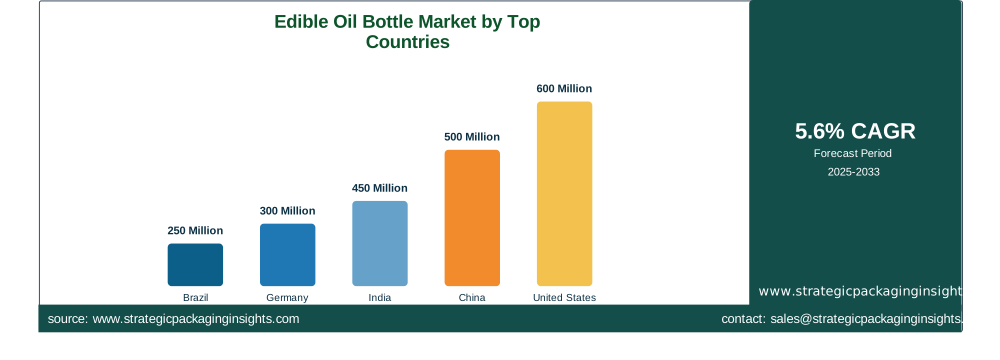
China is another major player in the market, with a market size of around $500 million and a CAGR of 6%. The country's rapid urbanization and rising disposable incomes are driving the demand for a variety of edible oils, thereby boosting the need for innovative packaging solutions. Additionally, government initiatives promoting sustainable packaging are encouraging manufacturers to adopt eco-friendly materials.
India, with a market size of $450 million and a CAGR of 7%, is witnessing significant growth due to the increasing consumption of edible oils and the expansion of the food processing industry. The country's diverse culinary traditions and the rising popularity of health-conscious cooking oils are key drivers of market growth. However, challenges such as fluctuating raw material prices and regulatory compliance need to be addressed.
Germany, with a market size of $300 million and a CAGR of 3%, is characterized by a strong demand for premium and specialty oils. The country's emphasis on quality and sustainability is driving the adoption of innovative packaging solutions that enhance product appeal and reduce environmental impact. The presence of established packaging companies further strengthens the market.
Brazil, with a market size of $250 million and a CAGR of 5%, is experiencing growth due to the increasing consumption of edible oils and the expansion of the retail sector. The country's focus on sustainable packaging solutions and the growing popularity of e-commerce platforms are key factors driving market growth. However, economic fluctuations and regulatory challenges pose potential risks.
Edible Oil Bottle Market Segments Insights

Material Analysis
The material segment of the edible oil bottle market is primarily divided into plastic, glass, and metal. Plastic bottles dominate the market due to their lightweight nature, cost-effectiveness, and versatility. They are widely used for packaging various types of edible oils, including vegetable, sunflower, and canola oils. The demand for plastic bottles is further driven by their durability and ease of transportation. However, environmental concerns regarding plastic waste are prompting manufacturers to explore sustainable alternatives, such as biodegradable plastics and recycled materials.
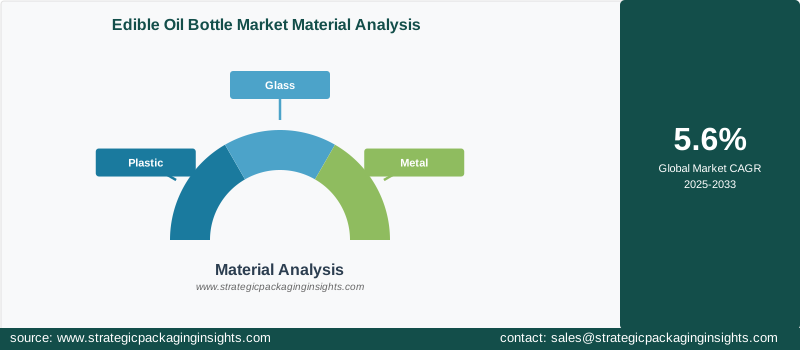
Glass bottles, on the other hand, are preferred for premium and specialty oils, such as olive and avocado oils, due to their ability to preserve the quality and flavor of the oils. Glass packaging is perceived as a symbol of quality and luxury, making it a popular choice among consumers seeking high-end products. The demand for glass bottles is also supported by their recyclability and eco-friendly nature. However, the higher cost and fragility of glass compared to plastic can be a limiting factor for some manufacturers.
Metal bottles, although less common, are used for specific applications where durability and protection from light and air are crucial. They are often used for packaging oils that require extended shelf life and protection from external factors. The demand for metal bottles is driven by their robustness and ability to maintain the integrity of the oils. However, the higher production costs and limited design flexibility compared to plastic and glass can be a challenge for manufacturers.
Capacity Analysis
The capacity segment of the edible oil bottle market is categorized into up to 1 liter, 1-5 liters, and above 5 liters. Bottles with a capacity of up to 1 liter are commonly used for household consumption, catering to the needs of individual consumers and small families. These bottles are popular due to their convenience and ease of handling. The demand for small-capacity bottles is driven by the increasing trend of single-person households and the growing preference for smaller packaging sizes that reduce waste and enhance freshness.
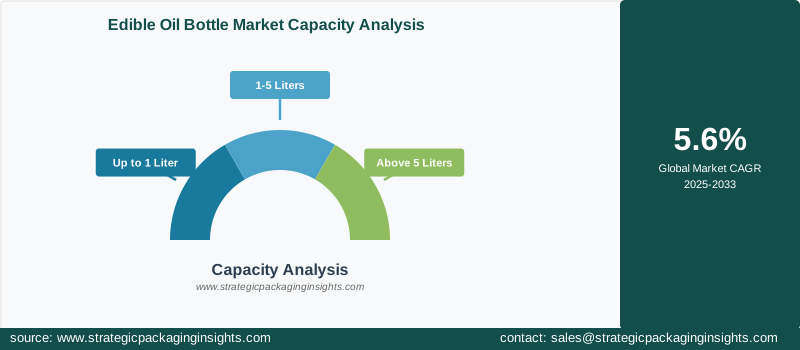
Bottles with a capacity of 1-5 liters are widely used in both household and commercial settings. They are suitable for families and small businesses that require moderate quantities of edible oils. The demand for medium-capacity bottles is supported by the growing food service industry and the increasing consumption of edible oils in restaurants and catering services. These bottles offer a balance between convenience and cost-effectiveness, making them a popular choice among consumers.
Bottles with a capacity of above 5 liters are primarily used in industrial and commercial applications, where large quantities of edible oils are required. These bottles are favored by food processing companies, restaurants, and catering services that need bulk supplies of oils for cooking and production purposes. The demand for large-capacity bottles is driven by the expansion of the food processing industry and the increasing use of edible oils in various industrial applications. However, the higher cost and storage requirements of large-capacity bottles can be a challenge for some businesses.
End-User Analysis
The end-user segment of the edible oil bottle market is divided into household, commercial, and industrial users. Household users represent a significant portion of the market, driven by the increasing consumption of edible oils for cooking and culinary purposes. The demand for edible oil bottles in the household segment is supported by the growing trend of home cooking and the rising popularity of health-conscious cooking oils. Manufacturers are focusing on offering convenient and aesthetically pleasing packaging solutions that cater to the needs of individual consumers and families.
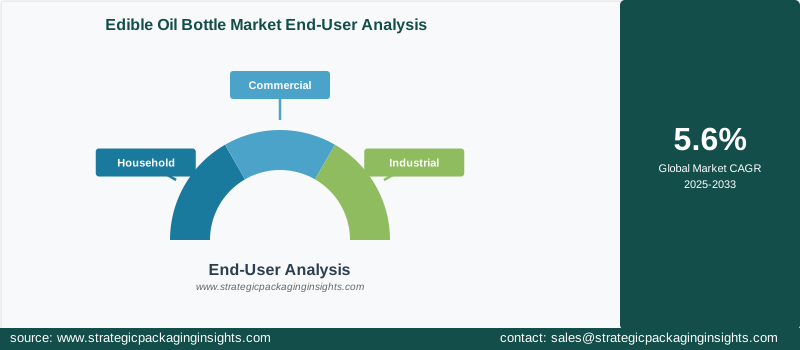
Commercial users, including restaurants, cafes, and catering services, represent another important segment of the market. The demand for edible oil bottles in the commercial segment is driven by the growing food service industry and the increasing use of edible oils in various culinary applications. Commercial users require packaging solutions that offer convenience, durability, and cost-effectiveness. Manufacturers are focusing on providing innovative packaging designs that enhance the functionality and appeal of edible oil bottles for commercial use.
Industrial users, including food processing companies and manufacturers, represent a smaller but significant segment of the market. The demand for edible oil bottles in the industrial segment is driven by the increasing use of edible oils in various industrial applications, such as food production and processing. Industrial users require packaging solutions that offer durability, protection, and cost-effectiveness. Manufacturers are focusing on providing bulk packaging solutions that cater to the needs of industrial users and enhance the efficiency of their operations.
Edible Oil Bottle Market Segments
The Edible Oil Bottle market has been segmented on the basis ofMaterial
- Plastic
- Glass
- Metal
Capacity
- Up to 1 Liter
- 1-5 Liters
- Above 5 Liters
End-User
- Household
- Commercial
- Industrial
Region
- Asia Pacific
- North America
- Latin America
- Europe
- Middle East & Africa




