


Juice Bottle Packaging Market Outlook
The juice bottle packaging market was valued at $10.5 billion in 2024 and is projected to reach $15.8 billion by 2033, growing at a CAGR of 4.5% during the forecast period 2025-2033. This market is witnessing significant growth due to the increasing demand for convenient and sustainable packaging solutions. The rise in health-conscious consumers opting for fresh juices over carbonated drinks is a major driver. Additionally, the trend towards eco-friendly packaging materials is pushing manufacturers to innovate and adopt sustainable practices. The market is also benefiting from advancements in packaging technology, which enhance the shelf life and aesthetic appeal of juice bottles, thereby attracting more consumers.
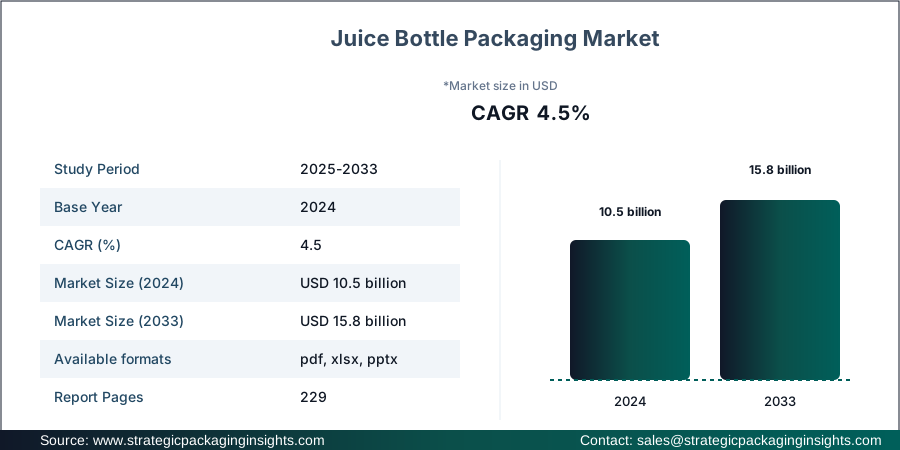
Report Scope
| Attributes | Details |
| Report Title | Juice Bottle Packaging Market Size, Future Growth and Forecast 2033 |
| Material | Plastic, Glass, Metal |
| Capacity | Up to 250ml, 251-500ml, 501-1000ml, Above 1000ml |
| End-User | Household, Commercial |
| Region | Asia Pacific, North America, Latin America, Europe, Middle East & Africa |
| Base Year | 2024 |
| Historic Period | 2017-2023 |
| Forecast Period | 2025-2033 |
| Number of Pages | 229 |
| Customization Available | Yes* |
Opportunities & Threats
One of the key opportunities in the juice bottle packaging market is the growing consumer preference for sustainable and eco-friendly packaging solutions. As environmental concerns rise, consumers are increasingly opting for products that minimize their carbon footprint. This trend is encouraging manufacturers to explore biodegradable and recyclable materials, which not only appeal to environmentally conscious consumers but also comply with stringent environmental regulations. Additionally, the increasing popularity of cold-pressed juices, which require specialized packaging to maintain freshness and nutritional value, presents a lucrative opportunity for packaging companies to innovate and capture a larger market share.
Another significant opportunity lies in the technological advancements in packaging solutions. The integration of smart packaging technologies, such as QR codes and NFC tags, allows consumers to access detailed product information, enhancing transparency and trust. This trend is particularly appealing to tech-savvy consumers who value convenience and information accessibility. Furthermore, the development of lightweight and durable packaging materials can reduce transportation costs and improve supply chain efficiency, offering a competitive edge to companies that invest in such innovations.
However, the juice bottle packaging market faces certain restrainers, such as the volatility in raw material prices. Fluctuations in the cost of materials like plastic and glass can significantly impact production costs, affecting profit margins for manufacturers. Additionally, stringent regulations regarding food safety and packaging standards pose challenges for companies, requiring continuous investment in compliance and quality assurance. These factors can hinder market growth, especially for small and medium-sized enterprises that may struggle to absorb increased costs or adapt to regulatory changes.
Drivers & Challenges
The primary driver of the juice bottle packaging market is the increasing consumer demand for convenient and portable beverage options. As lifestyles become busier, consumers are seeking on-the-go solutions that fit into their hectic schedules. Juice bottles, with their easy-to-carry design and resealable features, cater to this demand, making them a popular choice among consumers. Additionally, the growing health consciousness among consumers is driving the demand for fresh and natural juices, further boosting the need for effective packaging solutions that preserve the quality and freshness of the product.
Another significant driver is the rise in disposable income and urbanization, particularly in emerging economies. As more consumers enter the middle class, their purchasing power increases, leading to higher consumption of packaged beverages, including juices. This trend is further supported by the expansion of retail channels and the increasing availability of a wide variety of juice products, which require diverse packaging solutions to cater to different consumer preferences and needs.
Despite these drivers, the juice bottle packaging market faces challenges such as the increasing competition from alternative packaging solutions. Flexible packaging, for instance, offers benefits like reduced material usage and lower transportation costs, posing a threat to traditional bottle packaging. Additionally, the growing awareness of plastic pollution and its environmental impact is leading to a shift towards alternative materials, which can be a challenge for companies heavily reliant on plastic packaging. To remain competitive, companies must invest in research and development to innovate and adapt to changing consumer preferences and regulatory requirements.
Market Share Analysis
The competitive landscape of the juice bottle packaging market is characterized by the presence of several key players who dominate the market with their extensive product portfolios and strong distribution networks. These companies are continuously investing in research and development to innovate and offer sustainable packaging solutions that meet the evolving demands of consumers. The market is also witnessing strategic collaborations and partnerships among players to expand their market presence and enhance their product offerings.
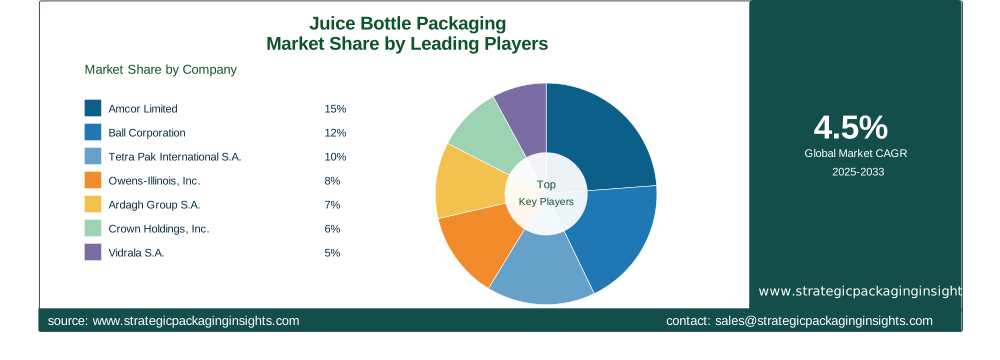
Leading companies in the juice bottle packaging market include Amcor Limited, Ball Corporation, and Tetra Pak International S.A., which hold significant market shares due to their extensive experience and expertise in the packaging industry. These companies are known for their innovative packaging solutions that cater to the diverse needs of the juice industry, from small-scale producers to large multinational brands. Their strong focus on sustainability and eco-friendly practices further strengthens their market position.
Amcor Limited, for instance, is a global leader in packaging solutions, offering a wide range of products for the beverage industry. The company's commitment to sustainability is evident in its development of recyclable and lightweight packaging materials, which reduce environmental impact and transportation costs. Similarly, Ball Corporation is renowned for its metal packaging solutions, providing durable and sustainable options for juice packaging. The company's focus on innovation and customer-centric solutions has earned it a strong reputation in the market.
Tetra Pak International S.A. is another major player, known for its comprehensive range of packaging solutions that ensure product safety and quality. The company's aseptic packaging technology is particularly popular in the juice industry, as it extends the shelf life of products without the need for preservatives. Tetra Pak's commitment to sustainability is reflected in its use of renewable materials and efforts to reduce carbon emissions across its operations.
Key Highlights
- The juice bottle packaging market is projected to grow at a CAGR of 4.5% from 2025 to 2033.
- Increasing consumer demand for sustainable and eco-friendly packaging solutions is a major market driver.
- Technological advancements in smart packaging are enhancing consumer engagement and transparency.
- Volatility in raw material prices poses a challenge for manufacturers in maintaining profit margins.
- Leading companies like Amcor Limited and Tetra Pak are focusing on sustainability and innovation to maintain market leadership.
- The rise in disposable income and urbanization in emerging economies is boosting market growth.
- Alternative packaging solutions, such as flexible packaging, present competition to traditional bottle packaging.
Top Countries Insights
In the juice bottle packaging market, the United States holds a significant share, with a market size of $2.5 billion and a CAGR of 3%. The country's growth is driven by the increasing demand for convenient and healthy beverage options, coupled with advancements in packaging technology. The presence of major beverage companies and a strong focus on sustainability further contribute to market growth.
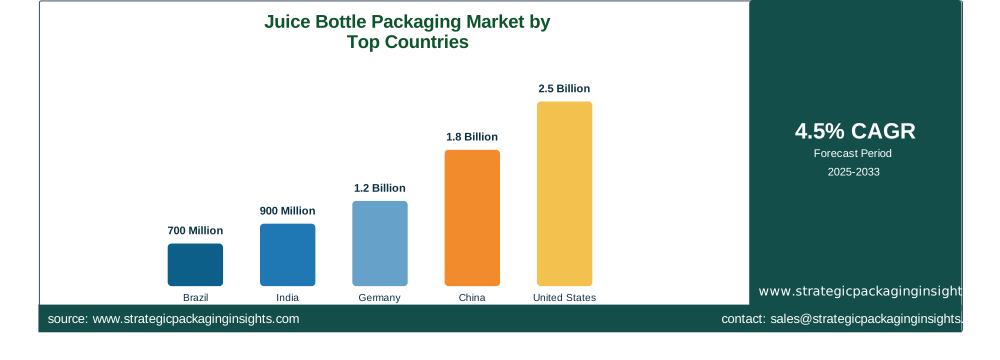
China is another key player, with a market size of $1.8 billion and a CAGR of 6%. The rapid urbanization and rising disposable income in the country are driving the demand for packaged beverages, including juices. The government's initiatives to promote sustainable packaging practices are also encouraging manufacturers to adopt eco-friendly solutions.
Germany, with a market size of $1.2 billion and a CAGR of 4%, is witnessing growth due to the increasing consumer preference for organic and natural juices. The country's stringent regulations on packaging waste and recycling are pushing companies to innovate and offer sustainable packaging solutions.
India, with a market size of $900 million and a CAGR of 7%, is experiencing growth due to the rising health consciousness among consumers and the increasing availability of a wide variety of juice products. The government's focus on promoting sustainable packaging practices is also driving market growth.
Brazil, with a market size of $700 million and a CAGR of 5%, is seeing growth due to the increasing demand for convenient and portable beverage options. The country's expanding retail sector and the growing popularity of cold-pressed juices are further boosting the market.
Juice Bottle Packaging Market Segments Insights

Material Analysis
The material segment of the juice bottle packaging market is dominated by plastic, glass, and metal. Plastic remains the most popular choice due to its lightweight, cost-effectiveness, and versatility. However, the growing environmental concerns and regulatory pressures are pushing manufacturers to explore alternative materials. Glass, known for its premium appeal and recyclability, is gaining traction among eco-conscious consumers. Metal, particularly aluminum, is also being considered for its durability and sustainability. The shift towards biodegradable and recyclable materials is a significant trend in this segment, driven by consumer demand for sustainable packaging solutions.
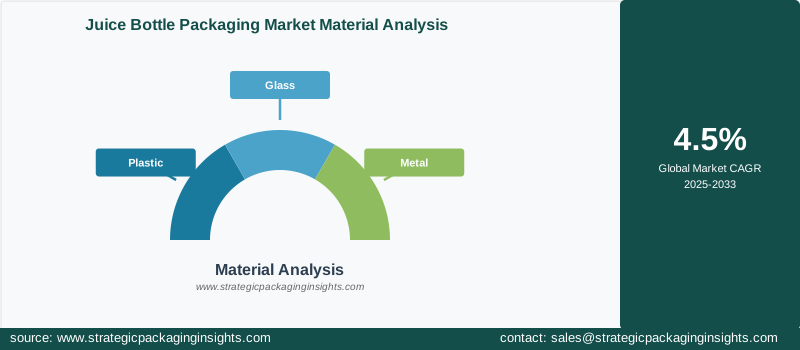
Plastic packaging, despite its environmental challenges, continues to dominate due to its affordability and convenience. Innovations in biodegradable plastics and the development of mono-material solutions are helping to address environmental concerns. Glass packaging, on the other hand, is favored for its ability to preserve the taste and quality of juices, making it a preferred choice for premium and organic juice brands. Metal packaging, with its robust and tamper-proof properties, is gaining popularity in the ready-to-drink juice segment, offering a sustainable alternative to traditional materials.
Capacity Analysis
The capacity segment of the juice bottle packaging market is categorized into up to 250ml, 251-500ml, 501-1000ml, and above 1000ml. The 251-500ml segment holds the largest market share, driven by the increasing demand for single-serve and on-the-go beverage options. This segment is particularly popular among busy consumers seeking convenient and portable solutions. The up to 250ml segment is also witnessing growth, fueled by the rising popularity of health shots and functional beverages.
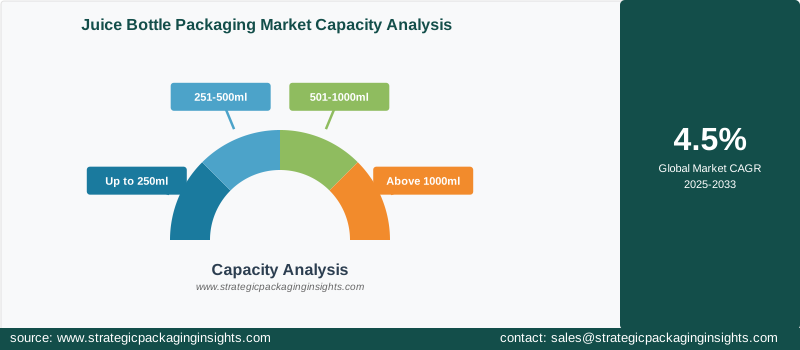
The 501-1000ml segment caters to family-sized and multi-serve options, appealing to consumers who prefer to purchase in bulk. The above 1000ml segment, although smaller in comparison, is gaining traction among consumers who prioritize value for money and prefer to stock up on their favorite juices. The trend towards personalized and customizable packaging solutions is also influencing this segment, with manufacturers offering a variety of sizes to cater to diverse consumer preferences.
End-User Analysis
The end-user segment of the juice bottle packaging market is divided into household and commercial. The household segment dominates the market, driven by the increasing consumption of packaged juices at home. The convenience and variety offered by packaged juices make them a popular choice among consumers seeking healthy and refreshing beverage options. The commercial segment, which includes restaurants, cafes, and hotels, is also witnessing growth due to the rising demand for ready-to-drink beverages in the foodservice industry.
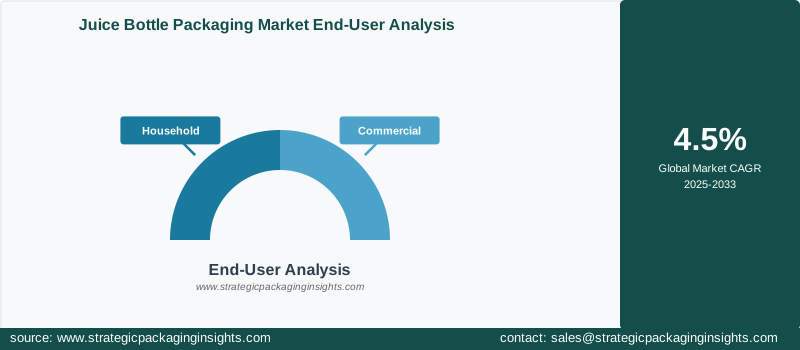
The household segment is benefiting from the growing trend of home-based consumption, with consumers opting for convenient and healthy beverage options. The commercial segment, on the other hand, is driven by the increasing popularity of juice bars and cafes, which offer a wide range of fresh and natural juices. The demand for customized and branded packaging solutions is also influencing this segment, as businesses seek to differentiate themselves and enhance their brand image.
Regional Analysis
The regional analysis of the juice bottle packaging market reveals significant growth opportunities across various regions. North America, with its established beverage industry and strong focus on sustainability, holds a significant market share. The region's demand for innovative and eco-friendly packaging solutions is driving market growth. Europe, known for its stringent regulations on packaging waste and recycling, is also witnessing growth, with consumers increasingly opting for sustainable packaging options.
Asia Pacific is the fastest-growing region, driven by the rapid urbanization and rising disposable income in countries like China and India. The region's expanding middle class and increasing health consciousness are boosting the demand for packaged juices, creating opportunities for packaging manufacturers. Latin America and the Middle East & Africa, although smaller in comparison, are also experiencing growth due to the increasing demand for convenient and portable beverage options.
Juice Bottle Packaging Market Segments
The Juice Bottle Packaging market has been segmented on the basis ofMaterial
- Plastic
- Glass
- Metal
Capacity
- Up to 250ml
- 251-500ml
- 501-1000ml
- Above 1000ml
End-User
- Household
- Commercial
Region
- Asia Pacific
- North America
- Latin America
- Europe
- Middle East & Africa




