


Dairy Bottle Market Outlook
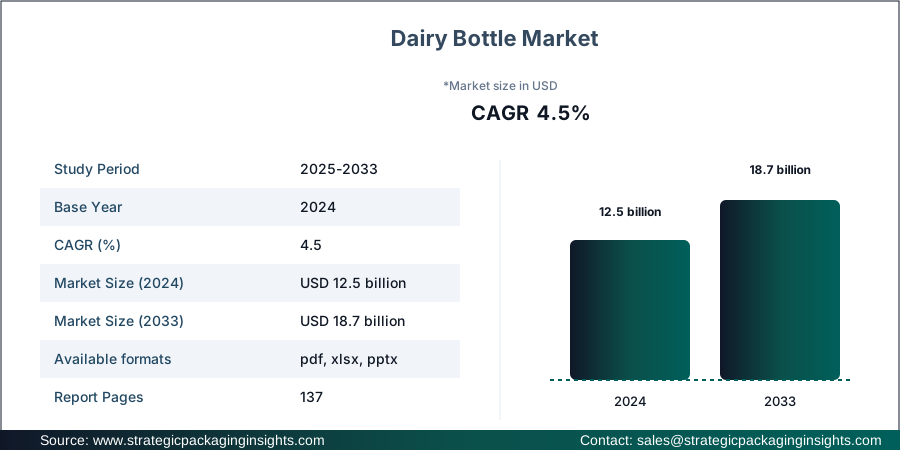
The dairy bottle market was valued at $12.5 billion in 2024 and is projected to reach $18.7 billion by 2033, growing at a CAGR of 4.5% during the forecast period 2025-2033. This growth is driven by increasing consumer demand for dairy products, particularly in emerging markets where urbanization and rising disposable incomes are leading to higher consumption rates. The shift towards sustainable packaging solutions is also propelling the market, as manufacturers are increasingly adopting eco-friendly materials to meet consumer preferences and regulatory requirements. Additionally, innovations in packaging technology, such as smart packaging and improved barrier properties, are enhancing the shelf life and safety of dairy products, further boosting market growth.
Report Scope
| Attributes | Details |
| Report Title | Dairy Bottle Market Size, Future Growth and Forecast 2033 |
| Material | Plastic, Glass, Others |
| Application | Milk, Yogurt, Cream, Others |
| Capacity | Up to 500 ml, 500 ml to 1 liter, Above 1 liter |
| End-User | Household, Commercial, Industrial |
| Base Year | 2024 |
| Historic Period | 2017-2023 |
| Forecast Period | 2025-2033 |
| Number of Pages | 137 |
| Customization Available | Yes* |
Opportunities & Threats
One of the significant opportunities in the dairy bottle market is the growing consumer preference for sustainable and eco-friendly packaging solutions. As environmental concerns rise, consumers are increasingly opting for products that minimize their carbon footprint. This trend is encouraging manufacturers to innovate and develop biodegradable and recyclable packaging materials, which not only appeal to environmentally conscious consumers but also comply with stringent environmental regulations. Furthermore, the increasing adoption of smart packaging technologies, which offer features such as freshness indicators and QR codes for product information, presents a lucrative opportunity for market players to differentiate their products and enhance consumer engagement.
Another opportunity lies in the expanding dairy industry in emerging markets. Countries in Asia Pacific and Latin America are witnessing a surge in dairy consumption due to rising urbanization, increasing disposable incomes, and changing dietary habits. This growth is creating a substantial demand for dairy bottles, particularly in regions where traditional packaging methods are being replaced by modern, efficient solutions. Companies that can effectively tap into these markets with tailored products and strategic partnerships are likely to gain a competitive edge and capture significant market share.
However, the market faces threats from fluctuating raw material prices and stringent regulatory standards. The cost of raw materials, such as plastic and glass, can be volatile, impacting the profitability of manufacturers. Additionally, the dairy bottle industry is subject to rigorous health and safety regulations, which require continuous investment in compliance and quality assurance. Companies that fail to meet these standards risk facing legal challenges and losing consumer trust, which can adversely affect their market position.
Drivers & Challenges
The primary driver of the dairy bottle market is the increasing global demand for dairy products. As consumers become more health-conscious, there is a growing preference for dairy products due to their nutritional benefits. This trend is particularly evident in developing regions, where rising incomes and urbanization are leading to higher consumption rates. Moreover, the expansion of organized retail and e-commerce platforms is making dairy products more accessible to consumers, further driving the demand for dairy bottles. The shift towards sustainable packaging solutions is another key driver, as manufacturers strive to meet consumer preferences and regulatory requirements by adopting eco-friendly materials.
Technological advancements in packaging are also driving the market. Innovations such as smart packaging, which includes features like freshness indicators and QR codes for product information, are enhancing the consumer experience and providing added value. Improved barrier properties in packaging materials are extending the shelf life of dairy products, ensuring safety and quality. These advancements are not only meeting consumer demands for convenience and safety but also helping manufacturers differentiate their products in a competitive market.
Despite these drivers, the dairy bottle market faces challenges such as fluctuating raw material prices and stringent regulatory standards. The cost of raw materials, including plastic and glass, can be volatile, affecting the profitability of manufacturers. Additionally, the industry is subject to rigorous health and safety regulations, requiring continuous investment in compliance and quality assurance. Companies that fail to meet these standards risk facing legal challenges and losing consumer trust, which can adversely affect their market position. Furthermore, the increasing competition from alternative packaging solutions, such as cartons and pouches, poses a challenge to the growth of the dairy bottle market.
Dairy Bottle Strategic Outlook
| Trend | Market Driver | Technological/Material Shift | Business Impact |
|---|---|---|---|
| Sustainability | Eco-friendly Packaging Demand | Biodegradable Materials | Increased Market Share |
| Smart Tech | Consumer Engagement | Smart Packaging Solutions | Enhanced Consumer Experience |
| Consumer Behavior | Health Consciousness | Improved Barrier Properties | Higher Product Demand |
| Logistics | Supply Chain Efficiency | Advanced Distribution Networks | Cost Reduction |
In 2026, the dairy bottle market is poised for significant growth, driven by the increasing demand for sustainable packaging solutions and technological advancements in packaging materials. The primary disruptor in this niche is the stringent environmental regulations that are pushing manufacturers to adopt eco-friendly materials and innovative packaging solutions. To maintain market share by 2033, brands should pivot towards integrating smart packaging technologies and enhancing their supply chain efficiencies. By focusing on sustainability and consumer engagement, companies can differentiate their products and capture a larger share of the market.
Market Share Analysis
The competitive landscape of the dairy bottle market is characterized by the presence of several key players who are actively engaged in product innovation and strategic partnerships to strengthen their market position. The market is moderately fragmented, with a mix of global and regional players competing for market share. Companies are focusing on expanding their product portfolios and enhancing their distribution networks to cater to the growing demand for dairy bottles. The increasing emphasis on sustainable packaging solutions is also driving companies to invest in research and development to develop eco-friendly materials and technologies.
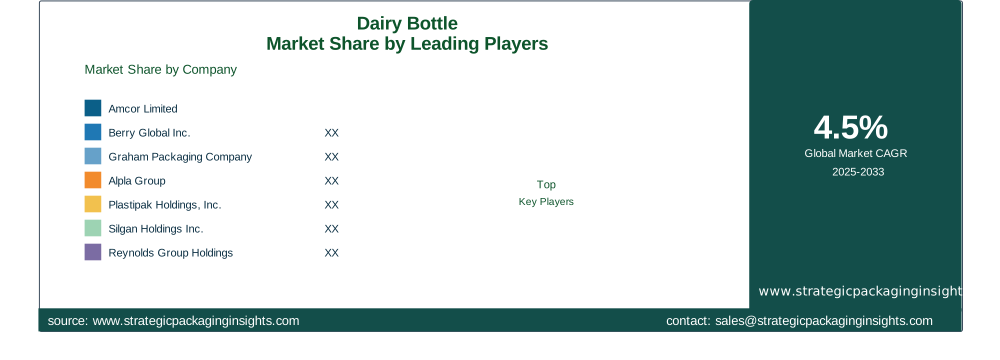
Among the major players in the dairy bottle market, Amcor Limited holds a significant market share due to its extensive product portfolio and strong global presence. The company is known for its innovative packaging solutions and commitment to sustainability, which has helped it maintain a competitive edge in the market. Another key player, Berry Global Inc., is recognized for its advanced manufacturing capabilities and focus on customer-centric solutions. The company's strategic acquisitions and partnerships have further strengthened its market position.
Graham Packaging Company is another prominent player in the dairy bottle market, known for its expertise in designing and manufacturing sustainable packaging solutions. The company's focus on innovation and quality has enabled it to capture a substantial share of the market. Similarly, Alpla Group is a leading player with a strong emphasis on sustainability and innovation. The company's extensive global network and advanced production facilities have contributed to its success in the dairy bottle market.
Other notable players in the market include Plastipak Holdings, Inc., which is known for its innovative packaging solutions and commitment to sustainability. The company's focus on research and development has enabled it to offer a wide range of eco-friendly packaging options. Additionally, Silgan Holdings Inc. is recognized for its comprehensive product portfolio and strong customer relationships, which have helped it maintain a competitive position in the market.
Key Highlights
- The dairy bottle market is projected to grow at a CAGR of 4.5% from 2025 to 2033.
- Increasing consumer demand for sustainable packaging solutions is driving market growth.
- Technological advancements in smart packaging are enhancing consumer engagement.
- Emerging markets in Asia Pacific and Latin America offer significant growth opportunities.
- Fluctuating raw material prices pose a challenge to market profitability.
- Stringent regulatory standards require continuous investment in compliance and quality assurance.
- Key players are focusing on product innovation and strategic partnerships to strengthen their market position.
Top Countries Insights
In the dairy bottle market, the United States holds a significant share, with a market size of $3.2 billion and a CAGR of 3%. The country's growth is driven by the increasing demand for sustainable packaging solutions and the presence of major market players. The implementation of stringent environmental regulations is also encouraging manufacturers to adopt eco-friendly materials, further boosting market growth.
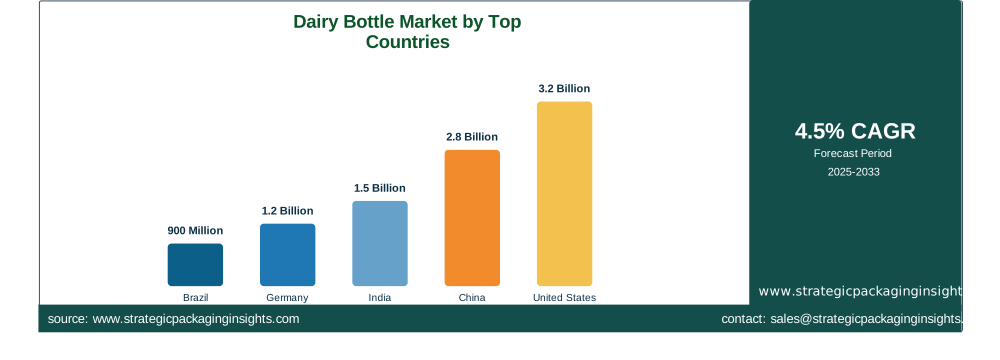
China is another key market, with a market size of $2.8 billion and a CAGR of 5%. The country's rapid urbanization and rising disposable incomes are driving the demand for dairy products, leading to increased consumption of dairy bottles. The government's focus on promoting sustainable packaging solutions is also contributing to market growth.
India, with a market size of $1.5 billion and a CAGR of 6%, is witnessing significant growth in the dairy bottle market. The country's expanding dairy industry and increasing consumer awareness about sustainable packaging are driving market demand. The government's initiatives to promote eco-friendly packaging solutions are also supporting market growth.
Germany, with a market size of $1.2 billion and a CAGR of 4%, is a key player in the European dairy bottle market. The country's strong focus on sustainability and innovation is driving the demand for eco-friendly packaging solutions. The presence of major market players and advanced manufacturing capabilities are also contributing to market growth.
Brazil, with a market size of $900 million and a CAGR of 4%, is experiencing growth in the dairy bottle market due to the increasing demand for dairy products and the adoption of sustainable packaging solutions. The country's expanding retail sector and rising consumer awareness about environmental issues are also supporting market growth.
Dairy Bottle Market Segments Insights

Material Analysis
The material segment of the dairy bottle market is primarily dominated by plastic, which is favored for its lightweight, durability, and cost-effectiveness. However, the increasing environmental concerns and regulatory pressures are driving a shift towards more sustainable materials such as glass and biodegradable plastics. Glass bottles, although heavier and more expensive, are gaining popularity due to their recyclability and premium appeal. The demand for biodegradable plastics is also rising as manufacturers seek to reduce their environmental impact and comply with stringent regulations. This shift towards sustainable materials is expected to drive innovation and growth in the material segment of the dairy bottle market.
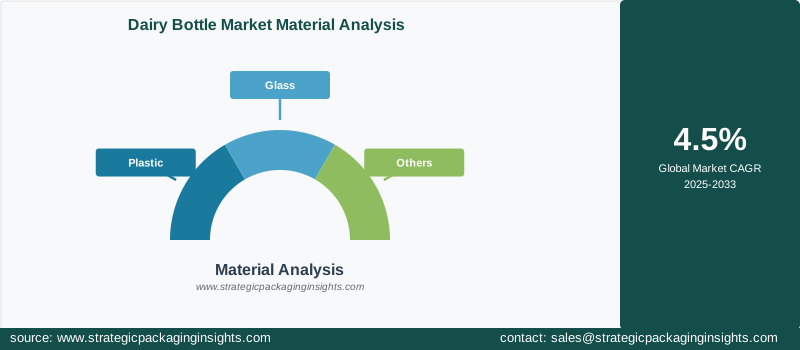
Plastic bottles continue to dominate the market due to their versatility and cost advantages. They are widely used for packaging a variety of dairy products, including milk, yogurt, and cream. However, the growing consumer preference for eco-friendly packaging solutions is encouraging manufacturers to explore alternative materials. Glass bottles, known for their superior barrier properties and recyclability, are gaining traction in the premium segment of the market. The development of biodegradable plastics is also opening new opportunities for manufacturers to offer sustainable packaging solutions that meet consumer demands and regulatory requirements.
Application Analysis
The application segment of the dairy bottle market is driven by the increasing consumption of dairy products such as milk, yogurt, and cream. Milk remains the largest application segment, accounting for a significant share of the market. The growing demand for milk, particularly in emerging markets, is driving the need for efficient and sustainable packaging solutions. Yogurt and cream are also witnessing increased consumption, driven by changing dietary habits and the rising popularity of health and wellness products. The demand for dairy bottles in these application segments is expected to grow as consumers seek convenient and sustainable packaging options.
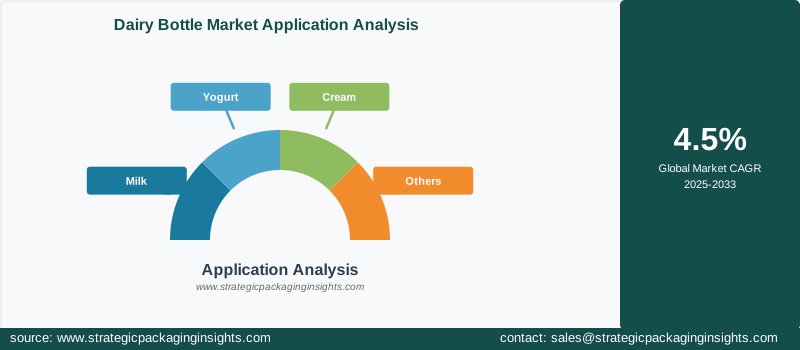
The milk segment is the largest application segment in the dairy bottle market, driven by the increasing consumption of milk in both developed and developing regions. The demand for yogurt and cream is also rising, fueled by the growing popularity of health and wellness products. The shift towards sustainable packaging solutions is further driving the demand for dairy bottles in these application segments. Manufacturers are focusing on developing innovative packaging solutions that enhance the shelf life and safety of dairy products while meeting consumer preferences for convenience and sustainability.
Capacity Analysis
The capacity segment of the dairy bottle market is categorized into up to 500 ml, 500 ml to 1 liter, and above 1 liter. The up to 500 ml segment is primarily driven by the demand for single-serve and on-the-go packaging solutions. The increasing consumer preference for convenience and portability is driving the demand for smaller capacity bottles. The 500 ml to 1 liter segment is the largest capacity segment, driven by the demand for family-sized packaging solutions. The above 1 liter segment is witnessing growth due to the increasing demand for bulk packaging solutions in the commercial and industrial sectors.
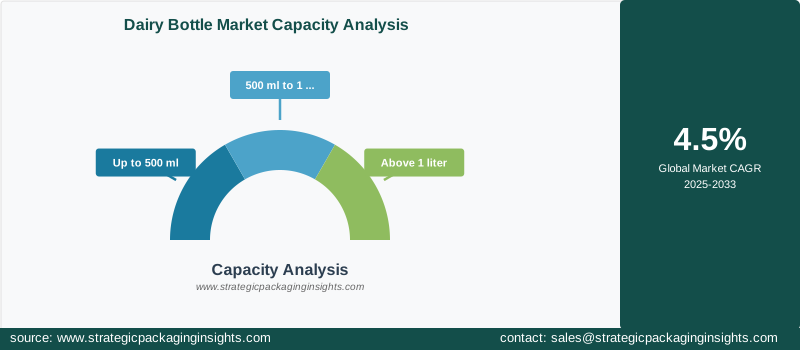
The up to 500 ml segment is gaining popularity due to the increasing demand for single-serve and on-the-go packaging solutions. The 500 ml to 1 liter segment remains the largest capacity segment, driven by the demand for family-sized packaging solutions. The above 1 liter segment is witnessing growth due to the increasing demand for bulk packaging solutions in the commercial and industrial sectors. Manufacturers are focusing on developing innovative packaging solutions that cater to the diverse needs of consumers and end-users in these capacity segments.
End-User Analysis
The end-user segment of the dairy bottle market is categorized into household, commercial, and industrial. The household segment is the largest end-user segment, driven by the increasing consumption of dairy products in households. The commercial segment is witnessing growth due to the increasing demand for dairy products in the foodservice and hospitality sectors. The industrial segment is also experiencing growth, driven by the demand for bulk packaging solutions in the dairy processing and manufacturing sectors.
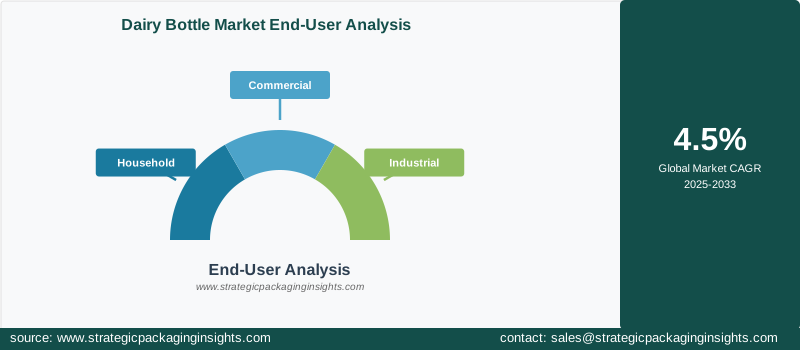
The household segment remains the largest end-user segment in the dairy bottle market, driven by the increasing consumption of dairy products in households. The commercial segment is witnessing growth due to the increasing demand for dairy products in the foodservice and hospitality sectors. The industrial segment is also experiencing growth, driven by the demand for bulk packaging solutions in the dairy processing and manufacturing sectors. Manufacturers are focusing on developing innovative packaging solutions that cater to the diverse needs of end-users in these segments.
Dairy Bottle Market Segments
The Dairy Bottle market has been segmented on the basis ofMaterial
- Plastic
- Glass
- Others
Application
- Milk
- Yogurt
- Cream
- Others
Capacity
- Up to 500 ml
- 500 ml to 1 liter
- Above 1 liter
End-User
- Household
- Commercial
- Industrial




