


Industrial Chemical Container Packaging Market Outlook
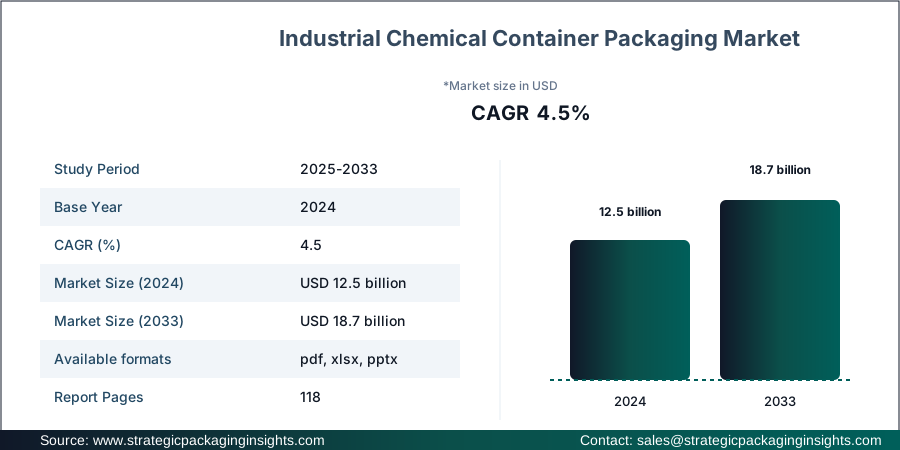
The industrial chemical container packaging market was valued at $12.5 billion in 2024 and is projected to reach $18.7 billion by 2033, growing at a CAGR of 4.5% during the forecast period 2025-2033. This market is driven by the increasing demand for safe and efficient transportation of chemicals across various industries. The rise in global chemical production, coupled with stringent regulations regarding the safe handling and transportation of hazardous materials, is propelling the growth of this market. Additionally, advancements in packaging materials and technologies are enhancing the durability and safety of chemical containers, further boosting market demand.
Report Scope
| Attributes | Details |
| Report Title | Industrial Chemical Container Packaging Market Size, Future Growth and Forecast 2033 |
| Material Type | Plastic, Metal, Glass |
| Container Type | Drums, IBCs, Jerry Cans, Pails |
| End-User Industry | Chemicals, Pharmaceuticals, Food & Beverages, Oil & Gas, Others |
| Region | Asia Pacific, North America, Latin America, Europe, Middle East & Africa |
| Base Year | 2024 |
| Historic Period | 2017-2023 |
| Forecast Period | 2025-2033 |
| Number of Pages | 118 |
| Customization Available | Yes* |
Opportunities & Threats
One of the significant opportunities in the industrial chemical container packaging market is the growing emphasis on sustainability. With increasing environmental concerns, there is a rising demand for eco-friendly packaging solutions. Companies are investing in research and development to create biodegradable and recyclable packaging materials that meet regulatory standards. This shift towards sustainable packaging not only helps in reducing the carbon footprint but also enhances brand reputation and customer loyalty. Moreover, the adoption of smart packaging technologies, such as RFID tags and IoT-enabled containers, offers opportunities for real-time tracking and monitoring of chemical shipments, ensuring safety and compliance.
Another opportunity lies in the expansion of the chemical industry in emerging markets. Countries in Asia Pacific and Latin America are witnessing rapid industrialization and urbanization, leading to increased chemical production and consumption. This growth presents a lucrative opportunity for packaging manufacturers to expand their presence in these regions. Additionally, the rise in e-commerce and global trade is driving the demand for efficient and reliable packaging solutions that can withstand long-distance transportation and varying climatic conditions.
However, the market faces certain threats, such as fluctuating raw material prices and stringent regulatory requirements. The cost of raw materials, such as plastics and metals, can significantly impact the profitability of packaging manufacturers. Moreover, compliance with various international and local regulations regarding chemical packaging can be challenging and costly. Companies need to invest in continuous monitoring and upgrading of their packaging solutions to meet these regulatory standards, which can be a significant financial burden.
Drivers & Challenges
The primary driver of the industrial chemical container packaging market is the increasing demand for chemicals across various industries, including pharmaceuticals, agriculture, and manufacturing. The growing need for safe and efficient transportation of these chemicals is driving the demand for robust and reliable packaging solutions. Additionally, the rise in global trade and the expansion of the chemical industry in emerging markets are further fueling market growth. The development of advanced packaging materials and technologies that enhance the safety and durability of chemical containers is also a significant driver.
Another key driver is the stringent regulations regarding the safe handling and transportation of hazardous materials. Governments and regulatory bodies worldwide are implementing strict guidelines to ensure the safety of chemical transportation. This has led to increased demand for packaging solutions that comply with these regulations, driving innovation and development in the market. Furthermore, the growing awareness about environmental sustainability is pushing companies to adopt eco-friendly packaging solutions, which is expected to drive market growth in the coming years.
Despite these drivers, the market faces several challenges. One of the major challenges is the high cost of raw materials, which can impact the profitability of packaging manufacturers. Additionally, the market is highly competitive, with numerous players offering similar products, leading to price wars and reduced profit margins. The need for continuous innovation and development to meet changing regulatory standards and customer demands can also be a significant challenge for companies operating in this market.
Market Share Analysis
The industrial chemical container packaging market is characterized by intense competition, with several key players dominating the landscape. These companies are focusing on product innovation, strategic partnerships, and mergers and acquisitions to strengthen their market position. The competitive landscape is marked by the presence of both global and regional players, each vying for a larger share of the market. The top players in the market are investing heavily in research and development to create innovative and sustainable packaging solutions that meet the evolving needs of the chemical industry.
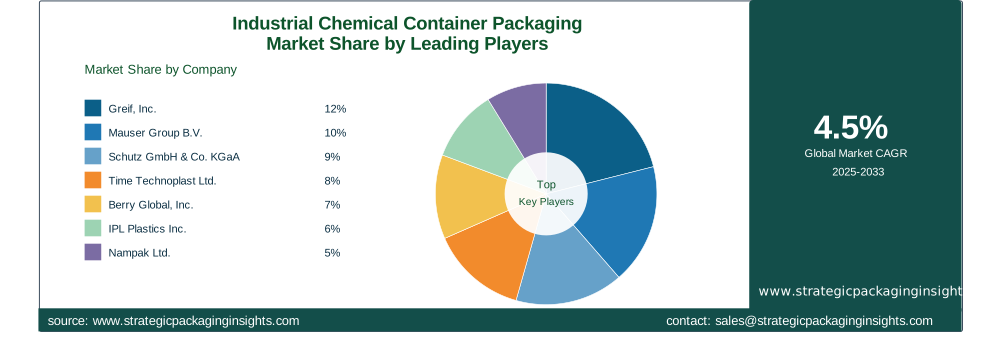
Some of the major companies in the market include Greif, Inc., Mauser Group B.V., Schutz GmbH & Co. KGaA, and Time Technoplast Ltd. Greif, Inc. is a leading player in the market, known for its extensive range of industrial packaging solutions, including drums, IBCs, and jerry cans. The company has a strong global presence, with operations in over 40 countries, and is committed to sustainability and innovation in packaging.
Mauser Group B.V. is another key player, offering a wide range of packaging solutions for the chemical industry. The company is known for its focus on sustainability and innovation, with a strong emphasis on developing eco-friendly packaging materials. Mauser Group has a global presence, with manufacturing facilities in Europe, North America, and Asia, and is committed to providing high-quality packaging solutions to its customers.
Schutz GmbH & Co. KGaA is a leading manufacturer of industrial packaging solutions, with a strong focus on innovation and sustainability. The company offers a wide range of products, including IBCs, drums, and jerry cans, and has a strong global presence, with operations in over 20 countries. Schutz is committed to providing high-quality packaging solutions that meet the evolving needs of the chemical industry.
Time Technoplast Ltd. is a prominent player in the market, known for its innovative and sustainable packaging solutions. The company offers a wide range of products, including drums, IBCs, and jerry cans, and has a strong presence in Asia, the Middle East, and Africa. Time Technoplast is committed to providing high-quality packaging solutions that meet the needs of its customers and is focused on expanding its presence in emerging markets.
Key Highlights
- The industrial chemical container packaging market is projected to grow at a CAGR of 4.5% from 2025 to 2033.
- Increasing demand for safe and efficient transportation of chemicals is driving market growth.
- Stringent regulations regarding the safe handling and transportation of hazardous materials are boosting demand for compliant packaging solutions.
- Advancements in packaging materials and technologies are enhancing the durability and safety of chemical containers.
- The growing emphasis on sustainability is driving demand for eco-friendly packaging solutions.
- Emerging markets in Asia Pacific and Latin America offer significant growth opportunities for packaging manufacturers.
- Fluctuating raw material prices and stringent regulatory requirements pose challenges to market growth.
Top Countries Insights
In the industrial chemical container packaging market, the United States holds a significant share, with a market size of $3.2 billion and a CAGR of 5%. The country's well-established chemical industry and stringent regulations regarding chemical transportation drive the demand for high-quality packaging solutions. Additionally, the focus on sustainability and innovation in packaging materials further boosts market growth.
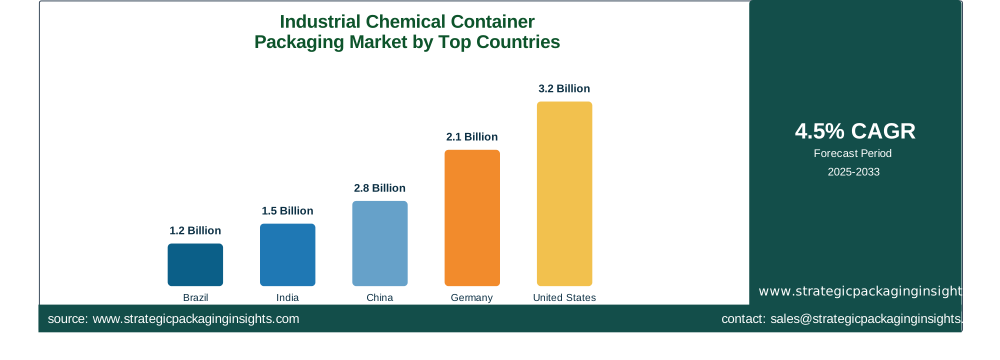
Germany is another key player in the market, with a market size of $2.1 billion and a CAGR of 4%. The country's strong manufacturing base and emphasis on sustainability drive the demand for eco-friendly packaging solutions. Germany's stringent regulations regarding chemical transportation also contribute to the growth of the market.
China is a rapidly growing market, with a market size of $2.8 billion and a CAGR of 6%. The country's expanding chemical industry and increasing demand for safe and efficient transportation of chemicals drive the market. Additionally, the focus on sustainability and innovation in packaging materials further boosts market growth.
India is another emerging market, with a market size of $1.5 billion and a CAGR of 7%. The country's growing chemical industry and increasing demand for safe and efficient transportation of chemicals drive the market. Additionally, the focus on sustainability and innovation in packaging materials further boosts market growth.
Brazil is a significant market in Latin America, with a market size of $1.2 billion and a CAGR of 5%. The country's expanding chemical industry and increasing demand for safe and efficient transportation of chemicals drive the market. Additionally, the focus on sustainability and innovation in packaging materials further boosts market growth.
Industrial Chemical Container Packaging Market Segments Insights

Material Type Analysis
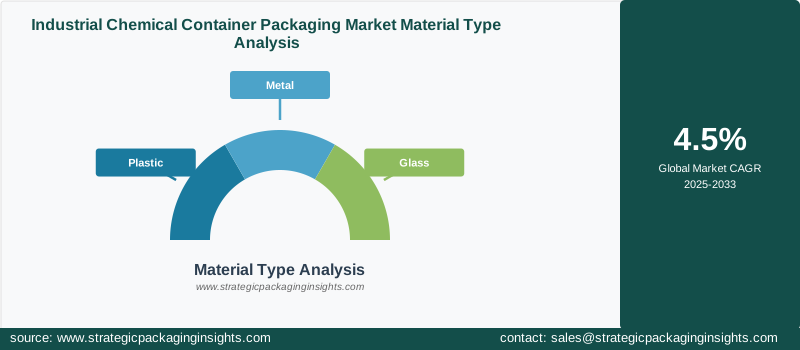
The material type segment in the industrial chemical container packaging market is primarily categorized into plastic, metal, and glass. Plastic containers dominate the market due to their lightweight, durability, and cost-effectiveness. The demand for plastic containers is driven by their versatility and ability to withstand harsh chemical environments. However, the growing environmental concerns and regulatory pressures are pushing manufacturers to develop biodegradable and recyclable plastic solutions. Metal containers, known for their strength and resistance to extreme conditions, are preferred for transporting hazardous chemicals. The demand for metal containers is driven by their ability to provide superior protection against contamination and leakage. Glass containers, although less common, are used for specific chemicals that require high purity and resistance to chemical reactions.
Container Type Analysis
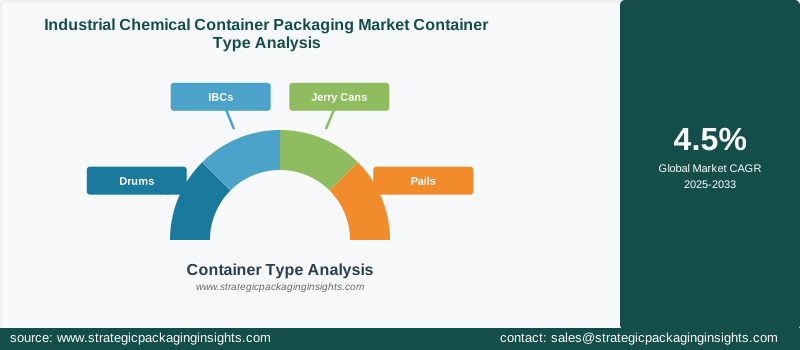
The container type segment includes drums, intermediate bulk containers (IBCs), jerry cans, and pails. Drums are the most widely used containers in the chemical industry due to their large capacity and ability to store a wide range of chemicals. The demand for drums is driven by their cost-effectiveness and ease of handling. IBCs are gaining popularity due to their ability to store and transport large volumes of chemicals efficiently. The demand for IBCs is driven by their reusability and ability to reduce packaging waste. Jerry cans and pails are used for smaller quantities of chemicals and are preferred for their portability and ease of use. The demand for these containers is driven by their versatility and ability to store a wide range of chemicals.
End-User Industry Analysis
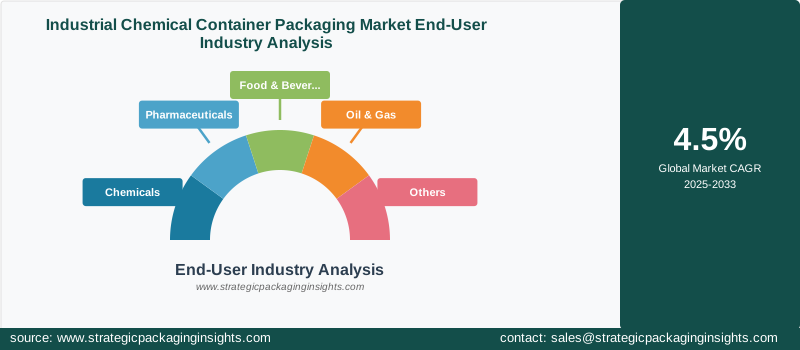
The end-user industry segment includes chemicals, pharmaceuticals, food & beverages, oil & gas, and others. The chemical industry is the largest end-user of industrial chemical container packaging, driven by the increasing demand for safe and efficient transportation of chemicals. The pharmaceutical industry is also a significant end-user, with stringent regulations regarding the transportation of pharmaceutical chemicals driving the demand for high-quality packaging solutions. The food & beverage industry uses chemical containers for storing and transporting food-grade chemicals, with a focus on safety and compliance. The oil & gas industry requires robust and durable packaging solutions for transporting hazardous chemicals, driving the demand for metal and high-strength plastic containers.
Region Analysis
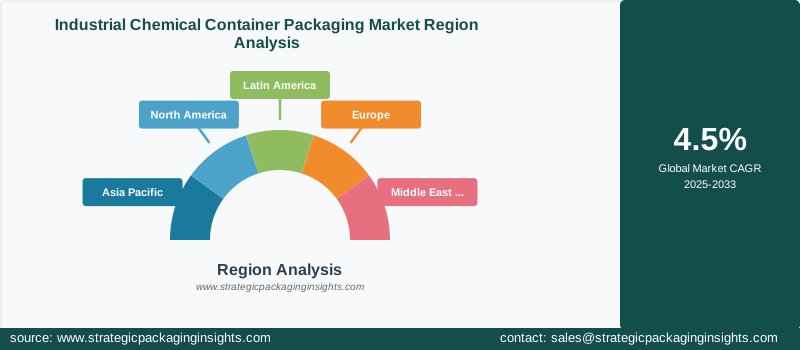
The industrial chemical container packaging market is segmented into Asia Pacific, North America, Latin America, Europe, and Middle East & Africa. Asia Pacific is the largest market, driven by the rapid industrialization and urbanization in countries like China and India. The demand for chemical containers in this region is driven by the expanding chemical industry and increasing focus on sustainability. North America is a significant market, with a strong emphasis on innovation and compliance with stringent regulations driving the demand for high-quality packaging solutions. Europe is another key market, with a focus on sustainability and eco-friendly packaging solutions driving market growth. Latin America and Middle East & Africa are emerging markets, with increasing industrialization and demand for safe and efficient transportation of chemicals driving market growth.
Industrial Chemical Container Packaging Market Segments
The Industrial Chemical Container Packaging market has been segmented on the basis ofMaterial Type
- Plastic
- Metal
- Glass
Container Type
- Drums
- IBCs
- Jerry Cans
- Pails
End-User Industry
- Chemicals
- Pharmaceuticals
- Food & Beverages
- Oil & Gas
- Others
Region
- Asia Pacific
- North America
- Latin America
- Europe
- Middle East & Africa




