


Carbonated Beverage Bottle Packaging Market Outlook
The carbonated beverage bottle packaging market was valued at $38 billion in 2024 and is projected to reach $55 billion by 2033, growing at a CAGR of 4.2% during the forecast period 2025-2033. This market is driven by the increasing global demand for carbonated beverages, which necessitates innovative and sustainable packaging solutions. The rise in consumer preference for convenience and on-the-go consumption has further fueled the demand for efficient packaging solutions. Additionally, the growing awareness regarding environmental sustainability has led to a shift towards recyclable and eco-friendly packaging materials, which is expected to significantly impact market growth. The market is also witnessing technological advancements in packaging designs and materials, enhancing the shelf life and aesthetic appeal of carbonated beverage bottles.
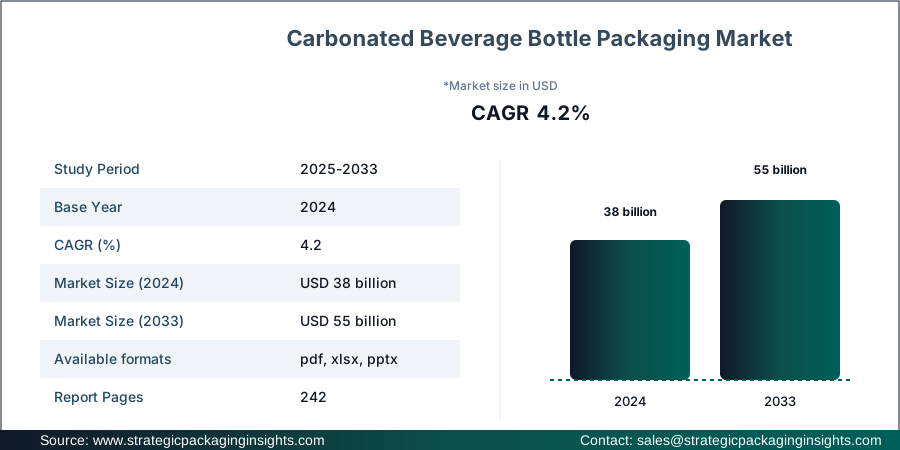
Report Scope
| Attributes | Details |
| Report Title | Carbonated Beverage Bottle Packaging Market Size, Future Growth and Forecast 2033 |
| Material | Plastic, Glass, Metal |
| Capacity | Up to 500ml, 500ml to 1L, Above 1L |
| End-User | Beverage Manufacturers, Retailers, Distributors |
| Region | Asia Pacific, North America, Latin America, Europe, Middle East & Africa |
| Base Year | 2024 |
| Historic Period | 2017-2023 |
| Forecast Period | 2025-2033 |
| Number of Pages | 242 |
| Customization Available | Yes* |
Opportunities & Threats
One of the significant opportunities in the carbonated beverage bottle packaging market is the increasing consumer demand for sustainable packaging solutions. As environmental concerns continue to rise, consumers are becoming more conscious of the ecological impact of packaging materials. This shift in consumer behavior presents a lucrative opportunity for manufacturers to innovate and develop eco-friendly packaging options, such as biodegradable plastics and recyclable materials. Additionally, the growing trend of premiumization in the beverage industry offers opportunities for packaging companies to create aesthetically appealing and functional designs that cater to high-end consumers. The integration of smart packaging technologies, such as QR codes and NFC tags, also presents opportunities for enhancing consumer engagement and brand loyalty.
Another opportunity lies in the expansion of the carbonated beverage market in emerging economies. As disposable incomes rise and urbanization increases, there is a growing demand for carbonated beverages in countries like India, China, and Brazil. This surge in demand provides packaging companies with the chance to expand their operations and tap into new markets. Furthermore, the increasing popularity of online retail channels offers opportunities for packaging companies to develop innovative solutions that cater to the unique requirements of e-commerce, such as lightweight and durable packaging that ensures product safety during transit.
However, the market faces certain threats, including stringent regulations regarding the use of plastic packaging. Governments worldwide are implementing policies to reduce plastic waste, which could impact the production and use of plastic bottles in the carbonated beverage industry. Additionally, the volatility in raw material prices poses a threat to the profitability of packaging companies. Fluctuations in the prices of materials like PET and aluminum can affect production costs and, consequently, the pricing strategies of packaging manufacturers. Moreover, the intense competition in the market, with numerous players vying for market share, presents a challenge for companies to differentiate their products and maintain profitability.
Drivers & Challenges
The primary driver of the carbonated beverage bottle packaging market is the increasing global consumption of carbonated beverages. The growing popularity of ready-to-drink beverages, coupled with the rising trend of on-the-go consumption, has led to a surge in demand for convenient and portable packaging solutions. Additionally, the shift towards healthier beverage options, such as low-calorie and sugar-free carbonated drinks, has further fueled the demand for innovative packaging that preserves the quality and freshness of the product. The advancements in packaging technologies, such as lightweight materials and improved barrier properties, are also driving market growth by enhancing the functionality and sustainability of beverage bottles.
Another significant driver is the increasing focus on sustainability and environmental responsibility. Consumers are becoming more aware of the environmental impact of packaging waste, leading to a growing demand for eco-friendly packaging solutions. This trend has prompted packaging companies to invest in research and development to create sustainable alternatives, such as biodegradable plastics and recyclable materials. The implementation of extended producer responsibility (EPR) regulations in various regions is also driving companies to adopt sustainable practices and reduce their environmental footprint. Furthermore, the rise of digitalization and smart packaging technologies is driving innovation in the market, enabling companies to enhance consumer engagement and improve supply chain efficiency.
Despite the positive drivers, the market faces several challenges, including the high cost of sustainable packaging materials. While there is a growing demand for eco-friendly packaging, the production costs associated with these materials can be significantly higher than traditional options. This cost factor poses a challenge for packaging companies to balance sustainability with affordability. Additionally, the complexity of recycling processes for certain materials, such as multi-layered plastics, presents a challenge for achieving circular economy goals. The market also faces challenges related to consumer perception and acceptance of alternative packaging materials, as some consumers may be hesitant to switch from traditional packaging options.
Market Share Analysis
The carbonated beverage bottle packaging market is characterized by a highly competitive landscape, with numerous players operating at both global and regional levels. The market is dominated by a few key players who hold significant market shares, while several smaller companies compete for niche segments. The competitive environment is driven by factors such as product innovation, pricing strategies, and distribution networks. Companies are increasingly focusing on expanding their product portfolios and enhancing their production capabilities to gain a competitive edge. Strategic partnerships and collaborations are also common in the market, as companies seek to leverage each other's strengths and expand their market presence.
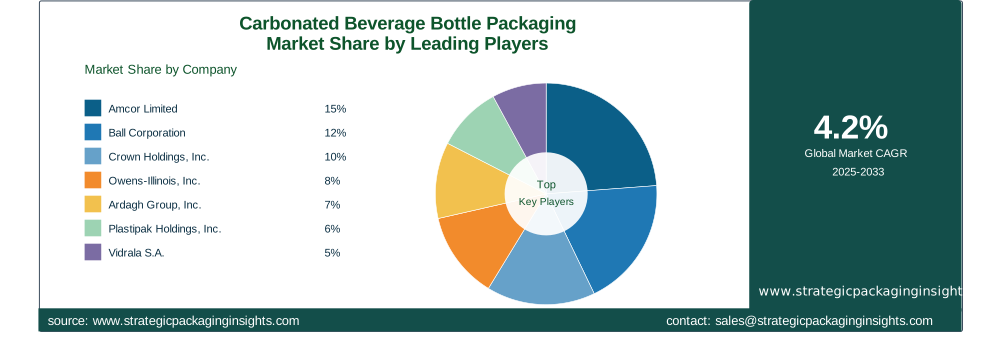
Among the major players in the market, Amcor Limited is a leading company known for its innovative packaging solutions and commitment to sustainability. The company offers a wide range of packaging products, including PET bottles and closures, and has a strong presence in both developed and emerging markets. Another key player, Ball Corporation, is renowned for its expertise in metal packaging and has a significant market share in the carbonated beverage bottle segment. The company's focus on lightweight and recyclable packaging solutions has positioned it as a leader in the industry.
Other notable companies in the market include Crown Holdings, Inc., which specializes in metal packaging and has a strong global presence. The company's focus on innovation and sustainability has enabled it to maintain a competitive position in the market. Additionally, Owens-Illinois, Inc. is a prominent player in the glass packaging segment, offering a wide range of glass bottles for carbonated beverages. The company's emphasis on quality and design has made it a preferred choice for premium beverage brands.
Furthermore, companies like Ardagh Group, Inc. and Plastipak Holdings, Inc. are also significant players in the market, offering a diverse range of packaging solutions for carbonated beverages. These companies are focused on expanding their production capabilities and investing in research and development to meet the evolving demands of consumers and beverage manufacturers. The competitive landscape is further intensified by the presence of regional players who cater to specific markets and offer customized packaging solutions.
Key Highlights
- The carbonated beverage bottle packaging market is projected to grow at a CAGR of 4.2% from 2025 to 2033.
- Increasing consumer demand for sustainable and eco-friendly packaging solutions is driving market growth.
- Technological advancements in packaging materials and designs are enhancing product functionality and appeal.
- The rise of online retail channels is creating opportunities for innovative packaging solutions tailored for e-commerce.
- Stringent regulations on plastic packaging are prompting companies to explore alternative materials.
- Emerging economies present significant growth opportunities due to rising disposable incomes and urbanization.
- Intense competition in the market is driving companies to focus on product differentiation and innovation.
Top Countries Insights
In the carbonated beverage bottle packaging market, the United States holds a significant market share, valued at approximately $10 billion, with a CAGR of 3%. The country's market growth is driven by the high consumption of carbonated beverages and the increasing demand for sustainable packaging solutions. The implementation of extended producer responsibility (EPR) regulations is also encouraging companies to adopt eco-friendly practices.
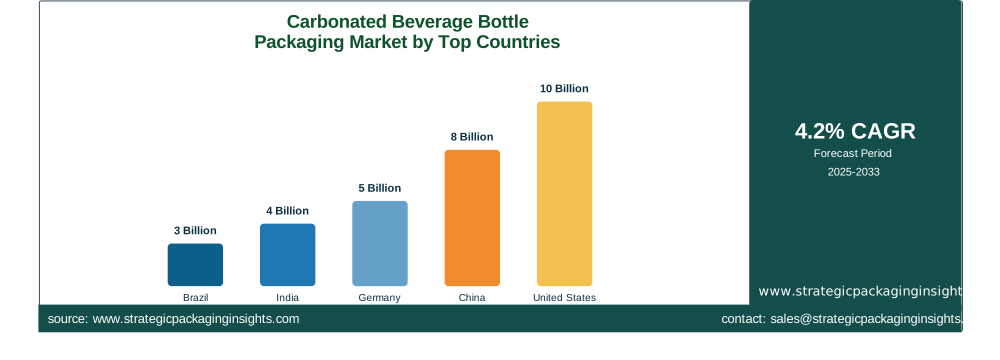
China is another key market, with a market size of $8 billion and a CAGR of 6%. The rapid urbanization and rising disposable incomes in the country are driving the demand for carbonated beverages, subsequently boosting the packaging market. The government's focus on reducing plastic waste and promoting sustainable practices is further influencing market dynamics.
Germany, with a market value of $5 billion and a CAGR of 4%, is a leading market in Europe. The country's strong emphasis on recycling and sustainability is driving the demand for eco-friendly packaging solutions. The presence of major beverage manufacturers and packaging companies also contributes to market growth.
India, with a market size of $4 billion and a CAGR of 7%, is experiencing significant growth due to the increasing popularity of carbonated beverages among the young population. The government's initiatives to promote sustainable packaging and reduce plastic waste are also impacting market trends.
Brazil, with a market value of $3 billion and a CAGR of 5%, is a key market in Latin America. The growing middle-class population and rising consumer spending on beverages are driving market growth. The focus on sustainable packaging solutions is also gaining traction in the country.
Carbonated Beverage Bottle Packaging Market Segments Insights

Material Analysis
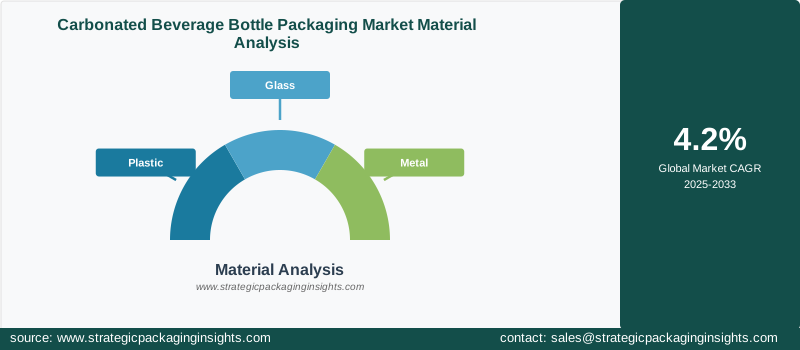
The material segment of the carbonated beverage bottle packaging market is primarily categorized into plastic, glass, and metal. Plastic bottles, particularly those made from PET, dominate the market due to their lightweight, durability, and cost-effectiveness. The demand for plastic bottles is driven by their convenience and the ability to be molded into various shapes and sizes, catering to diverse consumer preferences. However, the increasing environmental concerns regarding plastic waste have led to a growing demand for recyclable and biodegradable plastic alternatives. Glass bottles, known for their premium appeal and recyclability, are gaining popularity among environmentally conscious consumers and premium beverage brands. The metal segment, primarily consisting of aluminum cans, is also witnessing growth due to its recyclability and ability to preserve the quality and taste of beverages.
Capacity Analysis
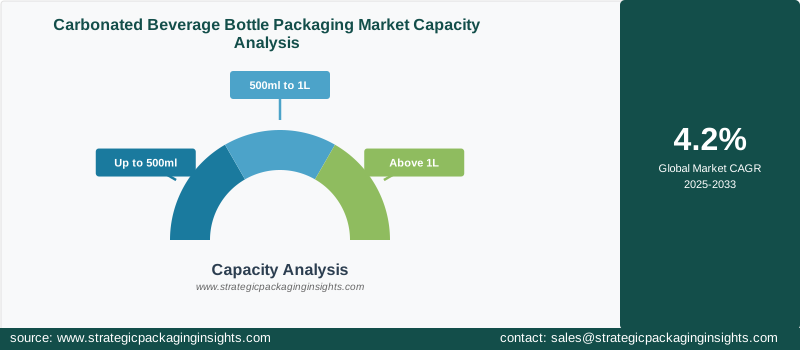
The capacity segment of the market is divided into up to 500ml, 500ml to 1L, and above 1L. The up to 500ml segment holds a significant market share, driven by the increasing demand for single-serve and on-the-go beverage options. The convenience and portability of smaller bottles make them a popular choice among consumers, particularly in urban areas. The 500ml to 1L segment is also experiencing growth, catering to consumers who prefer larger quantities for sharing or extended consumption. The above 1L segment, although smaller in comparison, is gaining traction among family-sized and bulk purchase consumers. The demand for larger bottles is particularly prominent in regions with high household consumption of carbonated beverages.
End-User Analysis
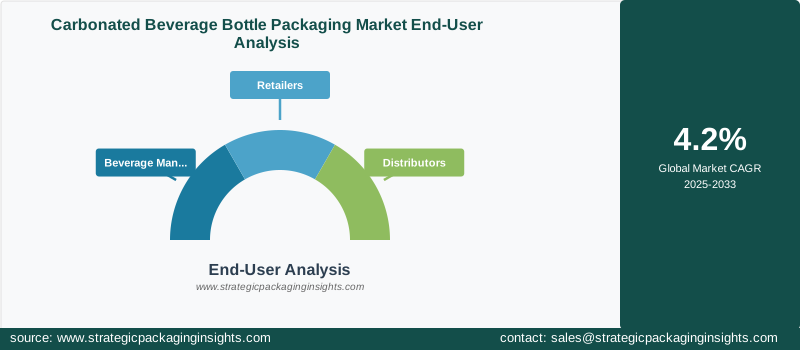
The end-user segment of the carbonated beverage bottle packaging market includes beverage manufacturers, retailers, and distributors. Beverage manufacturers are the primary end-users, driving demand for innovative and sustainable packaging solutions to enhance brand appeal and meet consumer preferences. The focus on product differentiation and premiumization is prompting manufacturers to invest in unique packaging designs and materials. Retailers, particularly those in the e-commerce sector, are also significant end-users, requiring packaging solutions that ensure product safety and appeal during transit. Distributors play a crucial role in the supply chain, influencing packaging requirements based on logistics and storage considerations.
Regional Analysis
The regional analysis of the carbonated beverage bottle packaging market highlights the varying dynamics and growth opportunities across different regions. North America, with its mature beverage market and focus on sustainability, is a key region for packaging innovations. Europe, known for its stringent environmental regulations, is driving demand for eco-friendly packaging solutions. The Asia Pacific region, with its rapidly growing consumer base and increasing urbanization, presents significant growth opportunities for packaging companies. Latin America and the Middle East & Africa, although smaller in market size, are witnessing growth due to rising consumer spending and the expansion of the beverage industry.
Carbonated Beverage Bottle Packaging Market Segments
The Carbonated Beverage Bottle Packaging market has been segmented on the basis ofMaterial
- Plastic
- Glass
- Metal
Capacity
- Up to 500ml
- 500ml to 1L
- Above 1L
End-User
- Beverage Manufacturers
- Retailers
- Distributors
Region
- Asia Pacific
- North America
- Latin America
- Europe
- Middle East & Africa




