


Lightweight Rigid Packaging Market Outlook
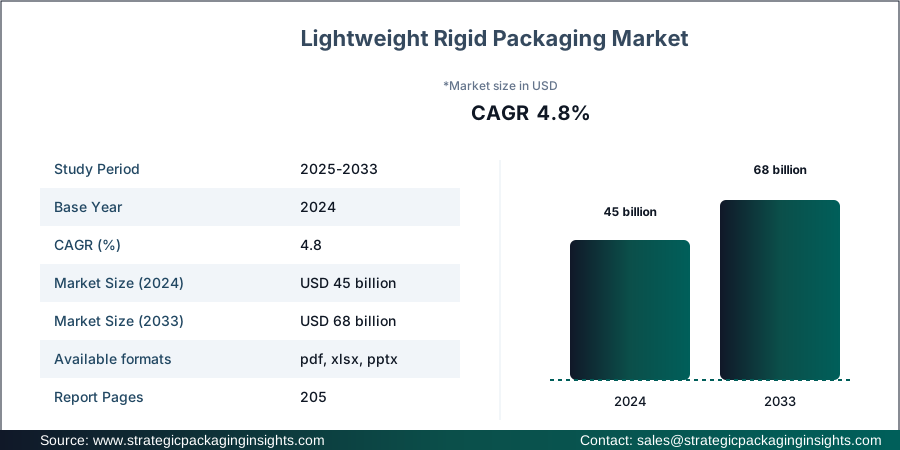
The lightweight rigid packaging market was valued at $45 billion in 2024 and is projected to reach $68 billion by 2033, growing at a CAGR of 4.8% during the forecast period 2025-2033. This market is driven by the increasing demand for sustainable packaging solutions, as consumers and industries alike are becoming more environmentally conscious. The shift towards lightweight materials is not only reducing transportation costs but also minimizing carbon footprints, making it an attractive option for businesses aiming to enhance their sustainability credentials. The food and beverage sector remains a significant contributor to this market, with innovations in packaging design and materials playing a crucial role in maintaining product integrity and extending shelf life.
Report Scope
| Attributes | Details |
| Report Title | Lightweight Rigid Packaging Market Size, Future Growth and Forecast 2033 |
| Material Type | Plastic, Metal, Glass, Paperboard |
| Application | Food & Beverages, Healthcare, Personal Care, Industrial |
| End-User | BFSI, Healthcare, Retail and E-commerce, Media and Entertainment, Manufacturing, IT and Telecommunications |
| Region | Asia Pacific, North America, Europe, Latin America, Middle East & Africa |
| Base Year | 2024 |
| Historic Period | 2017-2023 |
| Forecast Period | 2025-2033 |
| Number of Pages | 205 |
| Customization Available | Yes* |
Opportunities & Threats
Opportunities in the lightweight rigid packaging market are abundant, particularly with the growing emphasis on sustainability and eco-friendly practices. Companies are increasingly investing in research and development to create packaging solutions that are not only lightweight but also recyclable and biodegradable. This trend is further fueled by stringent government regulations and consumer demand for greener products. The rise of e-commerce has also opened new avenues for lightweight packaging, as it reduces shipping costs and enhances the overall customer experience. Additionally, advancements in material science are paving the way for innovative packaging designs that offer superior protection and aesthetic appeal, thereby attracting more consumers.
Another significant opportunity lies in the technological advancements in packaging machinery and processes. Automation and smart packaging technologies are revolutionizing the industry, allowing for more efficient production and reduced waste. Companies that leverage these technologies can achieve significant cost savings and improve their competitive edge. Moreover, the integration of IoT and AI in packaging solutions is enabling real-time tracking and monitoring, which is particularly beneficial for industries like healthcare and food & beverages where product safety and quality are paramount. These innovations are expected to drive the market forward, offering lucrative opportunities for businesses willing to invest in cutting-edge technologies.
However, the market also faces certain threats that could hinder its growth. One of the primary challenges is the volatility in raw material prices, which can significantly impact production costs and profit margins. Additionally, the stringent regulatory landscape, particularly concerning environmental standards, can pose compliance challenges for manufacturers. The competition from alternative packaging solutions, such as flexible packaging, also presents a threat, as these options often offer similar benefits at a lower cost. Companies must navigate these challenges carefully to maintain their market position and capitalize on the growth opportunities available.
Drivers & Challenges
The lightweight rigid packaging market is primarily driven by the increasing consumer preference for sustainable and eco-friendly packaging solutions. As environmental concerns continue to rise, both consumers and businesses are seeking packaging options that minimize environmental impact. This shift is encouraging manufacturers to innovate and develop packaging solutions that are not only lightweight but also recyclable and biodegradable. The growing awareness about the benefits of reducing carbon footprints is further propelling the demand for lightweight rigid packaging, as it offers a viable solution to meet sustainability goals without compromising on quality or functionality.
Another key driver is the rapid growth of the e-commerce sector, which has significantly increased the demand for efficient and cost-effective packaging solutions. Lightweight rigid packaging is particularly well-suited for e-commerce, as it reduces shipping costs and provides adequate protection for products during transit. The rise of online shopping has also led to a surge in demand for packaging that enhances the unboxing experience, prompting companies to invest in innovative designs and materials. Additionally, the increasing focus on product safety and hygiene, especially in the food and healthcare sectors, is driving the adoption of lightweight rigid packaging solutions that offer superior protection and tamper-evidence features.
Despite these drivers, the market faces several challenges that could impede its growth. One of the major challenges is the high cost of raw materials, which can significantly impact production costs and profit margins. The fluctuating prices of materials such as plastics and metals pose a risk to manufacturers, who must find ways to manage costs while maintaining product quality. Additionally, the stringent regulatory landscape, particularly concerning environmental standards, can pose compliance challenges for manufacturers. Companies must navigate these challenges carefully to maintain their market position and capitalize on the growth opportunities available.
Lightweight Rigid Packaging Strategic Outlook
| Trend | Market Driver | Technological/Material Shift | Business Impact |
|---|---|---|---|
| Sustainability | Consumer Demand for Eco-Friendly Products | Biodegradable Materials | Increased Market Share |
| Smart Tech | IoT Integration | Real-Time Tracking | Enhanced Product Safety |
| Consumer Behavior | Rise of E-commerce | Innovative Packaging Designs | Improved Customer Experience |
| Logistics | Cost Reduction | Lightweight Materials | Lower Shipping Costs |
The lightweight rigid packaging market, valued at $45 billion in 2026, is poised for significant growth driven by sustainability trends and technological advancements. The primary disruptor in this niche is the increasing regulatory pressure for eco-friendly packaging solutions, compelling companies to innovate and adapt. Strategic foresight suggests that brands should pivot towards integrating smart technologies and sustainable materials to maintain market share by 2033. Embracing biodegradable materials and IoT-enabled packaging will not only meet regulatory requirements but also enhance consumer engagement and loyalty.
Market Share Analysis
The competitive landscape of the lightweight rigid packaging market is characterized by the presence of several key players who are actively engaged in product innovation and strategic partnerships to strengthen their market position. The market is highly fragmented, with companies focusing on expanding their product portfolios and enhancing their production capabilities to meet the growing demand for sustainable packaging solutions. The increasing emphasis on sustainability and eco-friendly practices has prompted companies to invest in research and development to create innovative packaging solutions that cater to the evolving needs of consumers and industries alike.
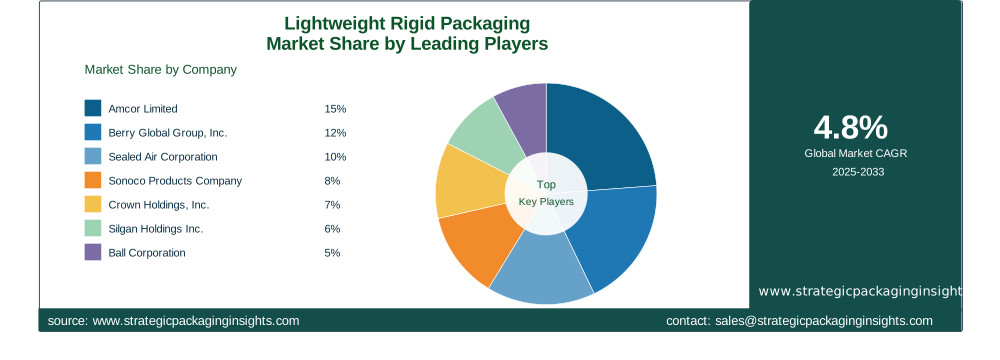
Among the major players in the market, Amcor Limited holds a significant share, leveraging its extensive product portfolio and strong distribution network to maintain its competitive edge. The company is known for its commitment to sustainability, with a focus on developing packaging solutions that are recyclable and environmentally friendly. Similarly, Berry Global Group, Inc. is another key player, renowned for its innovative packaging designs and advanced manufacturing capabilities. The company's strategic acquisitions and partnerships have further strengthened its market position, enabling it to cater to a diverse range of industries.
Sealed Air Corporation is also a prominent player in the lightweight rigid packaging market, known for its expertise in protective packaging solutions. The company's focus on sustainability and innovation has enabled it to develop packaging solutions that offer superior protection and reduce environmental impact. Another notable player is Sonoco Products Company, which has a strong presence in the market, thanks to its diverse product offerings and commitment to sustainability. The company's focus on developing packaging solutions that enhance product safety and extend shelf life has made it a preferred choice for many industries.
Other significant players in the market include Crown Holdings, Inc., known for its metal packaging solutions, and Silgan Holdings Inc., which specializes in plastic and metal packaging. These companies are continuously investing in research and development to create innovative packaging solutions that meet the evolving needs of consumers and industries. The competitive landscape is further enriched by the presence of regional players who are actively engaged in expanding their product portfolios and enhancing their production capabilities to cater to the growing demand for lightweight rigid packaging solutions.
Key Highlights
- The lightweight rigid packaging market is projected to grow at a CAGR of 4.8% from 2025 to 2033.
- Increasing demand for sustainable and eco-friendly packaging solutions is driving market growth.
- The food and beverage sector remains a significant contributor to the market.
- Technological advancements in packaging machinery are revolutionizing the industry.
- Integration of IoT and AI in packaging solutions is enhancing product safety and quality.
- Volatility in raw material prices poses a challenge to market growth.
- Stringent regulatory landscape requires compliance with environmental standards.
Top Countries Insights
In the lightweight rigid packaging market, the United States stands out with a market size of $12 billion and a CAGR of 5%. The country's growth is driven by the increasing demand for sustainable packaging solutions and the rise of e-commerce, which has significantly boosted the need for efficient and cost-effective packaging. The regulatory landscape in the U.S. also supports the adoption of eco-friendly packaging, with stringent standards encouraging companies to innovate and develop sustainable solutions.
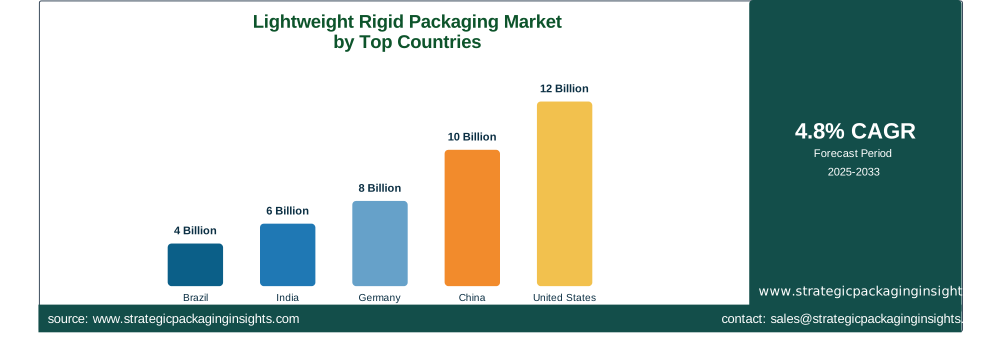
China, with a market size of $10 billion and a CAGR of 6%, is another key player in the lightweight rigid packaging market. The country's rapid industrialization and urbanization have led to a surge in demand for packaging solutions that are both efficient and environmentally friendly. Government initiatives promoting sustainability and the growing awareness among consumers about the benefits of eco-friendly packaging are further driving market growth in China.
Germany, with a market size of $8 billion and a CAGR of 4%, is a significant contributor to the European lightweight rigid packaging market. The country's strong focus on sustainability and innovation has led to the development of advanced packaging solutions that cater to the evolving needs of consumers and industries. The regulatory framework in Germany also supports the adoption of eco-friendly packaging, with stringent standards encouraging companies to invest in sustainable solutions.
India, with a market size of $6 billion and a CAGR of 7%, is emerging as a key player in the lightweight rigid packaging market. The country's growing middle class and increasing consumer awareness about the benefits of sustainable packaging are driving demand. Government initiatives promoting sustainability and the rise of e-commerce are also contributing to market growth in India.
Brazil, with a market size of $4 billion and a CAGR of 5%, is a significant player in the Latin American lightweight rigid packaging market. The country's focus on sustainability and the growing demand for eco-friendly packaging solutions are driving market growth. The rise of e-commerce and the increasing awareness among consumers about the benefits of sustainable packaging are further contributing to the market's expansion in Brazil.
Lightweight Rigid Packaging Market Segments Insights

Material Type Analysis
The material type segment in the lightweight rigid packaging market is dominated by plastic, which offers versatility and cost-effectiveness. Plastic packaging solutions are widely used across various industries due to their lightweight nature and ability to be molded into different shapes and sizes. However, the increasing environmental concerns and regulatory pressures are driving the demand for alternative materials such as biodegradable plastics and paperboard. These materials offer similar benefits while being more environmentally friendly, making them an attractive option for companies looking to enhance their sustainability credentials.
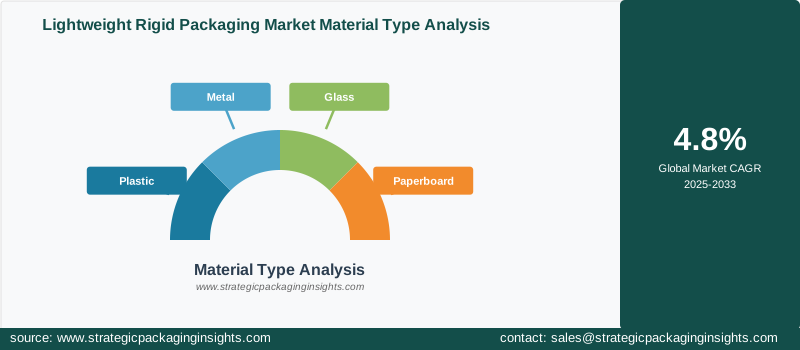
Metal packaging is another significant segment, known for its durability and ability to protect products from external factors. The demand for metal packaging is particularly high in the food and beverage industry, where product safety and shelf life are paramount. Glass packaging, although less common, is preferred for its premium appeal and recyclability. The growing consumer preference for eco-friendly packaging solutions is driving the demand for glass packaging, particularly in the personal care and beverage sectors. Paperboard, on the other hand, is gaining traction due to its biodegradability and ability to be easily customized, making it a popular choice for brands looking to enhance their sustainability image.
Application Analysis
The application segment of the lightweight rigid packaging market is led by the food and beverage industry, which accounts for a significant share of the market. The demand for packaging solutions that offer superior protection and extend shelf life is driving the adoption of lightweight rigid packaging in this sector. The rise of e-commerce and the increasing consumer preference for convenience foods are further contributing to the demand for innovative packaging solutions that enhance the overall consumer experience.
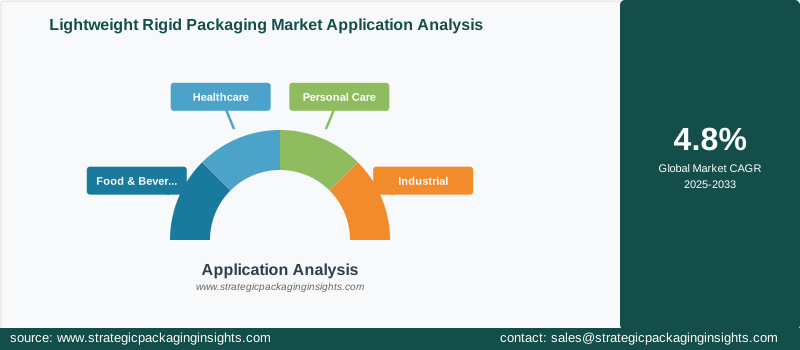
The healthcare sector is another major application area, where the focus is on product safety and hygiene. Lightweight rigid packaging solutions that offer tamper-evidence features and superior protection are in high demand in this sector. The personal care industry is also witnessing a surge in demand for lightweight rigid packaging, driven by the growing consumer preference for eco-friendly and aesthetically appealing packaging solutions. The industrial sector, although smaller in comparison, is also contributing to market growth, with the demand for durable and cost-effective packaging solutions that can withstand harsh conditions.
End-User Analysis
The end-user segment of the lightweight rigid packaging market is diverse, with the BFSI sector leading the way. The demand for secure and tamper-evident packaging solutions is driving the adoption of lightweight rigid packaging in this sector. The healthcare industry is another major end-user, where the focus is on product safety and hygiene. The increasing demand for packaging solutions that offer superior protection and extend shelf life is driving the adoption of lightweight rigid packaging in this sector.
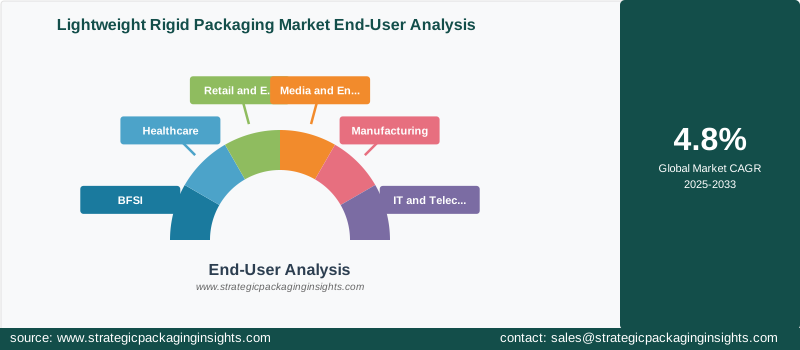
The retail and e-commerce sector is also witnessing a surge in demand for lightweight rigid packaging, driven by the rise of online shopping and the increasing consumer preference for convenience. The media and entertainment industry, although smaller in comparison, is also contributing to market growth, with the demand for innovative packaging solutions that enhance the overall consumer experience. The manufacturing and IT and telecommunications sectors, although smaller in comparison, are also contributing to market growth, with the demand for durable and cost-effective packaging solutions that can withstand harsh conditions.
Region Analysis
The regional analysis of the lightweight rigid packaging market reveals that Asia Pacific is the largest market, driven by the rapid industrialization and urbanization in countries like China and India. The increasing demand for sustainable packaging solutions and the rise of e-commerce are further contributing to market growth in this region. North America is another significant market, with the United States leading the way. The focus on sustainability and the growing demand for eco-friendly packaging solutions are driving market growth in this region.
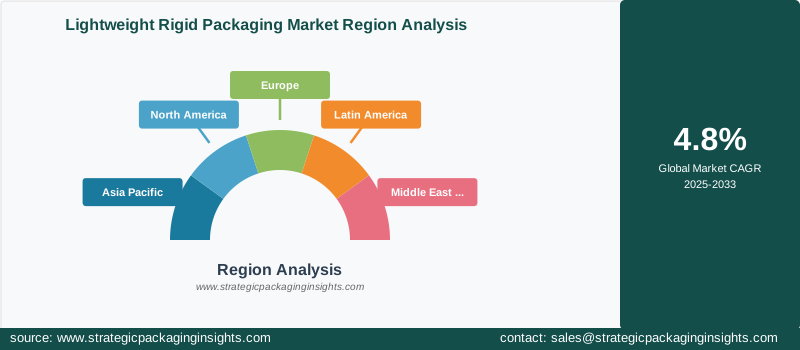
Europe is also a major market, with countries like Germany and the United Kingdom leading the way. The strong focus on sustainability and innovation in this region is driving the demand for advanced packaging solutions that cater to the evolving needs of consumers and industries. Latin America and the Middle East & Africa, although smaller in comparison, are also contributing to market growth, with the increasing demand for sustainable packaging solutions and the rise of e-commerce driving market growth in these regions.
Lightweight Rigid Packaging Market Segments
The Lightweight Rigid Packaging market has been segmented on the basis ofMaterial Type
- Plastic
- Metal
- Glass
- Paperboard
Application
- Food & Beverages
- Healthcare
- Personal Care
- Industrial
End-User
- BFSI
- Healthcare
- Retail and E-commerce
- Media and Entertainment
- Manufacturing
- IT and Telecommunications
Region
- Asia Pacific
- North America
- Europe
- Latin America
- Middle East & Africa




