


Cosmetic Packaging Market Outlook
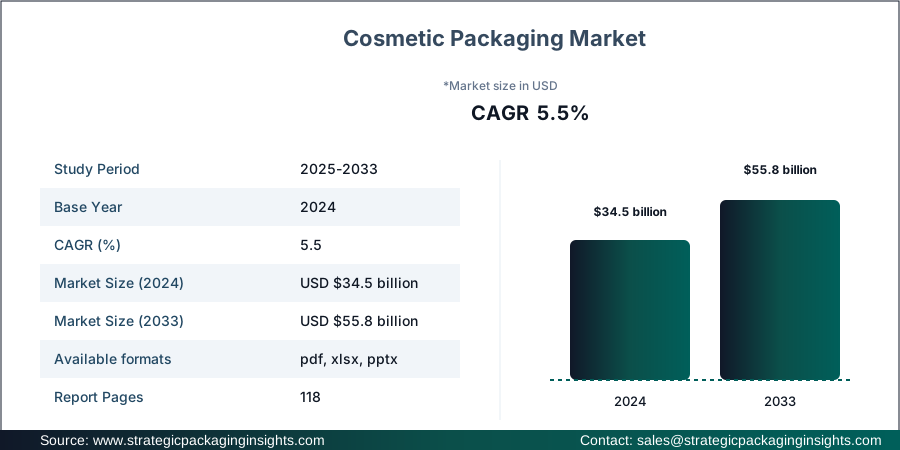
The cosmetic packaging market was valued at $34.5 billion in 2024 and is projected to reach $55.8 billion by 2033, growing at a CAGR of 5.5% during the forecast period 2025-2033. This growth trajectory is driven by the increasing demand for innovative and sustainable packaging solutions in the beauty industry. As consumers become more environmentally conscious, the demand for eco-friendly packaging materials such as biodegradable plastics and recycled paper is on the rise. Additionally, the growing popularity of premium and luxury cosmetics is fueling the need for aesthetically appealing and functional packaging designs. The market is also witnessing a surge in demand for travel-sized and sample packaging, catering to the on-the-go lifestyle of modern consumers. Furthermore, advancements in packaging technologies, such as airless packaging and smart packaging, are enhancing product shelf life and consumer engagement, thereby boosting market growth.
Report Scope
| Attributes | Details |
| Report Title | Cosmetic Packaging Market Size, Future Growth and Forecast 2033 |
| Material | Plastic, Glass, Metal, Paper |
| Application | Skincare, Haircare, Makeup, Fragrances |
| Packaging Type | Bottles, Jars, Tubes, Pumps & Dispensers |
| Region | Asia Pacific, North America, Latin America, Europe, Middle East & Africa |
| Base Year | 2024 |
| Historic Period | 2017-2023 |
| Forecast Period | 2025-2033 |
| Number of Pages | 118 |
| Customization Available | Yes* |
Opportunities & Threats
The cosmetic packaging market presents significant opportunities for growth, particularly in the realm of sustainable packaging solutions. With increasing consumer awareness about environmental issues, there is a growing demand for packaging materials that are recyclable, biodegradable, and made from renewable resources. Companies that invest in developing eco-friendly packaging solutions are likely to gain a competitive edge in the market. Additionally, the rise of e-commerce and online retailing offers opportunities for innovative packaging designs that enhance the unboxing experience and protect products during transit. The trend towards personalization and customization in cosmetics also opens up avenues for packaging innovations that cater to individual consumer preferences.
Another opportunity lies in the integration of smart technologies into cosmetic packaging. Smart packaging solutions, such as QR codes and NFC tags, can provide consumers with additional product information, usage instructions, and promotional offers, enhancing the overall consumer experience. These technologies also enable brands to track and monitor product usage, gather consumer insights, and improve supply chain efficiency. As the Internet of Things (IoT) continues to evolve, the potential for smart packaging in the cosmetic industry is vast, offering brands new ways to engage with consumers and differentiate their products in a crowded market.
However, the cosmetic packaging market also faces certain threats that could hinder its growth. One of the primary challenges is the stringent regulations and standards imposed by governments and regulatory bodies regarding packaging materials and waste management. Compliance with these regulations can increase production costs and limit the use of certain materials, posing a challenge for manufacturers. Additionally, the volatility in raw material prices, particularly for plastics and metals, can impact profit margins and pricing strategies. The competitive nature of the market, with numerous players vying for market share, also poses a threat to smaller companies that may struggle to compete with larger, established brands.
Drivers & Challenges
The cosmetic packaging market is driven by several key factors, including the growing demand for premium and luxury cosmetics. As consumers increasingly seek high-quality and aesthetically pleasing products, the demand for sophisticated and innovative packaging solutions is on the rise. This trend is particularly evident in the skincare and makeup segments, where packaging plays a crucial role in brand differentiation and consumer perception. Additionally, the rise of social media and influencer marketing has amplified the importance of visually appealing packaging, as consumers are more likely to share and promote products with attractive packaging on social platforms.
Another significant driver of the cosmetic packaging market is the increasing focus on sustainability and environmental responsibility. As consumers become more conscious of their environmental impact, there is a growing demand for packaging solutions that are eco-friendly and sustainable. This has led to the development of packaging materials made from recycled and biodegradable materials, as well as innovations in packaging design that reduce material usage and waste. Brands that prioritize sustainability in their packaging strategies are likely to resonate with environmentally conscious consumers and gain a competitive advantage in the market.
Despite these drivers, the cosmetic packaging market faces several challenges that could impact its growth. One of the primary challenges is the high cost of developing and implementing sustainable packaging solutions. While there is a growing demand for eco-friendly packaging, the cost of sourcing and producing sustainable materials can be prohibitive for some companies. Additionally, the complexity of designing packaging that is both functional and sustainable can pose a challenge for manufacturers. The need to balance aesthetics, functionality, and sustainability in packaging design requires significant investment in research and development, which may not be feasible for all companies.
Market Share Analysis
The cosmetic packaging market is characterized by a highly competitive landscape, with numerous players vying for market share. The market is dominated by a mix of large multinational corporations and smaller, specialized companies, each offering a diverse range of packaging solutions. The competitive nature of the market is driven by the constant demand for innovation and differentiation, as brands seek to capture consumer attention and loyalty through unique and appealing packaging designs. Companies that can effectively balance aesthetics, functionality, and sustainability in their packaging solutions are likely to gain a competitive edge in the market.
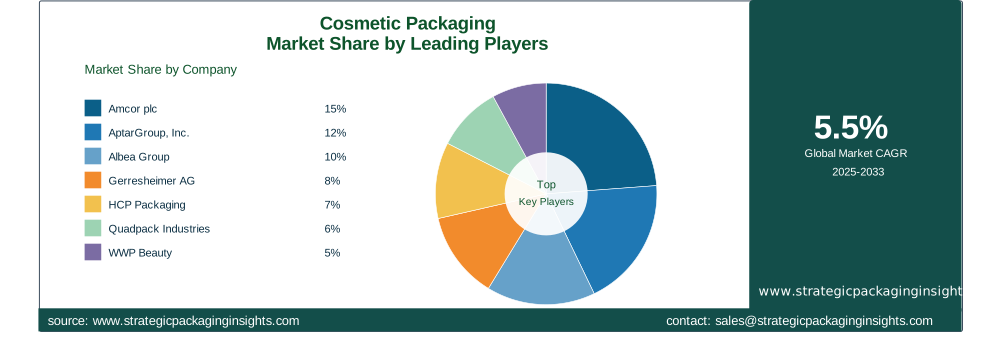
Among the major players in the cosmetic packaging market are Amcor plc, AptarGroup, Inc., and Albea Group, each holding a significant share of the market. Amcor plc is known for its innovative and sustainable packaging solutions, offering a wide range of products for the beauty and personal care industry. The company's focus on sustainability and its commitment to reducing environmental impact have positioned it as a leader in the market. AptarGroup, Inc. is another key player, specializing in dispensing systems and packaging solutions for the beauty industry. The company's emphasis on innovation and consumer-centric design has helped it maintain a strong market presence.
Albea Group is a leading provider of packaging solutions for the beauty and personal care industry, offering a comprehensive range of products, including tubes, pumps, and dispensers. The company's global presence and extensive product portfolio have enabled it to capture a significant share of the market. Other notable players in the market include Gerresheimer AG, HCP Packaging, and Quadpack Industries, each offering unique packaging solutions tailored to the needs of the beauty industry. These companies are known for their focus on innovation, quality, and sustainability, which have helped them maintain a competitive edge in the market.
In addition to these major players, the cosmetic packaging market also includes several smaller companies that specialize in niche segments or offer unique packaging solutions. These companies often focus on specific materials, such as glass or metal, or target particular applications, such as luxury cosmetics or travel-sized products. The presence of these specialized players adds to the competitive dynamics of the market, as they often bring innovative and differentiated products to the table. Overall, the cosmetic packaging market is characterized by a diverse and dynamic competitive landscape, with companies constantly striving to innovate and differentiate their offerings to capture consumer attention and market share.
Key Highlights
- The cosmetic packaging market is projected to grow at a CAGR of 5.5% from 2025 to 2033.
- Increasing demand for sustainable and eco-friendly packaging solutions is driving market growth.
- Advancements in smart packaging technologies are enhancing consumer engagement and product differentiation.
- The rise of e-commerce and online retailing is creating opportunities for innovative packaging designs.
- Stringent regulations and standards regarding packaging materials pose a challenge for manufacturers.
- The competitive landscape is characterized by a mix of large multinational corporations and smaller specialized companies.
- Companies that prioritize sustainability and innovation in their packaging strategies are likely to gain a competitive edge.
Top Countries Insights
In the cosmetic packaging market, the United States holds a significant share, with a market size of approximately $8.5 billion and a CAGR of 4%. The country's strong demand for premium and luxury cosmetics, coupled with a focus on sustainability, drives the market. The presence of major cosmetic brands and a well-established retail infrastructure further contribute to market growth. However, regulatory challenges related to packaging waste and recycling remain a concern for manufacturers.
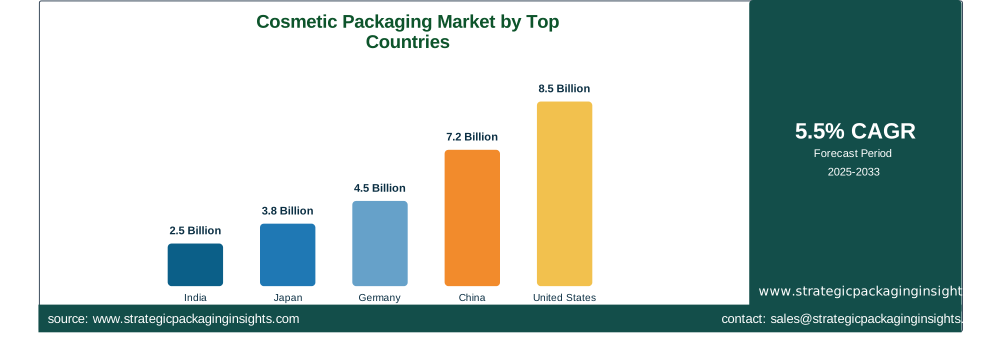
China is another key player in the cosmetic packaging market, with a market size of around $7.2 billion and a CAGR of 6%. The country's growing middle class and increasing consumer spending on beauty products drive demand for innovative and aesthetically appealing packaging solutions. Additionally, the rise of e-commerce and online retailing in China presents opportunities for packaging innovations that enhance the unboxing experience and protect products during transit.
Germany, with a market size of approximately $4.5 billion and a CAGR of 5%, is a leading market for cosmetic packaging in Europe. The country's strong focus on sustainability and environmental responsibility drives demand for eco-friendly packaging solutions. Additionally, the presence of major cosmetic brands and a well-established manufacturing infrastructure contribute to market growth. However, stringent regulations regarding packaging materials and waste management pose challenges for manufacturers.
In Japan, the cosmetic packaging market is valued at around $3.8 billion, with a CAGR of 3%. The country's aging population and increasing demand for anti-aging and skincare products drive the market. Additionally, the focus on quality and innovation in packaging design is a key driver of market growth. However, the high cost of developing and implementing sustainable packaging solutions remains a challenge for manufacturers.
India, with a market size of approximately $2.5 billion and a CAGR of 7%, is an emerging market for cosmetic packaging. The country's growing middle class and increasing consumer spending on beauty products drive demand for innovative and affordable packaging solutions. Additionally, the rise of e-commerce and online retailing presents opportunities for packaging innovations that cater to the needs of the modern consumer. However, regulatory challenges related to packaging waste and recycling remain a concern for manufacturers.
Cosmetic Packaging Market Segments Insights

Material Analysis
The material segment of the cosmetic packaging market is dominated by plastic, which is widely used due to its versatility, durability, and cost-effectiveness. Plastic packaging solutions, such as bottles, jars, and tubes, are popular choices for a wide range of cosmetic products, including skincare, haircare, and makeup. However, the growing environmental concerns and regulatory pressures are driving the demand for sustainable alternatives, such as biodegradable plastics and recycled materials. Companies are increasingly investing in research and development to create eco-friendly plastic packaging solutions that meet consumer expectations and regulatory requirements.
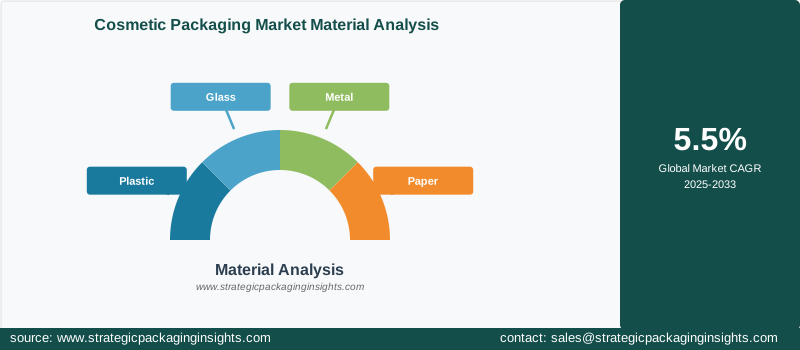
Glass is another significant material used in cosmetic packaging, particularly for premium and luxury products. Glass packaging is favored for its aesthetic appeal, recyclability, and ability to preserve product integrity. The demand for glass packaging is driven by the growing popularity of high-end cosmetics and fragrances, where packaging plays a crucial role in brand differentiation and consumer perception. However, the high cost and fragility of glass packaging can pose challenges for manufacturers, particularly in terms of transportation and handling.
Application Analysis
The application segment of the cosmetic packaging market is categorized into skincare, haircare, makeup, and fragrances. Skincare is the largest application segment, driven by the increasing demand for anti-aging and skincare products. The packaging for skincare products often requires specialized solutions that protect the product from contamination and degradation, such as airless pumps and dispensers. The growing focus on sustainability is also influencing packaging choices in the skincare segment, with brands opting for eco-friendly materials and designs.
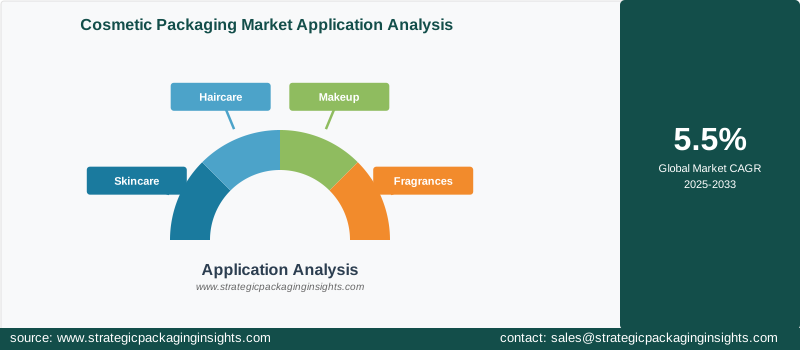
Haircare is another significant application segment, with a wide range of packaging solutions available, including bottles, jars, and tubes. The demand for innovative and functional packaging solutions is driven by the diverse range of haircare products, from shampoos and conditioners to styling products and treatments. The rise of e-commerce and online retailing is also influencing packaging choices in the haircare segment, with brands focusing on designs that enhance the unboxing experience and protect products during transit.
Packaging Type Analysis
The packaging type segment of the cosmetic packaging market includes bottles, jars, tubes, and pumps & dispensers. Bottles are the most commonly used packaging type, favored for their versatility and ability to accommodate a wide range of products. The demand for bottles is driven by the growing popularity of liquid and cream-based cosmetics, such as foundations, serums, and lotions. The focus on sustainability is also influencing bottle design, with brands opting for recyclable materials and lightweight designs that reduce material usage and waste.
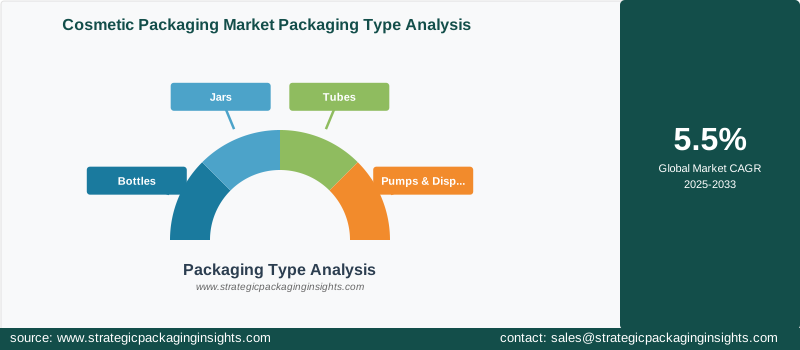
Jars are another popular packaging type, particularly for skincare and haircare products. Jars are favored for their ability to accommodate thicker formulations, such as creams and balms, and their aesthetic appeal. The demand for jars is driven by the growing popularity of premium and luxury cosmetics, where packaging plays a crucial role in brand differentiation and consumer perception. However, the high cost and environmental impact of jar packaging can pose challenges for manufacturers, particularly in terms of sourcing sustainable materials and designs.
Region Analysis
The cosmetic packaging market is segmented into five key regions: Asia Pacific, North America, Latin America, Europe, and Middle East & Africa. Asia Pacific is the largest and fastest-growing region, driven by the increasing demand for cosmetics and personal care products in countries such as China, India, and Japan. The region's growing middle class and increasing consumer spending on beauty products are key drivers of market growth. Additionally, the rise of e-commerce and online retailing in Asia Pacific presents opportunities for packaging innovations that enhance the unboxing experience and protect products during transit.
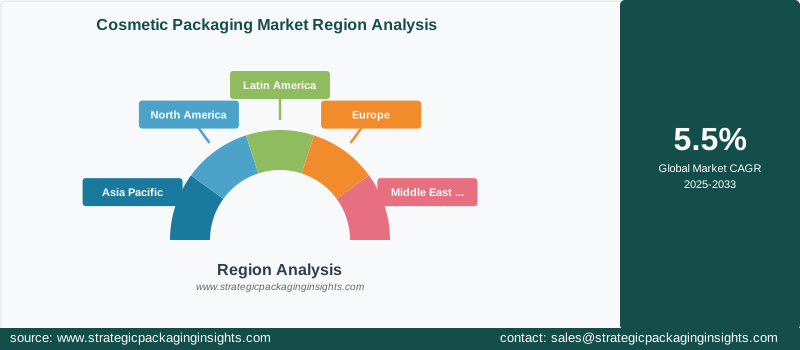
North America is another significant region in the cosmetic packaging market, with a strong demand for premium and luxury cosmetics. The region's focus on sustainability and environmental responsibility is driving demand for eco-friendly packaging solutions. Additionally, the presence of major cosmetic brands and a well-established retail infrastructure contribute to market growth. However, regulatory challenges related to packaging waste and recycling remain a concern for manufacturers in North America.
Cosmetic Packaging Market Segments
The Cosmetic Packaging market has been segmented on the basis ofMaterial
- Plastic
- Glass
- Metal
- Paper
Application
- Skincare
- Haircare
- Makeup
- Fragrances
Packaging Type
- Bottles
- Jars
- Tubes
- Pumps & Dispensers
Region
- Asia Pacific
- North America
- Latin America
- Europe
- Middle East & Africa




