


Water Bottle Packaging Market Outlook
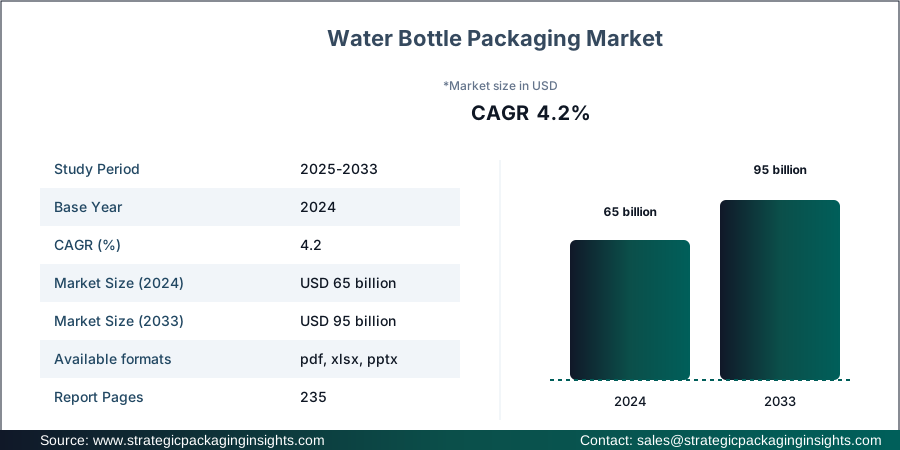
The water bottle packaging market was valued at $65 billion in 2024 and is projected to reach $95 billion by 2033, growing at a CAGR of 4.2% during the forecast period 2025-2033. This growth is driven by increasing consumer demand for bottled water, which is perceived as a healthier alternative to sugary drinks. The market is also benefiting from innovations in packaging materials that enhance sustainability and reduce environmental impact. As consumers become more environmentally conscious, the demand for eco-friendly packaging solutions is expected to rise, further propelling market growth. Additionally, the expansion of the beverage industry, particularly in emerging economies, is contributing to the increased demand for water bottle packaging solutions.
Report Scope
| Attributes | Details |
| Report Title | Water Bottle Packaging Market Size, Future Growth and Forecast 2033 |
| Material | Plastic, Glass, Metal |
| Capacity | Less than 500ml, 500ml to 1L, More than 1L |
| End-User | Beverage, Personal Care, Pharmaceuticals, Others |
| Region | Asia Pacific, North America, Latin America, Europe, Middle East & Africa |
| Base Year | 2024 |
| Historic Period | 2017-2023 |
| Forecast Period | 2025-2033 |
| Number of Pages | 235 |
| Customization Available | Yes* |
Opportunities & Threats
One of the significant opportunities in the water bottle packaging market is the growing consumer preference for sustainable and eco-friendly packaging solutions. With increasing awareness about environmental issues, consumers are demanding packaging that is recyclable, biodegradable, or made from renewable resources. This shift in consumer behavior is encouraging manufacturers to innovate and develop new materials and designs that meet these criteria. Companies that can successfully integrate sustainability into their packaging solutions are likely to gain a competitive edge and capture a larger market share.
Another opportunity lies in the technological advancements in packaging design and manufacturing processes. The adoption of smart packaging technologies, such as QR codes and NFC tags, allows brands to engage with consumers in new ways, providing information about the product's origin, ingredients, and sustainability practices. These technologies not only enhance the consumer experience but also help brands differentiate themselves in a crowded market. Furthermore, advancements in lightweight packaging materials can reduce transportation costs and carbon emissions, aligning with the growing demand for sustainable practices.
However, the market faces challenges from stringent regulations and policies aimed at reducing plastic waste. Governments worldwide are implementing bans and restrictions on single-use plastics, which could impact the demand for traditional plastic water bottles. Companies need to adapt to these regulatory changes by investing in alternative materials and recycling initiatives. Additionally, the high cost of developing and implementing new packaging technologies may pose a barrier for smaller companies, limiting their ability to compete with larger, more established players.
Drivers & Challenges
The primary driver of the water bottle packaging market is the increasing global demand for bottled water, driven by health-conscious consumers seeking convenient and safe hydration options. The rise in urbanization and disposable income levels, particularly in developing regions, is further fueling this demand. Additionally, the growing trend of on-the-go consumption and the proliferation of fitness and wellness activities are contributing to the increased sales of bottled water, thereby boosting the demand for innovative packaging solutions.
Another significant driver is the emphasis on sustainability and environmental responsibility. Consumers are increasingly aware of the environmental impact of plastic waste and are demanding more sustainable packaging options. This has led to a surge in research and development efforts focused on creating biodegradable, recyclable, and reusable packaging materials. Companies that prioritize sustainability in their packaging solutions are likely to attract environmentally conscious consumers and gain a competitive advantage in the market.
Despite these drivers, the market faces challenges such as fluctuating raw material prices and supply chain disruptions. The cost of raw materials, such as plastic resins and metals, can be volatile, impacting the overall cost of production. Additionally, supply chain disruptions, exacerbated by global events such as the COVID-19 pandemic, can lead to delays and increased costs. Companies need to develop robust supply chain strategies and explore alternative materials to mitigate these challenges and ensure a steady supply of packaging materials.
Market Share Analysis
The competitive landscape of the water bottle packaging market is characterized by the presence of several key players who dominate the market with their extensive product portfolios and strong distribution networks. These companies are continuously investing in research and development to innovate and offer sustainable packaging solutions that meet the evolving demands of consumers. The market is highly competitive, with players focusing on strategic partnerships, mergers, and acquisitions to expand their market presence and enhance their product offerings.
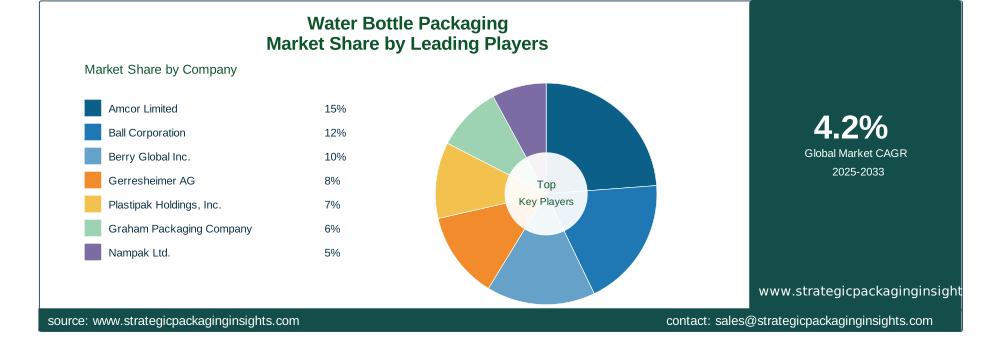
Among the major companies in the market, Amcor Limited holds a significant share due to its comprehensive range of packaging solutions and commitment to sustainability. The company has been at the forefront of developing eco-friendly packaging materials and has a strong presence in both developed and emerging markets. Similarly, Ball Corporation is a key player known for its innovative metal packaging solutions, which are gaining popularity due to their recyclability and durability.
Another prominent player is Berry Global Inc., which offers a wide range of plastic packaging solutions and has been actively investing in sustainable packaging technologies. The company's focus on reducing its environmental footprint and enhancing its product portfolio has helped it maintain a strong market position. Additionally, Gerresheimer AG is a leading provider of glass packaging solutions, catering to the premium segment of the market with its high-quality and aesthetically appealing designs.
Other notable companies in the market include Plastipak Holdings, Inc., known for its advanced PET packaging solutions, and Graham Packaging Company, which specializes in customized plastic packaging solutions. These companies are leveraging their expertise and technological capabilities to develop innovative packaging solutions that meet the diverse needs of consumers and align with sustainability goals.
Key Highlights
- Increasing demand for eco-friendly and sustainable packaging solutions.
- Technological advancements in smart packaging and lightweight materials.
- Stringent regulations on single-use plastics driving innovation in alternative materials.
- Growing consumer preference for convenient and on-the-go hydration options.
- Expansion of the beverage industry in emerging economies boosting market growth.
- Fluctuating raw material prices impacting production costs.
- Strategic partnerships and acquisitions shaping the competitive landscape.
Top Countries Insights
In the United States, the water bottle packaging market is valued at approximately $15 billion, with a CAGR of 3%. The market is driven by the high consumption of bottled water and the increasing demand for sustainable packaging solutions. The implementation of Extended Producer Responsibility (EPR) regulations is encouraging companies to adopt eco-friendly practices and invest in recycling initiatives.
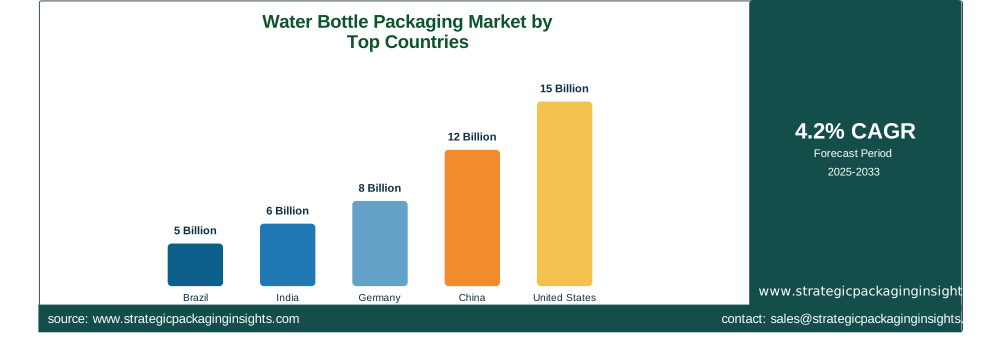
China's market is experiencing rapid growth, with a market size of $12 billion and a CAGR of 7%. The rising urban population and increasing disposable income levels are driving the demand for bottled water. The government's focus on reducing plastic waste and promoting sustainable packaging is further propelling market growth.
In Germany, the market is valued at $8 billion, with a CAGR of 4%. The country's strong emphasis on sustainability and recycling is driving the demand for eco-friendly packaging solutions. The implementation of strict regulations on plastic waste is encouraging companies to innovate and develop alternative materials.
India's market is valued at $6 billion, with a CAGR of 9%. The growing middle-class population and increasing health consciousness are driving the demand for bottled water. The government's initiatives to promote sustainable packaging and reduce plastic waste are supporting market growth.
In Brazil, the market is valued at $5 billion, with a CAGR of 5%. The increasing demand for convenient and portable hydration options is driving the market. The focus on sustainability and the adoption of eco-friendly packaging solutions are key growth drivers in the region.
Water Bottle Packaging Market Segments Insights

Material Analysis
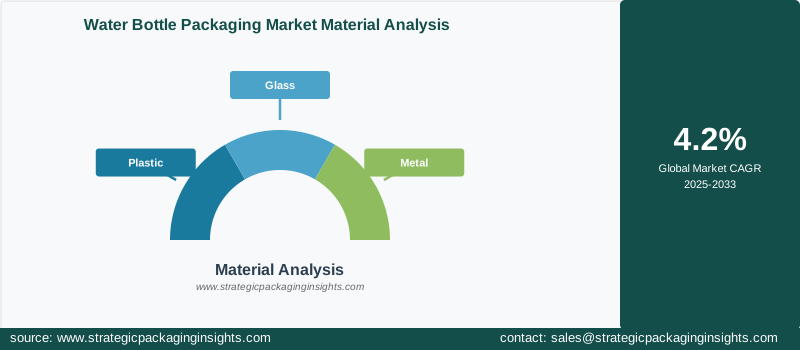
The material segment of the water bottle packaging market is dominated by plastic, which accounts for the largest share due to its lightweight, durability, and cost-effectiveness. However, the growing environmental concerns and regulatory pressures are driving the shift towards alternative materials such as glass and metal. Glass packaging is gaining popularity in the premium segment due to its aesthetic appeal and recyclability. Metal packaging, particularly aluminum, is also witnessing increased demand due to its sustainability and ability to preserve the quality of the contents.
Plastic packaging is undergoing significant transformation with the introduction of biodegradable and recyclable materials. Companies are investing in research and development to create innovative plastic solutions that meet sustainability goals. The demand for PET bottles, which are easily recyclable, is on the rise, driven by consumer preference for eco-friendly options. The development of bio-based plastics is also gaining traction, offering a renewable alternative to traditional petroleum-based plastics.
Capacity Analysis
The capacity segment of the water bottle packaging market is categorized into less than 500ml, 500ml to 1L, and more than 1L. The 500ml to 1L segment holds the largest share, driven by the high demand for convenient and portable hydration options. This segment is popular among consumers who prefer on-the-go consumption and is widely used in the beverage industry. The less than 500ml segment is also witnessing growth, particularly in the personal care and pharmaceutical industries, where smaller packaging sizes are preferred for ease of use and portability.
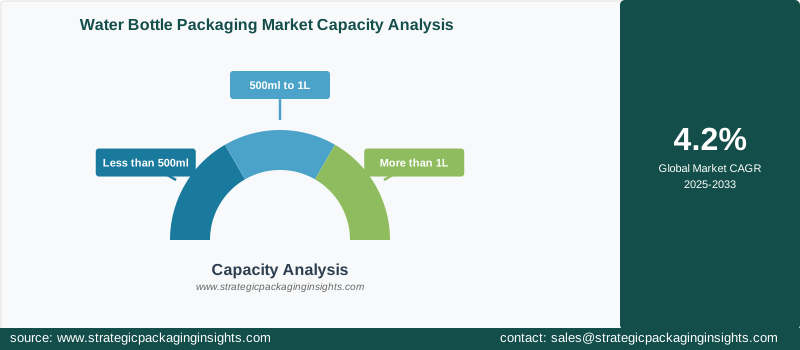
The more than 1L segment is gaining traction in the household and bulk purchase markets, where consumers seek cost-effective and sustainable packaging solutions. The demand for larger capacity bottles is also driven by the increasing trend of home-based consumption and the growing popularity of water dispensers. Companies are focusing on developing innovative designs and materials for larger capacity bottles to enhance their appeal and functionality.
End-User Analysis
The end-user segment of the water bottle packaging market is dominated by the beverage industry, which accounts for the largest share due to the high consumption of bottled water. The personal care industry is also a significant contributor, with the demand for convenient and portable packaging solutions for products such as shampoos, lotions, and sanitizers. The pharmaceutical industry is witnessing growth in the demand for water bottle packaging, driven by the need for safe and hygienic packaging solutions for liquid medications.
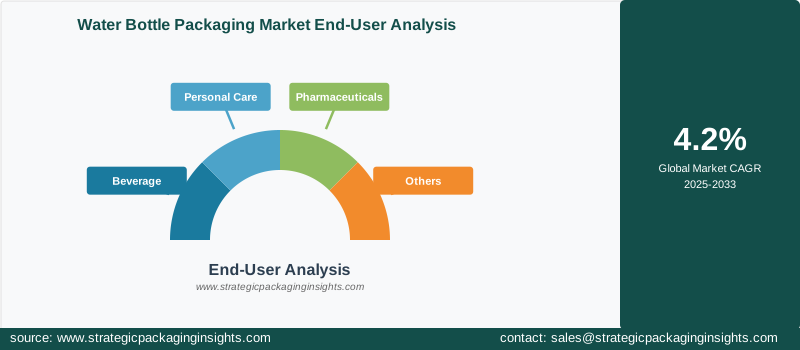
The others segment, which includes industries such as food and household products, is also experiencing growth, driven by the increasing demand for sustainable and eco-friendly packaging solutions. Companies are focusing on developing innovative packaging designs that cater to the diverse needs of end-users and align with sustainability goals. The adoption of smart packaging technologies is also gaining traction, offering enhanced functionality and consumer engagement opportunities.
Regional Analysis
The regional analysis of the water bottle packaging market reveals significant growth opportunities across different regions. North America holds a substantial share, driven by the high consumption of bottled water and the increasing demand for sustainable packaging solutions. The region is witnessing a shift towards eco-friendly materials and innovative packaging designs, supported by regulatory initiatives and consumer awareness.
Europe is another key market, characterized by stringent regulations on plastic waste and a strong emphasis on sustainability. The region is witnessing increased demand for alternative materials such as glass and metal, driven by consumer preference for eco-friendly options. The implementation of recycling initiatives and the promotion of circular economy practices are further propelling market growth.
Asia Pacific is experiencing rapid growth, driven by the rising urban population and increasing disposable income levels. The region is witnessing a surge in demand for bottled water, supported by the expansion of the beverage industry and the growing health consciousness among consumers. The focus on reducing plastic waste and promoting sustainable packaging solutions is also contributing to market growth.
Water Bottle Packaging Market Segments
The Water Bottle Packaging market has been segmented on the basis ofMaterial
- Plastic
- Glass
- Metal
Capacity
- Less than 500ml
- 500ml to 1L
- More than 1L
End-User
- Beverage
- Personal Care
- Pharmaceuticals
- Others
Region
- Asia Pacific
- North America
- Latin America
- Europe
- Middle East & Africa




