


Stackable Rigid Packaging Market Outlook
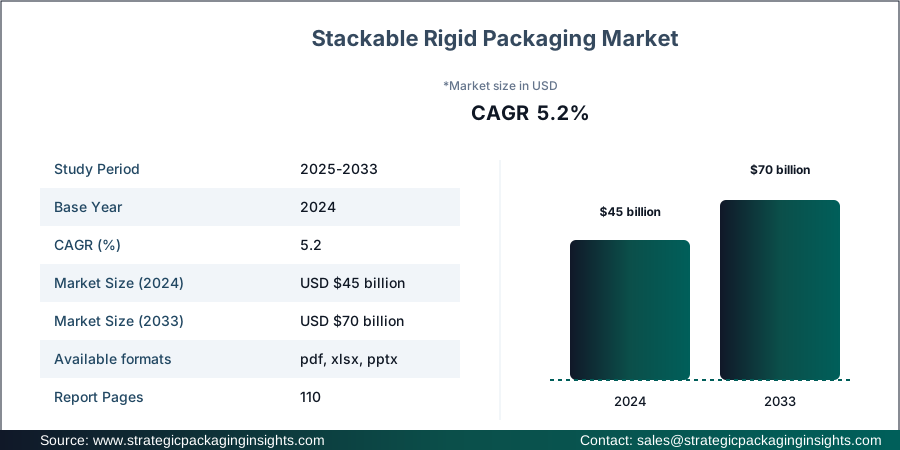
The stackable rigid packaging market was valued at $45 billion in 2024 and is projected to reach $70 billion by 2033, growing at a CAGR of 5.2% during the forecast period 2025-2033. This market is driven by the increasing demand for efficient and sustainable packaging solutions across various industries. The rise in e-commerce and retail sectors has significantly contributed to the growth of stackable rigid packaging, as these solutions offer enhanced protection and space optimization during transportation and storage. Additionally, the growing awareness of environmental sustainability has led to a shift towards recyclable and reusable packaging materials, further propelling market expansion.
Report Scope
| Attributes | Details |
| Report Title | Stackable Rigid Packaging Market Size, Future Growth and Forecast 2033 |
| Material | Plastic, Metal, Glass, Paperboard |
| Application | Food & Beverage, Healthcare |
| End-User | Retail, E-commerce |
| Region | Asia Pacific, North America |
| Base Year | 2024 |
| Historic Period | 2017-2023 |
| Forecast Period | 2025-2033 |
| Number of Pages | 110 |
| Customization Available | Yes* |
Opportunities & Threats
One of the significant opportunities in the stackable rigid packaging market lies in the increasing demand for sustainable packaging solutions. As consumers become more environmentally conscious, there is a growing preference for packaging that minimizes environmental impact. This trend is driving manufacturers to innovate and develop stackable rigid packaging solutions that are not only efficient but also eco-friendly. The use of recyclable materials and the development of biodegradable options are gaining traction, providing a lucrative opportunity for companies to differentiate themselves in the market.
Another opportunity is the rapid growth of the e-commerce sector, which has led to an increased demand for packaging solutions that ensure product safety during transit. Stackable rigid packaging offers superior protection and space efficiency, making it an ideal choice for e-commerce businesses. As online shopping continues to rise, the demand for such packaging solutions is expected to grow, providing significant growth prospects for market players.
However, the market faces certain restrainers, such as the high cost of raw materials used in the production of stackable rigid packaging. The fluctuating prices of materials like plastic, metal, and glass can impact the overall cost of production, posing a challenge for manufacturers. Additionally, stringent regulations regarding packaging waste and recycling can also act as a barrier to market growth, as companies need to comply with these regulations, which may increase operational costs.
Drivers & Challenges
The primary driver of the stackable rigid packaging market is the increasing demand for efficient and space-saving packaging solutions. With the rise in global trade and the expansion of the retail and e-commerce sectors, there is a growing need for packaging that optimizes space during transportation and storage. Stackable rigid packaging offers a solution by allowing products to be stacked securely, reducing the overall space required and minimizing transportation costs.
Another significant driver is the growing focus on sustainability and environmental responsibility. Consumers and businesses alike are becoming more conscious of their environmental footprint, leading to a demand for packaging solutions that are recyclable and reusable. Stackable rigid packaging, made from materials like recyclable plastics and metals, aligns with this trend, driving its adoption across various industries.
Despite these drivers, the market faces challenges such as the high initial investment required for the production of stackable rigid packaging. The manufacturing process involves advanced machinery and technology, which can be costly for companies, especially small and medium-sized enterprises. Additionally, the market is highly competitive, with numerous players vying for market share, which can lead to price wars and reduced profit margins.
Stackable Rigid Packaging Strategic Outlook
| Trend | Market Driver | Technological/Material Shift | Business Impact |
|---|---|---|---|
| Sustainability | Eco-friendly materials | Recyclable and biodegradable options | Increased market share |
| Smart Tech | Automation in packaging | AI and IoT integration | Operational efficiency |
| Consumer Behavior | Demand for convenience | Innovative design | Enhanced customer satisfaction |
| Logistics | Space optimization | Advanced stacking techniques | Cost reduction |
In 2026, the stackable rigid packaging market is poised for significant growth, driven by the increasing demand for sustainable and efficient packaging solutions. The primary disruptor in this niche is the stringent regulatory environment, particularly concerning packaging waste and recycling. Companies need to adapt to these regulations by investing in eco-friendly materials and technologies. To maintain market share by 2033, brands should focus on innovation, particularly in developing recyclable and biodegradable packaging options. Embracing smart technologies like AI and IoT can also enhance operational efficiency and customer satisfaction, providing a competitive edge in the market.
Market Share Analysis
The stackable rigid packaging market is characterized by intense competition, with numerous players striving to capture market share. The competitive landscape is shaped by factors such as product innovation, sustainability initiatives, and strategic partnerships. Companies are focusing on developing eco-friendly packaging solutions to meet the growing demand for sustainable options. Additionally, technological advancements in packaging design and manufacturing processes are enabling companies to offer innovative and efficient solutions, further intensifying competition.
Leading companies in the market are leveraging their extensive distribution networks and strong brand presence to maintain their competitive edge. These companies are also investing in research and development to introduce new products and enhance their existing offerings. Strategic collaborations and mergers and acquisitions are common strategies employed by market players to expand their market presence and strengthen their product portfolios.
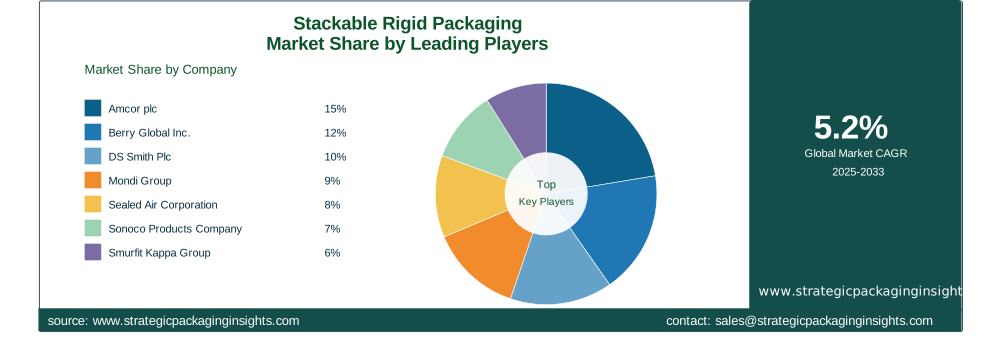
Some of the major companies operating in the stackable rigid packaging market include Amcor plc, Berry Global Inc., DS Smith Plc, Mondi Group, and Sealed Air Corporation. These companies have established themselves as key players through their innovative product offerings and commitment to sustainability. Amcor plc, for instance, is known for its focus on developing recyclable and reusable packaging solutions, while Berry Global Inc. emphasizes the use of advanced materials and technologies to enhance packaging efficiency.
Other notable companies in the market include Sonoco Products Company, Smurfit Kappa Group, and Huhtamaki Oyj. These companies have a strong global presence and are actively involved in expanding their product portfolios to cater to the diverse needs of their customers. By focusing on sustainability and innovation, these companies are well-positioned to capitalize on the growing demand for stackable rigid packaging solutions.
Key Highlights
- The stackable rigid packaging market is projected to grow at a CAGR of 5.2% from 2025 to 2033.
- Increasing demand for sustainable packaging solutions is a key driver of market growth.
- The e-commerce sector is a significant contributor to the rising demand for stackable rigid packaging.
- High raw material costs pose a challenge to market growth.
- Technological advancements in packaging design are enhancing product efficiency.
- Leading companies are focusing on developing eco-friendly packaging solutions.
- Strategic collaborations and mergers are common strategies among market players.
Top Countries Insights
In the stackable rigid packaging market, the United States holds a significant share, with a market size of $12 billion and a CAGR of 4%. The country's robust e-commerce sector and increasing demand for sustainable packaging solutions are key growth drivers. Government regulations promoting recycling and waste reduction further support market expansion.
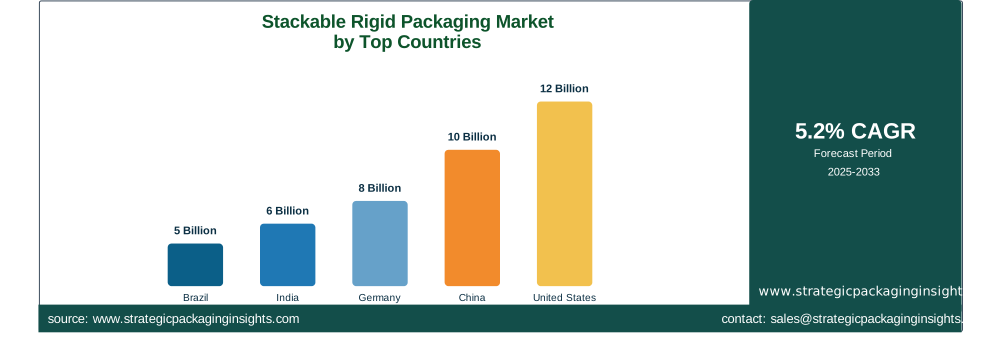
China is another major player, with a market size of $10 billion and a CAGR of 6%. The country's booming manufacturing sector and growing focus on sustainability are driving demand for stackable rigid packaging. Innovations in packaging materials and designs are also contributing to market growth.
Germany, with a market size of $8 billion and a CAGR of 5%, is a leading market in Europe. The country's strong emphasis on environmental sustainability and advanced packaging technologies are key growth drivers. The presence of major packaging companies further enhances market prospects.
India, with a market size of $6 billion and a CAGR of 7%, is experiencing rapid growth in the stackable rigid packaging market. The country's expanding retail and e-commerce sectors, coupled with increasing consumer awareness of sustainable packaging, are driving market expansion.
Brazil, with a market size of $5 billion and a CAGR of 5%, is a significant market in Latin America. The country's growing industrial sector and rising demand for efficient packaging solutions are key growth drivers. Government initiatives promoting recycling and waste management further support market growth.
Stackable Rigid Packaging Market Segments Insights

Material Analysis
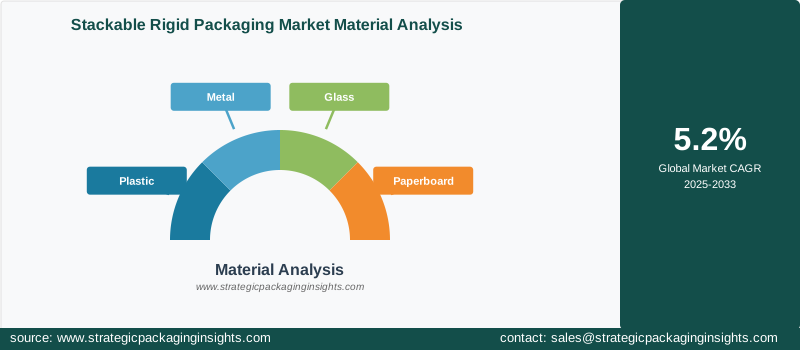
The material segment of the stackable rigid packaging market is dominated by plastic, metal, glass, and paperboard. Plastic remains the most widely used material due to its versatility, durability, and cost-effectiveness. However, the increasing environmental concerns associated with plastic waste are driving the demand for alternative materials. Metal packaging, known for its strength and recyclability, is gaining popularity, particularly in the food and beverage industry. Glass packaging, although heavier, is favored for its premium appeal and recyclability. Paperboard, being biodegradable and lightweight, is also witnessing increased adoption, especially in the personal care and healthcare sectors.
Within the plastic segment, there is a growing trend towards the use of biodegradable and recyclable plastics. Companies are investing in research and development to create innovative plastic solutions that meet sustainability goals. The metal segment is also witnessing advancements in lightweighting technologies, which enhance the efficiency of packaging solutions. Glass packaging is being innovated with new designs and coatings to improve its durability and reduce its environmental impact. Paperboard packaging is benefiting from advancements in printing technologies, allowing for more attractive and functional designs.
Application Analysis
The application segment of the stackable rigid packaging market includes food and beverage, healthcare, personal care, and industrial applications. The food and beverage industry is the largest consumer of stackable rigid packaging, driven by the need for safe and efficient packaging solutions that extend shelf life and maintain product quality. The healthcare sector is also a significant contributor, with a growing demand for packaging solutions that ensure the safety and integrity of medical products. Personal care products, with their diverse packaging needs, are increasingly adopting stackable rigid packaging for its aesthetic appeal and functionality.
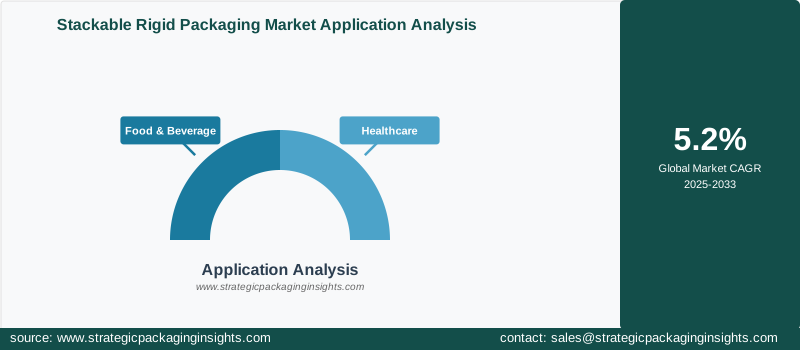
In the industrial sector, stackable rigid packaging is used for the safe transportation and storage of various products. The demand for durable and space-efficient packaging solutions is driving the adoption of stackable rigid packaging in this sector. The food and beverage industry is witnessing a trend towards the use of eco-friendly packaging materials, driven by consumer demand for sustainable products. In the healthcare sector, the focus is on packaging solutions that offer tamper-evidence and protection against contamination. Personal care products are increasingly using innovative packaging designs to enhance brand appeal and consumer experience.
End-User Analysis
The end-user segment of the stackable rigid packaging market includes retail, e-commerce, manufacturing, and logistics. The retail sector is a major consumer of stackable rigid packaging, driven by the need for attractive and functional packaging solutions that enhance product visibility and appeal. The e-commerce sector is experiencing rapid growth, with a rising demand for packaging solutions that ensure product safety during transit. The manufacturing sector is also a significant contributor, with a focus on packaging solutions that optimize space and reduce transportation costs.
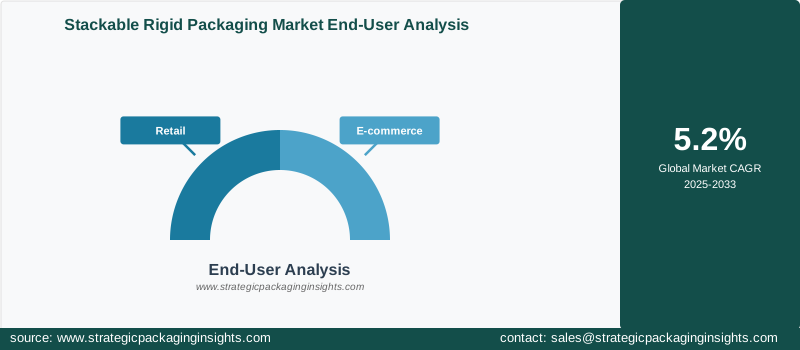
In the logistics sector, stackable rigid packaging is used for the efficient storage and transportation of goods. The demand for durable and space-saving packaging solutions is driving the adoption of stackable rigid packaging in this sector. The retail sector is witnessing a trend towards the use of innovative packaging designs that enhance brand appeal and consumer experience. In the e-commerce sector, the focus is on packaging solutions that offer protection and convenience. The manufacturing sector is increasingly adopting sustainable packaging solutions to meet environmental regulations and consumer demand.
Region Analysis
The stackable rigid packaging market is segmented into regions such as Asia Pacific, North America, Latin America, Europe, and the Middle East & Africa. Asia Pacific is the largest market, driven by the rapid growth of the e-commerce and retail sectors in countries like China and India. The region is also witnessing a growing demand for sustainable packaging solutions, driven by increasing consumer awareness and government regulations. North America is another significant market, with a strong focus on innovation and sustainability. The presence of major packaging companies and a robust e-commerce sector are key growth drivers in this region.
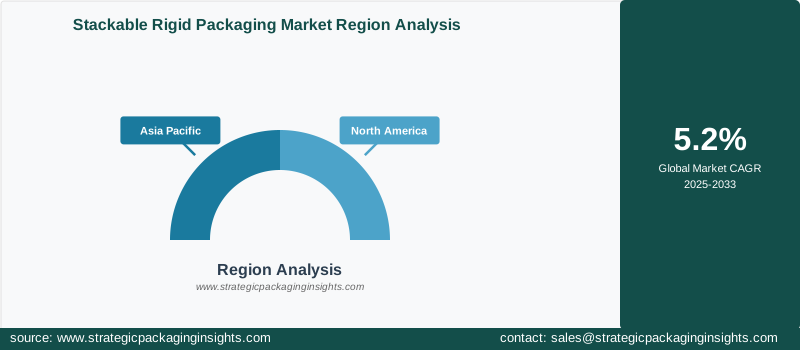
Europe is a mature market, with a strong emphasis on environmental sustainability and advanced packaging technologies. The region is witnessing a trend towards the use of recyclable and biodegradable packaging materials, driven by stringent regulations and consumer demand. Latin America is experiencing rapid growth, driven by the expanding industrial sector and rising demand for efficient packaging solutions. The Middle East & Africa is a developing market, with a growing focus on sustainable packaging solutions and increasing investments in the packaging industry.
Stackable Rigid Packaging Market Segments
The Stackable Rigid Packaging market has been segmented on the basis ofMaterial
- Plastic
- Metal
- Glass
- Paperboard
Application
- Food & Beverage
- Healthcare
End-User
- Retail
- E-commerce
Region
- Asia Pacific
- North America




