


Transparent Rigid Packaging Market Outlook
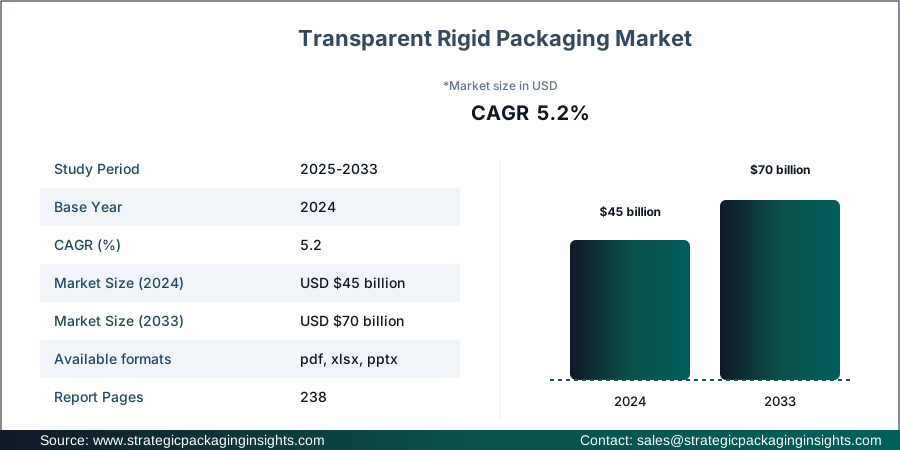
The transparent rigid packaging market was valued at $45 billion in 2024 and is projected to reach $70 billion by 2033, growing at a CAGR of 5.2% during the forecast period 2025-2033. This market is driven by the increasing demand for visually appealing packaging solutions that offer product protection and visibility. The food and beverage industry, in particular, is a significant contributor to this growth, as consumers increasingly prefer transparent packaging to assess product quality before purchase. Additionally, the rise in e-commerce and the need for durable packaging solutions that can withstand transportation challenges further bolster market expansion. Technological advancements in material sciences, leading to the development of more sustainable and recyclable transparent rigid packaging options, are also expected to fuel market growth.
Report Scope
| Attributes | Details |
| Report Title | Transparent Rigid Packaging Market Size, Future Growth and Forecast 2033 |
| Material | Plastic, Glass, Metal |
| Application | Food & Beverages, Pharmaceuticals, Personal Care, Electronics, Others |
| End-User | Retail, Industrial, Institutional |
| Region | Asia Pacific, North America, Latin America, Europe, Middle East & Africa |
| Base Year | 2024 |
| Historic Period | 2017-2023 |
| Forecast Period | 2025-2033 |
| Number of Pages | 238 |
| Customization Available | Yes* |
Opportunities & Threats
One of the primary opportunities in the transparent rigid packaging market lies in the growing consumer preference for sustainable packaging solutions. As environmental concerns continue to rise, consumers and regulatory bodies are pushing for packaging that minimizes environmental impact. This trend is driving innovation in the development of eco-friendly materials, such as biodegradable plastics and recyclable glass, which offer transparency and rigidity. Companies that invest in sustainable packaging solutions are likely to gain a competitive edge and capture a larger market share. Furthermore, the increasing adoption of smart packaging technologies, which integrate features like QR codes and NFC tags for enhanced consumer engagement, presents another lucrative opportunity for market players.
Another significant opportunity is the expanding application of transparent rigid packaging in emerging markets. As disposable incomes rise and urbanization accelerates in regions like Asia Pacific and Latin America, the demand for packaged goods is increasing. This trend is particularly evident in the food and beverage and personal care sectors, where transparent packaging is favored for its aesthetic appeal and ability to showcase product quality. Companies that strategically expand their operations and distribution networks in these regions can capitalize on the growing demand and establish a strong market presence.
However, the market faces certain restrainers, such as the volatility in raw material prices. The cost of materials like plastic and glass can fluctuate due to factors like supply chain disruptions and changes in crude oil prices. These fluctuations can impact the profitability of manufacturers and lead to increased product prices, potentially affecting consumer demand. Additionally, stringent regulations regarding packaging waste and recycling can pose challenges for companies, requiring them to invest in compliance and sustainability initiatives.
Drivers & Challenges
The transparent rigid packaging market is primarily driven by the increasing consumer demand for product transparency and safety. Consumers today are more informed and conscious about the products they purchase, leading to a preference for packaging that allows them to see the product before buying. This demand is particularly strong in the food and beverage industry, where transparency is associated with freshness and quality. Additionally, the rise of e-commerce has necessitated the use of durable and protective packaging solutions, further driving the demand for transparent rigid packaging.
Technological advancements in packaging materials and manufacturing processes are also significant drivers of market growth. Innovations in material sciences have led to the development of lightweight, durable, and recyclable packaging options that meet consumer and regulatory demands for sustainability. The integration of smart technologies, such as QR codes and augmented reality, into packaging designs is enhancing consumer engagement and providing new avenues for marketing and brand differentiation. These advancements are expected to continue driving market growth in the coming years.
Despite these drivers, the market faces challenges such as the high cost of raw materials and the need for compliance with stringent environmental regulations. The fluctuating prices of materials like plastic and glass can impact production costs and profit margins for manufacturers. Additionally, regulatory requirements related to packaging waste and recycling are becoming increasingly stringent, necessitating investments in sustainable practices and technologies. Companies that fail to adapt to these regulatory changes may face penalties and reputational damage, posing a challenge to market growth.
Market Share Analysis
The transparent rigid packaging market is characterized by a competitive landscape with several key players vying for market share. The market is dominated by a mix of multinational corporations and regional players, each offering a diverse range of products and solutions. The competitive environment is driven by factors such as product innovation, sustainability initiatives, and strategic partnerships. Companies are increasingly focusing on expanding their product portfolios and enhancing their production capabilities to meet the growing demand for transparent rigid packaging solutions.
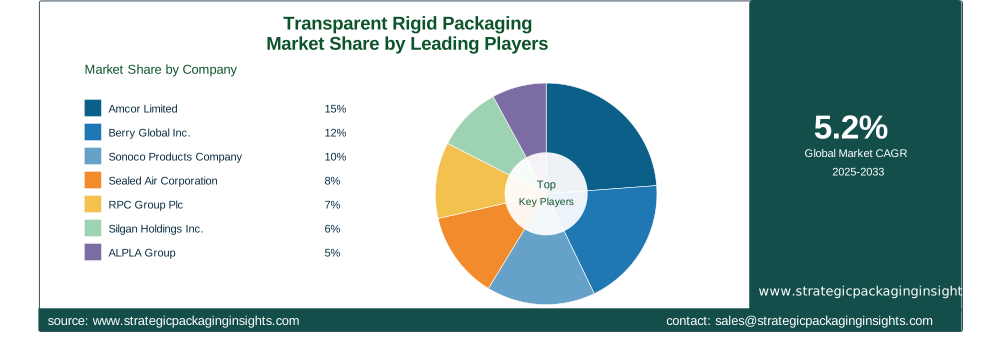
Among the major players in the market, Amcor Limited holds a significant share due to its extensive product offerings and strong global presence. The company is known for its innovative packaging solutions that cater to various industries, including food and beverage, healthcare, and personal care. Amcor's commitment to sustainability and its focus on developing eco-friendly packaging options have further strengthened its market position.
Another key player, Berry Global Inc., has established itself as a leader in the transparent rigid packaging market through its comprehensive product range and strategic acquisitions. The company's focus on research and development has enabled it to introduce advanced packaging solutions that meet the evolving needs of consumers and industries. Berry Global's strong distribution network and customer-centric approach have contributed to its success in the market.
Other notable companies in the market include Sonoco Products Company, known for its innovative packaging designs and sustainable practices, and Sealed Air Corporation, which offers a wide range of protective packaging solutions. These companies, along with others like RPC Group Plc and Silgan Holdings Inc., continue to invest in research and development to enhance their product offerings and maintain their competitive edge in the market.
Key Highlights
- The transparent rigid packaging market is projected to grow at a CAGR of 5.2% from 2025 to 2033.
- Increasing consumer demand for sustainable and eco-friendly packaging solutions is driving market growth.
- Technological advancements in material sciences are leading to the development of lightweight and recyclable packaging options.
- The food and beverage industry is a major contributor to the demand for transparent rigid packaging.
- Emerging markets in Asia Pacific and Latin America offer significant growth opportunities for market players.
- Fluctuations in raw material prices pose a challenge to market profitability.
- Regulatory requirements related to packaging waste and recycling are becoming increasingly stringent.
Top Countries Insights
In the transparent rigid packaging market, the United States holds a significant share, with a market size of $12 billion and a CAGR of 4%. The country's growth is driven by the strong demand for packaged goods and the presence of major market players. Regulatory initiatives promoting sustainable packaging practices further support market expansion.
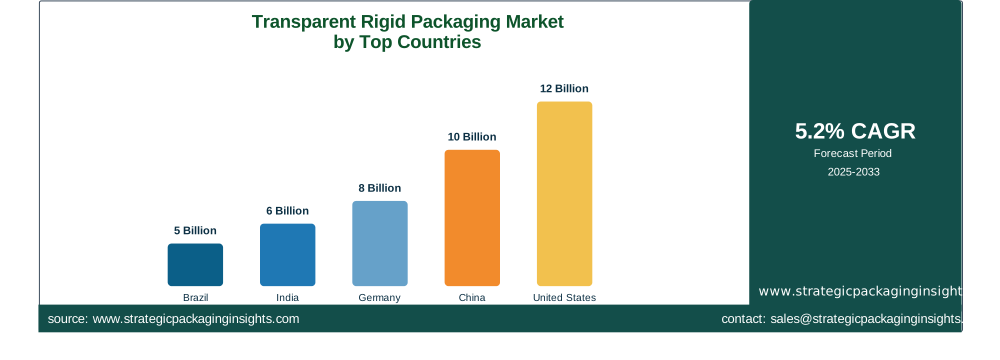
China is another key market, with a market size of $10 billion and a CAGR of 6%. The rapid urbanization and increasing disposable incomes in the country are driving the demand for packaged products, particularly in the food and beverage sector. Government policies encouraging sustainable packaging solutions are also contributing to market growth.
Germany, with a market size of $8 billion and a CAGR of 5%, is a leading market in Europe. The country's strong manufacturing base and focus on innovation in packaging technologies are key growth drivers. The emphasis on sustainability and recycling in German regulations further supports market development.
India, with a market size of $6 billion and a CAGR of 7%, is an emerging market with significant growth potential. The increasing consumer preference for packaged goods and the expansion of the retail sector are driving market growth. Government initiatives promoting sustainable packaging practices are also contributing to the market's expansion.
Brazil, with a market size of $5 billion and a CAGR of 5%, is a key market in Latin America. The country's growing middle class and increasing demand for packaged food and beverages are driving market growth. Regulatory efforts to reduce packaging waste and promote recycling are also supporting market development.
Transparent Rigid Packaging Market Segments Insights

Material Analysis
The material segment of the transparent rigid packaging market is dominated by plastic, which is favored for its versatility, durability, and cost-effectiveness. Plastic packaging solutions are widely used across various industries, including food and beverage, personal care, and pharmaceuticals. The demand for plastic packaging is driven by its lightweight nature and ability to be molded into various shapes and sizes, making it suitable for a wide range of applications. However, the environmental impact of plastic waste has led to increased scrutiny and regulatory pressure, driving the development of biodegradable and recyclable plastic options.
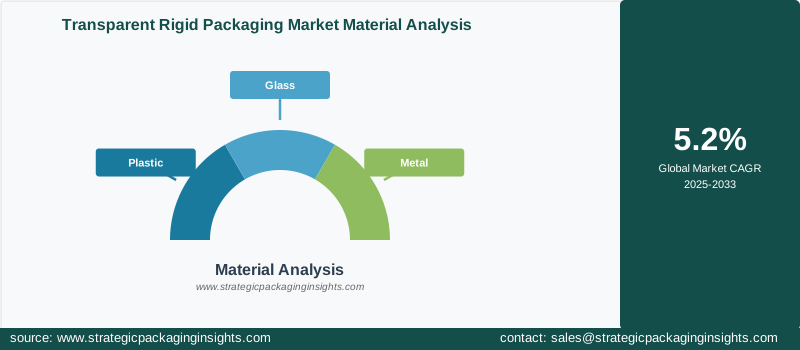
Glass is another significant material in the transparent rigid packaging market, known for its premium appeal and recyclability. Glass packaging is particularly popular in the food and beverage industry, where it is used for products like beverages, sauces, and condiments. The demand for glass packaging is driven by its ability to preserve product quality and extend shelf life. However, the high cost and fragility of glass compared to other materials can be a limiting factor for its widespread adoption.
Application Analysis
The application segment of the transparent rigid packaging market is led by the food and beverage industry, which accounts for a significant share of the market. Transparent packaging solutions are favored in this industry for their ability to showcase product quality and freshness, which are key factors influencing consumer purchasing decisions. The demand for transparent packaging in the food and beverage sector is further driven by the rise of e-commerce and the need for durable packaging solutions that can withstand transportation challenges.
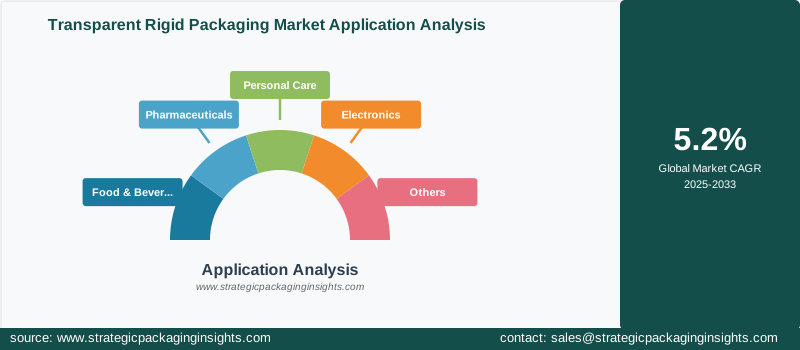
The pharmaceutical industry is another key application area for transparent rigid packaging, where it is used for packaging medicines, supplements, and medical devices. The demand for transparent packaging in this industry is driven by the need for product safety and compliance with regulatory standards. Transparent packaging solutions allow for easy identification and inspection of products, ensuring quality and safety for consumers.
End-User Analysis
The end-user segment of the transparent rigid packaging market is dominated by the retail sector, which accounts for a significant share of the market. Retailers prefer transparent packaging solutions for their ability to enhance product visibility and appeal, which are crucial factors in influencing consumer purchasing decisions. The demand for transparent packaging in the retail sector is further driven by the rise of e-commerce and the need for packaging solutions that can withstand transportation challenges.
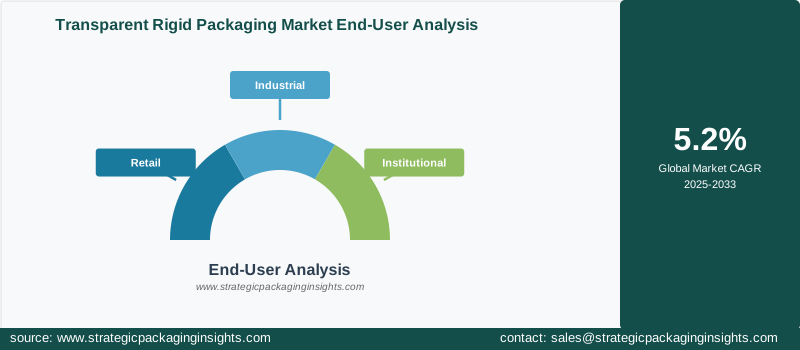
The industrial sector is another key end-user of transparent rigid packaging, where it is used for packaging products like chemicals, lubricants, and industrial components. The demand for transparent packaging in this sector is driven by the need for durable and protective packaging solutions that can withstand harsh environmental conditions. Transparent packaging solutions allow for easy identification and inspection of products, ensuring quality and safety for consumers.
Regional Analysis
The regional segment of the transparent rigid packaging market is led by Asia Pacific, which accounts for a significant share of the market. The region's growth is driven by the increasing demand for packaged goods and the presence of major market players. Regulatory initiatives promoting sustainable packaging practices further support market expansion. North America and Europe are also key markets, driven by the strong demand for packaged goods and the presence of major market players. Regulatory initiatives promoting sustainable packaging practices further support market expansion.
Transparent Rigid Packaging Market Segments
The Transparent Rigid Packaging market has been segmented on the basis ofMaterial
- Plastic
- Glass
- Metal
Application
- Food & Beverages
- Pharmaceuticals
- Personal Care
- Electronics
- Others
End-User
- Retail
- Industrial
- Institutional
Region
- Asia Pacific
- North America
- Latin America
- Europe
- Middle East & Africa




