


Airless Cosmetic Packaging Market Outlook
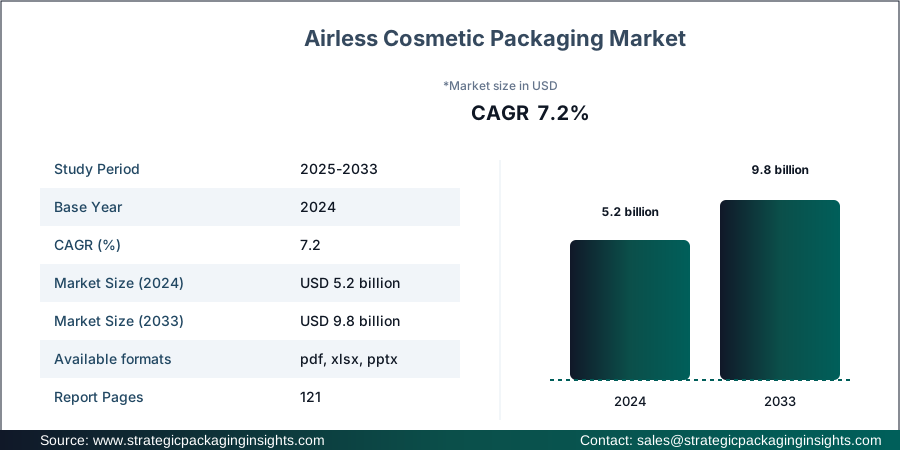
The airless cosmetic packaging market was valued at $5.2 billion in 2024 and is projected to reach $9.8 billion by 2033, growing at a CAGR of 7.2% during the forecast period 2025-2033. This market is witnessing significant growth due to the increasing demand for premium cosmetic products that require advanced packaging solutions to maintain product integrity and extend shelf life. The rise in consumer awareness regarding the benefits of airless packaging, such as reduced product wastage and enhanced protection against contamination, is further propelling market growth. Additionally, the growing trend of sustainable and eco-friendly packaging is encouraging manufacturers to innovate and develop recyclable airless packaging solutions, thereby driving market expansion.
Report Scope
| Attributes | Details |
| Report Title | Airless Cosmetic Packaging Market Size, Future Growth and Forecast 2033 |
| Material | Plastic, Glass, Metal |
| Application | Skincare, Haircare, Makeup, Others |
| Distribution Channel | Online, Offline |
| Region | Asia Pacific, North America, Latin America, Europe, Middle East & Africa |
| Base Year | 2024 |
| Historic Period | 2017-2023 |
| Forecast Period | 2025-2033 |
| Number of Pages | 121 |
| Customization Available | Yes* |
Opportunities & Threats
The airless cosmetic packaging market presents numerous opportunities, primarily driven by the increasing consumer preference for high-end cosmetic products that demand superior packaging solutions. The shift towards sustainable packaging is a significant opportunity, as consumers and brands alike are becoming more environmentally conscious. This trend is pushing manufacturers to develop innovative, eco-friendly airless packaging solutions that not only meet consumer demands but also comply with stringent environmental regulations. Furthermore, the rise of e-commerce platforms has expanded the reach of cosmetic products, creating a demand for durable and protective packaging that ensures product safety during transit, thus opening new avenues for market growth.
Another opportunity lies in the technological advancements in packaging materials and designs. The integration of smart technologies, such as NFC tags and QR codes, into airless packaging is gaining traction, offering brands a way to enhance consumer engagement and provide additional product information. This technological shift is expected to create new growth prospects for the market, as brands seek to differentiate themselves in a competitive landscape. Additionally, the increasing focus on personalized cosmetic products is driving the demand for customizable airless packaging solutions, allowing brands to cater to specific consumer needs and preferences.
However, the market faces certain threats, including the high cost of airless packaging compared to traditional packaging solutions. This cost factor can be a significant barrier for small and medium-sized enterprises (SMEs) looking to adopt airless packaging. Moreover, the complexity of the manufacturing process and the need for specialized machinery can pose challenges for new entrants in the market. Additionally, the stringent regulations regarding packaging materials and waste management can hinder market growth, as companies need to invest in compliance and certification processes, which can be time-consuming and costly.
Drivers & Challenges
The primary drivers of the airless cosmetic packaging market include the increasing demand for premium and luxury cosmetic products, which require advanced packaging solutions to maintain product efficacy and extend shelf life. The growing consumer awareness regarding the benefits of airless packaging, such as reduced product wastage and enhanced protection against contamination, is also driving market growth. Additionally, the rise in disposable income and changing consumer lifestyles are contributing to the increased demand for high-quality cosmetic products, further propelling the market.
Another significant driver is the growing trend of sustainable and eco-friendly packaging. As consumers become more environmentally conscious, there is a rising demand for packaging solutions that minimize environmental impact. This trend is encouraging manufacturers to innovate and develop recyclable airless packaging solutions, thereby driving market expansion. Furthermore, the increasing popularity of e-commerce platforms is boosting the demand for durable and protective packaging that ensures product safety during transit, creating new growth opportunities for the market.
Despite these drivers, the market faces several challenges, including the high cost of airless packaging compared to traditional packaging solutions. This cost factor can be a significant barrier for small and medium-sized enterprises (SMEs) looking to adopt airless packaging. Additionally, the complexity of the manufacturing process and the need for specialized machinery can pose challenges for new entrants in the market. Moreover, the stringent regulations regarding packaging materials and waste management can hinder market growth, as companies need to invest in compliance and certification processes, which can be time-consuming and costly.
Airless Cosmetic Packaging Strategic Outlook
| Trend | Market Driver | Technological/Material Shift | Business Impact |
|---|---|---|---|
| Sustainability | Eco-friendly Packaging Demand | Recyclable Materials | Increased Brand Loyalty |
| Smart Tech | Consumer Engagement | NFC/QR Integration | Enhanced Consumer Interaction |
| Consumer Behavior | Premium Product Demand | Customizable Designs | Market Differentiation |
| Logistics | E-commerce Growth | Durable Packaging Solutions | Expanded Market Reach |
In 2026, the airless cosmetic packaging market is poised for substantial growth, driven by the increasing demand for premium cosmetic products and the shift towards sustainable packaging solutions. The primary regulatory disruptor in this niche is the stringent environmental regulations that mandate the use of eco-friendly materials and waste management practices. To maintain market share by 2033, brands should pivot towards developing innovative, sustainable packaging solutions that not only meet consumer demands but also comply with regulatory requirements. Embracing smart technologies and customizable designs will further enhance consumer engagement and brand differentiation, ensuring long-term success in a competitive market.
Market Share Analysis
The airless cosmetic packaging market is characterized by a highly competitive landscape, with numerous players vying for market share. The market is dominated by a few key players who hold significant shares due to their extensive product portfolios, strong distribution networks, and continuous innovation in packaging solutions. These companies are focusing on expanding their product offerings and enhancing their production capabilities to cater to the growing demand for airless packaging solutions. Additionally, strategic partnerships and collaborations with cosmetic brands are helping these companies strengthen their market position and expand their customer base.
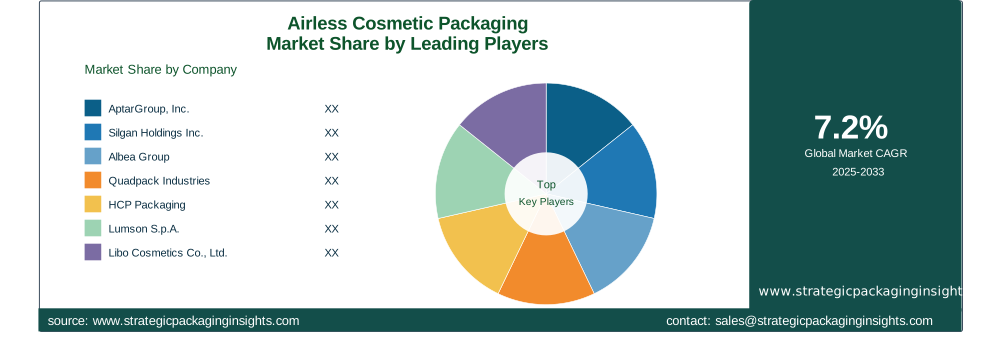
Among the major players in the market, AptarGroup, Inc. holds a substantial share due to its wide range of innovative airless packaging solutions and strong presence in the global market. The company's focus on sustainability and eco-friendly packaging has further bolstered its market position. Another key player, Silgan Holdings Inc., is known for its extensive product portfolio and strong distribution network, which have enabled it to capture a significant share of the market. The company's continuous investment in research and development to enhance its packaging solutions has also contributed to its market dominance.
Albea Group is another prominent player in the airless cosmetic packaging market, known for its innovative packaging designs and strong focus on sustainability. The company's strategic partnerships with leading cosmetic brands have helped it expand its market reach and strengthen its position in the industry. Similarly, Quadpack Industries is recognized for its customizable packaging solutions and commitment to sustainability, which have enabled it to capture a significant share of the market. The company's focus on innovation and customer-centric approach has further enhanced its market presence.
Other notable players in the market include HCP Packaging, Lumson S.p.A., and Libo Cosmetics Co., Ltd., each of which holds a considerable share due to their strong product offerings and strategic market initiatives. These companies are continuously investing in research and development to enhance their packaging solutions and meet the evolving demands of consumers. The competitive landscape of the airless cosmetic packaging market is expected to remain dynamic, with companies focusing on innovation, sustainability, and strategic partnerships to maintain their market positions.
Key Highlights
- The airless cosmetic packaging market is projected to grow at a CAGR of 7.2% from 2025 to 2033.
- Increasing demand for premium cosmetic products is driving market growth.
- Sustainability and eco-friendly packaging are key trends shaping the market.
- Technological advancements in packaging materials and designs are creating new growth opportunities.
- The rise of e-commerce platforms is boosting the demand for durable and protective packaging.
- High cost of airless packaging is a significant barrier for SMEs.
- Stringent regulations regarding packaging materials and waste management pose challenges for market growth.
Top Countries Insights
In the airless cosmetic packaging market, the United States holds a significant share, with a market size of $1.5 billion and a CAGR of 6%. The country's strong demand for premium cosmetic products and the presence of major cosmetic brands are key growth drivers. Additionally, the increasing focus on sustainable packaging solutions is further propelling market growth. However, stringent regulations regarding packaging materials and waste management pose challenges for market players.
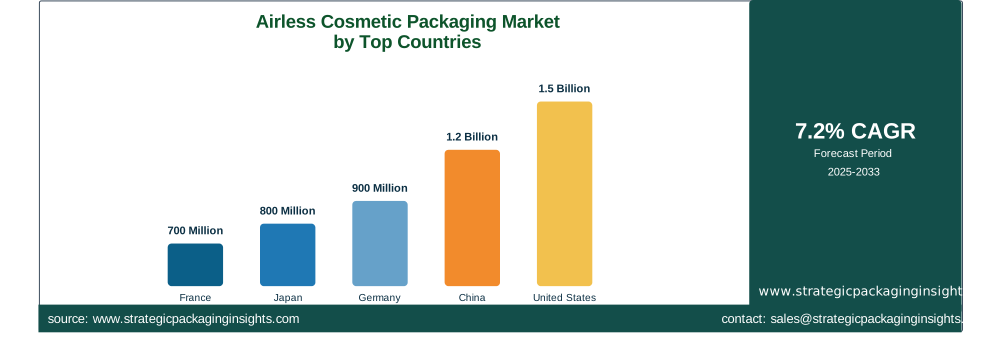
China is another major player in the market, with a market size of $1.2 billion and a CAGR of 8%. The country's growing middle-class population and increasing disposable income are driving the demand for high-quality cosmetic products, thereby boosting the market for airless packaging. The government's focus on environmental sustainability and the implementation of strict regulations regarding packaging materials are also influencing market dynamics.
Germany, with a market size of $900 million and a CAGR of 5%, is a key market for airless cosmetic packaging in Europe. The country's strong emphasis on sustainability and eco-friendly packaging solutions is driving market growth. Additionally, the presence of leading cosmetic brands and the increasing demand for premium products are contributing to the market's expansion.
In Japan, the airless cosmetic packaging market is valued at $800 million, with a CAGR of 4%. The country's aging population and increasing demand for anti-aging cosmetic products are key growth drivers. The focus on innovative packaging solutions and the adoption of smart technologies are also influencing market trends.
France, with a market size of $700 million and a CAGR of 3%, is another important market for airless cosmetic packaging. The country's strong cosmetic industry and the increasing demand for luxury products are driving market growth. The focus on sustainability and the implementation of strict regulations regarding packaging materials are also shaping market dynamics.
Airless Cosmetic Packaging Market Segments Insights

Material Analysis
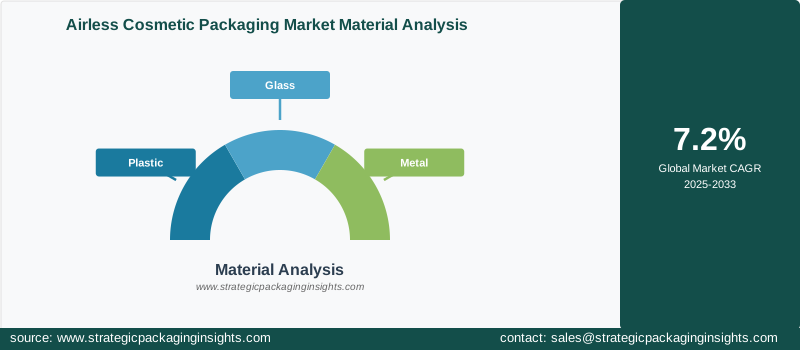
The material segment of the airless cosmetic packaging market is primarily dominated by plastic, which is favored for its lightweight, cost-effectiveness, and versatility in design. Plastic airless packaging solutions are widely used across various cosmetic applications due to their ability to provide excellent barrier properties and protect the product from contamination. However, the increasing focus on sustainability is driving the demand for recyclable and biodegradable plastic materials, encouraging manufacturers to innovate and develop eco-friendly solutions. Glass is another significant material used in airless packaging, particularly for high-end and luxury cosmetic products. Glass offers superior aesthetic appeal and is perceived as a premium material, making it a popular choice for brands looking to enhance their product image. Metal, although less commonly used, is gaining traction due to its durability and recyclability, offering a sustainable alternative to traditional packaging materials.
Application Analysis
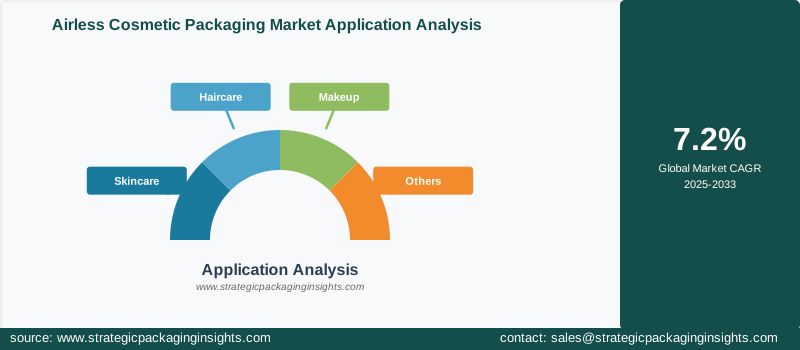
The application segment of the airless cosmetic packaging market is categorized into skincare, haircare, makeup, and others. Skincare is the largest application segment, driven by the increasing demand for premium skincare products that require advanced packaging solutions to maintain product efficacy and extend shelf life. The growing consumer awareness regarding the benefits of airless packaging, such as reduced product wastage and enhanced protection against contamination, is further propelling the demand for airless packaging in skincare applications. Haircare is another significant application segment, with the rising demand for high-quality haircare products driving the need for innovative packaging solutions. The makeup segment is also witnessing growth, as brands seek to differentiate themselves in a competitive market by offering unique and aesthetically appealing packaging solutions.
Distribution Channel Analysis
The distribution channel segment of the airless cosmetic packaging market is divided into online and offline channels. The offline channel, which includes retail stores, supermarkets, and specialty stores, remains the dominant distribution channel, as consumers prefer to physically examine products before purchase. However, the online channel is gaining traction, driven by the increasing popularity of e-commerce platforms and the convenience of online shopping. The rise of digital marketing and social media platforms is also influencing consumer purchasing behavior, encouraging brands to enhance their online presence and offer exclusive deals and promotions to attract customers. The growing trend of direct-to-consumer (DTC) sales is further boosting the demand for airless packaging solutions, as brands seek to provide a seamless and personalized shopping experience for their customers.
Region Analysis
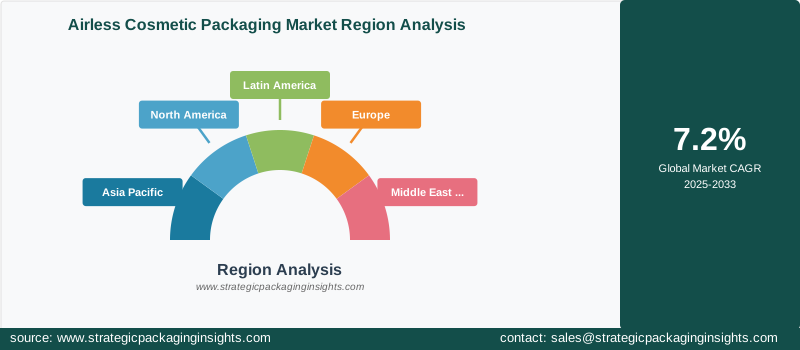
The airless cosmetic packaging market is segmented into five key regions: Asia Pacific, North America, Latin America, Europe, and the Middle East & Africa. Asia Pacific is the largest and fastest-growing region, driven by the increasing demand for cosmetic products in countries like China, India, and Japan. The region's growing middle-class population and rising disposable income are contributing to the market's expansion. North America is another significant market, with the United States being a major contributor to the region's growth. The presence of leading cosmetic brands and the increasing focus on sustainable packaging solutions are driving market growth in this region. Europe is also witnessing growth, driven by the strong emphasis on sustainability and the presence of a well-established cosmetic industry. Latin America and the Middle East & Africa are emerging markets, with increasing consumer awareness and demand for premium cosmetic products driving the need for advanced packaging solutions.
Airless Cosmetic Packaging Market Segments
The Airless Cosmetic Packaging market has been segmented on the basis ofMaterial
- Plastic
- Glass
- Metal
Application
- Skincare
- Haircare
- Makeup
- Others
Distribution Channel
- Online
- Offline
Region
- Asia Pacific
- North America
- Latin America
- Europe
- Middle East & Africa




