


Pipette Bottle Packaging Market Outlook
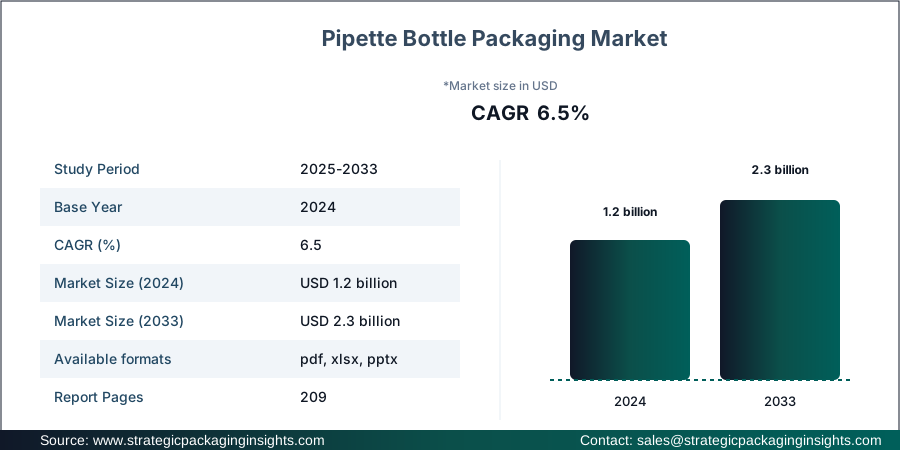
The pipette bottle packaging market was valued at $1.2 billion in 2024 and is projected to reach $2.3 billion by 2033, growing at a CAGR of 6.5% during the forecast period 2025-2033. This market is witnessing significant growth due to the increasing demand for precision dosing in pharmaceuticals and cosmetics. The rise in consumer awareness regarding product safety and hygiene is further propelling the market. Pipette bottles are increasingly being used in the healthcare sector for accurate dispensing of liquid medications, which is a major driver for market growth. Additionally, the cosmetics industry is adopting pipette bottles for serums and essential oils, enhancing the market's expansion. The shift towards sustainable packaging solutions is also influencing the market, with manufacturers focusing on recyclable materials to meet environmental regulations.
Report Scope
| Attributes | Details |
| Report Title | Pipette Bottle Packaging Market Size, Future Growth and Forecast 2033 |
| Material | Glass, Plastic |
| Application | Pharmaceuticals, Cosmetics, Chemicals, Food & Beverages |
| Capacity | Up to 10 ml, 10-30 ml, Above 30 ml |
| End-User | Healthcare, Personal Care, Industrial, Food & Beverage |
| Base Year | 2024 |
| Historic Period | 2017-2023 |
| Forecast Period | 2025-2033 |
| Number of Pages | 209 |
| Customization Available | Yes* |
Opportunities & Threats
The pipette bottle packaging market presents numerous opportunities, particularly in the realm of sustainable packaging. As consumers become more environmentally conscious, there is a growing demand for eco-friendly packaging solutions. This trend is pushing manufacturers to innovate and develop pipette bottles made from biodegradable or recyclable materials. Additionally, the increasing popularity of e-commerce platforms is creating new avenues for market growth. Online retailing of pharmaceuticals and cosmetics is on the rise, necessitating secure and efficient packaging solutions like pipette bottles to ensure product integrity during transit. Furthermore, advancements in material science are enabling the development of pipette bottles with enhanced barrier properties, which can extend the shelf life of sensitive products.
Another significant opportunity lies in the customization of pipette bottles to cater to specific consumer needs. Brands are increasingly offering personalized packaging solutions to differentiate their products in a competitive market. This trend is particularly evident in the cosmetics industry, where unique packaging designs can significantly influence consumer purchasing decisions. Moreover, the growing trend of DIY beauty and healthcare products is driving demand for smaller, user-friendly pipette bottles that allow precise dosing. This shift towards personalized and DIY solutions is expected to create substantial growth opportunities for the pipette bottle packaging market in the coming years.
However, the market faces certain restrainers, primarily related to the high cost of raw materials and manufacturing processes. The production of high-quality pipette bottles requires specialized materials and technologies, which can drive up costs. This is particularly challenging for small and medium-sized enterprises that may struggle to compete with larger players in terms of pricing. Additionally, stringent regulatory requirements regarding packaging materials, especially in the pharmaceutical sector, can pose challenges for manufacturers. Compliance with these regulations often necessitates significant investment in research and development, which can be a barrier for new entrants in the market.
Drivers & Challenges
The pipette bottle packaging market is driven by several key factors, including the increasing demand for precision dosing in various industries. In the pharmaceutical sector, the need for accurate and safe dispensing of liquid medications is paramount, and pipette bottles offer an ideal solution. This demand is further amplified by the growing prevalence of chronic diseases, which necessitates regular and precise medication dosing. Additionally, the cosmetics industry is witnessing a surge in demand for pipette bottles, particularly for high-end skincare products like serums and oils. The ability of pipette bottles to provide controlled dispensing and preserve product integrity makes them a preferred choice among consumers and manufacturers alike.
Another significant driver is the shift towards sustainable and eco-friendly packaging solutions. As environmental concerns continue to rise, consumers and regulatory bodies are increasingly demanding packaging that minimizes environmental impact. This has led to a surge in demand for pipette bottles made from recyclable or biodegradable materials. Manufacturers are investing in research and development to create innovative packaging solutions that meet these sustainability criteria. Furthermore, the rise of e-commerce and online retailing is driving demand for secure and efficient packaging solutions, as products need to withstand the rigors of shipping and handling.
Despite these drivers, the pipette bottle packaging market faces several challenges. One of the primary challenges is the high cost associated with the production of pipette bottles. The use of specialized materials and technologies can drive up manufacturing costs, making it difficult for smaller players to compete. Additionally, the market is highly competitive, with numerous players vying for market share. This competition can lead to price wars, further squeezing profit margins. Moreover, regulatory compliance, particularly in the pharmaceutical sector, can be a significant hurdle for manufacturers. Ensuring that packaging materials meet stringent safety and quality standards requires substantial investment in research and development, which can be a barrier for new entrants.
Market Share Analysis
The pipette bottle packaging market is characterized by a competitive landscape with several key players vying for market share. The market is dominated by a mix of established companies and emerging players, each striving to innovate and capture a larger share of the market. The competitive dynamics are influenced by factors such as product innovation, pricing strategies, and distribution networks. Companies are increasingly focusing on developing sustainable and eco-friendly packaging solutions to meet the growing demand for environmentally conscious products. Additionally, strategic partnerships and collaborations are becoming common as companies seek to expand their market presence and enhance their product offerings.
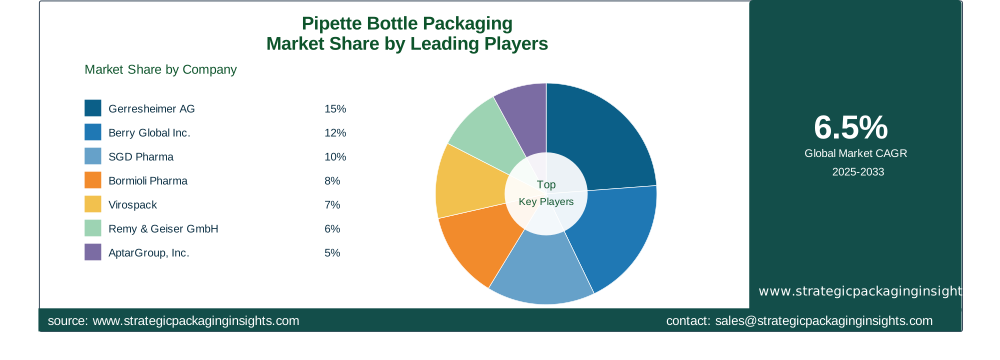
Among the major players in the pipette bottle packaging market, Gerresheimer AG holds a significant share due to its extensive product portfolio and strong distribution network. The company is known for its high-quality packaging solutions and has a strong presence in both the pharmaceutical and cosmetics sectors. Another key player, Berry Global Inc., is recognized for its innovative packaging solutions and commitment to sustainability. The company has made significant investments in research and development to create eco-friendly pipette bottles that meet the evolving needs of consumers and regulatory bodies.
Other notable companies in the market include SGD Pharma, which specializes in glass packaging solutions for the pharmaceutical industry. The company's focus on quality and safety has earned it a strong reputation in the market. Similarly, Bormioli Pharma is known for its comprehensive range of packaging solutions, including pipette bottles, which cater to the needs of the pharmaceutical and cosmetics industries. The company's emphasis on innovation and customer-centric solutions has helped it maintain a competitive edge in the market.
Furthermore, companies like Virospack and Remy & Geiser GmbH are making significant strides in the market by offering customized packaging solutions. These companies are leveraging their expertise in design and manufacturing to create unique pipette bottles that cater to specific consumer needs. The focus on customization and innovation is helping these companies differentiate themselves in a competitive market. Overall, the pipette bottle packaging market is poised for growth, driven by the increasing demand for precision dosing and sustainable packaging solutions.
Key Highlights
- The pipette bottle packaging market is projected to grow at a CAGR of 6.5% from 2025 to 2033.
- Increasing demand for precision dosing in pharmaceuticals and cosmetics is driving market growth.
- Eco-friendly and sustainable packaging solutions are gaining traction among consumers and manufacturers.
- Customization and personalization of pipette bottles are emerging trends in the market.
- The rise of e-commerce is creating new opportunities for pipette bottle packaging solutions.
- High production costs and regulatory compliance are significant challenges for market players.
- Strategic partnerships and collaborations are common strategies among key players to expand market presence.
Top Countries Insights
In the pipette bottle packaging market, the United States holds a significant share, with a market size of $300 million and a CAGR of 5%. The country's robust pharmaceutical and cosmetics industries are major growth drivers, along with a strong focus on innovation and sustainability. Regulatory support for eco-friendly packaging solutions is also contributing to market growth. Germany is another key market, valued at $250 million with a CAGR of 4%. The country's emphasis on quality and precision in packaging, particularly in the pharmaceutical sector, is driving demand for pipette bottles. Additionally, the presence of leading packaging companies and a strong focus on research and development are supporting market expansion.
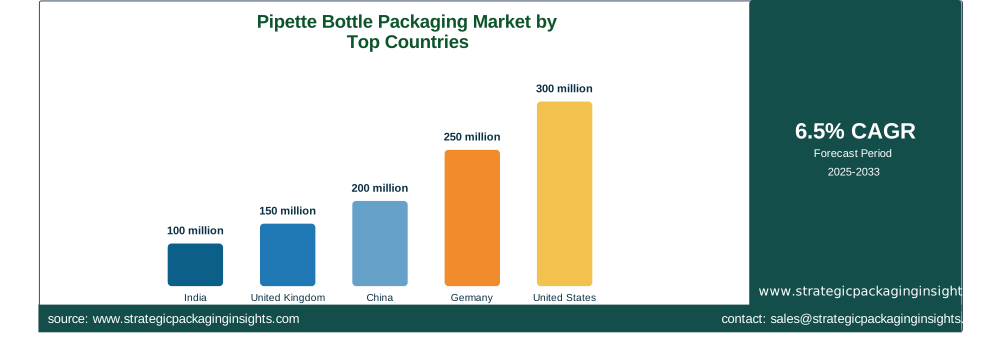
China is experiencing rapid growth in the pipette bottle packaging market, with a market size of $200 million and a CAGR of 7%. The country's booming cosmetics industry and increasing consumer awareness regarding product safety and hygiene are major growth drivers. Government initiatives to promote sustainable packaging solutions are also contributing to market growth. In the United Kingdom, the market is valued at $150 million with a CAGR of 3%. The country's strong focus on innovation and sustainability, along with a growing demand for precision dosing in the healthcare sector, is driving market growth.
India is emerging as a key market for pipette bottle packaging, with a market size of $100 million and a CAGR of 6%. The country's expanding pharmaceutical and cosmetics industries, along with increasing consumer awareness regarding product safety, are major growth drivers. Government initiatives to promote sustainable packaging solutions are also contributing to market growth. Overall, these countries are expected to play a significant role in the growth of the pipette bottle packaging market in the coming years.
Pipette Bottle Packaging Market Segments Insights

Material Analysis
The material segment of the pipette bottle packaging market is primarily divided into glass and plastic. Glass pipette bottles are favored for their superior barrier properties and ability to preserve the integrity of sensitive products. They are widely used in the pharmaceutical industry for packaging liquid medications that require precise dosing. The demand for glass pipette bottles is driven by their recyclability and eco-friendly nature, aligning with the growing trend towards sustainable packaging solutions. However, the high cost and fragility of glass can be a limitation, prompting manufacturers to explore innovative designs that enhance durability without compromising on quality.
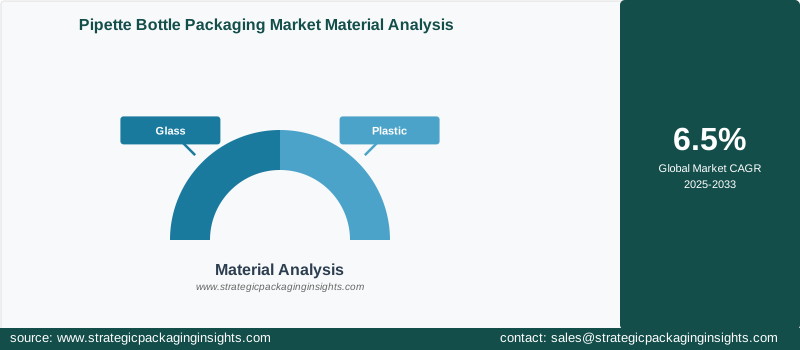
Plastic pipette bottles, on the other hand, are gaining popularity due to their lightweight nature and cost-effectiveness. They are extensively used in the cosmetics industry for packaging serums, oils, and other liquid products. The versatility of plastic allows for a wide range of design options, enabling brands to create unique and attractive packaging solutions. Additionally, advancements in material science are leading to the development of biodegradable and recyclable plastics, which are gaining traction among environmentally conscious consumers. The plastic segment is expected to witness significant growth, driven by the increasing demand for affordable and sustainable packaging solutions.
Application Analysis
The application segment of the pipette bottle packaging market is categorized into pharmaceuticals, cosmetics, chemicals, and food & beverages. The pharmaceutical industry is a major driver of demand for pipette bottles, as they provide precise dosing and ensure the safety and integrity of liquid medications. The increasing prevalence of chronic diseases and the growing demand for personalized medicine are further boosting the demand for pipette bottles in this sector. Additionally, regulatory requirements for safe and secure packaging in the pharmaceutical industry are driving manufacturers to innovate and develop high-quality pipette bottles.
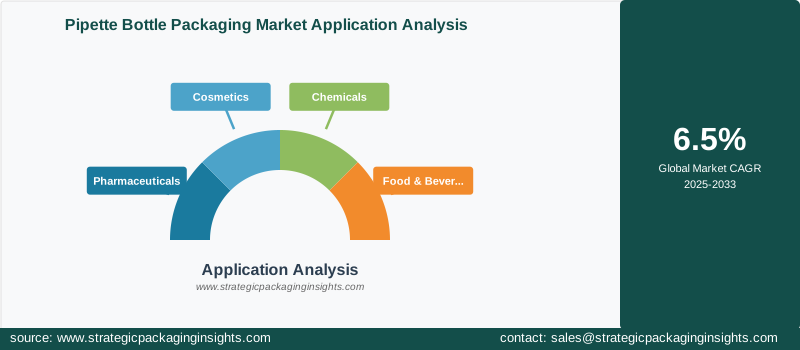
In the cosmetics industry, pipette bottles are widely used for packaging serums, oils, and other liquid products that require precise application. The growing trend of personalized skincare and the increasing demand for high-end cosmetic products are driving the demand for pipette bottles in this sector. The ability of pipette bottles to provide controlled dispensing and preserve product integrity makes them a preferred choice among consumers and manufacturers alike. The chemicals and food & beverages sectors also present opportunities for growth, as pipette bottles offer a convenient and efficient packaging solution for liquid products that require precise dosing.
Capacity Analysis
The capacity segment of the pipette bottle packaging market is divided into up to 10 ml, 10-30 ml, and above 30 ml. Pipette bottles with a capacity of up to 10 ml are widely used in the cosmetics industry for packaging serums and oils that require precise application. The growing trend of personalized skincare and the increasing demand for travel-sized products are driving the demand for small-capacity pipette bottles. Additionally, the rise of DIY beauty and healthcare products is creating opportunities for growth in this segment, as consumers seek convenient and user-friendly packaging solutions.
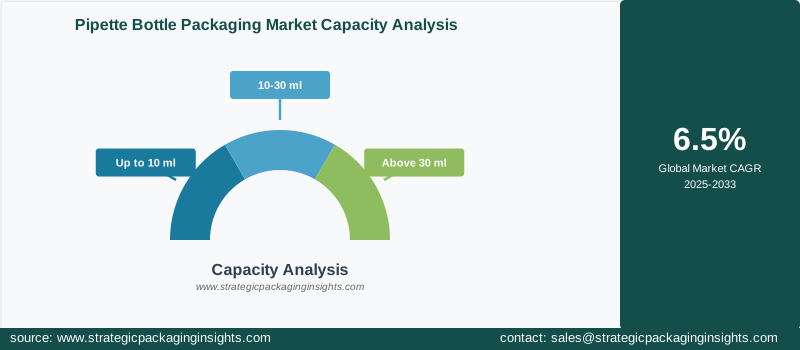
Pipette bottles with a capacity of 10-30 ml are commonly used in the pharmaceutical industry for packaging liquid medications that require precise dosing. The increasing prevalence of chronic diseases and the growing demand for personalized medicine are driving the demand for pipette bottles in this capacity range. Additionally, the rise of e-commerce and online retailing is creating opportunities for growth in this segment, as consumers seek convenient and efficient packaging solutions for their healthcare needs. Pipette bottles with a capacity of above 30 ml are used in the chemicals and food & beverages sectors for packaging liquid products that require precise dosing.
End-User Analysis
The end-user segment of the pipette bottle packaging market is categorized into healthcare, personal care, industrial, and food & beverage. The healthcare sector is a major driver of demand for pipette bottles, as they provide precise dosing and ensure the safety and integrity of liquid medications. The increasing prevalence of chronic diseases and the growing demand for personalized medicine are further boosting the demand for pipette bottles in this sector. Additionally, regulatory requirements for safe and secure packaging in the healthcare industry are driving manufacturers to innovate and develop high-quality pipette bottles.
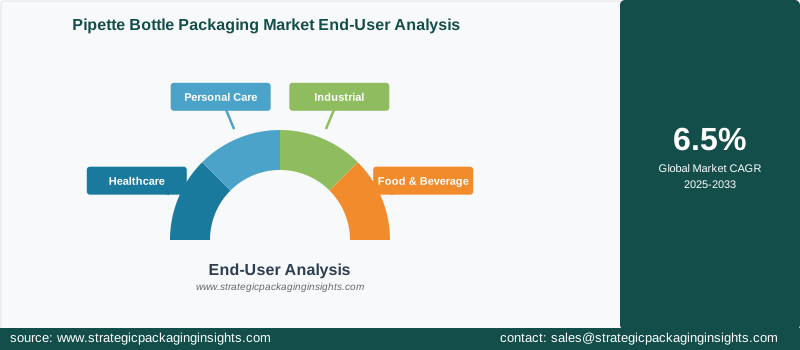
In the personal care sector, pipette bottles are widely used for packaging serums, oils, and other liquid products that require precise application. The growing trend of personalized skincare and the increasing demand for high-end cosmetic products are driving the demand for pipette bottles in this sector. The ability of pipette bottles to provide controlled dispensing and preserve product integrity makes them a preferred choice among consumers and manufacturers alike. The industrial and food & beverage sectors also present opportunities for growth, as pipette bottles offer a convenient and efficient packaging solution for liquid products that require precise dosing.
Pipette Bottle Packaging Market Segments
The Pipette Bottle Packaging market has been segmented on the basis ofMaterial
- Glass
- Plastic
Application
- Pharmaceuticals
- Cosmetics
- Chemicals
- Food & Beverages
Capacity
- Up to 10 ml
- 10-30 ml
- Above 30 ml
End-User
- Healthcare
- Personal Care
- Industrial
- Food & Beverage




