


Pulp Packaging Market Outlook
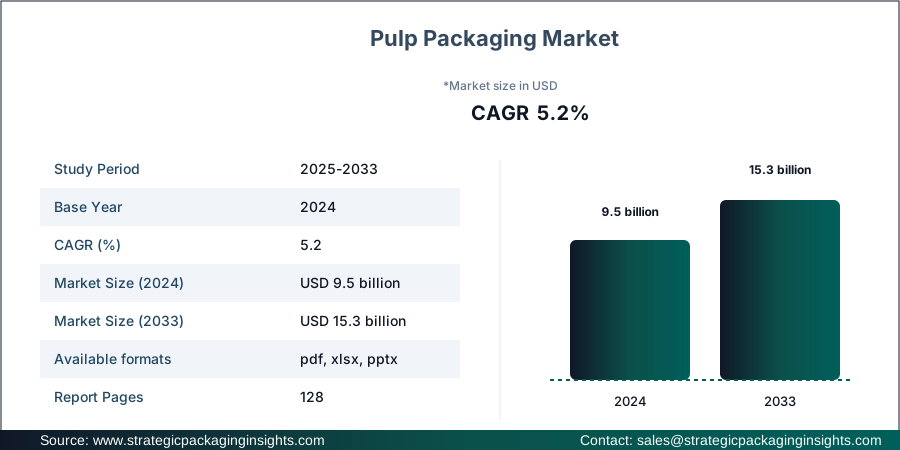
The pulp packaging market was valued at $9.5 billion in 2024 and is projected to reach $15.3 billion by 2033, growing at a CAGR of 5.2% during the forecast period 2025-2033. This growth is driven by increasing consumer awareness regarding sustainable packaging solutions and stringent environmental regulations that favor biodegradable materials. The demand for pulp packaging is further bolstered by its versatility and cost-effectiveness, making it a preferred choice across various industries, including food and beverage, healthcare, and electronics. As companies strive to reduce their carbon footprint, the adoption of eco-friendly packaging solutions like pulp packaging is expected to surge, providing significant growth opportunities in the coming years.
Report Scope
| Attributes | Details |
| Report Title | Pulp Packaging Market Size, Future Growth and Forecast 2033 |
| Material Type | Molded Pulp, Processed Pulp |
| Application | Food & Beverage, Healthcare, Electronics, Personal Care, Industrial |
| End-User | Retail, Institutional, Industrial |
| Region | Asia Pacific, North America, Europe, Latin America, Middle East & Africa |
| Base Year | 2024 |
| Historic Period | 2017-2023 |
| Forecast Period | 2025-2033 |
| Number of Pages | 128 |
| Customization Available | Yes* |
Opportunities & Threats
One of the most promising opportunities in the pulp packaging market is the rising demand for sustainable and biodegradable packaging solutions. As consumers become more environmentally conscious, there is a growing preference for products that minimize environmental impact. Pulp packaging, being biodegradable and recyclable, fits perfectly into this trend. Additionally, governments worldwide are implementing stricter regulations on plastic usage, further driving the demand for pulp-based alternatives. This shift towards sustainability is not only a regulatory requirement but also a market-driven demand, offering companies a chance to innovate and capture a larger market share by developing new and improved pulp packaging solutions.
Another opportunity lies in the technological advancements in pulp processing and packaging design. Innovations in manufacturing processes have led to the development of stronger, more durable pulp packaging materials that can withstand various environmental conditions. This has expanded the application scope of pulp packaging beyond traditional uses, allowing it to penetrate new markets such as electronics and personal care. Companies that invest in research and development to enhance the quality and functionality of pulp packaging are likely to gain a competitive edge and capitalize on the growing demand for versatile packaging solutions.
However, the pulp packaging market faces certain restrainers, primarily related to the cost and availability of raw materials. The production of pulp packaging relies heavily on the availability of raw materials such as wood pulp, which can be subject to price fluctuations and supply chain disruptions. Additionally, the initial investment required for setting up pulp packaging manufacturing facilities can be substantial, posing a barrier for new entrants. Companies need to strategically manage their supply chains and explore alternative raw material sources to mitigate these challenges and ensure a steady supply of pulp packaging products.
Drivers & Challenges
The primary driver of the pulp packaging market is the increasing consumer demand for eco-friendly packaging solutions. As awareness about environmental issues grows, consumers are actively seeking products that align with their values, leading to a surge in demand for biodegradable and recyclable packaging options. Pulp packaging, being derived from renewable resources, offers a sustainable alternative to traditional plastic packaging, making it highly attractive to environmentally conscious consumers. This shift in consumer preferences is encouraging companies to adopt pulp packaging solutions to enhance their brand image and meet the evolving demands of their customer base.
Another significant driver is the regulatory push towards sustainable packaging. Governments across the globe are implementing stringent regulations to curb plastic pollution and promote the use of biodegradable materials. These regulations are compelling companies to transition from conventional packaging materials to more sustainable options like pulp packaging. The regulatory landscape is expected to become even more stringent in the coming years, further accelerating the adoption of pulp packaging solutions. Companies that proactively adapt to these regulatory changes are likely to gain a competitive advantage and secure a strong position in the market.
Despite the positive drivers, the pulp packaging market faces challenges related to production costs and technological limitations. The manufacturing process of pulp packaging can be energy-intensive, leading to higher production costs compared to traditional packaging materials. Additionally, the quality and performance of pulp packaging can vary depending on the raw materials used and the manufacturing techniques employed. Companies need to invest in research and development to overcome these challenges and improve the cost-effectiveness and performance of pulp packaging solutions. By addressing these challenges, companies can enhance their competitiveness and expand their market presence.
Pulp Packaging Strategic Outlook
| Trend | Market Driver | Technological/Material Shift | Business Impact |
|---|---|---|---|
| Sustainability | Consumer Demand | Biodegradable Materials | Increased Market Share |
| Smart Tech | Innovation | Advanced Manufacturing | Cost Efficiency |
| Consumer Behavior | Eco-Consciousness | Design Innovation | Brand Loyalty |
| Logistics | Supply Chain Optimization | Efficient Distribution | Reduced Costs |
The pulp packaging market, valued at $9.5 billion in 2026, is poised for significant growth driven by sustainability trends and regulatory pressures. The primary disruptor in this niche is the increasing regulatory focus on Extended Producer Responsibility (EPR) compliance, which mandates companies to manage the lifecycle of their packaging materials. To maintain market share by 2033, brands should pivot towards integrating AI-driven design processes and transitioning to mono-material packaging solutions. This strategic foresight will not only ensure compliance with evolving regulations but also enhance operational efficiency and consumer appeal, positioning companies for long-term success in the competitive pulp packaging landscape.
Market Share Analysis
The pulp packaging market is characterized by a competitive landscape with several key players vying for market share. The market is dominated by a mix of established companies and emerging players, each striving to innovate and offer sustainable packaging solutions. The competitive dynamics are influenced by factors such as product quality, pricing strategies, and technological advancements. Companies that can effectively leverage these factors are likely to gain a competitive edge and capture a larger share of the market. The market is also witnessing increased consolidation as companies seek to expand their product portfolios and geographic reach through mergers and acquisitions.
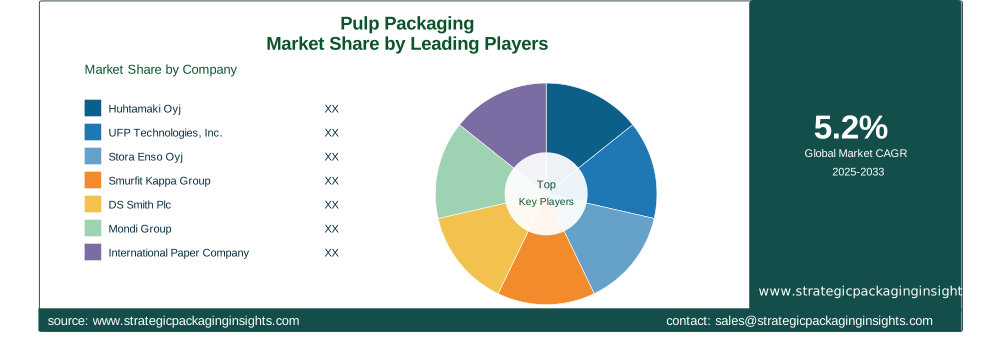
Among the major players in the pulp packaging market, Huhtamaki Oyj holds a significant market share, known for its innovative packaging solutions and strong global presence. The company focuses on sustainability and has made substantial investments in research and development to enhance its product offerings. Another key player, UFP Technologies, Inc., is recognized for its customized packaging solutions and commitment to environmental responsibility. The company has a diverse product portfolio catering to various industries, including healthcare, electronics, and food and beverage.
Stora Enso Oyj is another prominent player in the pulp packaging market, renowned for its sustainable packaging solutions and extensive experience in the industry. The company has a strong focus on innovation and has developed a range of eco-friendly packaging products that cater to the evolving needs of consumers. Similarly, Smurfit Kappa Group is a leading player with a comprehensive range of pulp packaging solutions. The company emphasizes sustainability and has implemented various initiatives to reduce its environmental impact and enhance its product offerings.
Other notable players in the market include DS Smith Plc, Mondi Group, and International Paper Company. These companies have established themselves as leaders in the pulp packaging industry through their commitment to sustainability, innovation, and customer satisfaction. They continue to invest in research and development to improve their product offerings and maintain their competitive position in the market. The competitive landscape is expected to intensify as more companies enter the market and existing players expand their product portfolios to meet the growing demand for sustainable packaging solutions.
Key Highlights
- The pulp packaging market is projected to grow at a CAGR of 5.2% from 2025 to 2033.
- Increasing consumer demand for sustainable packaging solutions is a major driver of market growth.
- Technological advancements in pulp processing are expanding the application scope of pulp packaging.
- Regulatory pressures are compelling companies to adopt eco-friendly packaging solutions.
- Raw material availability and cost fluctuations pose challenges to market growth.
- Key players are focusing on innovation and sustainability to gain a competitive edge.
- The market is witnessing increased consolidation through mergers and acquisitions.
- Asia Pacific is expected to be the fastest-growing region in the pulp packaging market.
- Companies are investing in research and development to enhance product quality and performance.
- The shift towards mono-material packaging solutions is gaining traction in the market.
Top Countries Insights
In the pulp packaging market, the United States holds a significant position with a market size of $2.5 billion and a CAGR of 4%. The country's growth is driven by increasing consumer awareness about sustainable packaging and stringent environmental regulations. The demand for pulp packaging in the U.S. is further bolstered by the presence of major players and technological advancements in packaging solutions.
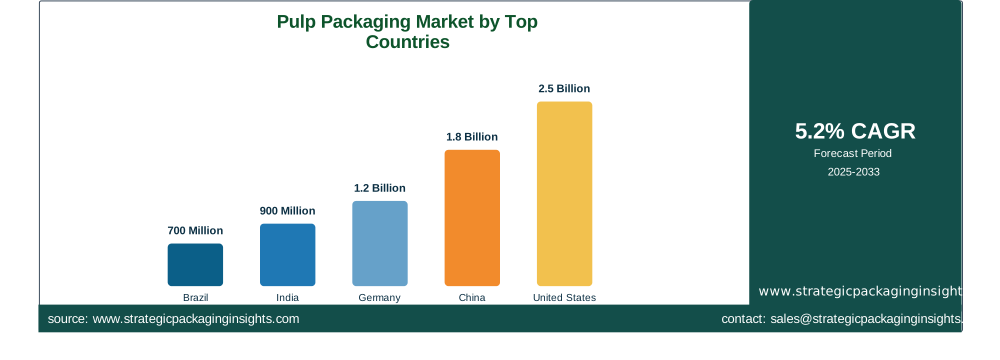
China is another key market for pulp packaging, with a market size of $1.8 billion and a CAGR of 6%. The country's growth is fueled by rapid industrialization, urbanization, and a growing middle class that is increasingly conscious of environmental issues. Government initiatives to promote sustainable packaging and reduce plastic waste are also contributing to the market's expansion.
Germany, with a market size of $1.2 billion and a CAGR of 5%, is a leading market in Europe for pulp packaging. The country's strong focus on sustainability and innovation in packaging solutions is driving market growth. The presence of established players and a well-developed recycling infrastructure further support the market's expansion.
India, with a market size of $900 million and a CAGR of 7%, is emerging as a lucrative market for pulp packaging. The country's growth is driven by increasing consumer awareness about environmental issues and government initiatives to promote sustainable packaging solutions. The growing e-commerce sector is also contributing to the demand for pulp packaging in India.
Brazil, with a market size of $700 million and a CAGR of 5%, is a key market in Latin America for pulp packaging. The country's growth is supported by a growing consumer base and increasing demand for sustainable packaging solutions. Government regulations aimed at reducing plastic waste are also driving the adoption of pulp packaging in Brazil.
Pulp Packaging Market Segments Insights

Material Type Analysis
The material type segment of the pulp packaging market is primarily divided into molded pulp and processed pulp. Molded pulp is widely used due to its cost-effectiveness and versatility, making it suitable for a range of applications, including food and beverage packaging, electronics, and industrial products. The demand for molded pulp is driven by its ability to provide excellent protection and cushioning for products, reducing the risk of damage during transportation. Additionally, molded pulp is biodegradable and recyclable, aligning with the growing consumer preference for sustainable packaging solutions.
Processed pulp, on the other hand, is gaining traction due to its enhanced strength and durability. This type of pulp packaging is ideal for applications that require higher levels of protection, such as electronics and healthcare products. The demand for processed pulp is further supported by technological advancements in pulp processing, which have led to the development of stronger and more durable packaging materials. Companies that invest in research and development to improve the quality and performance of processed pulp are likely to gain a competitive edge in the market.
Application Analysis
The application segment of the pulp packaging market is diverse, with key applications in the food and beverage, healthcare, electronics, personal care, and industrial sectors. The food and beverage industry is a major driver of demand for pulp packaging, as companies seek sustainable and cost-effective packaging solutions to meet consumer preferences and regulatory requirements. Pulp packaging is widely used for packaging fresh produce, eggs, and other perishable items, providing excellent protection and reducing the risk of contamination.
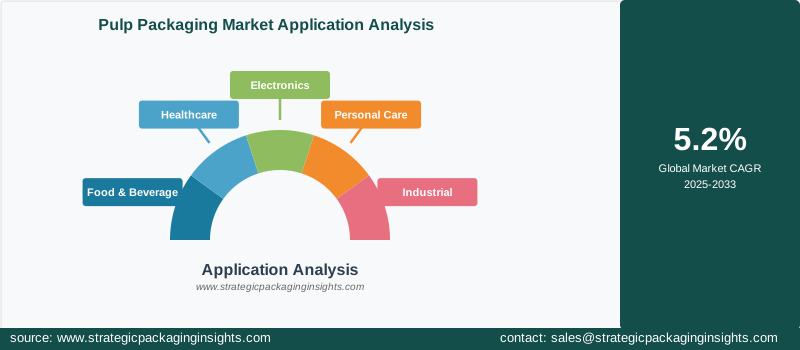
In the healthcare sector, pulp packaging is used for packaging medical devices, pharmaceuticals, and other healthcare products. The demand for pulp packaging in this sector is driven by the need for sterile and hygienic packaging solutions that minimize the risk of contamination. Similarly, the electronics industry is increasingly adopting pulp packaging for its ability to provide excellent protection and cushioning for delicate electronic components. The personal care and industrial sectors are also significant contributors to the demand for pulp packaging, as companies seek sustainable and eco-friendly packaging solutions to enhance their brand image and meet consumer expectations.
End-User Analysis
The end-user segment of the pulp packaging market is categorized into retail, institutional, and industrial users. Retail is the largest end-user segment, driven by the increasing demand for sustainable packaging solutions from consumers. Retailers are increasingly adopting pulp packaging to enhance their brand image and meet consumer preferences for eco-friendly products. The demand for pulp packaging in the retail sector is further supported by regulatory pressures to reduce plastic waste and promote sustainable packaging solutions.
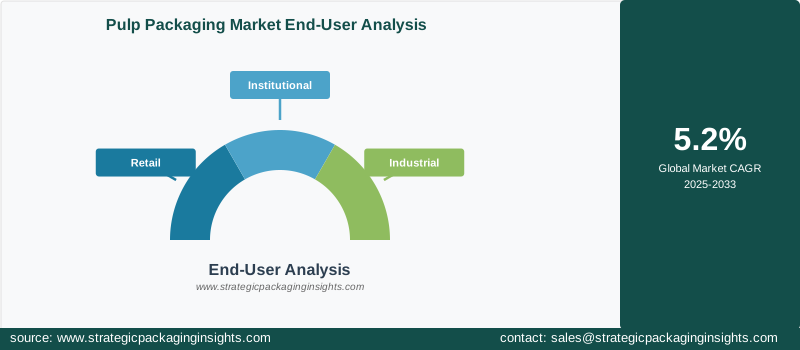
Institutional users, including hospitals, schools, and government agencies, are also significant contributors to the demand for pulp packaging. These institutions are increasingly adopting sustainable packaging solutions to reduce their environmental impact and comply with regulatory requirements. The industrial sector is another key end-user of pulp packaging, driven by the need for cost-effective and durable packaging solutions for transporting and storing industrial products. The demand for pulp packaging in the industrial sector is further supported by technological advancements in pulp processing, which have led to the development of stronger and more durable packaging materials.
Region Analysis
The pulp packaging market is geographically segmented into North America, Europe, Asia Pacific, Latin America, and the Middle East & Africa. Asia Pacific is expected to be the fastest-growing region in the pulp packaging market, driven by rapid industrialization, urbanization, and a growing middle class that is increasingly conscious of environmental issues. The demand for pulp packaging in this region is further supported by government initiatives to promote sustainable packaging solutions and reduce plastic waste.
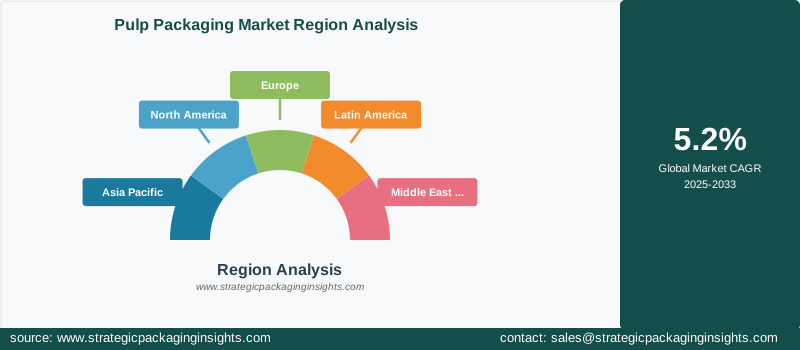
North America and Europe are also significant markets for pulp packaging, driven by increasing consumer awareness about sustainable packaging and stringent environmental regulations. The demand for pulp packaging in these regions is further supported by the presence of major players and technological advancements in packaging solutions. Latin America and the Middle East & Africa are emerging markets for pulp packaging, driven by a growing consumer base and increasing demand for sustainable packaging solutions. The demand for pulp packaging in these regions is further supported by government regulations aimed at reducing plastic waste and promoting sustainable packaging solutions.
Pulp Packaging Market Segments
The Pulp Packaging market has been segmented on the basis ofMaterial Type
- Molded Pulp
- Processed Pulp
Application
- Food & Beverage
- Healthcare
- Electronics
- Personal Care
- Industrial
End-User
- Retail
- Institutional
- Industrial
Region
- Asia Pacific
- North America
- Europe
- Latin America
- Middle East & Africa




