


Serialized Closure and Seal Components for Traceable Packaging Market Outlook
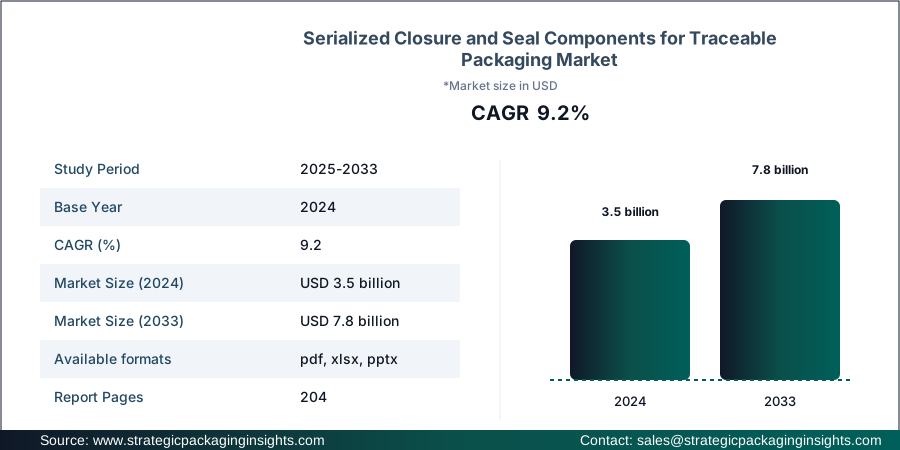
The Serialized Closure and Seal Components for Traceable Packaging market was valued at $3.5 billion in 2024 and is projected to reach $7.8 billion by 2033, growing at a CAGR of 9.2% during the forecast period 2025-2033. This market is driven by the increasing demand for secure and traceable packaging solutions across various industries such as pharmaceuticals, food and beverages, and cosmetics. The need for enhanced product safety, regulatory compliance, and consumer transparency is pushing manufacturers to adopt serialized closure and seal components. These components not only ensure product integrity but also facilitate efficient supply chain management by enabling real-time tracking and authentication. The integration of advanced technologies like RFID, QR codes, and barcodes into packaging solutions is further propelling market growth, offering enhanced traceability and anti-counterfeiting measures.
Report Scope
| Attributes | Details |
| Report Title | Serialized Closure and Seal Components for Traceable Packaging Market Size, Future Growth and Forecast 2033 |
| Component | Caps, Seals, Labels |
| Application | Pharmaceuticals, Food & Beverages, Cosmetics, Chemicals |
| Technology | RFID, QR Codes, Barcodes |
| End-User | Manufacturers, Distributors, Retailers |
| Base Year | 2024 |
| Historic Period | 2017-2023 |
| Forecast Period | 2025-2033 |
| Number of Pages | 204 |
| Customization Available | Yes* |
Opportunities & Threats
The market for serialized closure and seal components presents significant opportunities, particularly in the pharmaceutical sector, where stringent regulations and the need for secure packaging are paramount. The increasing prevalence of counterfeit drugs has led to a heightened focus on traceable packaging solutions that can ensure product authenticity and safety. Additionally, the food and beverage industry is witnessing a surge in demand for traceable packaging due to rising consumer awareness about food safety and quality. This trend is further supported by regulatory mandates that require detailed product information and traceability throughout the supply chain. As a result, companies are investing in innovative packaging solutions that incorporate serialization technologies to meet these demands and gain a competitive edge.
Another opportunity lies in the growing adoption of smart packaging technologies, which are transforming the packaging industry by providing enhanced functionality and interactivity. Smart packaging solutions, such as those incorporating IoT and AI, offer real-time data and insights into product conditions, enabling better inventory management and reducing waste. This trend is particularly relevant in the logistics and retail sectors, where efficient supply chain management is crucial. Companies that leverage these technologies in their serialized closure and seal components can offer value-added services to their clients, thereby expanding their market presence and driving growth.
However, the market faces certain restrainers, including the high cost of implementing serialization technologies and the complexity of integrating these solutions into existing packaging systems. Small and medium-sized enterprises (SMEs) may find it challenging to invest in advanced packaging technologies due to budget constraints, which could limit market growth. Additionally, the lack of standardized regulations across different regions can pose challenges for companies operating in the global market, as they need to navigate varying compliance requirements. These factors could hinder the widespread adoption of serialized closure and seal components, particularly in emerging markets where cost sensitivity is high.
Drivers & Challenges
The primary drivers of the serialized closure and seal components market include the increasing demand for product safety and authenticity, driven by regulatory requirements and consumer expectations. Governments worldwide are implementing stringent regulations to combat counterfeiting and ensure product integrity, particularly in the pharmaceutical and food industries. This has led to a surge in demand for traceable packaging solutions that can provide end-to-end visibility and authentication. Additionally, the growing trend of e-commerce and online retailing has increased the need for secure packaging solutions that can withstand the rigors of transportation and ensure product safety during delivery.
Technological advancements in serialization and traceability solutions are also driving market growth. The integration of RFID, QR codes, and barcodes into packaging components allows for real-time tracking and monitoring of products throughout the supply chain. These technologies not only enhance product security but also improve supply chain efficiency by enabling better inventory management and reducing the risk of stockouts. Furthermore, the increasing adoption of cloud-based solutions and IoT in packaging is providing companies with valuable data insights, enabling them to optimize their operations and enhance customer satisfaction.
Despite these drivers, the market faces several challenges, including the high cost of implementing serialization technologies and the complexity of integrating these solutions into existing packaging systems. The initial investment required for setting up serialization infrastructure can be substantial, particularly for SMEs with limited budgets. Additionally, the lack of standardized regulations across different regions can pose challenges for companies operating in the global market, as they need to navigate varying compliance requirements. These factors could hinder the widespread adoption of serialized closure and seal components, particularly in emerging markets where cost sensitivity is high.
Market Share Analysis
The competitive landscape of the Serialized Closure and Seal Components for Traceable Packaging market is characterized by the presence of several key players who are actively investing in research and development to enhance their product offerings. These companies are focusing on strategic partnerships, mergers, and acquisitions to expand their market presence and gain a competitive edge. The market is highly fragmented, with a mix of established players and emerging startups offering innovative solutions to meet the growing demand for traceable packaging.
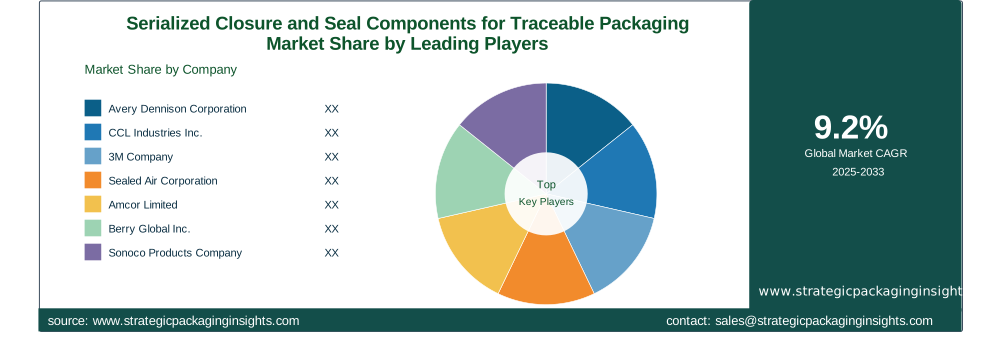
Among the major players in this market, Avery Dennison Corporation holds a significant market share due to its extensive product portfolio and strong distribution network. The company is known for its innovative labeling solutions that incorporate advanced serialization technologies, enabling real-time tracking and authentication. Similarly, CCL Industries Inc. is a prominent player in the market, offering a wide range of closure and seal components for various industries. The company's focus on sustainability and eco-friendly packaging solutions has further strengthened its market position.
Other notable companies in the market include 3M Company, which is renowned for its high-performance packaging solutions that ensure product safety and integrity. The company's commitment to innovation and quality has made it a preferred choice among manufacturers and retailers. Additionally, Sealed Air Corporation is a key player in the market, offering a comprehensive range of packaging solutions that incorporate serialization technologies for enhanced traceability and security.
Furthermore, companies like Amcor Limited and Berry Global Inc. are actively investing in research and development to introduce new and innovative packaging solutions that cater to the evolving needs of consumers and industries. These companies are leveraging advanced technologies such as RFID and IoT to offer smart packaging solutions that provide real-time data and insights, enabling better supply chain management and customer satisfaction. Overall, the competitive landscape of the Serialized Closure and Seal Components for Traceable Packaging market is dynamic, with companies continuously striving to innovate and differentiate their offerings to capture a larger market share.
Key Highlights
- Increasing demand for secure and traceable packaging solutions across various industries.
- Integration of advanced technologies like RFID, QR codes, and barcodes into packaging solutions.
- Growing adoption of smart packaging technologies for enhanced functionality and interactivity.
- High cost of implementing serialization technologies as a market restrainer.
- Technological advancements driving market growth and improving supply chain efficiency.
- Lack of standardized regulations posing challenges for global market players.
- Focus on sustainability and eco-friendly packaging solutions by key market players.
Top Countries Insights
In the Serialized Closure and Seal Components for Traceable Packaging market, the United States holds a significant market share, valued at approximately $1.2 billion, with a CAGR of 8%. The country's strong regulatory framework and emphasis on product safety and authenticity drive the demand for traceable packaging solutions. The presence of major pharmaceutical and food companies further boosts market growth.
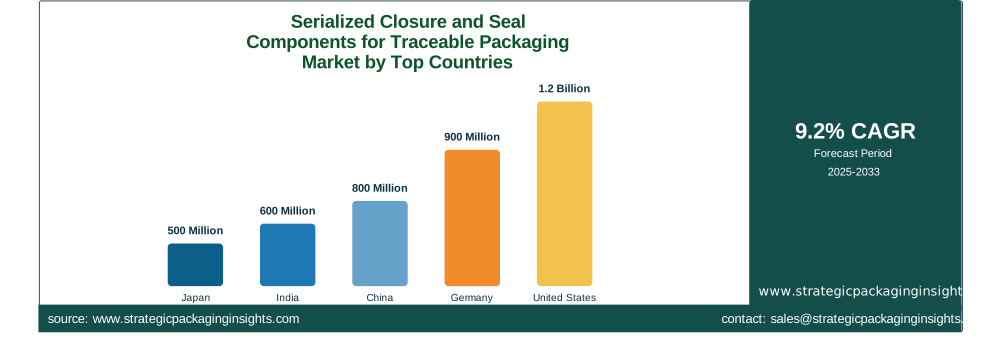
Germany is another key market, with a market size of $900 million and a CAGR of 7%. The country's focus on innovation and technology adoption in packaging solutions, coupled with stringent regulations, supports the growth of serialized closure and seal components. The automotive and chemical industries also contribute to the demand for traceable packaging in Germany.
China, with a market size of $800 million and a CAGR of 10%, is witnessing rapid growth in the serialized closure and seal components market. The country's expanding pharmaceutical and food industries, along with increasing consumer awareness about product safety, drive the demand for traceable packaging solutions. Government initiatives to combat counterfeiting further support market growth.
India, valued at $600 million with a CAGR of 12%, is emerging as a lucrative market for serialized closure and seal components. The country's growing pharmaceutical and food sectors, along with rising consumer awareness about product safety, fuel the demand for traceable packaging solutions. The government's focus on improving supply chain transparency and reducing counterfeiting also contributes to market growth.
Japan, with a market size of $500 million and a CAGR of 6%, is a mature market for serialized closure and seal components. The country's advanced technology infrastructure and emphasis on quality and safety drive the demand for traceable packaging solutions. The presence of major electronics and automotive companies further supports market growth.
Serialized Closure and Seal Components for Traceable Packaging Market Segments Insights

Component Analysis
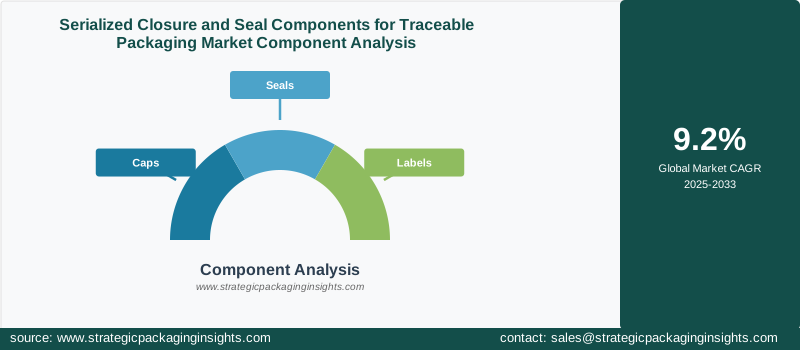
The component segment of the Serialized Closure and Seal Components for Traceable Packaging market includes caps, seals, and labels. Caps and seals are essential for ensuring product integrity and preventing tampering, making them crucial components in traceable packaging solutions. The demand for these components is driven by the need for secure packaging in industries such as pharmaceuticals, food and beverages, and cosmetics. Labels, on the other hand, play a vital role in providing product information and enabling traceability through serialization technologies like RFID, QR codes, and barcodes. The integration of these technologies into labels enhances product security and facilitates efficient supply chain management.
In terms of competition, the component segment is characterized by the presence of several key players who are actively investing in research and development to enhance their product offerings. Companies are focusing on developing innovative caps, seals, and labels that incorporate advanced serialization technologies to meet the growing demand for traceable packaging solutions. The increasing adoption of smart packaging technologies is also driving the demand for components that offer enhanced functionality and interactivity. As a result, companies are leveraging advanced technologies such as IoT and AI to offer value-added services to their clients, thereby expanding their market presence and driving growth.
Application Analysis
The application segment of the Serialized Closure and Seal Components for Traceable Packaging market includes pharmaceuticals, food and beverages, cosmetics, and chemicals. The pharmaceutical industry is a major driver of demand for traceable packaging solutions, as stringent regulations and the need for secure packaging are paramount. The increasing prevalence of counterfeit drugs has led to a heightened focus on serialization technologies that can ensure product authenticity and safety. Similarly, the food and beverage industry is witnessing a surge in demand for traceable packaging due to rising consumer awareness about food safety and quality. Regulatory mandates that require detailed product information and traceability throughout the supply chain further support this trend.
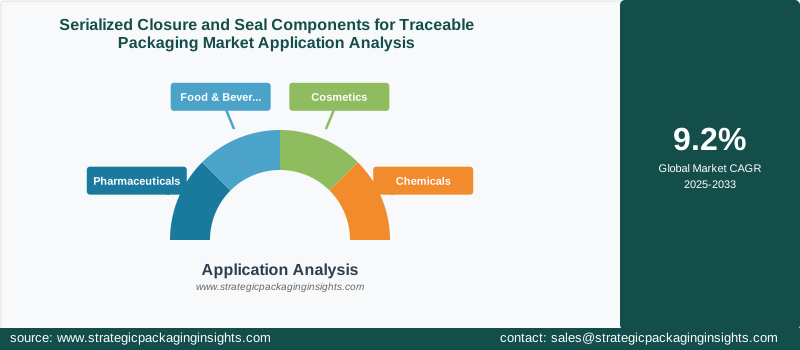
In the cosmetics industry, the demand for traceable packaging is driven by the need for product safety and authenticity, as well as the growing trend of personalized and customized products. The chemical industry also requires traceable packaging solutions to ensure the safe handling and transportation of hazardous materials. Overall, the application segment is characterized by the increasing adoption of serialization technologies across various industries to meet regulatory requirements and consumer expectations. Companies are investing in innovative packaging solutions that incorporate these technologies to gain a competitive edge and capture a larger market share.
Technology Analysis
The technology segment of the Serialized Closure and Seal Components for Traceable Packaging market includes RFID, QR codes, and barcodes. RFID technology is widely used in traceable packaging solutions due to its ability to provide real-time tracking and monitoring of products throughout the supply chain. The integration of RFID into packaging components enhances product security and improves supply chain efficiency by enabling better inventory management and reducing the risk of stockouts. QR codes and barcodes are also popular serialization technologies that offer cost-effective solutions for product authentication and traceability.
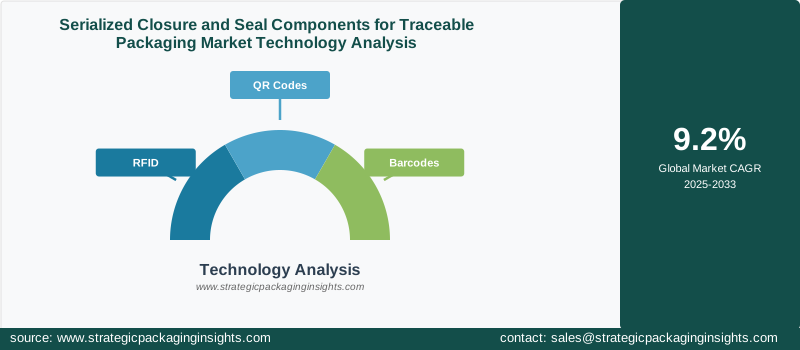
The increasing adoption of cloud-based solutions and IoT in packaging is providing companies with valuable data insights, enabling them to optimize their operations and enhance customer satisfaction. The technology segment is characterized by rapid advancements in serialization and traceability solutions, driven by the need for enhanced product safety and authenticity. Companies are leveraging these technologies to offer innovative packaging solutions that cater to the evolving needs of consumers and industries. As a result, the technology segment is expected to witness significant growth during the forecast period, driven by the increasing demand for secure and traceable packaging solutions.
End-User Analysis
The end-user segment of the Serialized Closure and Seal Components for Traceable Packaging market includes manufacturers, distributors, and retailers. Manufacturers are the primary end-users of traceable packaging solutions, as they are responsible for ensuring product safety and authenticity throughout the production process. The demand for serialized closure and seal components among manufacturers is driven by the need to comply with regulatory requirements and meet consumer expectations for secure packaging. Distributors and retailers also play a crucial role in the supply chain, as they are responsible for ensuring the safe handling and transportation of products.
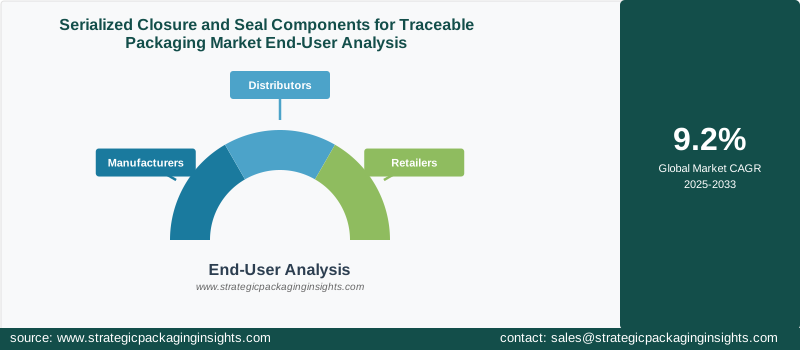
The increasing trend of e-commerce and online retailing has further fueled the demand for traceable packaging solutions among retailers, as they need to ensure product safety during delivery. The end-user segment is characterized by the growing adoption of serialization technologies across various industries to enhance supply chain transparency and reduce counterfeiting. Companies are investing in innovative packaging solutions that incorporate these technologies to offer value-added services to their clients and gain a competitive edge. Overall, the end-user segment is expected to witness significant growth during the forecast period, driven by the increasing demand for secure and traceable packaging solutions.
Serialized Closure and Seal Components for Traceable Packaging Market Segments
The Serialized Closure and Seal Components for Traceable Packaging market has been segmented on the basis ofComponent
- Caps
- Seals
- Labels
Application
- Pharmaceuticals
- Food & Beverages
- Cosmetics
- Chemicals
Technology
- RFID
- QR Codes
- Barcodes
End-User
- Manufacturers
- Distributors
- Retailers




