


2 Piece Aluminum Can Market Outlook
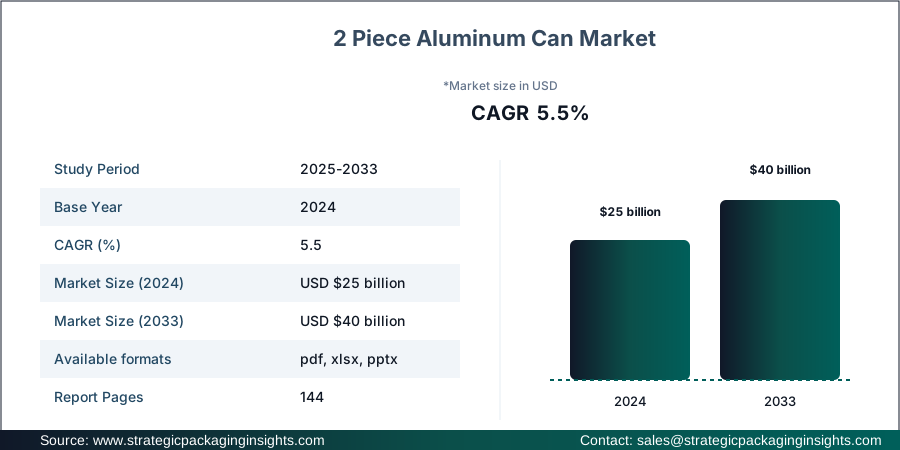
The 2 Piece Aluminum Can market was valued at $25 billion in 2024 and is projected to reach $40 billion by 2033, growing at a CAGR of 5.5% during the forecast period 2025-2033. This market is driven by the increasing demand for sustainable and recyclable packaging solutions, particularly in the beverage industry. The lightweight nature and excellent barrier properties of aluminum cans make them a preferred choice for packaging carbonated and non-carbonated drinks. Additionally, the growing trend of on-the-go consumption and the rising popularity of ready-to-drink beverages are further propelling the market growth. The market is also witnessing innovations in can design and printing technologies, enhancing the aesthetic appeal and functionality of aluminum cans.
Report Scope
| Attributes | Details |
| Report Title | 2 Piece Aluminum Can Market Size, Future Growth and Forecast 2033 |
| Material Type | Aluminum Alloy, Pure Aluminum |
| Application | Beverages, Food, Pharmaceuticals, Personal Care, Others |
| Manufacturing Process | Drawn and Ironed, Drawn and Redrawn |
| End-User | Beverage Industry, Food Industry, Pharmaceutical Industry, Personal Care Industry, Others |
| Base Year | 2024 |
| Historic Period | 2017-2023 |
| Forecast Period | 2025-2033 |
| Number of Pages | 144 |
| Customization Available | Yes* |
Opportunities & Threats
The 2 Piece Aluminum Can market presents significant opportunities driven by the increasing consumer preference for eco-friendly packaging solutions. As environmental concerns rise, consumers and manufacturers are shifting towards sustainable packaging options, and aluminum cans, being 100% recyclable, fit perfectly into this trend. The beverage industry, in particular, is capitalizing on this opportunity by adopting aluminum cans for packaging a wide range of products, from soft drinks to craft beers. Moreover, the growing demand for premium packaging in the food and beverage sector is creating opportunities for manufacturers to innovate and offer differentiated products that cater to the evolving consumer preferences.
Another opportunity lies in the technological advancements in can manufacturing processes. The development of advanced manufacturing techniques such as Drawn and Ironed (D&I) and Drawn and Redrawn (D&R) processes are enabling manufacturers to produce cans with improved strength and reduced material usage. This not only enhances the performance of the cans but also reduces production costs, making aluminum cans more competitive in the market. Additionally, the increasing focus on lightweighting and the use of thinner gauge materials are further driving the adoption of 2 Piece Aluminum Cans across various industries.
However, the market faces certain threats, primarily from the volatility in raw material prices. Aluminum prices are subject to fluctuations due to changes in supply and demand dynamics, geopolitical tensions, and trade policies. These fluctuations can impact the profitability of manufacturers and pose a challenge to maintaining competitive pricing. Furthermore, the increasing competition from alternative packaging materials such as plastics and glass, which offer different advantages, could also pose a threat to the growth of the 2 Piece Aluminum Can market.
Drivers & Challenges
The primary driver for the 2 Piece Aluminum Can market is the growing demand for sustainable packaging solutions. As consumers become more environmentally conscious, there is a significant shift towards packaging materials that are recyclable and have a lower environmental impact. Aluminum cans, being infinitely recyclable, are gaining traction as a preferred packaging choice, particularly in the beverage industry. The increasing consumption of canned beverages, driven by the convenience and portability they offer, is further fueling the demand for 2 Piece Aluminum Cans.
Another key driver is the advancements in can manufacturing technologies. Innovations in can design and production processes are enabling manufacturers to produce cans with enhanced features such as improved strength, reduced weight, and better barrier properties. These advancements are not only improving the performance of aluminum cans but also reducing production costs, making them more attractive to manufacturers and consumers alike. Additionally, the growing trend of premiumization in the beverage industry is driving the demand for aesthetically appealing and high-quality packaging solutions, further boosting the market growth.
Despite the positive growth drivers, the market faces challenges such as the high cost of aluminum compared to other packaging materials. The price volatility of aluminum, driven by fluctuations in global supply and demand, can impact the cost-effectiveness of aluminum cans. Moreover, the competition from alternative packaging materials such as plastics, which offer advantages like flexibility and cost-effectiveness, poses a challenge to the growth of the 2 Piece Aluminum Can market. Manufacturers need to continuously innovate and improve their product offerings to maintain a competitive edge in the market.
2 Piece Aluminum Can Strategic Outlook
| Trend | Market Driver | Technological/Material Shift | Business Impact |
|---|---|---|---|
| Sustainability | Eco-friendly Packaging Demand | Recyclable Materials | Increased Market Share |
| Smart Tech | Advanced Manufacturing Processes | Automation and AI | Cost Reduction |
| Consumer Behavior | On-the-go Consumption | Lightweighting | Higher Sales Volume |
| Logistics | Global Supply Chain Optimization | Efficient Distribution | Improved Profit Margins |
The 2 Piece Aluminum Can market, valued at $27 billion in 2026, is poised for significant growth driven by sustainability trends and technological advancements. The primary disruptor in this niche is the increasing regulatory focus on Extended Producer Responsibility (EPR) compliance, which mandates manufacturers to take responsibility for the entire lifecycle of their products. This regulatory shift is pushing brands to adopt more sustainable packaging solutions, such as aluminum cans, which are fully recyclable. To maintain market share by 2033, brands should pivot towards integrating AI-driven design processes and transitioning to mono-material packaging solutions. This strategic foresight will not only align with regulatory requirements but also cater to the evolving consumer demand for eco-friendly packaging.
Market Share Analysis
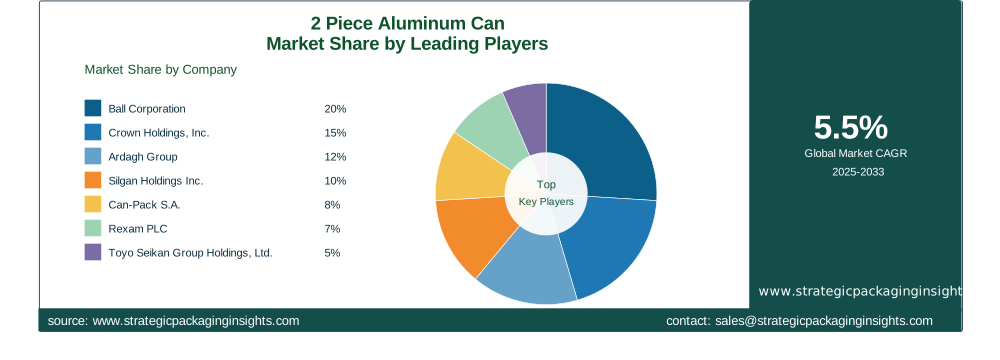
The competitive landscape of the 2 Piece Aluminum Can market is characterized by the presence of several key players who are driving innovation and growth in the industry. These companies are focusing on expanding their production capacities, enhancing their product offerings, and adopting advanced manufacturing technologies to maintain a competitive edge. The market is highly consolidated, with a few major players holding a significant share, while numerous smaller companies compete in niche segments.
Leading companies in the market are investing heavily in research and development to introduce new and improved products that cater to the changing consumer preferences. They are also focusing on strategic partnerships and collaborations to expand their market presence and enhance their distribution networks. The increasing demand for sustainable packaging solutions is prompting these companies to adopt eco-friendly practices and materials, further driving the market growth.
Some of the major companies in the 2 Piece Aluminum Can market include Ball Corporation, Crown Holdings, Inc., Ardagh Group, Silgan Holdings Inc., and Can-Pack S.A. These companies are leveraging their extensive industry experience and technological expertise to offer innovative and high-quality packaging solutions. They are also focusing on expanding their global footprint by establishing new production facilities and strengthening their distribution channels.
Ball Corporation, a leading player in the market, is known for its commitment to sustainability and innovation. The company offers a wide range of aluminum can products and has a strong presence in the beverage packaging industry. Crown Holdings, Inc. is another key player, renowned for its advanced manufacturing technologies and extensive product portfolio. Ardagh Group, with its focus on premium packaging solutions, is catering to the growing demand for high-quality and aesthetically appealing cans. Silgan Holdings Inc. and Can-Pack S.A. are also significant contributors to the market, offering a diverse range of packaging solutions to meet the needs of various industries.
Key Highlights
- The 2 Piece Aluminum Can market is projected to grow at a CAGR of 5.5% from 2025 to 2033.
- Increasing demand for sustainable and recyclable packaging solutions is driving market growth.
- Technological advancements in can manufacturing processes are enhancing product performance and reducing costs.
- The beverage industry is the largest end-user segment, accounting for a significant share of the market.
- Volatility in aluminum prices poses a challenge to market growth.
- Key players are focusing on expanding their production capacities and enhancing their product offerings.
- Strategic partnerships and collaborations are helping companies expand their market presence.
- Regulatory focus on Extended Producer Responsibility (EPR) compliance is influencing market dynamics.
- Innovations in can design and printing technologies are enhancing the aesthetic appeal of aluminum cans.
- Growing trend of on-the-go consumption is boosting the demand for 2 Piece Aluminum Cans.
Top Countries Insights
In the 2 Piece Aluminum Can market, the United States stands out with a market size of $8 billion and a CAGR of 4%. The country's growth is driven by the high consumption of canned beverages and the increasing demand for sustainable packaging solutions. The presence of major beverage manufacturers and the adoption of advanced manufacturing technologies further contribute to the market's expansion.
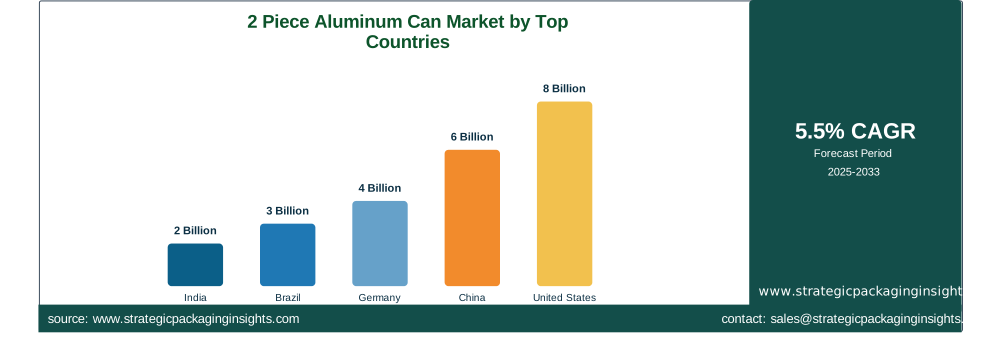
China, with a market size of $6 billion and a CAGR of 6%, is another key player in the market. The country's growth is fueled by the rising demand for ready-to-drink beverages and the increasing focus on eco-friendly packaging solutions. Government initiatives promoting sustainable practices and the expansion of the beverage industry are also driving the market growth.
Germany, with a market size of $4 billion and a CAGR of 5%, is a significant contributor to the market. The country's strong focus on sustainability and the presence of leading packaging manufacturers are key growth drivers. The increasing demand for premium packaging solutions in the beverage industry is also boosting the market.
Brazil, with a market size of $3 billion and a CAGR of 5%, is experiencing growth due to the rising consumption of canned beverages and the increasing adoption of aluminum cans as a sustainable packaging solution. The expansion of the beverage industry and the growing trend of on-the-go consumption are further propelling the market.
India, with a market size of $2 billion and a CAGR of 7%, is witnessing rapid growth driven by the increasing demand for packaged beverages and the shift towards sustainable packaging solutions. The government's focus on promoting eco-friendly practices and the expansion of the beverage industry are key factors contributing to the market's growth.
2 Piece Aluminum Can Market Segments Insights

Material Type Analysis
The Material Type segment of the 2 Piece Aluminum Can market is primarily divided into Aluminum Alloy and Pure Aluminum. Aluminum Alloy is the most widely used material due to its superior strength and durability, making it ideal for packaging applications. The demand for Aluminum Alloy is driven by its excellent barrier properties, which protect the contents from external factors such as light, oxygen, and moisture. This makes it a preferred choice for packaging beverages and food products, ensuring product freshness and extending shelf life.
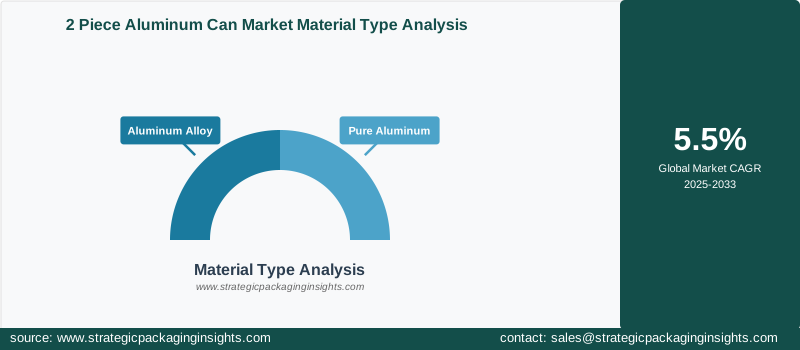
Pure Aluminum, on the other hand, is gaining traction due to its lightweight nature and recyclability. The increasing focus on sustainability and the demand for eco-friendly packaging solutions are driving the adoption of Pure Aluminum in the market. Manufacturers are investing in research and development to enhance the properties of Pure Aluminum, making it more competitive with Aluminum Alloy. The growing trend of lightweighting in packaging is also contributing to the demand for Pure Aluminum, as it reduces material usage and transportation costs.
Application Analysis
The Application segment of the 2 Piece Aluminum Can market includes Beverages, Food, Pharmaceuticals, Personal Care, and Others. The Beverages segment is the largest and most significant application, accounting for a substantial share of the market. The increasing consumption of canned beverages, driven by the convenience and portability they offer, is fueling the demand for 2 Piece Aluminum Cans. The growing trend of on-the-go consumption and the rising popularity of ready-to-drink beverages are further propelling the market growth.
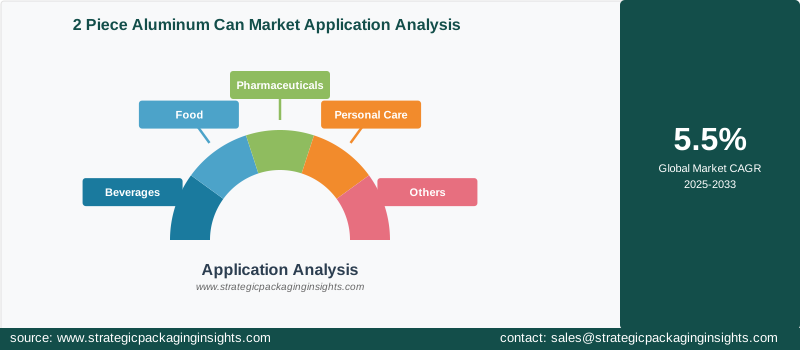
The Food segment is also witnessing significant growth, driven by the increasing demand for convenient and sustainable packaging solutions. Aluminum cans are preferred for packaging food products due to their excellent barrier properties, which protect the contents from external factors and ensure product freshness. The Pharmaceuticals and Personal Care segments are also contributing to the market growth, as manufacturers seek to offer innovative and high-quality packaging solutions that cater to the evolving consumer preferences.
Manufacturing Process Analysis
The Manufacturing Process segment of the 2 Piece Aluminum Can market is divided into Drawn and Ironed (D&I) and Drawn and Redrawn (D&R) processes. The D&I process is the most widely used manufacturing technique, as it allows for the production of lightweight and strong cans with minimal material usage. This process is preferred by manufacturers due to its cost-effectiveness and efficiency, making it ideal for large-scale production.
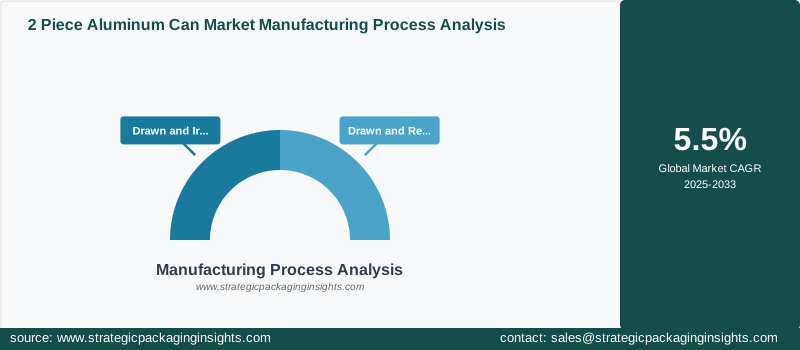
The D&R process, on the other hand, is gaining popularity due to its ability to produce cans with enhanced strength and durability. This process is preferred for applications that require high-performance packaging solutions, such as the packaging of carbonated beverages and other pressurized products. The increasing focus on lightweighting and the use of thinner gauge materials are driving the adoption of the D&R process, as it allows for the production of cans with reduced material usage and improved performance.
End-User Analysis
The End-User segment of the 2 Piece Aluminum Can market includes the Beverage Industry, Food Industry, Pharmaceutical Industry, Personal Care Industry, and Others. The Beverage Industry is the largest end-user segment, accounting for a significant share of the market. The increasing consumption of canned beverages, driven by the convenience and portability they offer, is fueling the demand for 2 Piece Aluminum Cans. The growing trend of on-the-go consumption and the rising popularity of ready-to-drink beverages are further propelling the market growth.
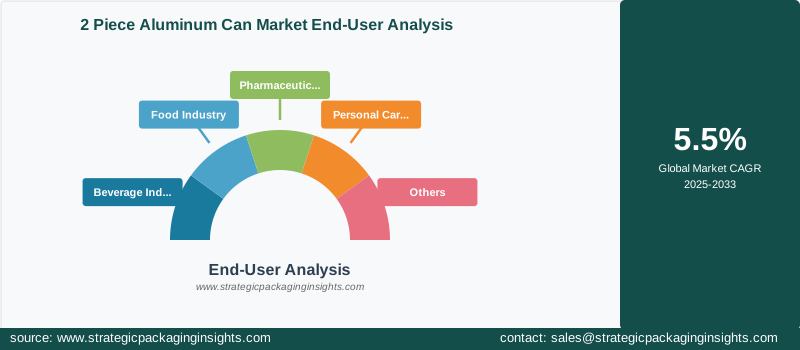
The Food Industry is also witnessing significant growth, driven by the increasing demand for convenient and sustainable packaging solutions. Aluminum cans are preferred for packaging food products due to their excellent barrier properties, which protect the contents from external factors and ensure product freshness. The Pharmaceutical and Personal Care Industries are also contributing to the market growth, as manufacturers seek to offer innovative and high-quality packaging solutions that cater to the evolving consumer preferences.
2 Piece Aluminum Can Market Segments
The 2 Piece Aluminum Can market has been segmented on the basis ofMaterial Type
- Aluminum Alloy
- Pure Aluminum
Application
- Beverages
- Food
- Pharmaceuticals
- Personal Care
- Others
Manufacturing Process
- Drawn and Ironed
- Drawn and Redrawn
End-User
- Beverage Industry
- Food Industry
- Pharmaceutical Industry
- Personal Care Industry
- Others




