


Post-Industrial Recyclate Flexible Packaging Market Outlook
The Post-Industrial Recyclate Flexible Packaging market was valued at $12.5 billion in 2024 and is projected to reach $20.3 billion by 2033, growing at a CAGR of 5.8% during the forecast period 2025-2033. This market is driven by the increasing demand for sustainable packaging solutions, as industries worldwide are under pressure to reduce their carbon footprint and adhere to stringent environmental regulations. The shift towards circular economy practices has further fueled the adoption of post-industrial recyclate materials, which are derived from industrial waste and offer a viable alternative to virgin materials. The food and beverage sector, in particular, is a significant contributor to this market's growth, as companies seek to enhance their sustainability credentials by incorporating recycled content into their packaging.
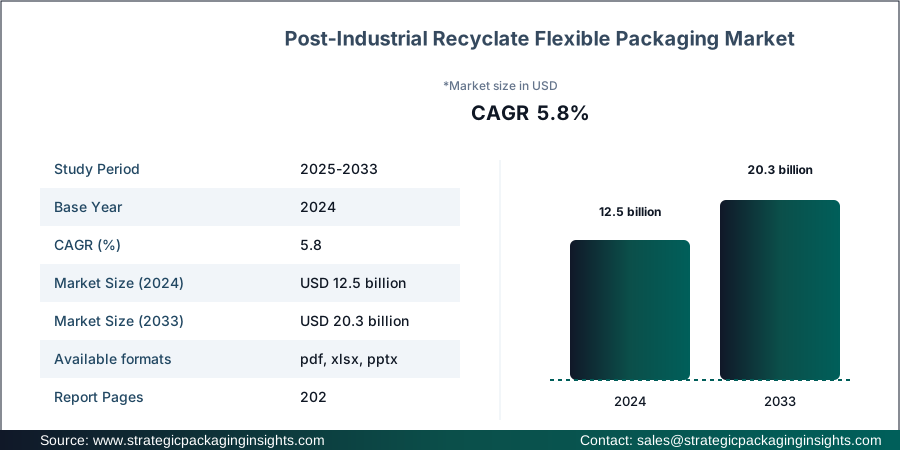
However, the market faces challenges such as the high cost of recycling processes and the limited availability of high-quality recyclate materials. Regulatory frameworks across different regions also pose a challenge, as they vary significantly, impacting the standardization of recyclate quality and usage. Despite these hurdles, the market holds substantial growth potential, driven by technological advancements in recycling processes and increasing consumer awareness about environmental sustainability. Companies are investing in research and development to improve the quality and performance of recyclate materials, which is expected to open new avenues for market expansion.
Report Scope
| Attributes | Details |
| Report Title | Post-Industrial Recyclate Flexible Packaging Market Size, Future Growth and Forecast 2033 |
| Material Type | Polyethylene, Polypropylene |
| Application | Food & Beverage, Healthcare |
| End-User | Manufacturers, Retailers |
| Region | North America, Europe |
| Base Year | 2024 |
| Historic Period | 2017-2023 |
| Forecast Period | 2025-2033 |
| Number of Pages | 202 |
| Customization Available | Yes* |
Opportunities & Threats
The Post-Industrial Recyclate Flexible Packaging market presents numerous opportunities, particularly in the realm of technological innovation. Advances in recycling technologies are enabling the production of higher-quality recyclate materials that can compete with virgin materials in terms of performance and aesthetics. This is particularly important for industries such as food and beverage, where packaging quality is paramount. Additionally, the growing consumer demand for sustainable products is pushing companies to adopt more eco-friendly packaging solutions, creating a fertile ground for market expansion. The integration of smart technologies in packaging, such as QR codes and RFID tags, also offers opportunities for enhancing product traceability and consumer engagement.
Another significant opportunity lies in the expansion of the market in emerging economies. As these regions industrialize and urbanize, the demand for packaged goods is rising, leading to increased waste generation. This creates a substantial opportunity for the recyclate flexible packaging market to provide sustainable solutions that can help manage waste effectively. Governments in these regions are also increasingly supportive of recycling initiatives, providing incentives and subsidies to encourage the adoption of sustainable practices.
However, the market is not without its threats. One of the primary restrainers is the fluctuating prices of raw materials, which can impact the cost-effectiveness of recyclate packaging solutions. Additionally, the market faces competition from alternative sustainable packaging solutions, such as biodegradable and compostable materials, which are gaining traction due to their perceived environmental benefits. The lack of consumer awareness and understanding of recyclate materials can also pose a challenge, as misconceptions about their quality and safety may hinder market growth.
Drivers & Challenges
The primary drivers of the Post-Industrial Recyclate Flexible Packaging market include the increasing regulatory pressure to reduce plastic waste and the growing consumer demand for sustainable packaging solutions. Governments worldwide are implementing stringent regulations to curb plastic pollution, which is driving companies to seek alternative packaging solutions that align with these mandates. The European Union's directive on single-use plastics and the Extended Producer Responsibility (EPR) schemes are examples of such regulatory frameworks that are propelling the market forward. Additionally, the rising consumer awareness about the environmental impact of packaging waste is pushing brands to adopt more sustainable practices, further driving market growth.
Technological advancements in recycling processes are also a significant driver of the market. Innovations in sorting and processing technologies are improving the efficiency and quality of recyclate materials, making them more competitive with virgin materials. The development of advanced recycling techniques, such as chemical recycling, is enabling the conversion of complex plastic waste into high-quality recyclate, expanding the range of applications for these materials. This is particularly important for industries such as healthcare and personal care, where packaging quality and safety are critical.
Despite these drivers, the market faces several challenges. One of the primary challenges is the high cost of recycling processes, which can make recyclate materials less competitive with virgin materials in terms of price. Additionally, the limited availability of high-quality recyclate materials can constrain market growth, as companies may struggle to secure a consistent supply of materials that meet their quality standards. The lack of standardization in recyclate quality and the varying regulatory frameworks across different regions also pose challenges, as they can impact the consistency and reliability of recyclate materials.
Market Share Analysis
The competitive landscape of the Post-Industrial Recyclate Flexible Packaging market is characterized by the presence of several key players who are actively investing in research and development to enhance the quality and performance of recyclate materials. These companies are focusing on expanding their product portfolios and strengthening their market presence through strategic partnerships and acquisitions. The market is moderately fragmented, with a mix of large multinational corporations and small to medium-sized enterprises competing for market share.
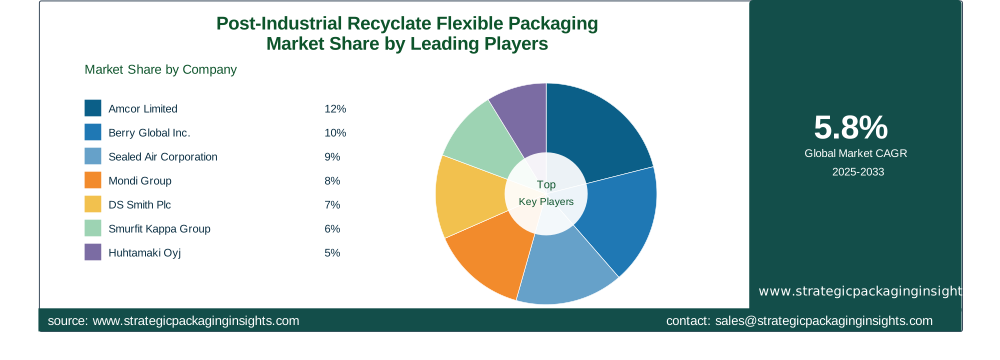
Among the major players in the market, Amcor Limited holds a significant share due to its extensive product offerings and strong global presence. The company is known for its innovative packaging solutions and commitment to sustainability, which has helped it maintain a competitive edge in the market. Another key player, Berry Global Inc., is recognized for its comprehensive range of flexible packaging solutions and its focus on incorporating recycled content into its products. The company's strategic acquisitions and partnerships have further bolstered its market position.
Sealed Air Corporation is another prominent player in the market, known for its advanced packaging technologies and sustainable solutions. The company's focus on innovation and customer-centric approach has enabled it to capture a substantial share of the market. Mondi Group, with its strong emphasis on sustainability and innovation, is also a key player in the market. The company's extensive product portfolio and global reach have contributed to its strong market position.
Other notable companies in the market include DS Smith Plc, Smurfit Kappa Group, and Huhtamaki Oyj, all of which are actively investing in sustainable packaging solutions and expanding their market presence through strategic initiatives. These companies are leveraging their expertise and resources to develop high-quality recyclate materials that meet the evolving needs of consumers and industries.
Key Highlights
- The market is projected to grow at a CAGR of 5.8% from 2025 to 2033, driven by increasing demand for sustainable packaging solutions.
- Technological advancements in recycling processes are enhancing the quality and performance of recyclate materials.
- Regulatory frameworks such as the EU's directive on single-use plastics are propelling market growth.
- The food and beverage sector is a significant contributor to market expansion, driven by the need for sustainable packaging.
- Emerging economies present substantial growth opportunities due to rising demand for packaged goods and supportive government policies.
- Fluctuating raw material prices and competition from alternative sustainable packaging solutions pose challenges to market growth.
- Key players in the market are focusing on research and development to enhance product quality and expand their market presence.
Top Countries Insights
In the Post-Industrial Recyclate Flexible Packaging market, the United States holds a significant share, with a market size of $3.2 billion and a CAGR of 6%. The country's strong regulatory framework and consumer demand for sustainable packaging solutions are key growth drivers. The implementation of Extended Producer Responsibility (EPR) schemes and increasing investments in recycling infrastructure are further supporting market growth.
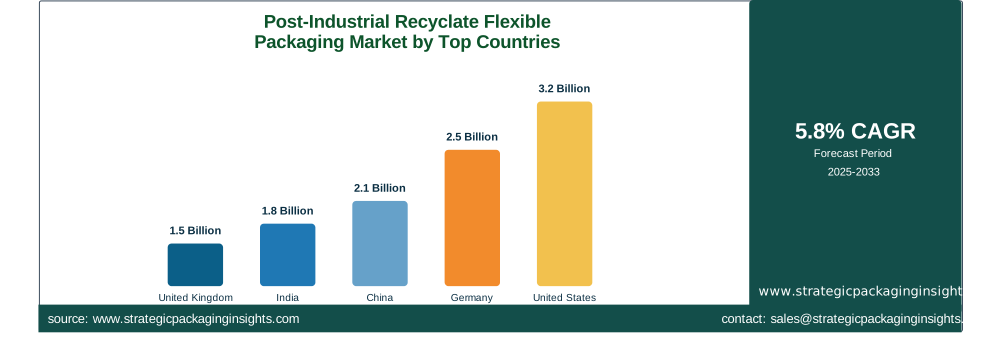
Germany is another major player in the market, with a market size of $2.5 billion and a CAGR of 5%. The country's stringent environmental regulations and strong focus on sustainability are driving the adoption of recyclate materials. The government's support for recycling initiatives and the presence of leading packaging companies are also contributing to market growth.
China, with a market size of $2.1 billion and a CAGR of 7%, is experiencing rapid growth in the recyclate flexible packaging market. The country's industrialization and urbanization are leading to increased waste generation, creating opportunities for sustainable packaging solutions. Government policies promoting recycling and the development of recycling infrastructure are key growth drivers.
India, with a market size of $1.8 billion and a CAGR of 8%, is emerging as a significant market for recyclate flexible packaging. The country's growing middle class and increasing demand for packaged goods are driving market growth. Government initiatives to promote recycling and reduce plastic waste are also supporting market expansion.
The United Kingdom, with a market size of $1.5 billion and a CAGR of 4%, is focusing on reducing plastic waste and promoting sustainable packaging solutions. The country's regulatory framework and consumer awareness about environmental sustainability are key growth drivers. The presence of leading packaging companies and investments in recycling technologies are also contributing to market growth.
Post-Industrial Recyclate Flexible Packaging Market Segments Insights

Material Type Analysis
The material type segment of the Post-Industrial Recyclate Flexible Packaging market is dominated by polyethylene, which is widely used due to its versatility and cost-effectiveness. Polyethylene recyclate is favored for its durability and ability to be molded into various shapes, making it suitable for a wide range of applications. The demand for polyethylene recyclate is driven by its use in the food and beverage industry, where it is used for packaging products such as bags, pouches, and wraps. The increasing focus on sustainability and the need to reduce plastic waste are further driving the demand for polyethylene recyclate.
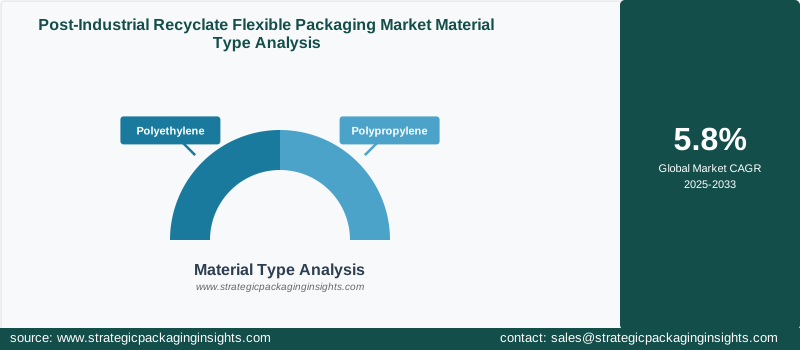
Polypropylene is another significant material type in the market, known for its strength and resistance to chemicals. Polypropylene recyclate is used in applications that require high durability and resistance to environmental factors. The healthcare and personal care industries are major consumers of polypropylene recyclate, as it is used for packaging products such as bottles, containers, and caps. The growing demand for sustainable packaging solutions in these industries is driving the adoption of polypropylene recyclate.
Application Analysis
The application segment of the Post-Industrial Recyclate Flexible Packaging market is led by the food and beverage industry, which is the largest consumer of recyclate materials. The industry's focus on sustainability and the need to reduce packaging waste are driving the demand for recyclate flexible packaging solutions. The use of recyclate materials in food and beverage packaging helps companies meet regulatory requirements and enhance their sustainability credentials. The increasing consumer demand for eco-friendly packaging is also contributing to the growth of this segment.
The healthcare industry is another significant application segment, driven by the need for high-quality and safe packaging solutions. The use of recyclate materials in healthcare packaging helps reduce the environmental impact of packaging waste and aligns with the industry's sustainability goals. The personal care industry is also a key consumer of recyclate flexible packaging, as companies seek to enhance their sustainability credentials and meet consumer demand for eco-friendly products.
End-User Analysis
The end-user segment of the Post-Industrial Recyclate Flexible Packaging market is dominated by manufacturers, who are the primary consumers of recyclate materials. Manufacturers are increasingly adopting recyclate flexible packaging solutions to meet regulatory requirements and enhance their sustainability credentials. The use of recyclate materials helps manufacturers reduce their carbon footprint and align with consumer demand for sustainable products. The growing focus on sustainability and the need to reduce packaging waste are driving the adoption of recyclate flexible packaging among manufacturers.
Retailers are another significant end-user segment, as they seek to enhance their sustainability credentials and meet consumer demand for eco-friendly products. The use of recyclate flexible packaging helps retailers reduce their environmental impact and align with consumer preferences for sustainable packaging solutions. Distributors are also key consumers of recyclate flexible packaging, as they seek to reduce packaging waste and enhance their sustainability credentials.
Region Analysis
The regional analysis of the Post-Industrial Recyclate Flexible Packaging market reveals that North America holds a significant share, driven by the strong regulatory framework and consumer demand for sustainable packaging solutions. The presence of leading packaging companies and investments in recycling infrastructure are also contributing to market growth. Europe is another major market, driven by stringent environmental regulations and a strong focus on sustainability. The presence of leading packaging companies and government support for recycling initiatives are key growth drivers.
Asia Pacific is experiencing rapid growth in the recyclate flexible packaging market, driven by industrialization and urbanization. The region's growing middle class and increasing demand for packaged goods are creating opportunities for sustainable packaging solutions. Government policies promoting recycling and the development of recycling infrastructure are key growth drivers. Latin America and the Middle East & Africa are also emerging markets, driven by the increasing demand for sustainable packaging solutions and supportive government policies.
Post-Industrial Recyclate Flexible Packaging Market Segments
The Post-Industrial Recyclate Flexible Packaging market has been segmented on the basis ofMaterial Type
- Polyethylene
- Polypropylene
Application
- Food & Beverage
- Healthcare
End-User
- Manufacturers
- Retailers
Region
- North America
- Europe




