


Tamper-Evidence & Anti-Counterfeit Packaging Features for High-Value DPP-Tagged Packs Market Outlook
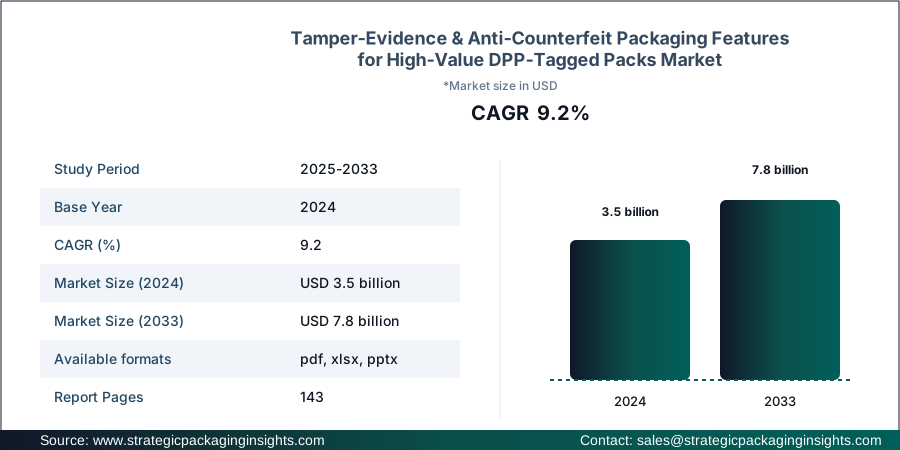
The Tamper-Evidence & Anti-Counterfeit Packaging Features for High-Value DPP-Tagged Packs market was valued at $3.5 billion in 2024 and is projected to reach $7.8 billion by 2033, growing at a CAGR of 9.2% during the forecast period 2025-2033. This market is driven by the increasing demand for secure packaging solutions in industries such as pharmaceuticals, electronics, and luxury goods. The rise in counterfeit products has necessitated the adoption of advanced packaging technologies that ensure product authenticity and integrity. Additionally, regulatory mandates across various regions are pushing manufacturers to implement tamper-evident and anti-counterfeit features, further propelling market growth.
Report Scope
| Attributes | Details |
| Report Title | Tamper-Evidence & Anti-Counterfeit Packaging Features for High-Value DPP-Tagged Packs Market Size, Future Growth and Forecast 2033 |
| Material | Plastic, Paper, Metal, Glass |
| Technology | RFID, Barcode, Holograms, Security Seals |
| End-User | Pharmaceuticals, Food & Beverages |
| Region | North America, Europe |
| Base Year | 2024 |
| Historic Period | 2017-2023 |
| Forecast Period | 2025-2033 |
| Number of Pages | 143 |
| Customization Available | Yes* |
Opportunities & Threats
One of the significant opportunities in the Tamper-Evidence & Anti-Counterfeit Packaging market lies in the integration of smart technologies such as RFID and NFC. These technologies not only enhance the security features of packaging but also provide real-time tracking and authentication capabilities. As the Internet of Things (IoT) continues to expand, the demand for smart packaging solutions is expected to rise, offering lucrative opportunities for market players. Furthermore, the growing e-commerce sector presents another opportunity, as online retailers seek to protect their products during transit and ensure customer satisfaction by preventing tampering and counterfeiting.
Another opportunity is the increasing consumer awareness regarding product safety and authenticity. Consumers are becoming more vigilant about the products they purchase, especially in sectors like pharmaceuticals and food & beverages. This shift in consumer behavior is encouraging manufacturers to adopt advanced packaging solutions that offer visible tamper-evidence and anti-counterfeit features. Companies that can effectively communicate the security benefits of their packaging solutions to consumers are likely to gain a competitive edge in the market.
However, the market faces certain restrainers, such as the high cost of implementing advanced packaging technologies. Small and medium-sized enterprises (SMEs) may find it challenging to invest in these technologies due to budget constraints. Additionally, the complexity of integrating new technologies into existing packaging lines can pose operational challenges. These factors may hinder the widespread adoption of tamper-evident and anti-counterfeit packaging solutions, particularly among smaller players in the market.
Drivers & Challenges
The primary driver for the Tamper-Evidence & Anti-Counterfeit Packaging market is the increasing incidence of counterfeit products across various industries. Counterfeiting not only affects brand reputation but also poses significant risks to consumer safety, especially in sectors like pharmaceuticals and food. As a result, companies are investing heavily in packaging solutions that can effectively deter counterfeiting and ensure product integrity. Regulatory requirements mandating the use of tamper-evident features in certain industries further drive the demand for these packaging solutions.
Another key driver is the advancement in packaging technologies. Innovations such as holograms, security seals, and digital watermarks are enhancing the effectiveness of anti-counterfeit packaging. These technologies provide multiple layers of security, making it increasingly difficult for counterfeiters to replicate products. The continuous development of new materials and technologies is expected to drive market growth by offering more robust and cost-effective solutions.
Despite these drivers, the market faces challenges such as the need for standardization and interoperability of technologies. With various technologies available, there is a lack of uniform standards, which can lead to compatibility issues and hinder the seamless integration of different systems. Additionally, the rapid pace of technological advancements requires companies to continuously update their packaging solutions, which can be resource-intensive. Addressing these challenges will be crucial for the sustained growth of the market.
Tamper-Evidence & Anti-Counterfeit Packaging Features for High-Value DPP-Tagged Packs Strategic Outlook
| Trend | Market Driver | Technological/Material Shift | Business Impact |
|---|---|---|---|
| Sustainability | Regulatory Compliance | Biodegradable Materials | Reduced Environmental Footprint |
| Smart Tech | IoT Integration | RFID/NFC Adoption | Enhanced Product Tracking |
| Consumer Behavior | Demand for Authenticity | Visible Tamper-Evidence | Increased Consumer Trust |
| Logistics | Supply Chain Security | Blockchain Technology | Improved Traceability |
In 2026, the Tamper-Evidence & Anti-Counterfeit Packaging market is poised at a critical juncture, with a valuation of $4.2 billion. The primary disruptor in this niche is the stringent regulatory landscape, particularly in regions like Europe and North America, where compliance with anti-counterfeit measures is becoming mandatory. To maintain market share by 2033, brands must pivot towards integrating smart technologies and sustainable materials into their packaging solutions. Strategic foresight suggests that companies focusing on consumer education and transparent communication of their packaging's security features will likely lead the market. Embracing digital transformation and aligning with regulatory requirements will be key to navigating the evolving market dynamics.
Market Share Analysis
The competitive landscape of the Tamper-Evidence & Anti-Counterfeit Packaging market is characterized by the presence of several key players who are actively investing in research and development to enhance their product offerings. The market is moderately fragmented, with companies focusing on strategic partnerships, mergers, and acquisitions to expand their market presence. The increasing demand for secure packaging solutions has led to heightened competition among players, driving innovation and technological advancements.
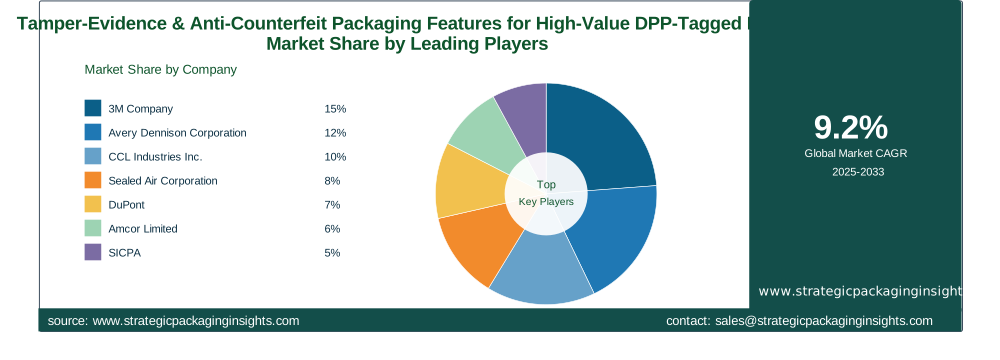
Major companies in this market include 3M Company, Avery Dennison Corporation, and CCL Industries Inc., which hold significant market shares due to their extensive product portfolios and strong distribution networks. These companies are leveraging their expertise in material science and technology to develop innovative packaging solutions that meet the evolving needs of consumers and regulatory bodies. Their focus on sustainability and smart packaging technologies positions them well to capitalize on emerging market trends.
3M Company, a leader in the packaging industry, offers a wide range of tamper-evident and anti-counterfeit solutions. The company's commitment to innovation and quality has earned it a strong reputation in the market. Avery Dennison Corporation is another key player, known for its advanced labeling and packaging solutions that incorporate RFID technology for enhanced security and traceability. CCL Industries Inc. is renowned for its comprehensive range of security labels and seals, catering to various industries including pharmaceuticals and electronics.
Other notable players include Sealed Air Corporation, DuPont, and Amcor Limited, each contributing to the market with their unique offerings and strategic initiatives. Sealed Air Corporation focuses on providing packaging solutions that enhance product safety and reduce environmental impact. DuPont's expertise in material science enables it to offer innovative solutions that address the challenges of counterfeiting and tampering. Amcor Limited is recognized for its commitment to sustainability and its efforts to develop eco-friendly packaging solutions.
Key Highlights
- The market is projected to grow at a CAGR of 9.2% from 2025 to 2033.
- Integration of smart technologies like RFID and NFC is a key trend.
- Regulatory mandates are driving the adoption of tamper-evident features.
- Consumer demand for product authenticity is increasing.
- High implementation costs pose a challenge for SMEs.
- Advancements in packaging technologies are enhancing security features.
- Standardization and interoperability of technologies remain a challenge.
- Companies are focusing on sustainability and eco-friendly materials.
- Strategic partnerships and acquisitions are common in the market.
Top Countries Insights
In the Tamper-Evidence & Anti-Counterfeit Packaging market, the United States leads with a market size of $1.2 billion and a CAGR of 8%. The country's stringent regulatory framework and high consumer awareness drive the demand for secure packaging solutions. China follows with a market size of $900 million and a CAGR of 10%, fueled by the rapid growth of e-commerce and increasing counterfeit activities. Germany, with a market size of $750 million and a CAGR of 7%, benefits from strong industrial capabilities and a focus on innovation.
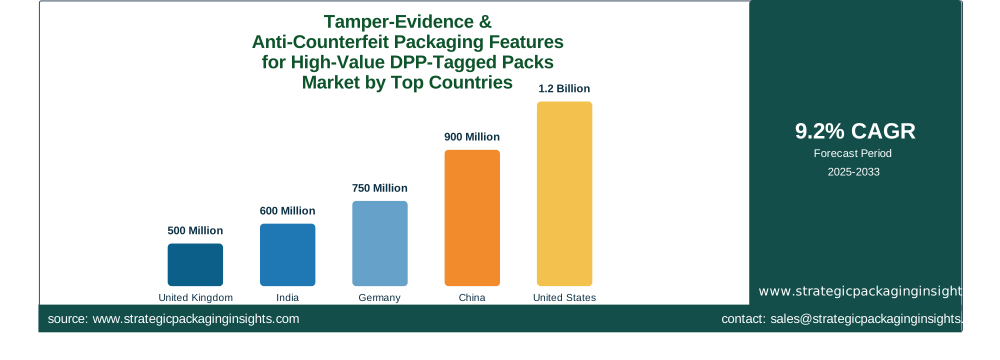
India, with a market size of $600 million and a CAGR of 12%, is experiencing significant growth due to rising consumer awareness and government initiatives to combat counterfeiting. The United Kingdom, with a market size of $500 million and a CAGR of 6%, is driven by the demand for secure packaging in the pharmaceutical and luxury goods sectors. Each of these countries faces unique challenges, such as regulatory compliance and technological integration, but they also present opportunities for growth through innovation and strategic partnerships.
Tamper-Evidence & Anti-Counterfeit Packaging Features for High-Value DPP-Tagged Packs Market Segments Insights

Material Analysis
The material segment of the Tamper-Evidence & Anti-Counterfeit Packaging market is dominated by plastic, which offers versatility and cost-effectiveness. However, the growing emphasis on sustainability is driving the demand for biodegradable and recyclable materials. Paper and metal are gaining traction as eco-friendly alternatives, with companies investing in research to enhance their durability and security features. Glass, though less common, is preferred in certain high-value applications due to its premium appeal and tamper-evident properties.
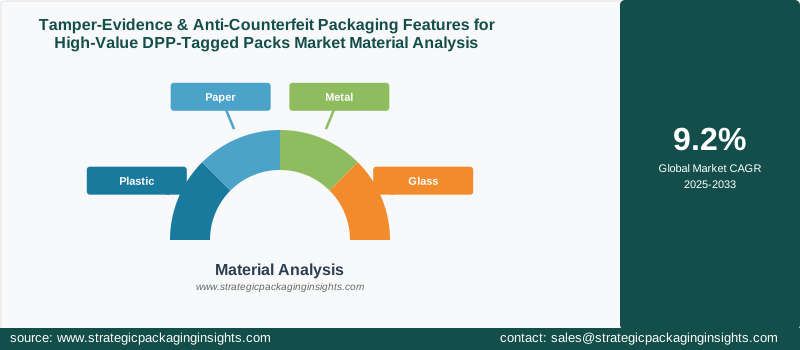
Plastic remains the most widely used material due to its adaptability and ability to incorporate advanced security features. Innovations in biodegradable plastics are addressing environmental concerns, making them a popular choice for eco-conscious brands. Paper-based packaging is gaining popularity in the food and beverage sector, where sustainability is a key consideration. Metal packaging, known for its robustness, is favored in industries like electronics and pharmaceuticals, where product integrity is paramount.
Technology Analysis
The technology segment is witnessing rapid advancements, with RFID and barcode technologies leading the way. These technologies offer real-time tracking and authentication, making them essential in combating counterfeiting. Holograms and security seals provide visible tamper-evidence, enhancing consumer trust and product authenticity. The integration of digital watermarks and blockchain technology is emerging as a trend, offering additional layers of security and traceability.
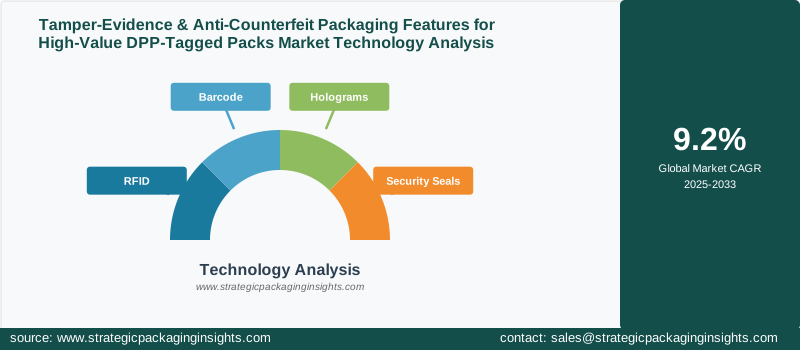
RFID technology is particularly popular in the logistics and supply chain sectors, where it enables efficient inventory management and product tracking. Barcode technology, though traditional, remains a cost-effective solution for many industries. Holograms and security seals are widely used in the pharmaceutical and luxury goods sectors, where visible tamper-evidence is crucial. The adoption of blockchain technology is still in its nascent stages but holds promise for enhancing supply chain transparency and security.
End-User Analysis
The end-user segment is diverse, with pharmaceuticals, food & beverages, and electronics being the primary consumers of tamper-evident and anti-counterfeit packaging solutions. The pharmaceutical industry is the largest end-user, driven by stringent regulatory requirements and the need to ensure patient safety. The food & beverage sector is increasingly adopting these solutions to prevent contamination and ensure product authenticity.
The electronics industry is another significant end-user, where the protection of high-value products from tampering and counterfeiting is critical. The cosmetics and personal care sector is also witnessing growth, as brands seek to protect their products and enhance consumer trust. Each of these end-user segments presents unique challenges and opportunities, with companies focusing on tailored solutions to meet specific industry needs.
Region Analysis
Regionally, North America and Europe are the leading markets for Tamper-Evidence & Anti-Counterfeit Packaging, driven by stringent regulations and high consumer awareness. The Asia Pacific region is experiencing rapid growth, fueled by the expansion of the e-commerce sector and increasing counterfeit activities. Latin America and the Middle East & Africa are emerging markets, with growing demand for secure packaging solutions in various industries.
In North America, the focus is on innovation and the adoption of advanced technologies, while Europe emphasizes sustainability and regulatory compliance. The Asia Pacific region presents significant opportunities for growth, with countries like China and India leading the charge. Latin America and the Middle East & Africa are witnessing increased investment in infrastructure and technology, creating opportunities for market expansion.
Tamper-Evidence & Anti-Counterfeit Packaging Features for High-Value DPP-Tagged Packs Market Segments
The Tamper-Evidence & Anti-Counterfeit Packaging Features for High-Value DPP-Tagged Packs market has been segmented on the basis ofMaterial
- Plastic
- Paper
- Metal
- Glass
Technology
- RFID
- Barcode
- Holograms
- Security Seals
End-User
- Pharmaceuticals
- Food & Beverages
Region
- North America
- Europe




