


Clean Beauty Packaging Prototypes Market Outlook
The Clean Beauty Packaging Prototypes market was valued at $2.5 billion in 2024 and is projected to reach $4.8 billion by 2033, growing at a CAGR of 7.2% during the forecast period 2025-2033. This market is driven by the increasing consumer demand for sustainable and eco-friendly packaging solutions in the beauty industry. As consumers become more environmentally conscious, brands are compelled to innovate and offer packaging that aligns with clean beauty standards. The market is also influenced by regulatory pressures to reduce plastic waste and promote recycling, further pushing the adoption of sustainable materials like glass, metal, and biodegradable plastics. The rise of indie beauty brands, which often prioritize sustainability, is also contributing to the growth of this market segment.
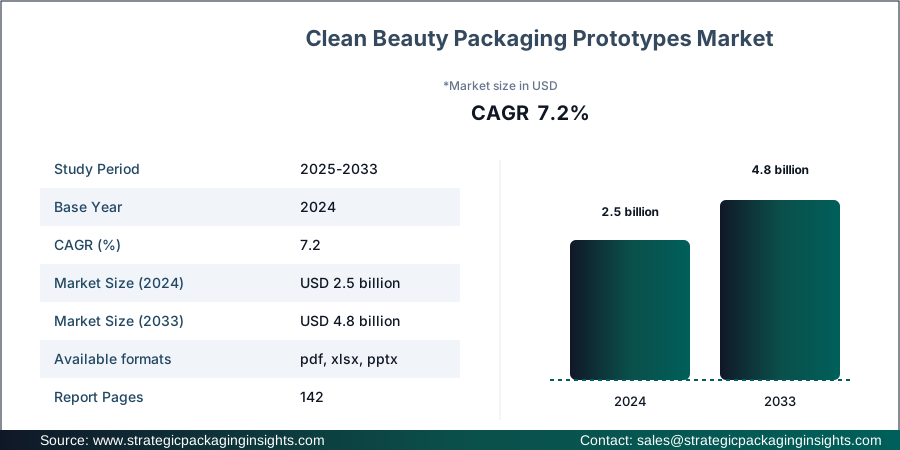
Report Scope
| Attributes | Details |
| Report Title | Clean Beauty Packaging Prototypes Market Size, Future Growth and Forecast 2033 |
| Material | Glass, Plastic, Metal, Paper |
| Application | Skincare, Haircare, Makeup, Fragrances |
| Packaging Type | Bottles, Jars, Tubes, Pumps & Dispensers |
| End-User | Luxury Brands, Mass Brands, Indie Brands |
| Base Year | 2024 |
| Historic Period | 2017-2023 |
| Forecast Period | 2025-2033 |
| Number of Pages | 142 |
| Customization Available | Yes* |
Opportunities & Threats
One of the significant opportunities in the Clean Beauty Packaging Prototypes market is the growing consumer awareness and preference for sustainable products. As consumers become more informed about the environmental impact of packaging, there is a rising demand for eco-friendly alternatives. This shift in consumer behavior presents a lucrative opportunity for companies to innovate and develop packaging solutions that are not only aesthetically pleasing but also environmentally responsible. Additionally, advancements in material science are enabling the creation of new biodegradable and recyclable materials, offering further opportunities for market growth.
Another opportunity lies in the increasing adoption of digital technologies in packaging design and production. Technologies such as 3D printing and AI-driven design tools are revolutionizing the way packaging prototypes are developed, allowing for more customization and faster time-to-market. These technologies enable brands to experiment with different designs and materials, leading to more innovative and sustainable packaging solutions. Furthermore, the integration of smart packaging technologies, such as QR codes and NFC tags, can enhance consumer engagement and provide additional value through interactive experiences.
However, the market faces certain restrainers, such as the high cost of sustainable materials and production processes. While consumers are willing to pay a premium for eco-friendly products, the cost of developing and manufacturing sustainable packaging can be prohibitive for some companies, particularly smaller brands. Additionally, the lack of standardized regulations and certifications for clean beauty packaging can create confusion and hinder market growth. Companies must navigate a complex landscape of varying standards and consumer expectations, which can be challenging and resource-intensive.
Drivers & Challenges
The primary driver of the Clean Beauty Packaging Prototypes market is the increasing consumer demand for sustainable and eco-friendly packaging solutions. As awareness of environmental issues grows, consumers are seeking products that align with their values, leading to a surge in demand for clean beauty packaging. This trend is further supported by regulatory initiatives aimed at reducing plastic waste and promoting recycling, which are encouraging brands to adopt more sustainable practices. Additionally, the rise of social media and influencer marketing is amplifying consumer awareness and driving demand for aesthetically pleasing and environmentally responsible packaging.
Another significant driver is the innovation in material science and packaging technologies. The development of new materials, such as biodegradable plastics and plant-based alternatives, is enabling brands to offer more sustainable packaging options. These innovations are complemented by advancements in digital design and manufacturing technologies, which allow for greater customization and efficiency in packaging production. As a result, brands can create unique and sustainable packaging solutions that meet consumer expectations and regulatory requirements.
Despite these drivers, the market faces several challenges, including the high cost of sustainable materials and production processes. Developing and manufacturing eco-friendly packaging can be expensive, particularly for smaller brands with limited resources. Additionally, the lack of standardized regulations and certifications for clean beauty packaging can create confusion and hinder market growth. Companies must navigate a complex landscape of varying standards and consumer expectations, which can be challenging and resource-intensive. Furthermore, the rapid pace of technological change can make it difficult for companies to keep up with the latest innovations and trends in packaging design and production.
Clean Beauty Packaging Prototypes Strategic Outlook
| Trend | Market Driver | Technological/Material Shift | Business Impact |
|---|---|---|---|
| Sustainability | Consumer Demand | Biodegradable Materials | Increased Brand Loyalty |
| Smart Tech | Digital Engagement | AI Design Tools | Enhanced Consumer Experience |
| Consumer Behavior | Eco-Consciousness | Recyclable Packaging | Market Differentiation |
| Logistics | Supply Chain Efficiency | 3D Printing | Reduced Time-to-Market |
In 2026, the Clean Beauty Packaging Prototypes market is expected to continue its growth trajectory, driven by increasing consumer demand for sustainable and eco-friendly packaging solutions. The primary disruptor in this niche is the regulatory push towards reducing plastic waste and promoting recycling, which is compelling brands to innovate and adopt more sustainable practices. To maintain market share by 2033, brands should focus on leveraging advancements in material science and digital technologies to develop unique and sustainable packaging solutions. By prioritizing sustainability and innovation, brands can differentiate themselves in a competitive market and build stronger connections with eco-conscious consumers.
Market Share Analysis
The competitive landscape of the Clean Beauty Packaging Prototypes market is characterized by a mix of established players and emerging companies, each vying for a share of the growing demand for sustainable packaging solutions. The market is highly fragmented, with numerous companies offering a wide range of packaging materials and designs to cater to the diverse needs of beauty brands. Established players in the market are leveraging their extensive experience and resources to innovate and expand their product offerings, while new entrants are focusing on niche segments and unique value propositions to capture market share.
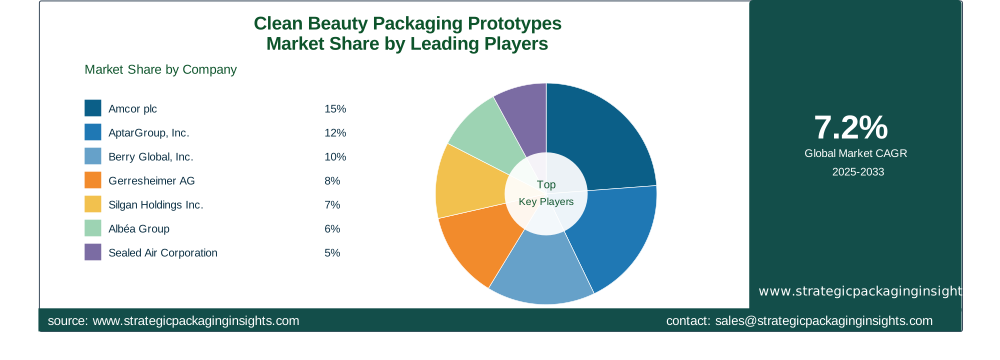
Major companies in the market are investing heavily in research and development to create innovative and sustainable packaging solutions. These companies are also forming strategic partnerships and collaborations to enhance their capabilities and expand their reach in the market. Additionally, many companies are adopting digital technologies to streamline their design and production processes, enabling them to offer more customized and efficient packaging solutions. As a result, the market is witnessing a rapid pace of innovation and competition, with companies striving to differentiate themselves through unique and sustainable packaging offerings.
Some of the key players in the Clean Beauty Packaging Prototypes market include Amcor plc, AptarGroup, Inc., Berry Global, Inc., Gerresheimer AG, and Silgan Holdings Inc. These companies are known for their extensive product portfolios and strong focus on sustainability and innovation. Amcor plc, for example, is a global leader in packaging solutions, offering a wide range of sustainable packaging options for the beauty industry. AptarGroup, Inc. is another major player, known for its innovative dispensing systems and commitment to sustainability.
Berry Global, Inc. is a leading provider of plastic packaging solutions, with a strong focus on sustainability and innovation. The company offers a wide range of eco-friendly packaging options, including biodegradable and recyclable materials. Gerresheimer AG is a global leader in glass and plastic packaging solutions, known for its high-quality products and commitment to sustainability. Silgan Holdings Inc. is another major player in the market, offering a wide range of metal and plastic packaging solutions for the beauty industry.
Key Highlights
- The Clean Beauty Packaging Prototypes market is projected to grow at a CAGR of 7.2% from 2025 to 2033.
- Increasing consumer demand for sustainable and eco-friendly packaging solutions is driving market growth.
- Advancements in material science and digital technologies are enabling the development of innovative packaging solutions.
- Regulatory pressures to reduce plastic waste and promote recycling are encouraging brands to adopt sustainable practices.
- The market is characterized by a mix of established players and emerging companies, each vying for market share.
- Major companies are investing in research and development to create unique and sustainable packaging solutions.
- Strategic partnerships and collaborations are enhancing companies' capabilities and expanding their reach in the market.
Top Countries Insights
In the Clean Beauty Packaging Prototypes market, the United States is a leading player, with a market size of $1.2 billion and a CAGR of 6%. The country's strong focus on sustainability and innovation, coupled with a large consumer base, is driving market growth. The presence of major beauty brands and packaging companies further supports the market's expansion.
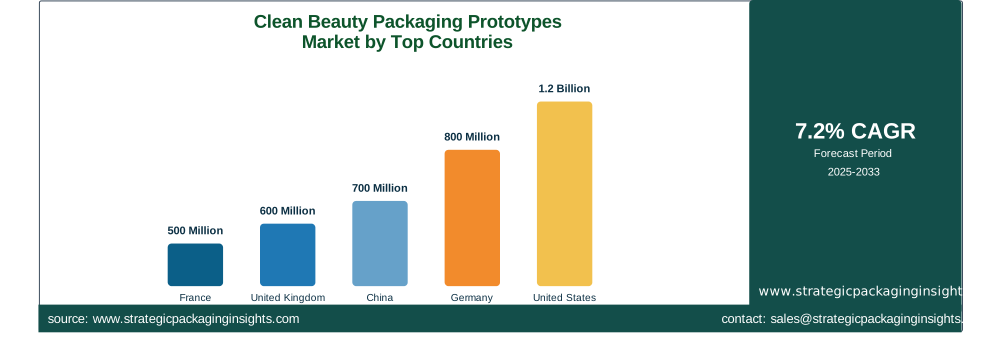
Germany is another key market, with a market size of $800 million and a CAGR of 5%. The country's strong regulatory framework and emphasis on sustainability are driving demand for eco-friendly packaging solutions. Additionally, Germany's advanced manufacturing capabilities and focus on innovation are contributing to market growth.
China is experiencing rapid growth in the Clean Beauty Packaging Prototypes market, with a market size of $700 million and a CAGR of 8%. The country's large consumer base and increasing awareness of environmental issues are driving demand for sustainable packaging solutions. Additionally, China's strong manufacturing capabilities and focus on innovation are supporting market growth.
In the United Kingdom, the market is valued at $600 million, with a CAGR of 4%. The country's strong focus on sustainability and innovation, coupled with a large consumer base, is driving market growth. The presence of major beauty brands and packaging companies further supports the market's expansion.
France is another key market, with a market size of $500 million and a CAGR of 3%. The country's strong regulatory framework and emphasis on sustainability are driving demand for eco-friendly packaging solutions. Additionally, France's advanced manufacturing capabilities and focus on innovation are contributing to market growth.
Clean Beauty Packaging Prototypes Market Segments Insights

Material Analysis
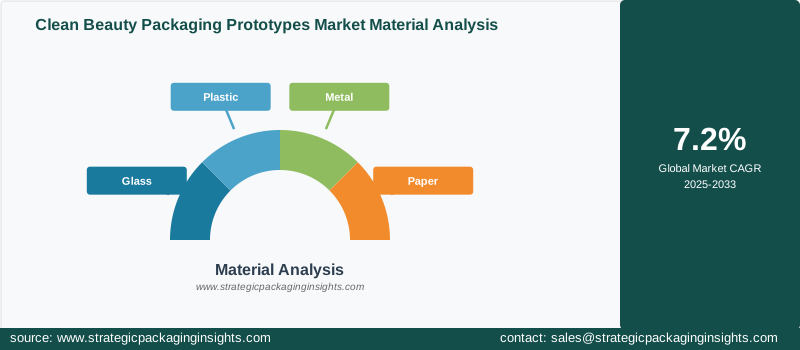
The material segment in the Clean Beauty Packaging Prototypes market is crucial as it determines the sustainability and functionality of the packaging. Glass, plastic, metal, and paper are the primary materials used, each offering unique benefits and challenges. Glass is favored for its recyclability and premium feel, making it popular among luxury brands. However, its fragility and weight can be drawbacks. Plastic, particularly biodegradable and recycled variants, is widely used due to its versatility and cost-effectiveness. Metal offers durability and a sleek appearance, appealing to both luxury and mass-market brands. Paper is gaining traction for its eco-friendliness and ability to be easily customized, though it may lack the durability of other materials.
Trends in this segment include the increasing use of biodegradable plastics and plant-based materials, driven by consumer demand for sustainable options. Companies are investing in research and development to create innovative materials that meet both aesthetic and environmental standards. The competition is fierce, with brands striving to differentiate themselves through unique material choices and sustainable practices. Customer demand is shifting towards packaging that not only looks good but also aligns with their values, pushing companies to innovate continuously.
Application Analysis
The application segment of the Clean Beauty Packaging Prototypes market encompasses skincare, haircare, makeup, and fragrances. Each application has specific packaging requirements, influencing material choice and design. Skincare products often require packaging that protects sensitive formulations, leading to the use of airless pumps and opaque materials. Haircare packaging focuses on functionality and ease of use, with bottles and dispensers being popular choices. Makeup packaging emphasizes aesthetics and portability, with compact designs and innovative closures. Fragrance packaging is often luxurious, using glass and metal to convey a premium feel.
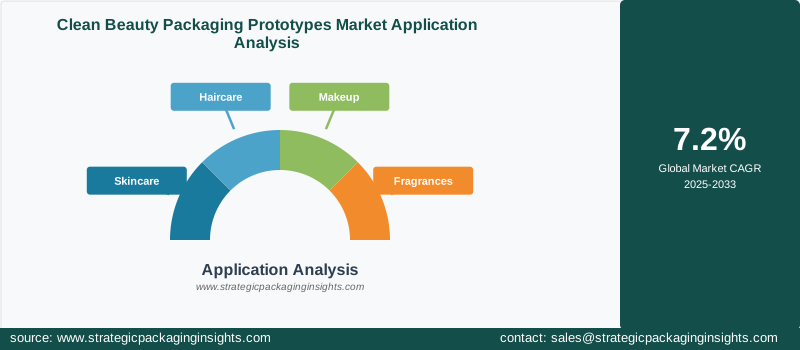
Trends in this segment include the rise of multifunctional packaging that caters to the growing demand for convenience and sustainability. Brands are exploring refillable and reusable packaging options to reduce waste and enhance consumer engagement. The competition is intense, with companies seeking to stand out through innovative designs and sustainable practices. Customer demand is increasingly focused on packaging that not only meets functional needs but also aligns with their environmental values, driving brands to innovate and adapt.
Packaging Type Analysis
The packaging type segment in the Clean Beauty Packaging Prototypes market includes bottles, jars, tubes, and pumps & dispensers. Each type serves different purposes and caters to various product categories. Bottles are versatile and widely used for liquids and lotions, offering a range of sizes and closure options. Jars are popular for creams and balms, providing easy access and a premium feel. Tubes are favored for their convenience and portability, ideal for travel-sized products. Pumps & dispensers offer precise dosing and are commonly used for skincare and haircare products.
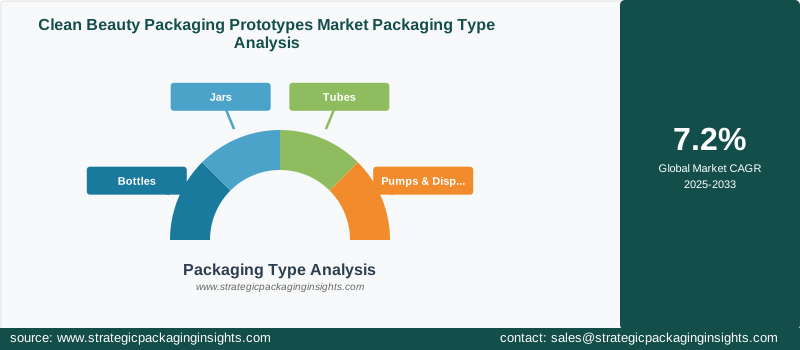
Trends in this segment include the increasing adoption of airless packaging and innovative dispensing systems that enhance product preservation and user experience. Companies are focusing on developing packaging that is both functional and sustainable, using materials that are recyclable or biodegradable. The competition is fierce, with brands striving to differentiate themselves through unique designs and sustainable practices. Customer demand is shifting towards packaging that not only meets functional needs but also aligns with their environmental values, pushing companies to innovate continuously.
End-User Analysis
The end-user segment of the Clean Beauty Packaging Prototypes market includes luxury brands, mass brands, and indie brands. Each end-user group has distinct packaging preferences and requirements. Luxury brands prioritize premium materials and sophisticated designs to convey exclusivity and quality. Mass brands focus on cost-effective solutions that offer functionality and appeal to a broad audience. Indie brands often emphasize sustainability and uniqueness, seeking packaging that reflects their brand values and resonates with eco-conscious consumers.
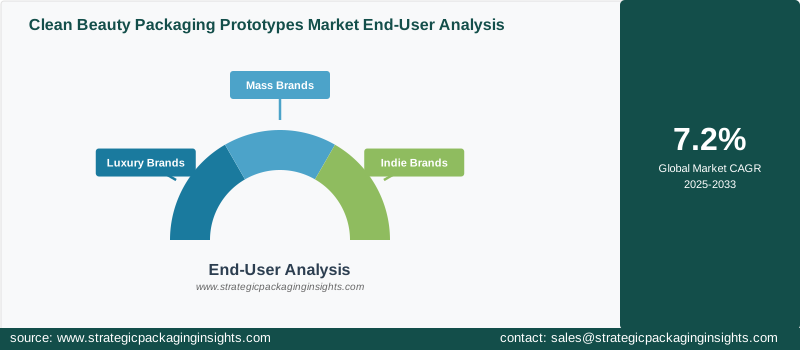
Trends in this segment include the growing influence of indie brands, which are driving innovation and sustainability in the market. These brands are often at the forefront of adopting new materials and technologies, setting trends that larger brands follow. The competition is intense, with companies seeking to stand out through innovative designs and sustainable practices. Customer demand is increasingly focused on packaging that not only meets functional needs but also aligns with their environmental values, driving brands to innovate and adapt.
Clean Beauty Packaging Prototypes Market Segments
The Clean Beauty Packaging Prototypes market has been segmented on the basis ofMaterial
- Glass
- Plastic
- Metal
- Paper
Application
- Skincare
- Haircare
- Makeup
- Fragrances
Packaging Type
- Bottles
- Jars
- Tubes
- Pumps & Dispensers
End-User
- Luxury Brands
- Mass Brands
- Indie Brands




