


Toacco Packaging Market Outlook
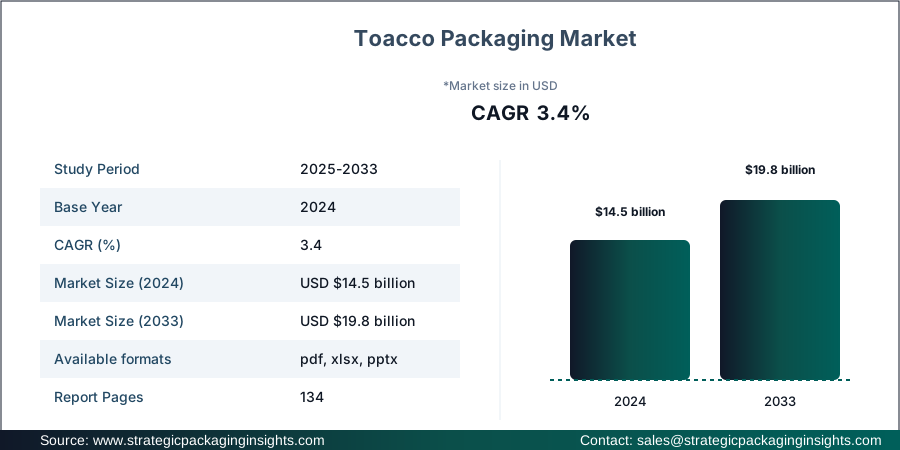
The tobacco packaging market was valued at $14.5 billion in 2024 and is projected to reach $19.8 billion by 2033, growing at a CAGR of 3.4% during the forecast period 2025-2033. This market is driven by the increasing demand for innovative and sustainable packaging solutions in the tobacco industry. The shift towards eco-friendly materials and the rising consumer preference for premium packaging are significant contributors to this growth. Additionally, the expansion of the tobacco industry in emerging markets and the introduction of new tobacco products are expected to further fuel market growth.
Report Scope
| Attributes | Details |
| Report Title | Toacco Packaging Market Size, Future Growth and Forecast 2033 |
| Material | Paper, Plastic, Metal, Glass |
| Type | Primary, Secondary, Tertiary |
| End-User | Cigarettes, Cigars, Smokeless Tobacco |
| Region | Asia Pacific, North America, Latin America, Europe, Middle East & Africa |
| Base Year | 2024 |
| Historic Period | 2017-2023 |
| Forecast Period | 2025-2033 |
| Number of Pages | 134 |
| Customization Available | Yes* |
Opportunities & Threats
One of the primary opportunities in the tobacco packaging market is the growing demand for sustainable and environmentally friendly packaging solutions. With increasing awareness about environmental issues, consumers and manufacturers are shifting towards biodegradable and recyclable materials. This trend is encouraging packaging companies to innovate and develop new products that meet these demands. Additionally, the rise of e-cigarettes and other smokeless tobacco products presents a lucrative opportunity for packaging companies to design specialized packaging solutions that cater to these new product categories.
Another opportunity lies in the premiumization of tobacco products. As consumers become more brand-conscious, there is a growing demand for high-quality, aesthetically pleasing packaging that enhances the overall product experience. This trend is particularly evident in the cigar and premium cigarette segments, where packaging plays a crucial role in brand differentiation and consumer appeal. Packaging companies that can offer unique and visually appealing designs are likely to gain a competitive edge in the market.
However, the tobacco packaging market faces several threats, primarily from stringent government regulations and increasing health awareness among consumers. Many countries are implementing plain packaging laws and graphic health warnings, which limit the scope for branding and design innovation. These regulations can significantly impact the demand for premium packaging solutions and pose a challenge for packaging companies looking to differentiate their products. Additionally, the growing anti-smoking campaigns and the shift towards healthier lifestyles may reduce the overall demand for tobacco products, thereby affecting the packaging market.
Drivers & Challenges
The tobacco packaging market is driven by several key factors, including the increasing demand for innovative packaging solutions and the expansion of the tobacco industry in emerging markets. As consumers become more discerning, there is a growing need for packaging that not only protects the product but also enhances its appeal. This has led to the development of new materials and technologies that offer improved functionality and aesthetics. Additionally, the growth of the tobacco industry in regions such as Asia Pacific and Latin America is creating new opportunities for packaging companies to expand their market presence.
Another significant driver is the trend towards sustainability and eco-friendly packaging. With environmental concerns gaining prominence, both consumers and manufacturers are seeking packaging solutions that minimize environmental impact. This has led to increased investment in research and development to create biodegradable and recyclable packaging materials. Companies that can offer sustainable packaging solutions are likely to gain a competitive advantage in the market.
Despite these drivers, the tobacco packaging market faces several challenges. One of the main challenges is the stringent regulatory environment, which imposes restrictions on packaging design and materials. Compliance with these regulations can be costly and time-consuming for packaging companies. Additionally, the increasing health awareness among consumers and the growing popularity of anti-smoking campaigns pose a threat to the demand for tobacco products, which in turn affects the packaging market. Companies need to navigate these challenges by innovating and adapting to changing consumer preferences and regulatory requirements.
Market Share Analysis
The competitive landscape of the tobacco packaging market is characterized by the presence of several key players who dominate the market. These companies are focusing on innovation, sustainability, and strategic partnerships to maintain their market position. The market is highly competitive, with companies vying for market share through product differentiation and expansion into new markets. The leading players in the market are investing heavily in research and development to create innovative packaging solutions that meet the evolving needs of consumers and comply with regulatory requirements.
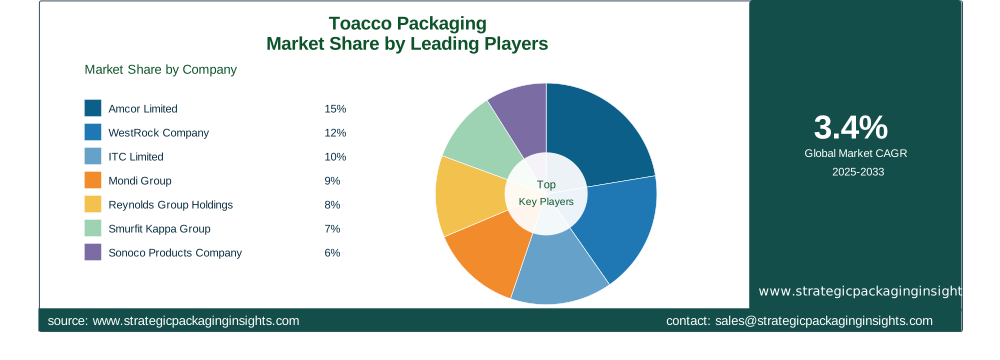
Some of the major companies in the tobacco packaging market include Amcor Limited, WestRock Company, ITC Limited, Mondi Group, and Reynolds Group Holdings. Amcor Limited is a global leader in packaging solutions, offering a wide range of products for the tobacco industry. The company is known for its innovative and sustainable packaging solutions, which have helped it maintain a strong market position. WestRock Company is another key player, providing comprehensive packaging solutions that enhance product appeal and protect brand integrity.
ITC Limited, an Indian conglomerate, is a significant player in the tobacco packaging market, offering a diverse range of packaging solutions for cigarettes and other tobacco products. The company is known for its focus on sustainability and innovation, which has helped it gain a competitive edge in the market. Mondi Group, a global packaging and paper company, is also a major player in the market, offering innovative and sustainable packaging solutions for the tobacco industry.
Reynolds Group Holdings, a leading packaging company, is known for its high-quality packaging solutions that cater to the tobacco industry. The company has a strong presence in the market, with a focus on innovation and sustainability. Other notable players in the market include Smurfit Kappa Group, Sonoco Products Company, and DS Smith Plc, all of which are known for their innovative and sustainable packaging solutions.
Key Highlights
- The tobacco packaging market is projected to grow at a CAGR of 3.4% from 2025 to 2033.
- Increasing demand for sustainable and eco-friendly packaging solutions is a key market driver.
- Premiumization of tobacco products is creating opportunities for innovative packaging designs.
- Stringent government regulations pose a challenge to packaging design and innovation.
- The rise of e-cigarettes and smokeless tobacco products presents new opportunities for packaging companies.
- Asia Pacific and Latin America are key growth regions for the tobacco packaging market.
- Leading companies are focusing on innovation and sustainability to maintain their market position.
Top Countries Insights
In the tobacco packaging market, China is a dominant player with a market size of $4.5 billion and a CAGR of 5%. The country's large population and growing tobacco industry are key drivers of market growth. Additionally, the government's focus on reducing environmental impact is encouraging the adoption of sustainable packaging solutions.
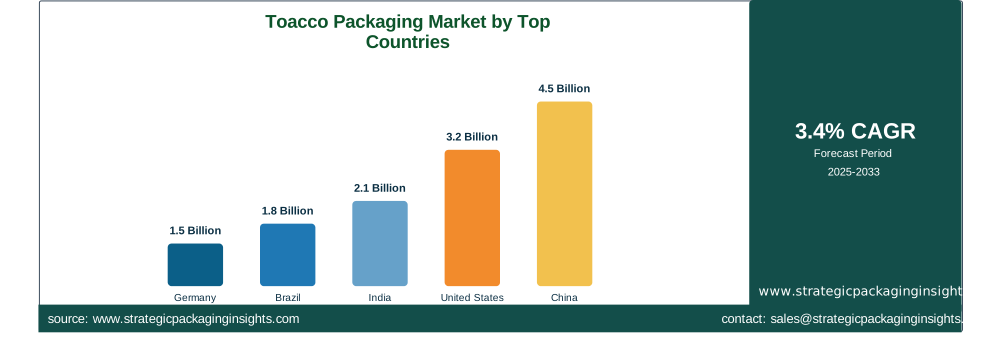
The United States is another significant market, with a market size of $3.2 billion and a CAGR of 3%. The demand for premium packaging solutions and the rise of e-cigarettes are driving market growth. However, stringent regulations and increasing health awareness pose challenges to the market.
India, with a market size of $2.1 billion and a CAGR of 6%, is experiencing rapid growth in the tobacco packaging market. The expansion of the tobacco industry and the increasing demand for innovative packaging solutions are key growth drivers. The government's focus on sustainability is also encouraging the adoption of eco-friendly packaging materials.
Brazil, with a market size of $1.8 billion and a CAGR of 4%, is a key market in Latin America. The growing tobacco industry and the demand for premium packaging solutions are driving market growth. However, regulatory challenges and health awareness are potential restraints.
Germany, with a market size of $1.5 billion and a CAGR of 2%, is a significant market in Europe. The demand for sustainable packaging solutions and the rise of smokeless tobacco products are key growth drivers. However, stringent regulations and increasing health awareness pose challenges to the market.
Toacco Packaging Market Segments Insights

Material Analysis
The material segment of the tobacco packaging market is dominated by paper, plastic, metal, and glass. Paper is the most widely used material due to its eco-friendly nature and cost-effectiveness. The demand for paper-based packaging is driven by the increasing focus on sustainability and the need for biodegradable materials. Plastic, on the other hand, is favored for its durability and versatility, making it suitable for a wide range of packaging applications. However, the environmental concerns associated with plastic are driving the shift towards more sustainable alternatives.
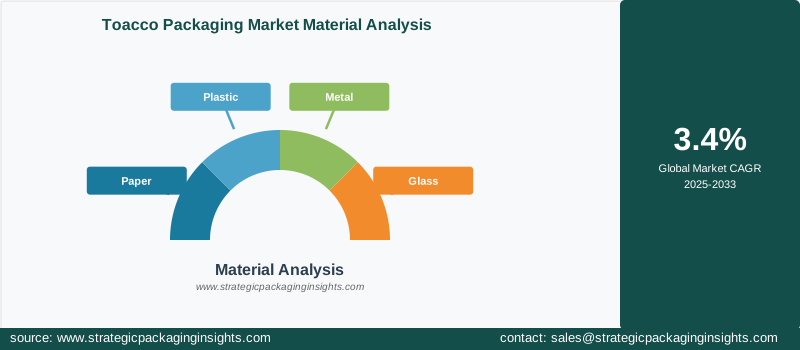
Metal packaging is gaining popularity in the premium segment, particularly for cigars and high-end cigarettes. The durability and aesthetic appeal of metal packaging make it an attractive option for premium products. Glass packaging, although less common, is used for certain tobacco products where product visibility and premium appeal are important. The choice of material is influenced by factors such as cost, sustainability, and consumer preferences, with companies increasingly focusing on developing innovative and eco-friendly packaging solutions.
Type Analysis
The tobacco packaging market is segmented into primary, secondary, and tertiary packaging. Primary packaging, which directly encases the product, is crucial for product protection and brand appeal. This segment is driven by the demand for innovative and visually appealing designs that enhance the consumer experience. Secondary packaging, which includes cartons and boxes, is important for product protection during transportation and storage. The demand for secondary packaging is driven by the need for durable and cost-effective solutions that ensure product safety.
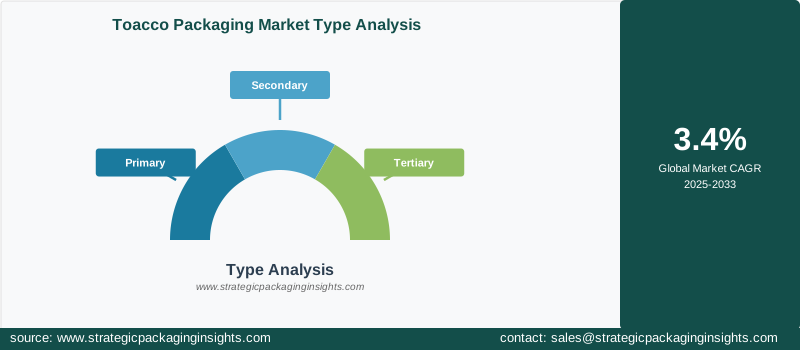
Tertiary packaging, which includes pallets and crates, is used for bulk transportation and storage. This segment is driven by the need for efficient logistics and supply chain management. The choice of packaging type is influenced by factors such as product type, transportation requirements, and consumer preferences. Companies are focusing on developing packaging solutions that offer a balance between functionality, cost, and sustainability.
End-User Analysis
The end-user segment of the tobacco packaging market includes cigarettes, cigars, and smokeless tobacco. The cigarette segment is the largest, driven by the high demand for cigarettes worldwide. The demand for innovative and premium packaging solutions is particularly strong in this segment, as companies seek to differentiate their products and enhance brand appeal. The cigar segment, although smaller, is experiencing growth due to the increasing demand for premium and luxury products. The demand for high-quality and aesthetically pleasing packaging is a key driver in this segment.
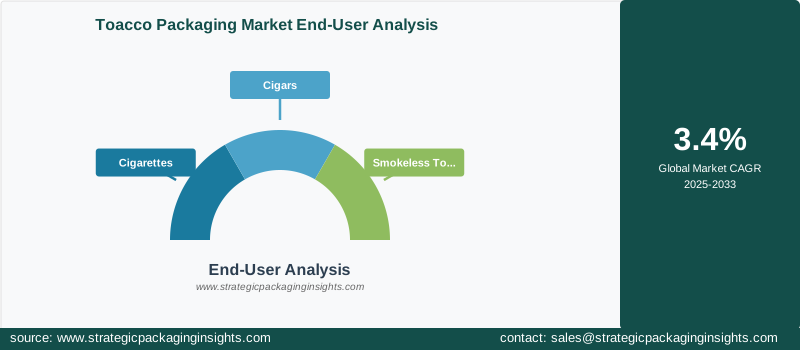
The smokeless tobacco segment, which includes products such as snuff and chewing tobacco, is gaining popularity due to the growing health awareness and the shift towards alternative tobacco products. The demand for specialized packaging solutions that cater to the unique requirements of smokeless tobacco products is driving growth in this segment. Companies are focusing on developing packaging solutions that offer convenience, protection, and sustainability.
Regional Analysis
The tobacco packaging market is segmented into regions such as Asia Pacific, North America, Latin America, Europe, and the Middle East & Africa. Asia Pacific is the largest market, driven by the large population and the growing tobacco industry in countries such as China and India. The demand for innovative and sustainable packaging solutions is a key driver in this region. North America is another significant market, with the demand for premium packaging solutions and the rise of e-cigarettes driving growth.
Latin America is experiencing growth due to the expanding tobacco industry and the demand for premium packaging solutions. Europe, although a mature market, is driven by the demand for sustainable packaging solutions and the rise of smokeless tobacco products. The Middle East & Africa is a growing market, with the demand for innovative and cost-effective packaging solutions driving growth. Companies are focusing on expanding their market presence in these regions through strategic partnerships and product innovation.
Toacco Packaging Market Segments
The Toacco Packaging market has been segmented on the basis ofMaterial
- Paper
- Plastic
- Metal
- Glass
Type
- Primary
- Secondary
- Tertiary
End-User
- Cigarettes
- Cigars
- Smokeless Tobacco
Region
- Asia Pacific
- North America
- Latin America
- Europe
- Middle East & Africa




