


Linerless Label Market Outlook
The linerless label market was valued at $1.5 billion in 2024 and is projected to reach $2.8 billion by 2033, growing at a CAGR of 7.2% during the forecast period 2025-2033. This growth is driven by increasing demand for sustainable packaging solutions, as linerless labels eliminate the need for a release liner, reducing waste and improving environmental impact. The market is also benefiting from advancements in printing technologies, which enhance the quality and versatility of linerless labels, making them suitable for a wide range of applications across various industries.
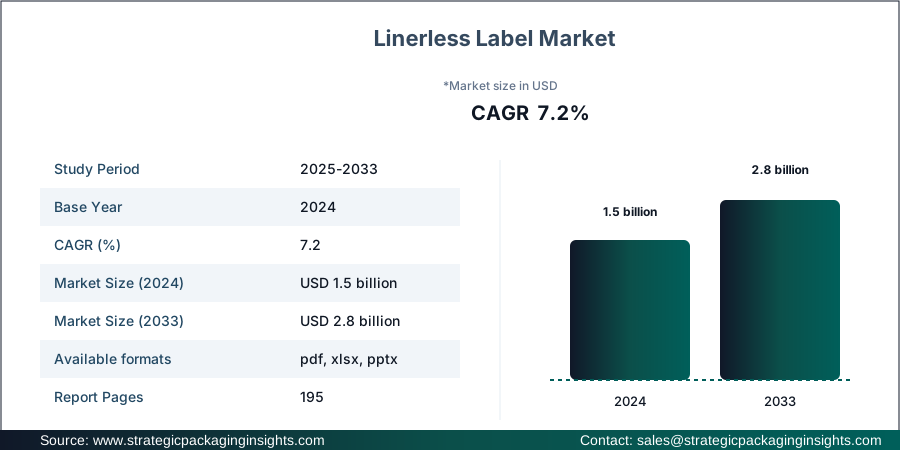
Report Scope
| Attributes | Details |
| Report Title | Linerless Label Market Size, Future Growth and Forecast 2033 |
| Material Type | Paper, Plastic, Others |
| Application | Food & Beverages, Retail, Logistics, Pharmaceuticals, Personal Care, Others |
| Printing Technology | Digital, Flexographic, Others |
| Region | Asia Pacific, North America, Latin America, Europe, Middle East & Africa |
| Base Year | 2024 |
| Historic Period | 2017-2023 |
| Forecast Period | 2025-2033 |
| Number of Pages | 195 |
| Customization Available | Yes* |
Opportunities & Threats
One of the significant opportunities in the linerless label market is the growing emphasis on sustainability and eco-friendly packaging solutions. As consumers and regulatory bodies push for greener alternatives, companies are increasingly adopting linerless labels to reduce their carbon footprint. This shift is further supported by advancements in adhesive technologies that enhance the performance of linerless labels, making them more appealing to industries such as food and beverages, retail, and logistics. Additionally, the rise of e-commerce and the need for efficient supply chain management are driving the demand for linerless labels, as they offer cost-effective and versatile labeling solutions.
Another opportunity lies in the technological advancements in printing and material sciences. Innovations in digital and flexographic printing technologies have significantly improved the quality and customization capabilities of linerless labels. This has opened new avenues for manufacturers to offer personalized and high-quality labeling solutions to their clients. Moreover, the development of new materials that enhance the durability and functionality of linerless labels is expected to further boost market growth. Companies that invest in R&D to innovate and improve their product offerings are likely to gain a competitive edge in this evolving market.
However, the market faces certain restrainers, such as the initial high cost of switching from traditional labels to linerless labels. Many companies are hesitant to invest in new machinery and processes required for linerless label production, which can be a significant barrier to entry. Additionally, the lack of awareness and understanding of the benefits of linerless labels among end-users can hinder market growth. Educating potential customers and demonstrating the long-term cost savings and environmental benefits of linerless labels will be crucial for market expansion.
Drivers & Challenges
The primary driver of the linerless label market is the increasing demand for sustainable and eco-friendly packaging solutions. As environmental concerns continue to rise, businesses are under pressure to adopt greener practices, and linerless labels offer a viable solution by reducing waste and improving sustainability. The elimination of the release liner not only reduces material usage but also lowers transportation costs and carbon emissions, making it an attractive option for companies looking to enhance their environmental credentials.
Another significant driver is the growing need for efficient and cost-effective labeling solutions in the logistics and retail sectors. Linerless labels provide a versatile and adaptable option for these industries, as they can be easily customized and applied to various surfaces. The rise of e-commerce and the increasing complexity of supply chains have further fueled the demand for linerless labels, as they offer a streamlined and efficient labeling process that can keep up with the fast-paced nature of these industries.
Despite these drivers, the linerless label market faces challenges such as the high initial investment required for transitioning from traditional labels to linerless labels. Companies need to invest in new machinery and processes, which can be a deterrent for many businesses, especially small and medium enterprises. Additionally, the market is challenged by the need for continuous innovation and improvement in adhesive and material technologies to ensure the performance and reliability of linerless labels. Overcoming these challenges will be crucial for the sustained growth of the market.
Market Share Analysis
The linerless label market is characterized by a competitive landscape with several key players striving to gain a significant share. Companies are focusing on product innovation, strategic partnerships, and mergers and acquisitions to strengthen their market position. The market is dominated by a few major players, but there is also a presence of numerous small and medium enterprises that contribute to the market dynamics. The competitive rivalry is intense, with companies competing on factors such as product quality, pricing, and technological advancements.
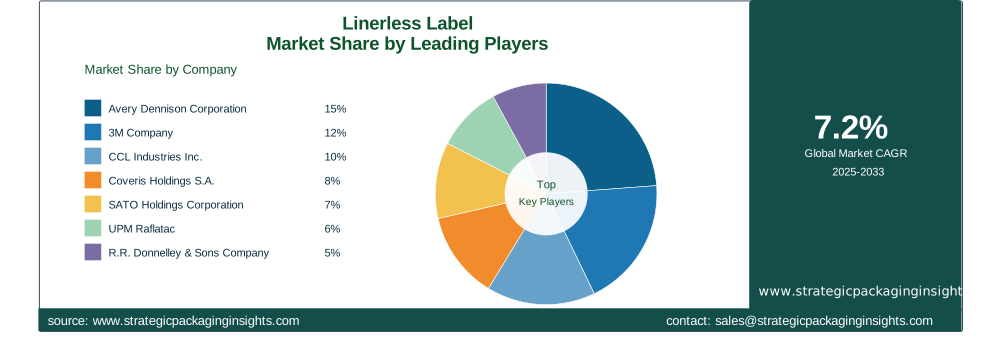
Major companies in the linerless label market include Avery Dennison Corporation, 3M Company, CCL Industries Inc., Coveris Holdings S.A., and SATO Holdings Corporation. These companies have established themselves as leaders in the market through their extensive product portfolios, strong distribution networks, and continuous investment in research and development. They are focused on expanding their market presence by introducing innovative products and solutions that cater to the evolving needs of their customers.
Avery Dennison Corporation, for instance, is a prominent player in the linerless label market, known for its advanced labeling solutions and commitment to sustainability. The company has a strong global presence and offers a wide range of linerless label products that cater to various industries. Similarly, 3M Company is renowned for its innovative adhesive technologies and high-quality labeling solutions, making it a key player in the market.
CCL Industries Inc. is another major player, offering a diverse range of labeling solutions, including linerless labels. The company has a strong focus on innovation and sustainability, which has helped it maintain a competitive edge in the market. Coveris Holdings S.A. and SATO Holdings Corporation are also significant players, known for their expertise in packaging and labeling solutions. These companies are continuously investing in R&D to enhance their product offerings and meet the growing demand for linerless labels.
Key Highlights
- The linerless label market is projected to grow at a CAGR of 7.2% from 2025 to 2033.
- Increasing demand for sustainable packaging solutions is a major driver of market growth.
- Technological advancements in printing and adhesive technologies are enhancing product quality.
- The logistics and retail sectors are significant end-users of linerless labels.
- High initial investment costs are a barrier to market entry for some companies.
- Major players include Avery Dennison, 3M, CCL Industries, Coveris Holdings, and SATO Holdings.
- Continuous innovation and R&D are crucial for maintaining a competitive edge.
Top Countries Insights
In the linerless label market, the United States holds a significant share, with a market size of $450 million and a CAGR of 6%. The country's focus on sustainability and advanced manufacturing technologies drives the demand for linerless labels. Government regulations promoting eco-friendly packaging solutions further support market growth.
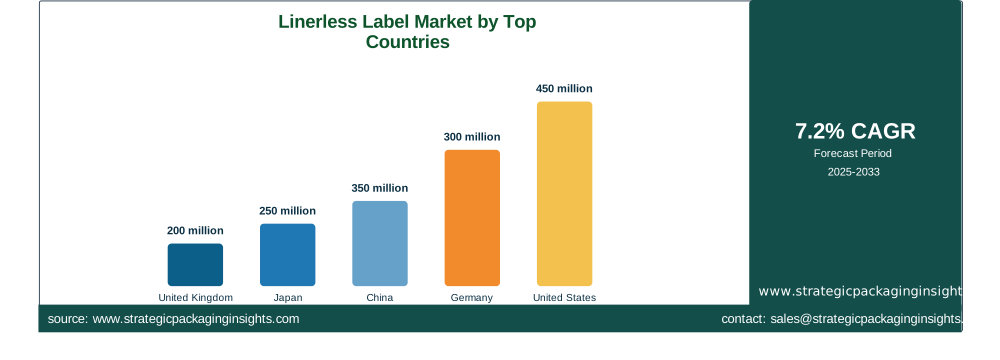
Germany is another key player, with a market size of $300 million and a CAGR of 5%. The country's strong industrial base and emphasis on sustainable practices contribute to the demand for linerless labels. Innovations in printing technologies and materials also play a crucial role in market expansion.
China, with a market size of $350 million and a CAGR of 8%, is experiencing rapid growth in the linerless label market. The country's booming e-commerce sector and increasing focus on sustainable packaging solutions are major growth drivers. Government initiatives to reduce waste and promote eco-friendly practices further boost market demand.
Japan, with a market size of $250 million and a CAGR of 4%, is a significant market for linerless labels. The country's advanced manufacturing capabilities and focus on innovation drive the demand for high-quality labeling solutions. The growing emphasis on sustainability and waste reduction also supports market growth.
The United Kingdom, with a market size of $200 million and a CAGR of 3%, is an important market for linerless labels. The country's strong retail sector and increasing focus on sustainable packaging solutions drive market demand. Innovations in adhesive technologies and printing solutions further enhance market growth.
Linerless Label Market Segments Insights

Material Type Analysis
The linerless label market is segmented by material type into paper, plastic, and others. Paper-based linerless labels are gaining popularity due to their eco-friendly nature and recyclability. They are widely used in the food and beverage industry, where sustainability is a key concern. Plastic linerless labels, on the other hand, offer durability and resistance to moisture, making them suitable for applications in logistics and pharmaceuticals. The 'others' category includes innovative materials that enhance the performance and functionality of linerless labels, catering to specific industry needs.
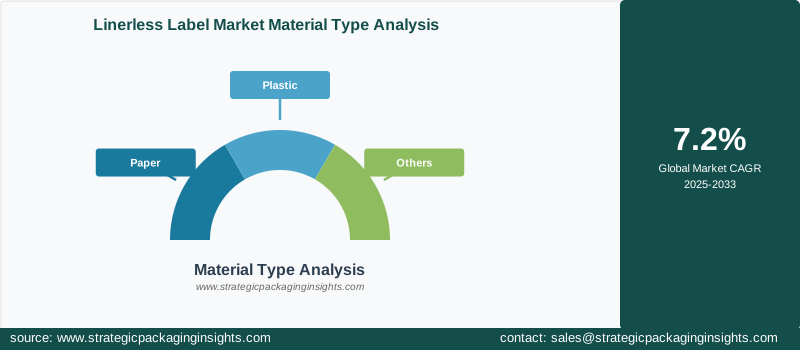
Paper linerless labels are preferred for their environmental benefits, as they reduce waste and are easily recyclable. The growing demand for sustainable packaging solutions is driving the adoption of paper-based linerless labels across various industries. Plastic linerless labels, while not as eco-friendly, offer superior durability and are ideal for applications where moisture resistance is crucial. The development of new materials that combine the benefits of both paper and plastic is expected to further boost market growth.
Application Analysis
The linerless label market is segmented by application into food & beverages, retail, logistics, pharmaceuticals, personal care, and others. The food and beverage industry is a major end-user of linerless labels, driven by the need for sustainable and efficient labeling solutions. Linerless labels are also widely used in the retail sector, where they offer versatility and cost-effectiveness. The logistics industry benefits from the adaptability and efficiency of linerless labels, which streamline the labeling process and reduce waste.
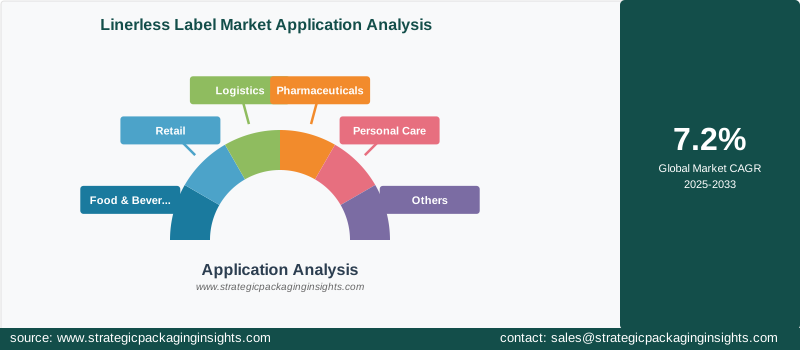
In the pharmaceutical industry, linerless labels are used for their durability and ability to withstand harsh conditions. The personal care sector also utilizes linerless labels for their aesthetic appeal and customization capabilities. The 'others' category includes applications in industries such as electronics and automotive, where linerless labels offer unique benefits. The growing demand for efficient and sustainable labeling solutions across these industries is driving market growth.
Printing Technology Analysis
The linerless label market is segmented by printing technology into digital, flexographic, and others. Digital printing technology is gaining traction due to its ability to offer high-quality, customizable labeling solutions. It is widely used in industries such as food and beverages, retail, and personal care, where customization and quick turnaround times are crucial. Flexographic printing, known for its cost-effectiveness and versatility, is also a popular choice for linerless labels, particularly in the logistics and pharmaceutical sectors.
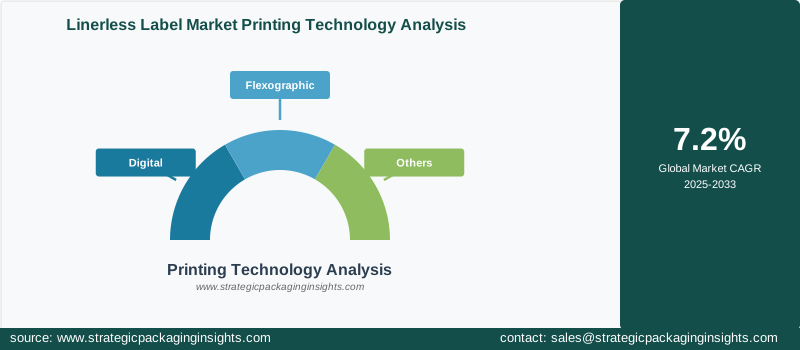
The 'others' category includes innovative printing technologies that enhance the quality and functionality of linerless labels. The continuous advancements in printing technologies are driving the demand for linerless labels, as they offer improved quality, customization, and efficiency. Companies that invest in advanced printing technologies are likely to gain a competitive edge in the market.
Regional Analysis
The linerless label market is segmented by region into Asia Pacific, North America, Latin America, Europe, and Middle East & Africa. North America holds a significant share of the market, driven by the demand for sustainable packaging solutions and advanced manufacturing technologies. The region's strong industrial base and focus on innovation contribute to market growth. Europe is another key market, with a strong emphasis on sustainability and eco-friendly practices driving the demand for linerless labels.
Asia Pacific is experiencing rapid growth in the linerless label market, fueled by the booming e-commerce sector and increasing focus on sustainable packaging solutions. The region's growing industrial base and government initiatives to promote eco-friendly practices further support market expansion. Latin America and the Middle East & Africa are also witnessing growth in the linerless label market, driven by the increasing demand for efficient and cost-effective labeling solutions.
Linerless Label Market Segments
The Linerless Label market has been segmented on the basis ofMaterial Type
- Paper
- Plastic
- Others
Application
- Food & Beverages
- Retail
- Logistics
- Pharmaceuticals
- Personal Care
- Others
Printing Technology
- Digital
- Flexographic
- Others
Region
- Asia Pacific
- North America
- Latin America
- Europe
- Middle East & Africa




