


PCR Cosmetic Packaging Market Outlook
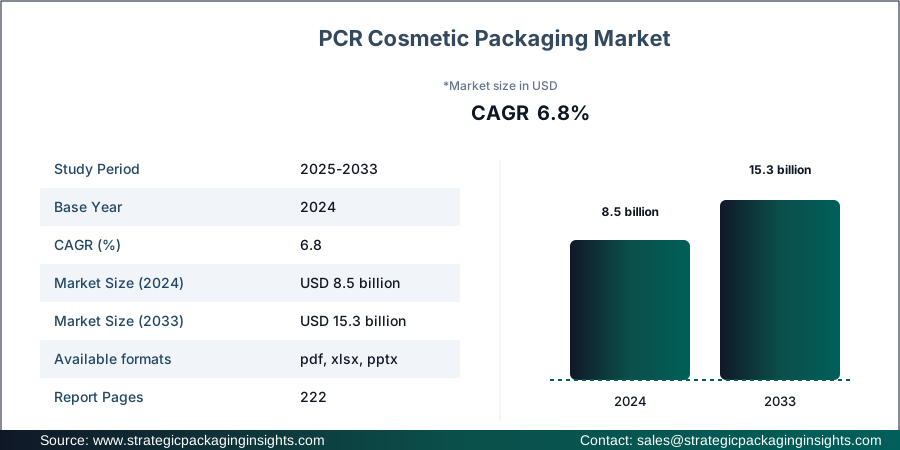
The PCR (Post-Consumer Recycled) Cosmetic Packaging market was valued at $8.5 billion in 2024 and is projected to reach $15.3 billion by 2033, growing at a CAGR of 6.8% during the forecast period 2025-2033. This market is witnessing significant growth due to the increasing demand for sustainable and eco-friendly packaging solutions in the cosmetics industry. The shift towards PCR materials is driven by consumer awareness and regulatory pressures to reduce plastic waste and carbon footprints. As brands aim to enhance their sustainability credentials, the adoption of PCR materials in cosmetic packaging is becoming a strategic priority. The market is also benefiting from technological advancements in recycling processes, which are improving the quality and availability of PCR materials.
Report Scope
| Attributes | Details |
| Report Title | PCR Cosmetic Packaging Market Size, Future Growth and Forecast 2033 |
| Material Type | Plastic, Glass, Metal |
| Application | Skincare, Haircare |
| Packaging Type | Bottles, Jars, Tubes, Pumps & Dispensers |
| Base Year | 2024 |
| Historic Period | 2017-2023 |
| Forecast Period | 2025-2033 |
| Number of Pages | 222 |
| Customization Available | Yes* |
Opportunities & Threats
One of the key opportunities in the PCR cosmetic packaging market is the growing consumer preference for sustainable products. As consumers become more environmentally conscious, they are increasingly opting for brands that demonstrate a commitment to sustainability. This trend is encouraging cosmetic companies to adopt PCR materials in their packaging solutions, thereby driving market growth. Additionally, the development of advanced recycling technologies is enhancing the quality of PCR materials, making them more appealing to cosmetic brands. These technologies are enabling the production of high-quality PCR materials that meet the aesthetic and functional requirements of cosmetic packaging, thereby expanding the market potential.
Another significant opportunity lies in the regulatory landscape that is increasingly favoring sustainable packaging solutions. Governments across the globe are implementing stringent regulations to curb plastic waste and promote recycling. These regulations are compelling cosmetic companies to incorporate PCR materials into their packaging strategies. Moreover, the introduction of Extended Producer Responsibility (EPR) policies is pushing brands to take responsibility for the entire lifecycle of their packaging, further boosting the demand for PCR materials. As a result, companies that proactively adopt PCR packaging solutions are likely to gain a competitive edge in the market.
However, the market faces certain restraints, primarily related to the cost and availability of PCR materials. The production of high-quality PCR materials can be cost-intensive, which may deter some companies from adopting them. Additionally, the supply of PCR materials is often limited, which can pose challenges for companies looking to scale their sustainable packaging initiatives. These factors can hinder the widespread adoption of PCR materials in the cosmetic packaging industry, potentially slowing down market growth.
Drivers & Challenges
The primary driver of the PCR cosmetic packaging market is the increasing consumer demand for sustainable and eco-friendly products. As awareness about environmental issues grows, consumers are becoming more selective about the brands they support, favoring those that prioritize sustainability. This shift in consumer behavior is compelling cosmetic companies to integrate PCR materials into their packaging solutions to align with consumer values and enhance brand loyalty. Furthermore, the rise of social media and digital platforms is amplifying consumer voices, making it imperative for brands to adopt sustainable practices to maintain their reputation and market position.
Technological advancements in recycling processes are also driving the market. Innovations in recycling technologies are improving the quality and efficiency of PCR material production, making them more viable for cosmetic packaging applications. These advancements are enabling the production of PCR materials that meet the stringent quality and aesthetic standards required by the cosmetics industry. As a result, more cosmetic brands are adopting PCR materials, contributing to market growth. Additionally, collaborations between cosmetic companies and recycling firms are fostering innovation and expanding the availability of high-quality PCR materials.
Despite these drivers, the market faces challenges related to consumer perception and regulatory compliance. Some consumers may perceive PCR materials as inferior in quality compared to virgin materials, which can affect their acceptance. Educating consumers about the benefits and quality of PCR materials is crucial to overcoming this challenge. Moreover, navigating the complex regulatory landscape can be challenging for companies, as different regions have varying standards and requirements for sustainable packaging. Companies need to stay informed and adaptable to ensure compliance and capitalize on the opportunities presented by the regulatory environment.
Market Share Analysis
The PCR cosmetic packaging market is characterized by a competitive landscape with several key players striving to enhance their market share through innovation and strategic partnerships. The market is dominated by a mix of established companies and emerging players, each contributing to the dynamic nature of the industry. These companies are focusing on expanding their product portfolios, enhancing their production capabilities, and strengthening their distribution networks to gain a competitive edge. The competitive rivalry in the market is intense, with companies investing in research and development to introduce innovative and sustainable packaging solutions that meet the evolving demands of consumers and regulatory bodies.
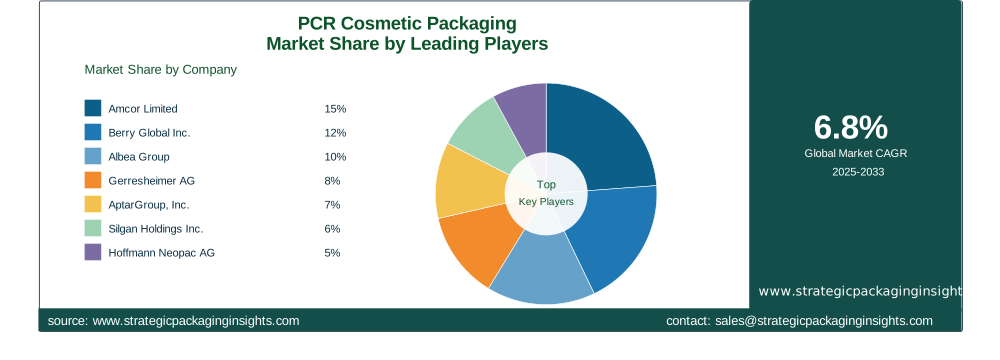
Among the major players in the PCR cosmetic packaging market, Amcor Limited holds a significant market share due to its extensive product offerings and strong global presence. The company is known for its commitment to sustainability and innovation, which has enabled it to maintain a competitive position in the market. Similarly, Berry Global Inc. is another key player that has made substantial investments in expanding its PCR material production capabilities. The company's focus on sustainability and its strategic acquisitions have strengthened its market position and broadened its customer base.
Albea Group is also a prominent player in the market, known for its innovative packaging solutions and commitment to sustainability. The company has a strong presence in the global market and has been actively expanding its PCR material offerings to cater to the growing demand for eco-friendly packaging. Additionally, Gerresheimer AG is a key player that has been focusing on enhancing its production capabilities and expanding its product portfolio to include more sustainable packaging solutions. The company's strategic partnerships and collaborations have further bolstered its market position.
Other notable companies in the PCR cosmetic packaging market include AptarGroup, Inc., which is recognized for its innovative dispensing solutions and commitment to sustainability. The company has been actively investing in research and development to introduce new products that meet the evolving needs of the cosmetics industry. Similarly, Silgan Holdings Inc. is a key player that has been focusing on expanding its PCR material offerings and enhancing its production capabilities to cater to the growing demand for sustainable packaging solutions. The company's strategic initiatives and strong customer relationships have contributed to its competitive position in the market.
Key Highlights
- The PCR cosmetic packaging market is projected to grow at a CAGR of 6.8% from 2025 to 2033.
- Increasing consumer demand for sustainable products is driving market growth.
- Technological advancements in recycling processes are enhancing the quality of PCR materials.
- Regulatory pressures are compelling companies to adopt PCR materials in their packaging solutions.
- Cost and availability of PCR materials remain key challenges for market growth.
- Collaborations between cosmetic companies and recycling firms are fostering innovation.
- Major players are focusing on expanding their product portfolios and production capabilities.
Top Countries Insights
In the PCR cosmetic packaging market, the United States holds a significant market share, with a market size of $2.1 billion and a CAGR of 7%. The country's strong regulatory framework and consumer demand for sustainable products are key growth drivers. The presence of major cosmetic brands and advanced recycling technologies further bolster the market. However, challenges such as the high cost of PCR materials and the need for consumer education persist.
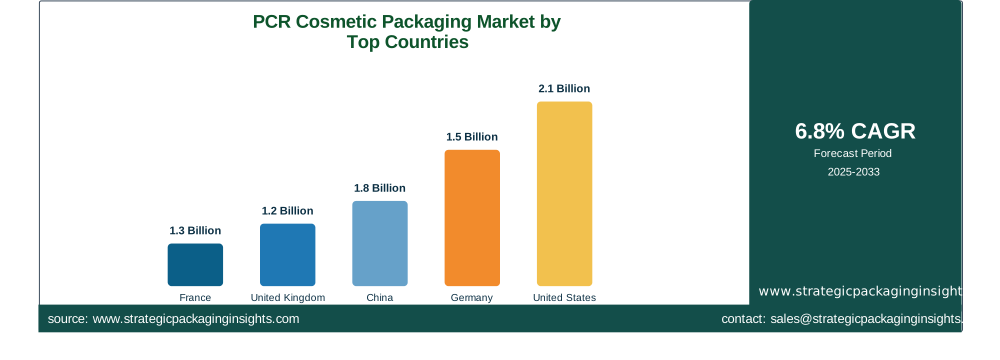
Germany is another key market, with a market size of $1.5 billion and a CAGR of 6%. The country's stringent environmental regulations and strong emphasis on sustainability are driving the adoption of PCR materials in cosmetic packaging. The presence of leading cosmetic companies and advanced recycling infrastructure support market growth. However, the high cost of PCR materials remains a challenge.
China is experiencing rapid growth in the PCR cosmetic packaging market, with a market size of $1.8 billion and a CAGR of 9%. The country's large consumer base and increasing awareness of sustainability are driving demand for PCR materials. Government initiatives to promote recycling and reduce plastic waste are also contributing to market growth. However, the availability of high-quality PCR materials remains a challenge.
In the United Kingdom, the PCR cosmetic packaging market is valued at $1.2 billion, with a CAGR of 5%. The country's strong regulatory framework and consumer demand for sustainable products are key growth drivers. The presence of major cosmetic brands and advanced recycling technologies further bolster the market. However, challenges such as the high cost of PCR materials and the need for consumer education persist.
France is another important market, with a market size of $1.3 billion and a CAGR of 6%. The country's emphasis on sustainability and strong regulatory framework are driving the adoption of PCR materials in cosmetic packaging. The presence of leading cosmetic companies and advanced recycling infrastructure support market growth. However, the high cost of PCR materials remains a challenge.
PCR Cosmetic Packaging Market Segments Insights

Material Type Analysis
The material type segment in the PCR cosmetic packaging market is primarily dominated by plastic, which is widely used due to its versatility and cost-effectiveness. Plastic PCR materials are favored for their lightweight nature and ability to be molded into various shapes and sizes, making them ideal for cosmetic packaging. The demand for plastic PCR materials is driven by the increasing focus on sustainability and the need to reduce plastic waste. However, the market is also witnessing a growing interest in glass and metal PCR materials, which are perceived as more premium and environmentally friendly options. These materials are gaining traction among luxury cosmetic brands that prioritize sustainability and aesthetics.
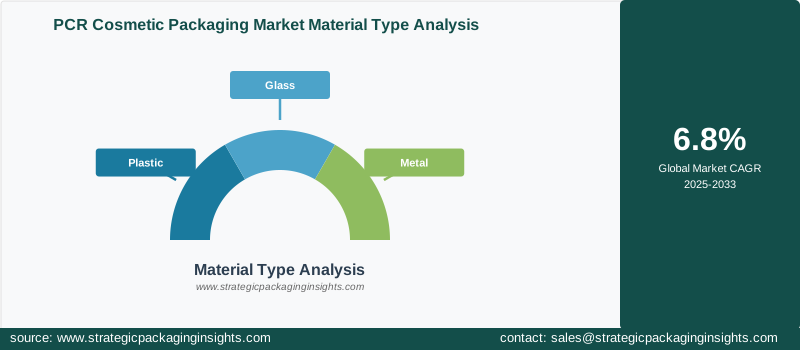
Glass PCR materials are particularly popular in the fragrance and skincare segments, where the premium look and feel of glass packaging are highly valued. The use of glass PCR materials is driven by the increasing demand for sustainable and recyclable packaging solutions. Metal PCR materials, on the other hand, are gaining popularity in the makeup segment, where their durability and recyclability are key advantages. The adoption of metal PCR materials is supported by advancements in recycling technologies that enable the production of high-quality metal PCR materials suitable for cosmetic packaging.
Application Analysis
The application segment of the PCR cosmetic packaging market is categorized into skincare, haircare, makeup, and fragrances. The skincare segment holds the largest market share, driven by the increasing demand for sustainable packaging solutions in the skincare industry. Consumers are becoming more conscious of the environmental impact of their skincare products, leading to a growing preference for brands that use PCR materials in their packaging. The haircare segment is also witnessing significant growth, with brands increasingly adopting PCR materials to enhance their sustainability credentials and appeal to eco-conscious consumers.
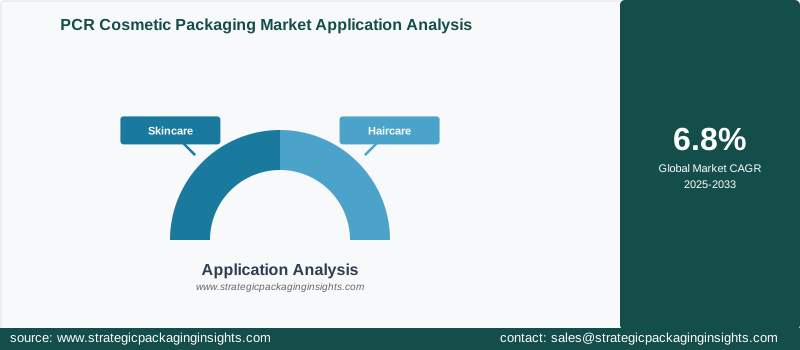
The makeup segment is experiencing rapid growth, driven by the increasing demand for sustainable and innovative packaging solutions. Brands are focusing on incorporating PCR materials into their makeup packaging to align with consumer values and enhance brand loyalty. The fragrances segment is also witnessing growth, with luxury brands increasingly adopting glass PCR materials to enhance the premium look and feel of their packaging. The use of PCR materials in fragrance packaging is driven by the growing demand for sustainable and recyclable packaging solutions.
Packaging Type Analysis
The packaging type segment in the PCR cosmetic packaging market includes bottles, jars, tubes, and pumps & dispensers. Bottles hold the largest market share, driven by their widespread use in the skincare and haircare segments. The demand for PCR bottles is driven by the increasing focus on sustainability and the need to reduce plastic waste. Jars are also gaining popularity, particularly in the skincare segment, where their premium look and feel are highly valued. The use of PCR jars is driven by the growing demand for sustainable and recyclable packaging solutions.
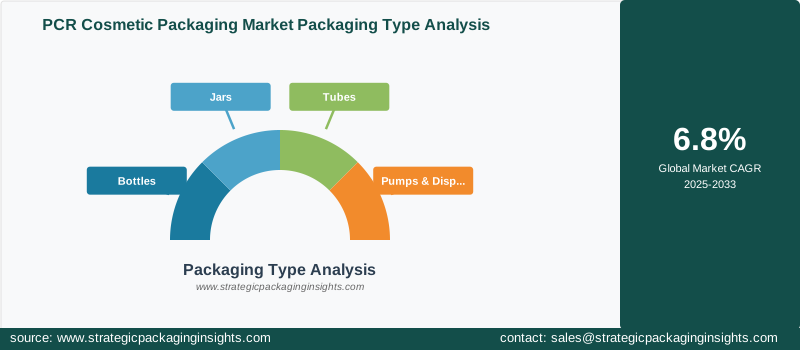
Tubes are witnessing significant growth, driven by their versatility and convenience. The demand for PCR tubes is supported by advancements in recycling technologies that enable the production of high-quality PCR materials suitable for tube packaging. Pumps & dispensers are also gaining traction, particularly in the skincare and haircare segments, where their functionality and ease of use are key advantages. The adoption of PCR pumps & dispensers is driven by the increasing demand for sustainable and innovative packaging solutions.
PCR Cosmetic Packaging Market Segments
The PCR Cosmetic Packaging market has been segmented on the basis ofMaterial Type
- Plastic
- Glass
- Metal
Application
- Skincare
- Haircare
Packaging Type
- Bottles
- Jars
- Tubes
- Pumps & Dispensers




