


Wrap Around Label Market Outlook
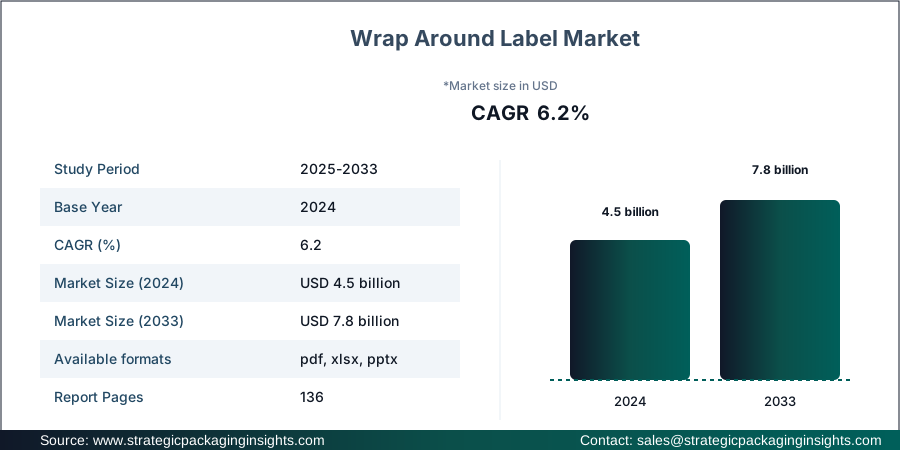
The Wrap Around Label market was valued at $7.54 billion in 2025 and is projected to reach $11.89 billion by 2034, growing at a CAGR of 5.2% during the forecast period 2026-2034. This market is experiencing significant growth due to the increasing demand for efficient and cost-effective labeling solutions across various industries. The versatility of wrap around labels, which can be applied to a wide range of container shapes and sizes, makes them a preferred choice for manufacturers aiming to enhance product appeal and brand visibility. The market is also driven by advancements in printing technologies, which have improved the quality and durability of labels, making them more attractive to end-users.
Despite the promising growth prospects, the Wrap Around Label market faces certain challenges that could hinder its expansion. Regulatory constraints related to environmental sustainability and waste management are becoming more stringent, compelling manufacturers to adopt eco-friendly materials and processes. Additionally, the fluctuating prices of raw materials such as plastics and paper can impact production costs and profit margins. However, the market holds substantial growth potential, particularly in emerging economies where the demand for packaged goods is rising rapidly. The increasing focus on product differentiation and branding in these regions is expected to drive the adoption of wrap around labels, providing lucrative opportunities for market players.
Report Scope
| Attributes | Details |
| Report Title | Wrap Around Label Market Size, Future Growth and Forecast 2034 |
| By Material Type | OPP, PET, Paper, Shrink Films |
| By Application | Beverages, Food, Home Care, Personal Care |
| By Printing Technology | Flexography, Gravure, Digital |
| By End Use | Bottlers, FMCG Brands, Converters |
| Region | Asia Pacific, North America, Latin America, Europe, Middle East & Africa |
| Base Year | 2025 |
| Historic Period | 2018-2024 |
| Forecast Period | 2026-2034 |
| Number of Pages | 116 |
| Customization Available | Yes* |
Opportunities & Threats
The Wrap Around Label market presents numerous opportunities for growth, particularly in the realm of technological advancements. The integration of digital printing technology has revolutionized the labeling industry, offering high-quality, customizable, and cost-effective solutions. This technology allows for shorter print runs and faster turnaround times, catering to the growing demand for personalized and limited-edition products. Additionally, the increasing emphasis on sustainability is driving innovation in eco-friendly labeling materials, such as biodegradable films and recyclable adhesives, which are gaining traction among environmentally conscious consumers and brands.
Another significant opportunity lies in the expanding beverage and food industries, which are major consumers of wrap around labels. The rising demand for packaged beverages, including bottled water, soft drinks, and alcoholic beverages, is fueling the need for attractive and durable labeling solutions. Similarly, the food industry is witnessing a surge in demand for packaged and processed foods, further boosting the market for wrap around labels. As consumers become more health-conscious and seek transparency in product labeling, manufacturers are investing in advanced labeling technologies to provide detailed product information and enhance brand trust.
However, the Wrap Around Label market is not without its threats. One of the primary challenges is the increasing competition from alternative labeling solutions, such as pressure-sensitive labels and shrink sleeves, which offer similar benefits and are gaining popularity in certain applications. Additionally, the market is vulnerable to fluctuations in raw material prices, particularly for plastics and paper, which can impact production costs and profitability. To mitigate these threats, companies are focusing on strategic partnerships and collaborations to enhance their product offerings and expand their market presence.
Drivers & Challenges
The Wrap Around Label market is driven by several key factors, including the growing demand for packaged goods and the need for effective branding and product differentiation. As consumer preferences shift towards convenience and ready-to-eat products, manufacturers are increasingly adopting wrap around labels to enhance the visual appeal and shelf presence of their products. The versatility of these labels, which can be applied to various container shapes and sizes, makes them an ideal choice for a wide range of applications, from beverages and food to personal care and home care products.
Another significant driver is the advancement in printing technologies, which has greatly improved the quality and durability of wrap around labels. Innovations in digital and flexographic printing have enabled manufacturers to produce high-resolution, vibrant labels that can withstand harsh environmental conditions, such as moisture and temperature fluctuations. This has expanded the application scope of wrap around labels, making them suitable for use in diverse industries and environments. Additionally, the increasing focus on sustainability and eco-friendly packaging solutions is driving the adoption of recyclable and biodegradable labeling materials, further boosting market growth.
Despite these drivers, the Wrap Around Label market faces several challenges that could impede its growth. One of the primary challenges is the stringent regulatory environment surrounding packaging waste and sustainability. Governments and regulatory bodies worldwide are imposing stricter regulations on packaging materials, compelling manufacturers to adopt sustainable practices and materials. This can increase production costs and require significant investments in research and development. Furthermore, the market is also challenged by the rising competition from alternative labeling solutions, such as pressure-sensitive labels and shrink sleeves, which offer similar benefits and are gaining popularity in certain applications.
Market Share Analysis
The Wrap Around Label market is characterized by a highly competitive landscape, with several key players vying for market share. Companies such as CCL Industries, Avery Dennison, and Multi-Color Corporation are among the leading players in the market, leveraging their extensive product portfolios and global presence to maintain a competitive edge. These companies are focusing on strategic acquisitions and partnerships to expand their market reach and enhance their product offerings. For instance, CCL Industries has been actively acquiring companies in the labeling and packaging industry to strengthen its position in the market.
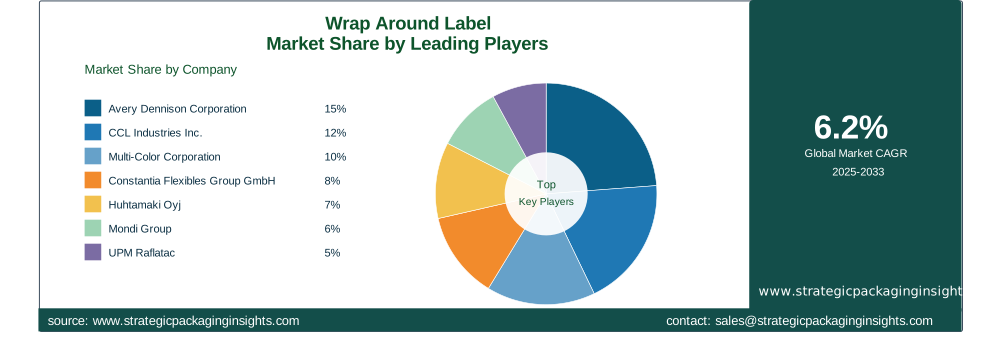
Avery Dennison, another major player, is known for its innovative labeling solutions and commitment to sustainability. The company has been investing in research and development to develop eco-friendly labeling materials and technologies, catering to the growing demand for sustainable packaging solutions. Similarly, Multi-Color Corporation has been expanding its global footprint through strategic acquisitions and collaborations, enabling it to offer a diverse range of labeling solutions to its customers.
Other notable players in the market include UPM Raflatac, Huhtamaki, and Fuji Seal, each of which has a strong presence in the global labeling industry. UPM Raflatac is recognized for its sustainable labeling solutions, while Huhtamaki is known for its innovative packaging technologies. Fuji Seal, on the other hand, is a leading provider of shrink sleeve labels and has been expanding its product portfolio to include wrap around labels. These companies are focusing on product innovation and technological advancements to stay competitive in the market.
In addition to these major players, the market also includes several regional and local companies that cater to specific markets and applications. Companies such as Coveris, Fort Dearborn, Constantia Flexibles, and Inland Packaging are actively participating in the market, offering a wide range of labeling solutions to meet the diverse needs of their customers. These companies are focusing on enhancing their production capabilities and expanding their product offerings to capture a larger share of the market.
Key Highlights
- The Wrap Around Label market is projected to grow at a CAGR of 5.2% from 2026 to 2034.
- Technological advancements in digital printing are driving market growth.
- Increasing demand for sustainable and eco-friendly labeling solutions.
- Rising demand from the beverage and food industries.
- Growing competition from alternative labeling solutions.
- Key players are focusing on strategic acquisitions and partnerships.
- Regulatory constraints related to environmental sustainability are impacting the market.
- Emerging economies present significant growth opportunities.
- Advancements in printing technologies are enhancing label quality and durability.
- Fluctuating raw material prices pose a challenge to market growth.
Top Countries Insights
In the Wrap Around Label market, the United States stands out as a key player, with a market size of approximately $2.5 billion and a CAGR of 4%. The country's robust packaging industry, coupled with the increasing demand for packaged beverages and foods, drives the market. The presence of major market players and the adoption of advanced printing technologies further bolster growth. However, regulatory pressures regarding sustainability and waste management pose challenges.
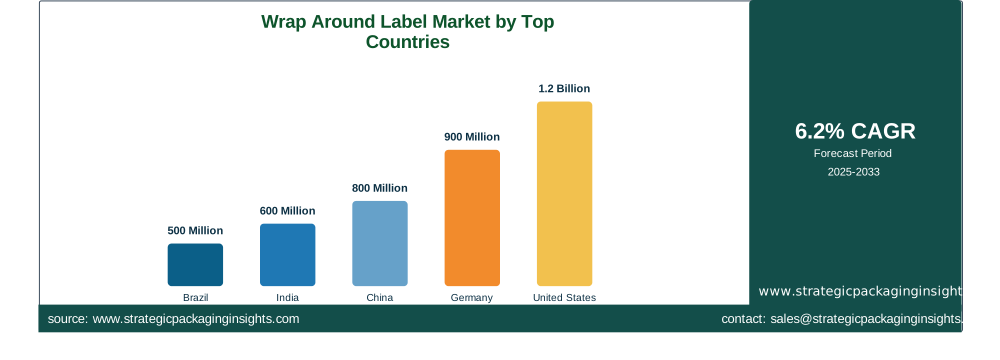
China, with a market size of $1.8 billion and a CAGR of 6%, is another significant market for wrap around labels. The rapid industrialization and urbanization in the country have led to increased demand for packaged goods, driving the need for efficient labeling solutions. Government initiatives promoting sustainable packaging practices are also influencing market dynamics, encouraging the adoption of eco-friendly labeling materials.
Germany, with a market size of $1.2 billion and a CAGR of 5%, is a leading market in Europe. The country's strong manufacturing sector and emphasis on quality and sustainability drive the demand for wrap around labels. The presence of key market players and advancements in printing technologies contribute to market growth. However, stringent environmental regulations and high production costs pose challenges.
India, with a market size of $900 million and a CAGR of 7%, is an emerging market with significant growth potential. The increasing demand for packaged foods and beverages, driven by a growing middle class and changing consumer preferences, fuels the market. The government's focus on promoting sustainable packaging solutions and the adoption of advanced printing technologies are key growth drivers.
Brazil, with a market size of $750 million and a CAGR of 5%, is a prominent market in Latin America. The country's expanding food and beverage industry, coupled with the increasing demand for attractive and durable labeling solutions, drives market growth. However, economic instability and regulatory challenges related to sustainability and waste management pose threats to market expansion.
Wrap Around Label Market Segments Insights

Material Type Analysis
The material type segment in the Wrap Around Label market is crucial, as it determines the label's durability, appearance, and cost-effectiveness. OPP (Oriented Polypropylene) is a popular choice due to its excellent clarity, moisture resistance, and cost-effectiveness, making it ideal for beverage and food applications. PET (Polyethylene Terephthalate) is favored for its strength and recyclability, aligning with the growing demand for sustainable packaging solutions. Paper labels, while less durable, offer a cost-effective and eco-friendly option for certain applications, particularly in the home care and personal care sectors. Shrink films, known for their conformability and 360-degree coverage, are gaining popularity in the beverage industry, providing a seamless and attractive labeling solution.
The choice of material is influenced by factors such as product type, environmental conditions, and branding requirements. Manufacturers are increasingly focusing on developing innovative materials that offer enhanced performance and sustainability. The growing emphasis on eco-friendly packaging solutions is driving the demand for recyclable and biodegradable materials, prompting companies to invest in research and development to meet these evolving consumer preferences. As a result, the material type segment is expected to witness significant growth, driven by advancements in material science and the increasing adoption of sustainable practices.
Application Analysis
The application segment of the Wrap Around Label market is diverse, encompassing beverages, food, home care, and personal care products. The beverage industry is a major consumer of wrap around labels, driven by the increasing demand for packaged beverages such as bottled water, soft drinks, and alcoholic beverages. The need for attractive and durable labeling solutions that can withstand moisture and temperature fluctuations is driving the adoption of wrap around labels in this sector. Similarly, the food industry is witnessing a surge in demand for packaged and processed foods, further boosting the market for wrap around labels.
In the home care and personal care sectors, wrap around labels are used to enhance product appeal and provide essential product information. The growing consumer preference for aesthetically pleasing and informative packaging is driving the demand for high-quality labeling solutions in these industries. As consumers become more health-conscious and seek transparency in product labeling, manufacturers are investing in advanced labeling technologies to provide detailed product information and enhance brand trust. The application segment is expected to witness significant growth, driven by the increasing demand for packaged goods and the need for effective branding and product differentiation.
Printing Technology Analysis
The printing technology segment in the Wrap Around Label market is witnessing significant advancements, driven by the need for high-quality, customizable, and cost-effective labeling solutions. Flexography is a widely used printing technology, known for its versatility and ability to print on a wide range of materials. It is favored for its cost-effectiveness and high-speed production capabilities, making it ideal for large-scale labeling applications. Gravure printing, known for its high-quality and consistent print results, is preferred for premium labeling applications, particularly in the beverage and personal care sectors.
Digital printing is revolutionizing the labeling industry, offering high-quality, customizable, and cost-effective solutions. This technology allows for shorter print runs and faster turnaround times, catering to the growing demand for personalized and limited-edition products. The integration of digital printing technology has enabled manufacturers to produce high-resolution, vibrant labels that can withstand harsh environmental conditions, such as moisture and temperature fluctuations. As a result, the printing technology segment is expected to witness significant growth, driven by advancements in printing technologies and the increasing demand for high-quality labeling solutions.
End Use Analysis
The end use segment of the Wrap Around Label market includes bottlers, FMCG brands, and converters, each with unique requirements and preferences. Bottlers are major consumers of wrap around labels, driven by the need for attractive and durable labeling solutions that can withstand moisture and temperature fluctuations. The increasing demand for packaged beverages, including bottled water, soft drinks, and alcoholic beverages, is fueling the need for high-quality labeling solutions in this sector.
FMCG brands are focusing on enhancing product appeal and brand visibility through innovative labeling solutions. The growing emphasis on product differentiation and branding is driving the adoption of wrap around labels, which offer a cost-effective and versatile labeling solution. Converters, on the other hand, are focusing on enhancing their production capabilities and expanding their product offerings to meet the diverse needs of their customers. The end use segment is expected to witness significant growth, driven by the increasing demand for packaged goods and the need for effective branding and product differentiation.
Wrap Around Label Market Segments
The Wrap Around Label market has been segmented on the basis ofBy Material Type
- OPP
- PET
- Paper
- Shrink Films
By Application
- Beverages
- Food
- Home Care
- Personal Care
By Printing Technology
- Flexography
- Gravure
- Digital
By End Use
- Bottlers
- FMCG Brands
- Converters
Region
- Asia Pacific
- North America
- Latin America
- Europe
- Middle East & Africa




