


Self-fusing Silicone Tape Market Outlook
The self-fusing silicone tape market was valued at $1.2 billion in 2024 and is projected to reach $2.5 billion by 2033, growing at a CAGR of 8.5% during the forecast period 2025-2033. This market is experiencing robust growth driven by the increasing demand for high-performance sealing solutions across various industries. The unique properties of self-fusing silicone tape, such as its ability to withstand extreme temperatures and resist moisture, make it an ideal choice for applications in electrical insulation, plumbing, and automotive repairs. The market's expansion is further fueled by the growing trend towards maintenance-free and durable sealing solutions in both industrial and residential sectors. As industries continue to prioritize efficiency and reliability, the adoption of self-fusing silicone tape is expected to rise significantly.
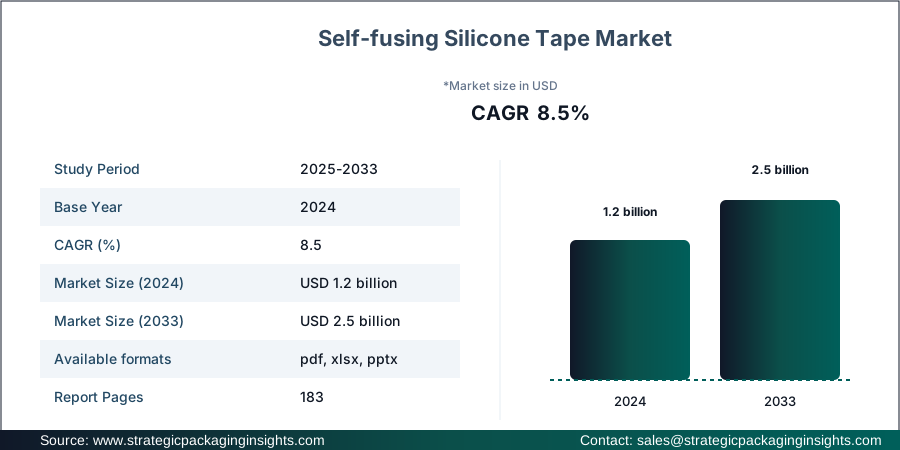
Report Scope
| Attributes | Details |
| Report Title | Self-fusing Silicone Tape Market Size, Future Growth and Forecast 2033 |
| Material Type | Silicone Rubber, Silicone Resin |
| Application | Electrical & Electronics, Plumbing, Automotive, Aerospace, Marine, Others |
| End-User | Industrial, Commercial, Residential |
| Region | Asia Pacific, North America, Latin America, Europe, Middle East & Africa |
| Base Year | 2024 |
| Historic Period | 2017-2023 |
| Forecast Period | 2025-2033 |
| Number of Pages | 183 |
| Customization Available | Yes* |
Opportunities & Threats
The self-fusing silicone tape market presents numerous opportunities, particularly in the realm of technological advancements and product innovations. With the increasing focus on sustainability and eco-friendly materials, manufacturers are exploring the development of biodegradable and recyclable silicone tapes. This shift not only aligns with global environmental goals but also opens new avenues for market growth. Additionally, the rise of smart technologies and the Internet of Things (IoT) in industrial applications is creating a demand for advanced sealing solutions that can integrate with smart systems, offering enhanced monitoring and control capabilities. These innovations are expected to drive the market forward, providing lucrative opportunities for companies that invest in research and development.
Another significant opportunity lies in the expanding applications of self-fusing silicone tape in emerging markets. As developing countries continue to industrialize, the demand for reliable and efficient sealing solutions is on the rise. The construction and automotive sectors, in particular, are witnessing rapid growth, creating a substantial market for self-fusing silicone tape. Companies that can effectively tap into these markets by offering cost-effective and high-quality products are likely to gain a competitive edge. Furthermore, strategic partnerships and collaborations with local distributors and suppliers can enhance market penetration and brand visibility in these regions.
However, the market also faces certain threats, primarily in the form of fluctuating raw material prices and stringent regulatory standards. The silicone industry is subject to price volatility due to supply chain disruptions and geopolitical tensions, which can impact the overall cost structure of self-fusing silicone tape. Additionally, compliance with environmental regulations and safety standards requires significant investment in quality control and testing, posing a challenge for smaller manufacturers. Companies must navigate these challenges by adopting efficient supply chain management practices and investing in sustainable production processes to mitigate risks and maintain profitability.
Drivers & Challenges
The primary drivers of the self-fusing silicone tape market include the increasing demand for high-performance sealing solutions and the growing emphasis on maintenance-free products. Industries such as automotive, aerospace, and marine are increasingly adopting self-fusing silicone tape due to its superior properties, including resistance to extreme temperatures, chemicals, and UV radiation. These tapes provide reliable and long-lasting sealing solutions, reducing the need for frequent maintenance and replacements. Moreover, the rise in infrastructure development and construction activities globally is boosting the demand for effective sealing materials, further propelling market growth.
Another key driver is the technological advancements in silicone tape manufacturing processes. Innovations in material science have led to the development of tapes with enhanced properties, such as increased flexibility, adhesion strength, and durability. These advancements are enabling manufacturers to cater to a wider range of applications, from electrical insulation to plumbing repairs. The integration of smart technologies and IoT in industrial applications is also driving the demand for advanced sealing solutions that offer real-time monitoring and control capabilities. As industries continue to evolve, the need for innovative and efficient sealing solutions is expected to drive the market forward.
Despite the positive growth outlook, the self-fusing silicone tape market faces several challenges. One of the major challenges is the intense competition from alternative sealing solutions, such as adhesive tapes and sealants. These alternatives often offer lower cost options, making them attractive to price-sensitive customers. Additionally, the market is characterized by the presence of numerous small and medium-sized players, leading to price wars and margin pressures. To overcome these challenges, companies need to focus on product differentiation and value-added services, such as customized solutions and technical support, to enhance customer loyalty and market share.
Self-fusing Silicone Tape Strategic Outlook
| Trend | Market Driver | Technological/Material Shift | Business Impact |
|---|---|---|---|
| Sustainability | Eco-friendly Materials | Biodegradable Silicone | Increased Market Share |
| Smart Tech | IoT Integration | Advanced Monitoring | Enhanced Product Offerings |
| Consumer Behavior | Maintenance-free Solutions | Durable Sealing | Customer Retention |
| Logistics | Efficient Supply Chain | Cost Management | Profitability |
In 2026, the self-fusing silicone tape market is poised for significant growth, driven by the increasing demand for high-performance sealing solutions across various industries. The primary disruptor in this niche is the shift towards sustainable and eco-friendly materials, as regulatory bodies worldwide impose stricter environmental standards. Companies are investing in the development of biodegradable and recyclable silicone tapes to align with these regulations and meet consumer expectations. To maintain market share by 2033, brands should focus on product innovation and strategic partnerships to enhance their offerings and expand their reach. Embracing smart technologies and IoT integration will also be crucial in providing advanced sealing solutions that cater to the evolving needs of industries.
Market Share Analysis
The self-fusing silicone tape market is characterized by a competitive landscape with several key players vying for market share. The market is dominated by a mix of established companies and emerging players, each striving to differentiate their products through innovation and quality. The competitive dynamics are influenced by factors such as product offerings, pricing strategies, distribution networks, and brand reputation. Companies are focusing on expanding their product portfolios and enhancing their manufacturing capabilities to cater to the growing demand for self-fusing silicone tape across various applications.
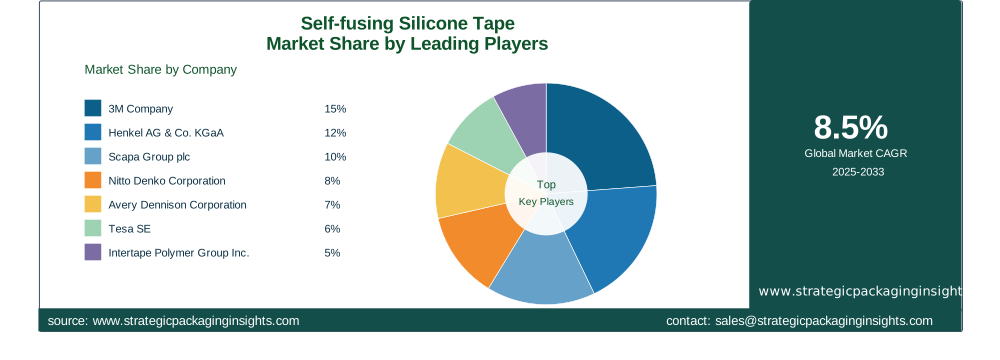
Among the major players in the market, 3M Company holds a significant share due to its extensive product range and strong global presence. The company is known for its innovative solutions and commitment to sustainability, which resonates well with environmentally conscious consumers. Similarly, Henkel AG & Co. KGaA is a prominent player, leveraging its expertise in adhesive technologies to offer high-performance silicone tapes. The company's focus on research and development enables it to introduce advanced products that meet the evolving needs of industries.
Another key player, Scapa Group plc, has established itself as a leader in the self-fusing silicone tape market through strategic acquisitions and partnerships. The company's emphasis on customer-centric solutions and technical support has helped it build a loyal customer base. Additionally, Nitto Denko Corporation is recognized for its cutting-edge technologies and innovative product offerings. The company's global reach and strong distribution network enable it to effectively serve diverse markets and maintain a competitive edge.
Other notable companies in the market include Avery Dennison Corporation, Tesa SE, and Intertape Polymer Group Inc. These companies are actively investing in research and development to enhance their product offerings and expand their market presence. By focusing on sustainability and technological advancements, they aim to capture a larger share of the growing self-fusing silicone tape market. The competitive landscape is expected to intensify as more players enter the market, driving innovation and pushing companies to continuously improve their products and services.
Key Highlights
- The self-fusing silicone tape market is projected to grow at a CAGR of 8.5% from 2025 to 2033.
- Increasing demand for high-performance sealing solutions is driving market growth.
- Technological advancements in silicone tape manufacturing are enhancing product properties.
- Emerging markets present significant growth opportunities for self-fusing silicone tape.
- Fluctuating raw material prices pose a challenge to market stability.
- Companies are focusing on sustainability and eco-friendly materials to meet regulatory standards.
- Strategic partnerships and collaborations are key to expanding market reach.
Top Countries Insights
In the self-fusing silicone tape market, the United States holds a prominent position with a market size of $300 million and a CAGR of 7%. The country's growth is driven by the robust demand from the automotive and aerospace sectors, where high-performance sealing solutions are essential. Additionally, the presence of major manufacturers and a strong focus on innovation contribute to the market's expansion.
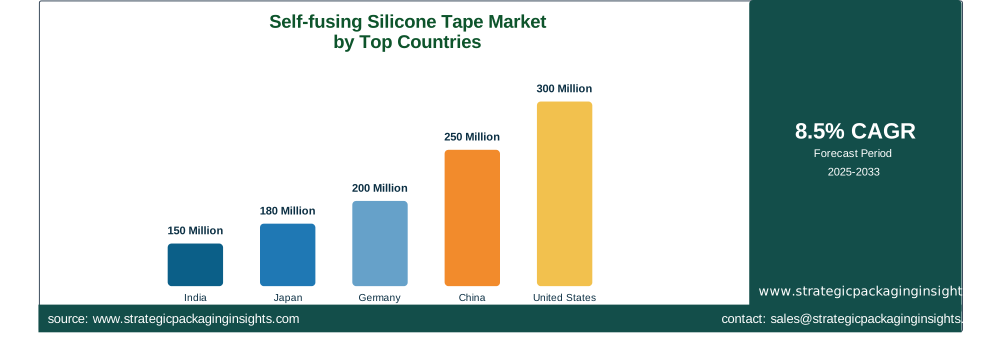
China is another key player in the market, with a market size of $250 million and a CAGR of 10%. The country's rapid industrialization and infrastructure development are fueling the demand for self-fusing silicone tape. Government initiatives to promote sustainable manufacturing practices and the adoption of advanced technologies are further boosting market growth.
Germany, with a market size of $200 million and a CAGR of 8%, is a significant contributor to the European market. The country's strong automotive industry and emphasis on quality and precision drive the demand for high-performance sealing solutions. Additionally, Germany's commitment to sustainability and eco-friendly materials aligns with the global trend towards greener products.
Japan, with a market size of $180 million and a CAGR of 6%, is a key market in the Asia Pacific region. The country's advanced manufacturing capabilities and focus on technological innovation support the growth of the self-fusing silicone tape market. The demand for reliable and efficient sealing solutions in the electronics and automotive sectors further drives market expansion.
India, with a market size of $150 million and a CAGR of 9%, is an emerging market with significant growth potential. The country's expanding construction and automotive industries are creating a demand for effective sealing materials. Government initiatives to promote industrial growth and infrastructure development are expected to further boost the market.
Self-fusing Silicone Tape Market Segments Insights

Material Type Analysis
The self-fusing silicone tape market is segmented by material type into silicone rubber and silicone resin. Silicone rubber is the dominant segment, owing to its superior properties such as flexibility, durability, and resistance to extreme temperatures. These characteristics make it an ideal choice for applications in electrical insulation, plumbing, and automotive repairs. The demand for silicone rubber tapes is further driven by the increasing focus on maintenance-free and long-lasting sealing solutions across various industries. As manufacturers continue to innovate and enhance the properties of silicone rubber tapes, this segment is expected to witness significant growth during the forecast period.
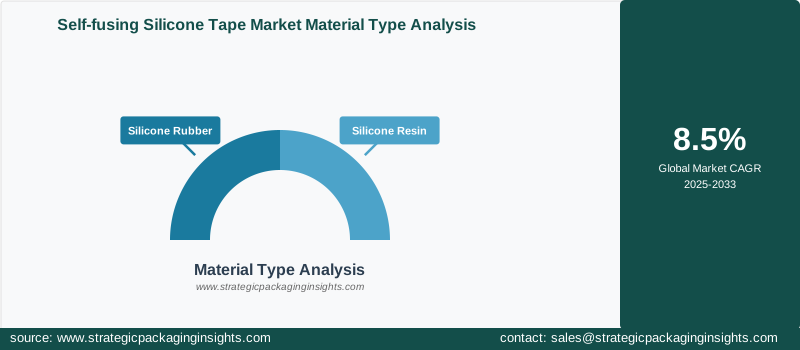
Silicone resin, on the other hand, is gaining traction due to its excellent adhesion properties and resistance to chemicals and UV radiation. This segment is particularly popular in applications that require high-performance sealing solutions, such as aerospace and marine industries. The growing demand for lightweight and durable materials in these sectors is driving the adoption of silicone resin tapes. Additionally, the development of advanced manufacturing processes and the integration of smart technologies are expected to further boost the growth of the silicone resin segment.
Application Analysis
The application segment of the self-fusing silicone tape market includes electrical & electronics, plumbing, automotive, aerospace, marine, and others. The electrical & electronics segment holds a significant share of the market, driven by the increasing demand for reliable and efficient insulation solutions. Self-fusing silicone tapes are widely used in electrical applications due to their excellent dielectric properties and resistance to moisture and chemicals. The growing trend towards miniaturization and the integration of smart technologies in electronic devices are further fueling the demand for high-performance sealing solutions.
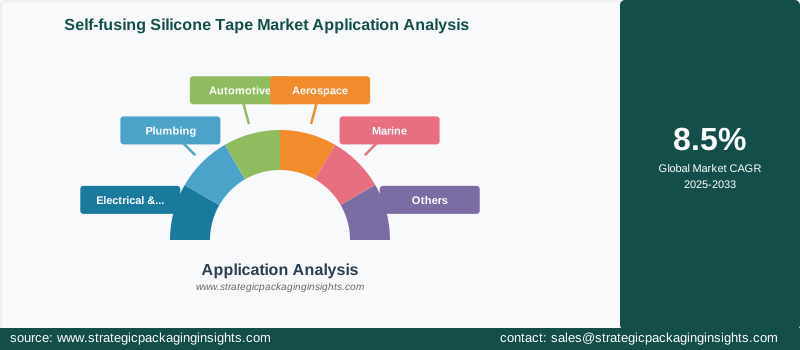
The automotive segment is another major contributor to the market, as self-fusing silicone tapes are used for various applications such as wire harnessing, hose repair, and sealing. The increasing focus on vehicle safety and performance is driving the demand for durable and reliable sealing solutions in the automotive industry. Additionally, the rise in electric vehicle production and the need for advanced insulation materials are expected to boost the growth of this segment. The aerospace and marine segments are also witnessing significant growth, driven by the demand for lightweight and high-performance sealing solutions in these industries.
End-User Analysis
The self-fusing silicone tape market is segmented by end-user into industrial, commercial, and residential. The industrial segment dominates the market, owing to the widespread use of self-fusing silicone tapes in various industrial applications such as electrical insulation, plumbing, and maintenance. The demand for high-performance sealing solutions in industries such as automotive, aerospace, and marine is driving the growth of this segment. Additionally, the increasing focus on efficiency and reliability in industrial operations is boosting the adoption of self-fusing silicone tapes.
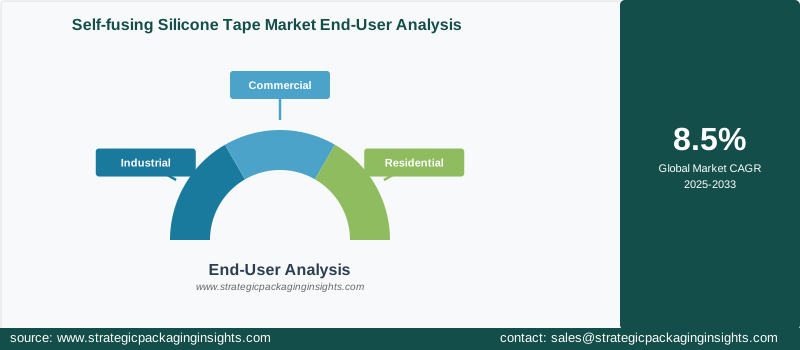
The commercial segment is also experiencing significant growth, driven by the demand for durable and maintenance-free sealing solutions in commercial buildings and infrastructure projects. Self-fusing silicone tapes are used for various applications such as pipe sealing, electrical insulation, and HVAC systems in commercial settings. The residential segment, although smaller in size, is witnessing steady growth due to the increasing awareness of the benefits of self-fusing silicone tapes for home repairs and maintenance. The demand for easy-to-use and reliable sealing solutions in residential applications is expected to drive the growth of this segment.
Region Analysis
The self-fusing silicone tape market is segmented by region into Asia Pacific, North America, Latin America, Europe, and Middle East & Africa. Asia Pacific is the largest market, driven by the rapid industrialization and infrastructure development in countries such as China and India. The demand for high-performance sealing solutions in the automotive, construction, and electronics industries is fueling the growth of the market in this region. Additionally, government initiatives to promote sustainable manufacturing practices and the adoption of advanced technologies are expected to further boost market growth.
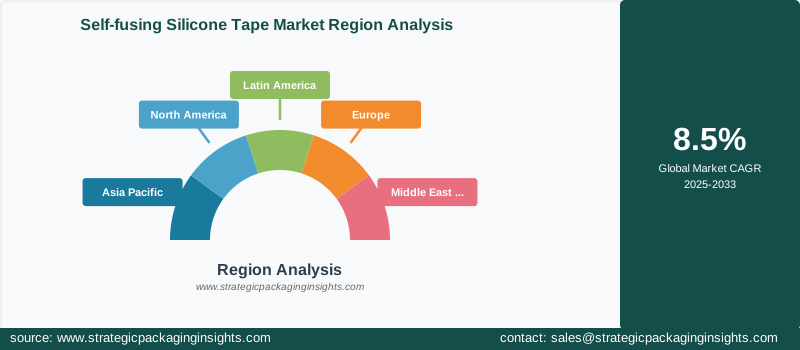
North America is another significant market, with the United States being a major contributor. The demand for self-fusing silicone tapes in the automotive and aerospace industries is driving market growth in this region. The presence of major manufacturers and a strong focus on innovation and sustainability are also contributing to the market's expansion. Europe is witnessing steady growth, driven by the demand for high-quality and eco-friendly sealing solutions in industries such as automotive and construction. The emphasis on sustainability and the adoption of advanced technologies are expected to further boost market growth in this region.
Self-fusing Silicone Tape Market Segments
The Self-fusing Silicone Tape market has been segmented on the basis ofMaterial Type
- Silicone Rubber
- Silicone Resin
Application
- Electrical & Electronics
- Plumbing
- Automotive
- Aerospace
- Marine
- Others
End-User
- Industrial
- Commercial
- Residential
Region
- Asia Pacific
- North America
- Latin America
- Europe
- Middle East & Africa




