


Boxboard Packaging Market Outlook
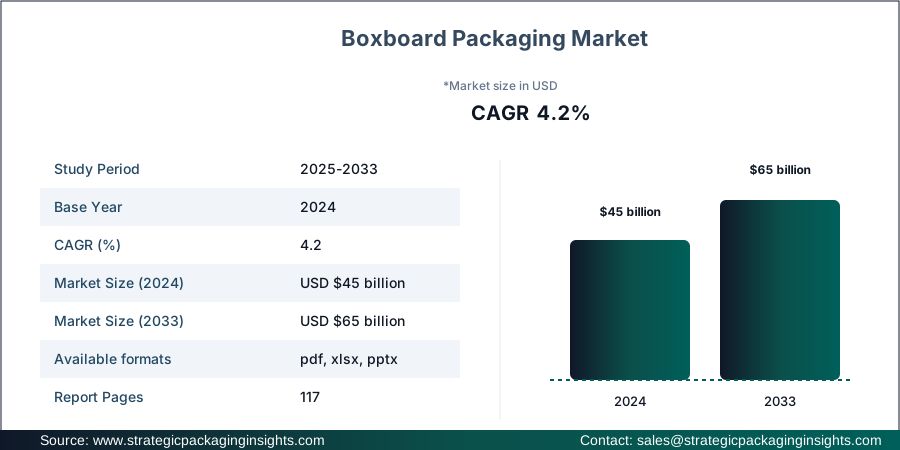
The boxboard packaging market was valued at $45 billion in 2024 and is projected to reach $65 billion by 2033, growing at a CAGR of 4.2% during the forecast period 2025-2033. This growth trajectory is driven by the increasing demand for sustainable and recyclable packaging solutions across various industries. Boxboard, known for its lightweight and durable properties, is becoming a preferred choice for packaging in sectors such as food and beverage, personal care, and electronics. The market is also benefiting from the rising e-commerce industry, which requires robust packaging solutions to ensure product safety during transit. Additionally, the shift towards eco-friendly packaging materials is further propelling the market, as consumers and companies alike are becoming more environmentally conscious.
Report Scope
| Attributes | Details |
| Report Title | Boxboard Packaging Market Size, Future Growth and Forecast 2033 |
| Material Type | Recycled, Virgin |
| Application | Food & Beverage, Personal Care, Healthcare, Electronics, Others |
| End-User | Retail, Industrial, Institutional |
| Region | Asia Pacific, North America, Latin America, Europe, Middle East & Africa |
| Base Year | 2024 |
| Historic Period | 2017-2023 |
| Forecast Period | 2025-2033 |
| Number of Pages | 117 |
| Customization Available | Yes* |
Opportunities & Threats
One of the significant opportunities in the boxboard packaging market lies in the growing consumer preference for sustainable packaging solutions. As environmental concerns continue to rise, consumers are increasingly opting for products that come in eco-friendly packaging. This trend is encouraging manufacturers to innovate and develop boxboard packaging that is not only recyclable but also biodegradable. Furthermore, the expansion of the e-commerce sector presents a lucrative opportunity for the boxboard packaging market. With the surge in online shopping, there is a heightened demand for packaging solutions that can protect products during shipping while also being lightweight and cost-effective. This demand is expected to drive the growth of the boxboard packaging market significantly over the forecast period.
Another opportunity is the increasing adoption of advanced technologies in packaging. The integration of smart packaging solutions, such as QR codes and RFID tags, into boxboard packaging is gaining traction. These technologies enhance the consumer experience by providing additional product information and ensuring product authenticity. Moreover, the use of digital printing on boxboard packaging is becoming popular, allowing for customization and personalization, which can attract more consumers. As brands strive to differentiate themselves in a competitive market, the demand for innovative and technologically advanced packaging solutions is expected to rise, providing further growth opportunities for the boxboard packaging market.
However, the boxboard packaging market faces certain threats that could hinder its growth. One of the primary challenges is the volatility in raw material prices. The cost of raw materials, such as wood pulp, can fluctuate due to various factors, including supply chain disruptions and environmental regulations. These fluctuations can impact the profitability of boxboard manufacturers and may lead to increased prices for end consumers. Additionally, the stringent regulations regarding packaging waste and recycling can pose a threat to the market. Manufacturers need to comply with these regulations, which can increase operational costs and affect market growth. Despite these challenges, the market is expected to grow steadily, driven by the increasing demand for sustainable packaging solutions.
Drivers & Challenges
The primary driver of the boxboard packaging market is the growing demand for sustainable and recyclable packaging solutions. As consumers become more environmentally conscious, there is a significant shift towards packaging materials that have a minimal environmental impact. Boxboard, being recyclable and often made from recycled materials, fits this demand perfectly. Additionally, the rise of the e-commerce industry is a major driver for the market. With more consumers shopping online, there is an increased need for packaging solutions that can protect products during transit. Boxboard packaging, known for its durability and lightweight properties, is ideal for e-commerce applications, further driving market growth.
Another key driver is the increasing demand from the food and beverage industry. Boxboard packaging is widely used in this sector due to its ability to preserve the freshness and quality of food products. The growing trend of ready-to-eat meals and packaged food products is boosting the demand for boxboard packaging. Moreover, the personal care and healthcare industries are also contributing to market growth. These sectors require packaging solutions that are not only functional but also aesthetically appealing, and boxboard packaging meets these requirements. The versatility and adaptability of boxboard packaging make it a preferred choice across various industries, driving its market growth.
Despite the positive growth drivers, the boxboard packaging market faces several challenges. One of the significant challenges is the competition from alternative packaging materials, such as plastic and flexible packaging. These materials offer certain advantages, such as cost-effectiveness and flexibility, which can pose a threat to the boxboard packaging market. Additionally, the market is challenged by the need to comply with stringent environmental regulations. Manufacturers must ensure that their packaging solutions meet the required standards, which can increase production costs. Furthermore, the fluctuating prices of raw materials, such as wood pulp, can impact the profitability of boxboard manufacturers. Addressing these challenges is crucial for the sustained growth of the boxboard packaging market.
Boxboard Packaging Strategic Outlook
| Trend | Market Driver | Technological/Material Shift | Business Impact |
|---|---|---|---|
| Sustainability | Consumer Demand for Eco-Friendly Products | Shift to Recycled Materials | Increased Market Share |
| Smart Tech | Integration of QR Codes and RFID | Adoption of Digital Printing | Enhanced Consumer Engagement |
| Consumer Behavior | Rise in E-commerce | Customization and Personalization | Higher Sales Volume |
| Logistics | Need for Durable Packaging | Lightweight and Robust Designs | Cost Efficiency in Shipping |
In 2026, the boxboard packaging market is poised for significant growth, driven by the increasing demand for sustainable packaging solutions. The primary disruptor in this niche is the stringent environmental regulations that are pushing manufacturers to adopt eco-friendly practices. As a result, there is a shift towards using recycled materials and developing packaging solutions that are both sustainable and cost-effective. To maintain market share by 2033, brands should focus on innovation and sustainability. This includes investing in advanced technologies, such as digital printing and smart packaging solutions, to enhance consumer engagement and differentiate their products in a competitive market. By aligning their strategies with consumer preferences and regulatory requirements, brands can capitalize on the growth opportunities in the boxboard packaging market.
Market Share Analysis
The boxboard packaging market is characterized by a competitive landscape with several key players vying for market share. The market is dominated by a few large companies, but there is also a significant presence of small and medium-sized enterprises that contribute to the market dynamics. The competitive landscape is shaped by factors such as product innovation, sustainability initiatives, and strategic partnerships. Companies are focusing on expanding their product portfolios and enhancing their production capabilities to meet the growing demand for boxboard packaging. Additionally, mergers and acquisitions are common strategies adopted by companies to strengthen their market position and expand their geographical reach.
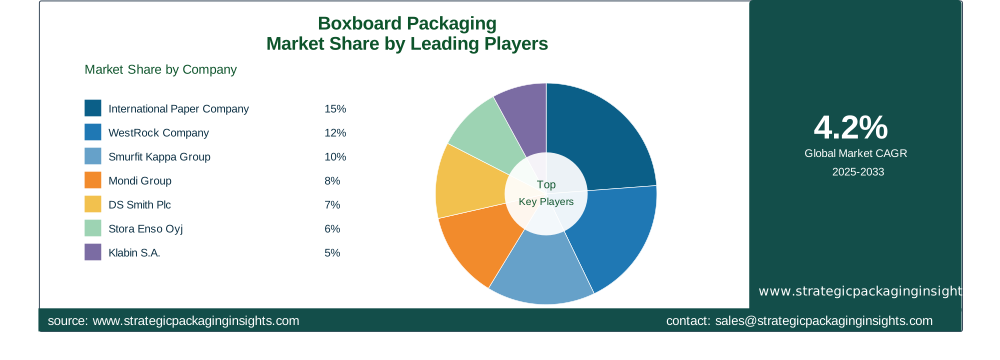
Among the major players in the boxboard packaging market, International Paper Company holds a significant market share. The company is known for its extensive product range and commitment to sustainability. It has invested heavily in research and development to innovate and develop eco-friendly packaging solutions. Another key player is WestRock Company, which has a strong presence in the market due to its focus on customer-centric solutions and advanced manufacturing technologies. The company has a diverse product portfolio that caters to various industries, including food and beverage, healthcare, and personal care.
Smurfit Kappa Group is another prominent player in the boxboard packaging market. The company is recognized for its sustainable packaging solutions and has a strong focus on innovation. It has a wide range of products that are designed to meet the specific needs of different industries. Additionally, Mondi Group is a key player that has made significant strides in the market through its commitment to sustainability and innovation. The company has a global presence and offers a comprehensive range of boxboard packaging solutions.
Other notable companies in the market include DS Smith Plc, which is known for its innovative packaging solutions and focus on sustainability. The company has a strong presence in Europe and is expanding its operations in other regions. Similarly, Stora Enso Oyj is a key player that is recognized for its sustainable packaging solutions and advanced manufacturing capabilities. The company has a diverse product portfolio and is focused on expanding its market presence through strategic partnerships and collaborations.
Key Highlights
- The boxboard packaging market is projected to grow at a CAGR of 4.2% from 2025 to 2033.
- Increasing demand for sustainable and recyclable packaging solutions is driving market growth.
- The rise of the e-commerce industry is a significant driver for the boxboard packaging market.
- Technological advancements, such as digital printing and smart packaging, are enhancing consumer engagement.
- Stringent environmental regulations are pushing manufacturers to adopt eco-friendly practices.
- Major players in the market include International Paper Company, WestRock Company, and Smurfit Kappa Group.
- Product innovation and strategic partnerships are key strategies adopted by companies to strengthen their market position.
- The food and beverage industry is a major end-user of boxboard packaging.
- Competition from alternative packaging materials, such as plastic, poses a challenge to the market.
- Fluctuating raw material prices can impact the profitability of boxboard manufacturers.
Top Countries Insights
In the boxboard packaging market, the United States holds a significant position with a market size of $12 billion and a CAGR of 3%. The country's growth is driven by the strong presence of key players and the increasing demand for sustainable packaging solutions. The regulatory environment in the U.S. also supports the adoption of eco-friendly packaging materials, further boosting market growth.
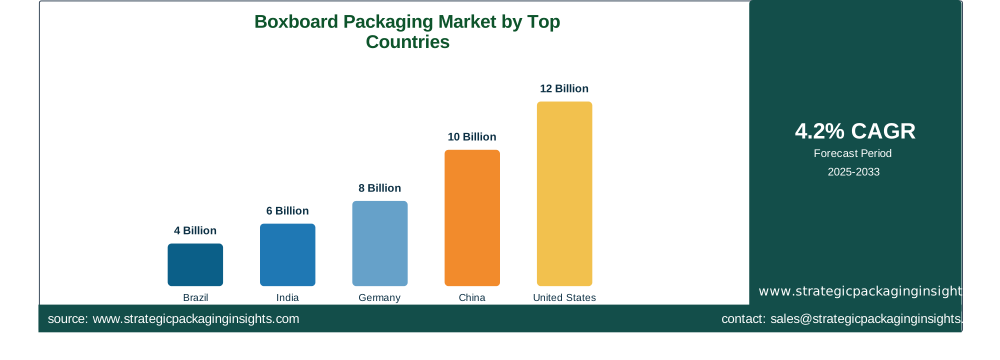
China is another major player in the boxboard packaging market, with a market size of $10 billion and a CAGR of 5%. The country's growth is fueled by the rapid expansion of the e-commerce sector and the increasing demand for packaging solutions that can protect products during transit. Additionally, government initiatives promoting sustainable practices are driving the adoption of boxboard packaging in China.
Germany, with a market size of $8 billion and a CAGR of 4%, is a key market for boxboard packaging in Europe. The country's strong manufacturing base and focus on sustainability are major growth drivers. The demand for eco-friendly packaging solutions is high, and companies are investing in innovative technologies to meet consumer preferences.
India is emerging as a significant market for boxboard packaging, with a market size of $6 billion and a CAGR of 6%. The country's growth is driven by the increasing demand for packaged food products and the expansion of the retail sector. Additionally, government policies promoting sustainable packaging solutions are supporting market growth.
Brazil, with a market size of $4 billion and a CAGR of 4%, is a key market in Latin America. The country's growth is driven by the increasing demand for packaging solutions in the food and beverage industry. The focus on sustainability and the adoption of eco-friendly practices are also contributing to market growth in Brazil.
Boxboard Packaging Market Segments Insights

Material Type Analysis
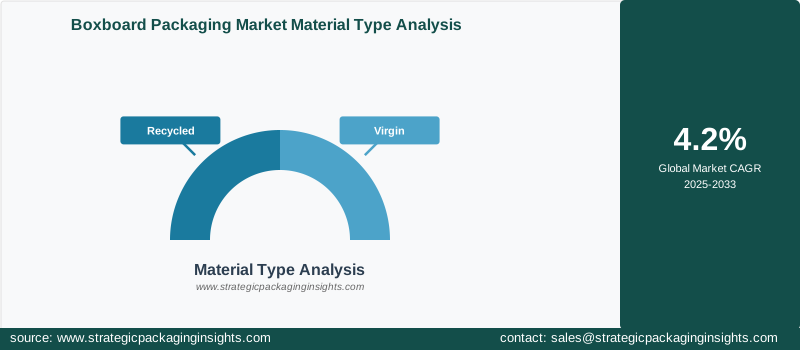
The boxboard packaging market is segmented by material type into recycled and virgin materials. Recycled boxboard is gaining popularity due to its environmental benefits and cost-effectiveness. As consumers and companies become more environmentally conscious, the demand for recycled boxboard is expected to rise. This segment is driven by the increasing focus on sustainability and the need to reduce carbon footprints. Additionally, recycled boxboard is often more affordable than virgin materials, making it an attractive option for cost-sensitive industries. The virgin boxboard segment, on the other hand, is driven by its superior quality and strength. It is preferred in applications where durability and aesthetics are crucial, such as in luxury packaging and high-end consumer goods. The demand for virgin boxboard is expected to remain steady, driven by its premium appeal and performance characteristics.
Application Analysis
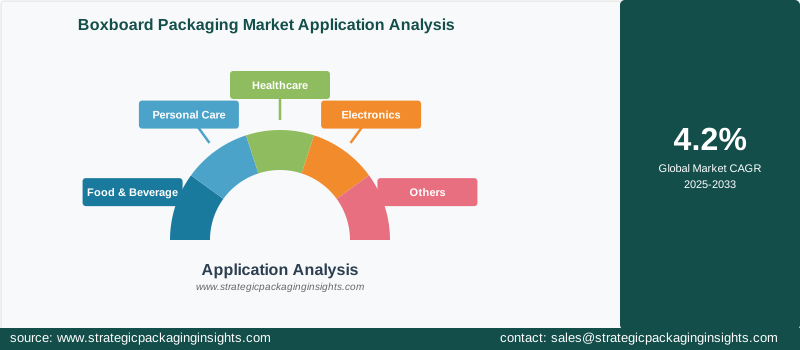
The application segment of the boxboard packaging market includes food and beverage, personal care, healthcare, electronics, and others. The food and beverage industry is the largest application segment, driven by the increasing demand for packaged food products and beverages. Boxboard packaging is widely used in this industry due to its ability to preserve the freshness and quality of food products. The personal care and healthcare industries are also significant contributors to the market, as they require packaging solutions that are both functional and aesthetically appealing. The electronics industry is another key application segment, driven by the need for protective packaging solutions that can safeguard delicate electronic components during transit. The demand for boxboard packaging in these application segments is expected to grow steadily, driven by the increasing consumer demand for packaged products.
End-User Analysis
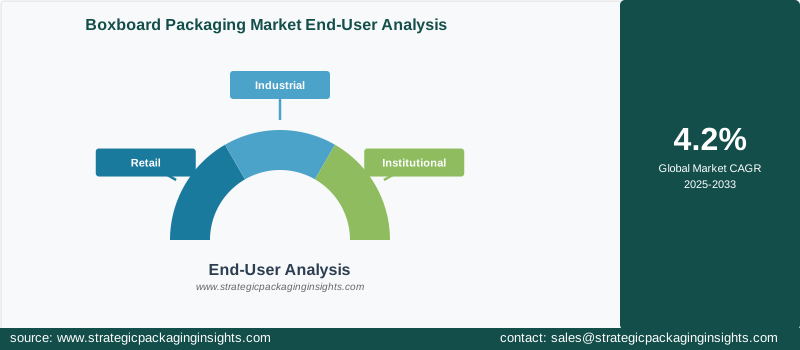
The boxboard packaging market is segmented by end-user into retail, industrial, and institutional sectors. The retail sector is the largest end-user segment, driven by the increasing demand for packaging solutions that can enhance product visibility and appeal on store shelves. Boxboard packaging is widely used in the retail sector due to its versatility and ability to accommodate various product types. The industrial sector is another significant end-user segment, driven by the need for durable and cost-effective packaging solutions for industrial products. The institutional sector, which includes educational and healthcare institutions, is also a key end-user segment, driven by the demand for packaging solutions that can meet specific institutional requirements. The demand for boxboard packaging in these end-user segments is expected to grow steadily, driven by the increasing need for packaging solutions that can meet diverse consumer and institutional needs.
Region Analysis
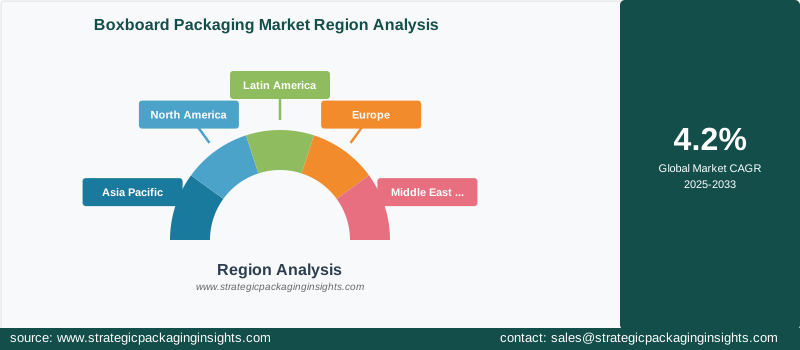
The boxboard packaging market is segmented by region into Asia Pacific, North America, Latin America, Europe, and Middle East & Africa. Asia Pacific is the largest regional market, driven by the rapid industrialization and urbanization in countries such as China and India. The region's growth is also fueled by the increasing demand for packaging solutions in the food and beverage and e-commerce sectors. North America is another significant regional market, driven by the strong presence of key players and the increasing demand for sustainable packaging solutions. The region's growth is also supported by the regulatory environment that promotes the adoption of eco-friendly packaging materials. Europe is a key regional market, driven by the strong manufacturing base and focus on sustainability. The region's growth is also supported by the increasing demand for packaging solutions in the food and beverage and personal care industries. Latin America and Middle East & Africa are emerging regional markets, driven by the increasing demand for packaging solutions in the food and beverage and retail sectors.
Boxboard Packaging Market Segments
The Boxboard Packaging market has been segmented on the basis ofMaterial Type
- Recycled
- Virgin
Application
- Food & Beverage
- Personal Care
- Healthcare
- Electronics
- Others
End-User
- Retail
- Industrial
- Institutional
Region
- Asia Pacific
- North America
- Latin America
- Europe
- Middle East & Africa




