


Bio-based Laminate Packaging Materials Market Outlook
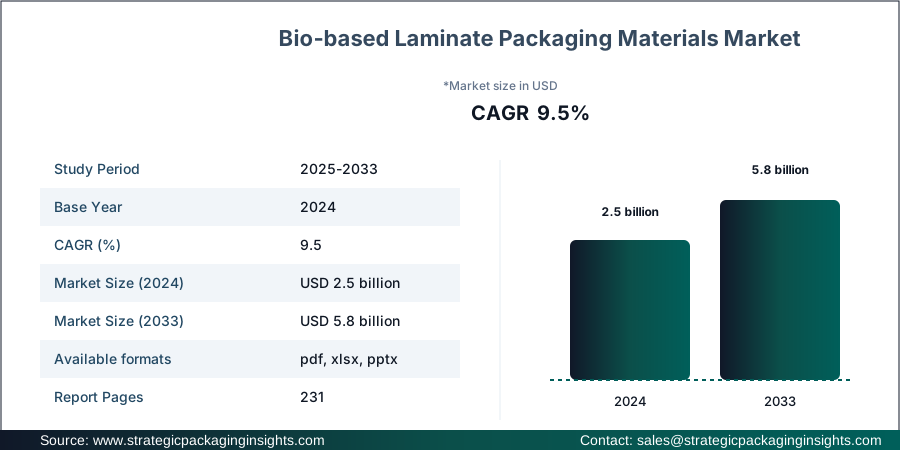
The Bio-based Laminate Packaging Materials market was valued at $2.5 billion in 2024 and is projected to reach $5.8 billion by 2033, growing at a CAGR of 9.5% during the forecast period 2025-2033. This market is witnessing significant growth due to the increasing demand for sustainable packaging solutions driven by environmental concerns and regulatory pressures. The shift towards eco-friendly materials is further fueled by consumer awareness and preference for green products. Bio-based laminate packaging materials, which are derived from renewable resources, offer a viable alternative to traditional petroleum-based packaging, thus attracting investments and innovations in this sector. The market is also benefiting from advancements in material science, which are enhancing the performance and cost-effectiveness of bio-based laminates, making them more competitive against conventional options.
Report Scope
| Attributes | Details |
| Report Title | Bio-based Laminate Packaging Materials Market Size, Future Growth and Forecast 2033 |
| Material Type | PLA, Starch Blends, Bio-PET, Bio-PE |
| Application | Food & Beverage, Healthcare, Personal Care, Industrial |
| End-User | Retail, E-commerce, Manufacturing |
| Region | Asia Pacific, North America, Latin America, Europe, Middle East & Africa |
| Base Year | 2024 |
| Historic Period | 2017-2023 |
| Forecast Period | 2025-2033 |
| Number of Pages | 231 |
| Customization Available | Yes* |
Opportunities & Threats
One of the most promising opportunities in the bio-based laminate packaging materials market is the growing consumer demand for sustainable and eco-friendly packaging solutions. As consumers become more environmentally conscious, there is a significant shift towards products that minimize environmental impact. This trend is particularly strong in the food and beverage industry, where packaging plays a crucial role in product preservation and presentation. Companies that can offer innovative bio-based laminate solutions that meet these consumer demands are likely to gain a competitive edge. Additionally, the increasing regulatory support for sustainable packaging, including incentives and subsidies for bio-based materials, presents a lucrative opportunity for market players to expand their offerings and capture a larger market share.
Another opportunity lies in the technological advancements in bio-based materials, which are enhancing the properties and applications of laminate packaging. Innovations in material science are leading to the development of bio-based laminates with improved barrier properties, durability, and flexibility, making them suitable for a wider range of applications. This opens up new avenues for market expansion, particularly in sectors such as healthcare and personal care, where packaging requirements are stringent. Companies that invest in research and development to create high-performance bio-based laminates can capitalize on these opportunities and drive market growth.
However, the market faces certain restrainers that could hinder its growth. One of the primary challenges is the higher cost of bio-based materials compared to traditional petroleum-based options. While the cost of bio-based laminates is gradually decreasing due to technological advancements and economies of scale, it remains a significant barrier for widespread adoption, especially among price-sensitive consumers and small businesses. Additionally, the limited availability of raw materials for bio-based production can pose supply chain challenges, affecting the scalability of bio-based laminate solutions. Companies need to address these issues through strategic partnerships and investments in sustainable sourcing to ensure a steady supply of raw materials.
Drivers & Challenges
The primary driver of the bio-based laminate packaging materials market is the increasing environmental awareness and the push for sustainable packaging solutions. Governments and regulatory bodies worldwide are implementing stringent regulations to reduce plastic waste and promote the use of renewable materials. This regulatory landscape is encouraging companies to adopt bio-based laminates as a sustainable alternative to conventional packaging. Furthermore, the growing consumer preference for eco-friendly products is driving demand for bio-based packaging, as consumers are willing to pay a premium for products that align with their environmental values. This shift in consumer behavior is prompting companies to innovate and expand their bio-based laminate offerings to meet market demands.
Another significant driver is the advancements in material science and technology, which are enhancing the performance and cost-effectiveness of bio-based laminates. Innovations in bio-based polymers and composites are leading to the development of laminates with superior barrier properties, strength, and flexibility, making them suitable for a wide range of applications. These technological advancements are reducing the cost differential between bio-based and traditional laminates, making bio-based options more competitive in the market. Companies that leverage these advancements to offer high-quality, cost-effective bio-based laminates are likely to gain a competitive advantage and drive market growth.
Despite these drivers, the market faces several challenges that could impede its growth. One of the main challenges is the high cost of bio-based materials, which can limit their adoption, particularly among small and medium-sized enterprises. Additionally, the limited availability of raw materials for bio-based production can pose supply chain challenges, affecting the scalability of bio-based laminate solutions. Companies need to address these challenges through strategic partnerships and investments in sustainable sourcing to ensure a steady supply of raw materials. Furthermore, the lack of consumer awareness and understanding of bio-based materials can hinder market growth, as consumers may be hesitant to switch from traditional packaging options.
Bio-based Laminate Packaging Materials Strategic Outlook
| Trend | Market Driver | Technological/Material Shift | Business Impact |
|---|---|---|---|
| Sustainability | Environmental Regulations | Bio-based Polymers | Increased Market Share |
| Smart Tech | Consumer Demand | Advanced Barrier Properties | Product Differentiation |
| Consumer Behavior | Eco-friendly Preferences | Cost-effective Solutions | Brand Loyalty |
| Logistics | Supply Chain Efficiency | Material Sourcing | Operational Cost Reduction |
In 2026, the bio-based laminate packaging materials market is poised for significant growth, driven by the increasing demand for sustainable packaging solutions and regulatory support for eco-friendly materials. The primary disruptor in this niche is the stringent environmental regulations that are pushing companies to adopt bio-based alternatives to reduce their carbon footprint. As a strategic foresight, brands should pivot towards investing in research and development to enhance the performance and cost-effectiveness of bio-based laminates. By doing so, they can maintain their market share and capitalize on the growing consumer demand for sustainable packaging solutions. Companies that prioritize sustainability and innovation in their product offerings are likely to gain a competitive edge and drive market growth in the coming years.
Market Share Analysis
The competitive landscape of the bio-based laminate packaging materials market is characterized by the presence of several key players who are actively investing in research and development to enhance their product offerings. These companies are focusing on innovation and sustainability to meet the growing demand for eco-friendly packaging solutions. The market is highly competitive, with players vying for market share through strategic partnerships, mergers, and acquisitions. The increasing consumer preference for sustainable packaging is driving companies to expand their bio-based laminate portfolios and invest in advanced manufacturing technologies to improve product quality and reduce costs.
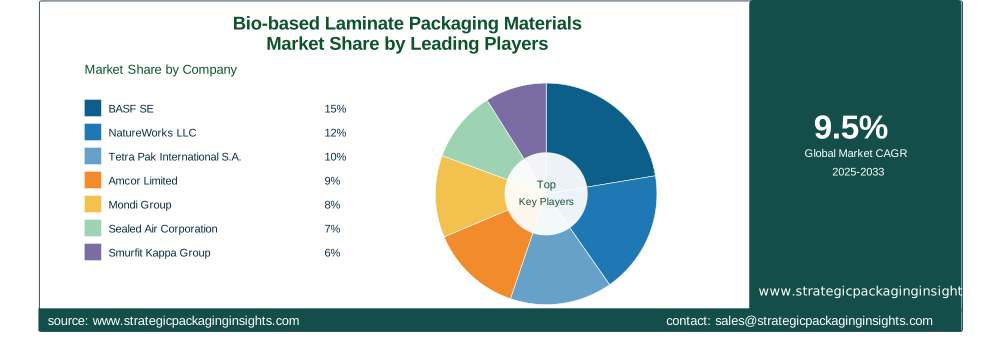
Among the major companies in this market, BASF SE holds a significant market share due to its extensive product portfolio and strong focus on sustainability. The company is actively involved in the development of bio-based polymers and composites, which are key components of bio-based laminates. BASF's commitment to innovation and sustainability has enabled it to maintain a competitive edge in the market. Similarly, NatureWorks LLC is a leading player in the bio-based laminate packaging materials market, known for its Ingeo™ biopolymer, which is widely used in the production of bio-based laminates. The company's focus on research and development and its strategic partnerships with key industry players have contributed to its strong market position.
Another prominent player in the market is Tetra Pak International S.A., which is renowned for its sustainable packaging solutions. The company has been at the forefront of innovation in bio-based laminates, offering a range of products that cater to the food and beverage industry. Tetra Pak's commitment to sustainability and its extensive distribution network have enabled it to capture a significant share of the market. Additionally, Amcor Limited is a key player in the bio-based laminate packaging materials market, known for its innovative packaging solutions and strong focus on sustainability. The company's strategic acquisitions and investments in advanced manufacturing technologies have strengthened its market position.
Other notable companies in the market include Mondi Group, Sealed Air Corporation, and Smurfit Kappa Group, all of which are actively investing in research and development to enhance their bio-based laminate offerings. These companies are focusing on expanding their product portfolios and improving the performance and cost-effectiveness of their bio-based laminates to meet the growing demand for sustainable packaging solutions. The competitive landscape of the bio-based laminate packaging materials market is expected to remain dynamic, with companies continuing to invest in innovation and sustainability to maintain their market positions.
Key Highlights
- The bio-based laminate packaging materials market is projected to grow at a CAGR of 9.5% from 2025 to 2033.
- Increasing consumer demand for sustainable packaging solutions is driving market growth.
- Technological advancements in bio-based materials are enhancing product performance and cost-effectiveness.
- Regulatory support for eco-friendly packaging is creating lucrative opportunities for market players.
- The food and beverage industry is a major end-user of bio-based laminate packaging materials.
- High production costs and limited raw material availability are key challenges for the market.
- Strategic partnerships and investments in R&D are crucial for market players to maintain a competitive edge.
- Asia Pacific is expected to witness significant growth due to increasing demand for sustainable packaging solutions.
- Companies are focusing on expanding their bio-based laminate portfolios to capture a larger market share.
- Consumer awareness and preference for eco-friendly products are driving demand for bio-based laminates.
Top Countries Insights
In the bio-based laminate packaging materials market, the United States is a leading player, with a market size of $1.2 billion and a CAGR of 8%. The country's growth is driven by strong consumer demand for sustainable packaging solutions and supportive regulatory frameworks that encourage the use of bio-based materials. The presence of major market players and ongoing innovations in material science further bolster the market's growth prospects.
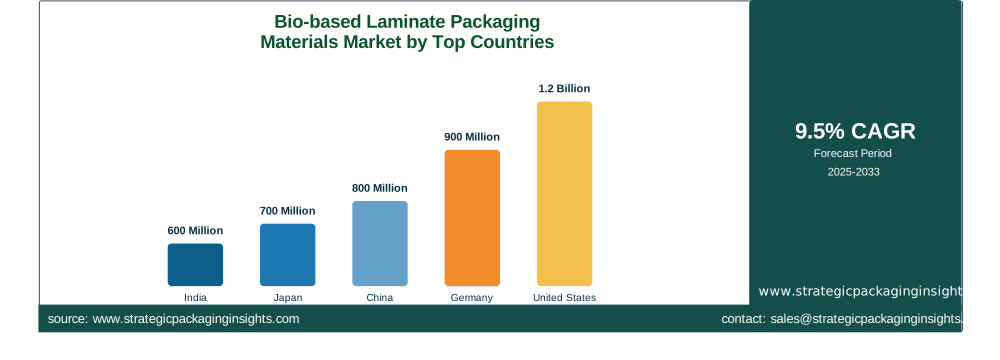
Germany is another key market, with a market size of $900 million and a CAGR of 7%. The country's focus on sustainability and environmental protection is driving the adoption of bio-based laminate packaging materials. Government initiatives and incentives for eco-friendly packaging solutions are further supporting market growth. Additionally, Germany's strong manufacturing base and technological advancements in bio-based materials contribute to its market leadership.
China is experiencing rapid growth in the bio-based laminate packaging materials market, with a market size of $800 million and a CAGR of 12%. The country's large consumer base and increasing awareness of environmental issues are driving demand for sustainable packaging solutions. Government policies promoting the use of renewable materials and investments in research and development are further propelling market growth.
Japan, with a market size of $700 million and a CAGR of 6%, is also a significant player in the bio-based laminate packaging materials market. The country's focus on innovation and technology is driving the development of advanced bio-based laminates with superior performance characteristics. Japan's strong regulatory framework and consumer preference for eco-friendly products are supporting market expansion.
India is emerging as a key market for bio-based laminate packaging materials, with a market size of $600 million and a CAGR of 10%. The country's growing population and increasing consumer awareness of environmental issues are driving demand for sustainable packaging solutions. Government initiatives to promote the use of bio-based materials and investments in infrastructure development are further supporting market growth.
Bio-based Laminate Packaging Materials Market Segments Insights

Material Type Analysis
The material type segment of the bio-based laminate packaging materials market is dominated by PLA (Polylactic Acid), which is widely used due to its biodegradability and versatility. PLA is derived from renewable resources such as corn starch and sugarcane, making it an attractive option for eco-conscious consumers. The demand for PLA-based laminates is driven by their excellent barrier properties and suitability for a wide range of applications, including food and beverage packaging. Additionally, advancements in PLA production technologies are enhancing its performance and cost-effectiveness, further boosting its adoption in the market.
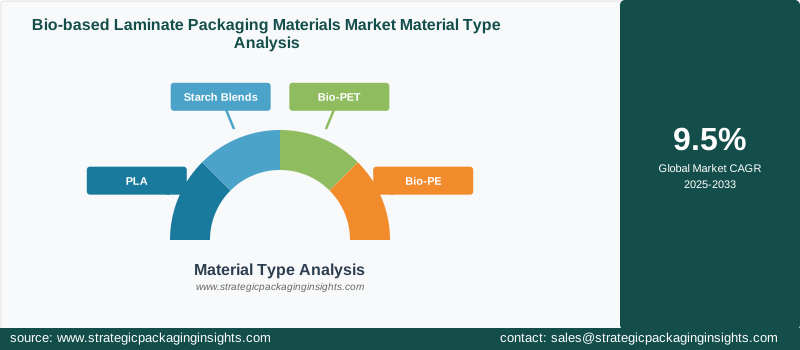
Starch blends are another significant material type in the bio-based laminate packaging materials market. These blends are composed of natural starches combined with other biodegradable polymers to improve their mechanical properties and performance. Starch blends are gaining popularity due to their cost-effectiveness and biodegradability, making them a preferred choice for sustainable packaging solutions. The increasing demand for eco-friendly packaging in the food and beverage industry is driving the growth of starch blends in the market. Companies are investing in research and development to enhance the performance of starch blends and expand their applications in various industries.
Application Analysis
The application segment of the bio-based laminate packaging materials market is led by the food and beverage industry, which accounts for a significant share of the market. The demand for bio-based laminates in this industry is driven by the need for sustainable packaging solutions that offer excellent barrier properties and product protection. Bio-based laminates are used in a variety of food and beverage packaging applications, including pouches, trays, and wraps. The increasing consumer preference for eco-friendly packaging and the growing regulatory support for sustainable materials are driving the adoption of bio-based laminates in the food and beverage industry.
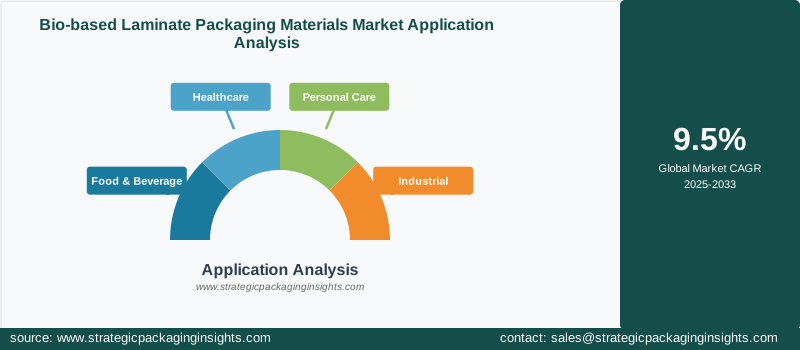
The healthcare industry is another key application segment for bio-based laminate packaging materials. The demand for bio-based laminates in this industry is driven by the need for sustainable and safe packaging solutions that meet stringent regulatory requirements. Bio-based laminates offer excellent barrier properties and are suitable for a wide range of healthcare packaging applications, including blister packs and medical device packaging. The increasing focus on sustainability and the growing demand for eco-friendly packaging solutions in the healthcare industry are driving the growth of bio-based laminates in this segment.
End-User Analysis
The end-user segment of the bio-based laminate packaging materials market is dominated by the retail industry, which accounts for a significant share of the market. The demand for bio-based laminates in the retail industry is driven by the increasing consumer preference for sustainable packaging solutions and the growing regulatory support for eco-friendly materials. Retailers are increasingly adopting bio-based laminates to enhance their brand image and meet consumer demands for sustainable products. The growing focus on sustainability and the increasing availability of bio-based laminates are driving the growth of this segment.
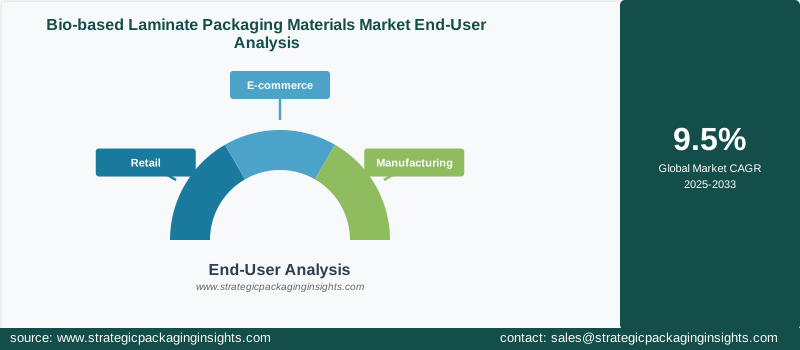
The e-commerce industry is another key end-user segment for bio-based laminate packaging materials. The demand for bio-based laminates in this industry is driven by the need for sustainable and durable packaging solutions that can withstand the rigors of shipping and handling. Bio-based laminates offer excellent barrier properties and are suitable for a wide range of e-commerce packaging applications, including mailers and boxes. The increasing focus on sustainability and the growing demand for eco-friendly packaging solutions in the e-commerce industry are driving the growth of bio-based laminates in this segment.
Region Analysis
The Asia Pacific region is expected to witness significant growth in the bio-based laminate packaging materials market, driven by the increasing demand for sustainable packaging solutions and the growing consumer awareness of environmental issues. The region's large consumer base and supportive regulatory frameworks are further propelling market growth. North America is another key region for the bio-based laminate packaging materials market, with strong demand for eco-friendly packaging solutions and a focus on sustainability. The presence of major market players and ongoing innovations in material science are supporting market growth in this region.
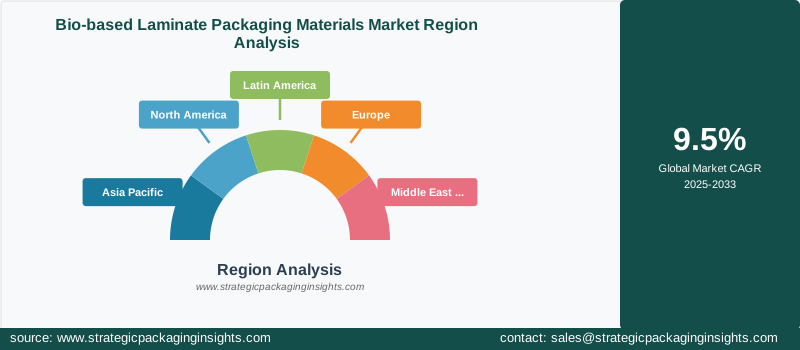
Europe is also a significant market for bio-based laminate packaging materials, driven by the region's strong focus on sustainability and environmental protection. Government initiatives and incentives for eco-friendly packaging solutions are supporting market growth in Europe. The Middle East & Africa and Latin America are emerging markets for bio-based laminate packaging materials, with increasing demand for sustainable packaging solutions and supportive regulatory frameworks driving market growth in these regions.
Bio-based Laminate Packaging Materials Market Segments
The Bio-based Laminate Packaging Materials market has been segmented on the basis ofMaterial Type
- PLA
- Starch Blends
- Bio-PET
- Bio-PE
Application
- Food & Beverage
- Healthcare
- Personal Care
- Industrial
End-User
- Retail
- E-commerce
- Manufacturing
Region
- Asia Pacific
- North America
- Latin America
- Europe
- Middle East & Africa




