


GHS Label Market Outlook
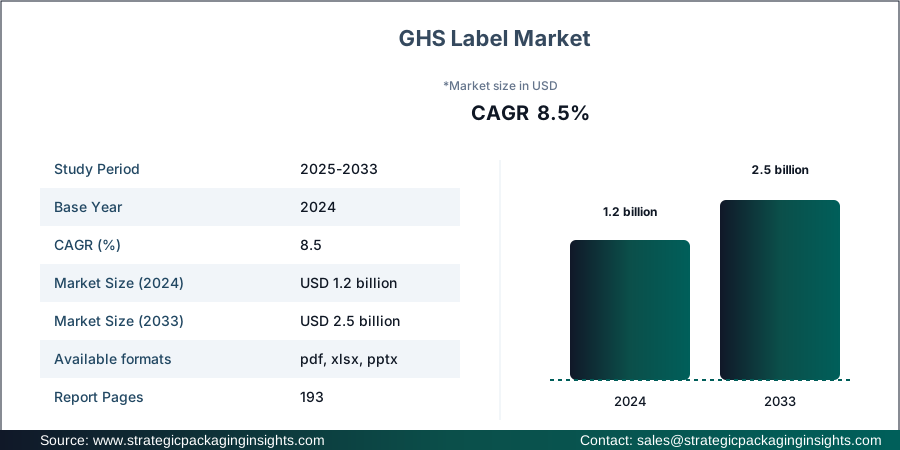
The GHS Label market was valued at $1.2 billion in 2024 and is projected to reach $2.5 billion by 2033, growing at a CAGR of 8.5% during the forecast period 2025-2033. This growth is driven by increasing regulatory requirements for chemical labeling and the rising awareness of safety standards across various industries. The demand for GHS labels is particularly strong in sectors such as chemicals, pharmaceuticals, and food & beverages, where accurate labeling is crucial for compliance and safety. The market is also benefiting from advancements in printing technologies and materials, which enhance the durability and clarity of labels, making them more effective in conveying critical information.
Report Scope
| Attributes | Details |
| Report Title | GHS Label Market Size, Future Growth and Forecast 2033 |
| Product Type | Self-Adhesive Labels, In-Mold Labels, Shrink Sleeve Labels, Others |
| Material | Paper, Plastic, Others |
| End-User | Chemical, Pharmaceutical, Food & Beverage, Others |
| Region | Asia Pacific, North America, Latin America, Europe, Middle East & Africa |
| Base Year | 2024 |
| Historic Period | 2017-2023 |
| Forecast Period | 2025-2033 |
| Number of Pages | 193 |
| Customization Available | Yes* |
Opportunities & Threats
One of the significant opportunities in the GHS Label market is the increasing globalization of trade, which necessitates standardized labeling across borders. As companies expand their operations internationally, the need for consistent and compliant labeling becomes paramount. This trend is particularly evident in the chemical and pharmaceutical industries, where cross-border trade is prevalent. Additionally, the growing emphasis on workplace safety and environmental protection is driving demand for GHS labels, as they provide essential information about the handling and disposal of hazardous substances. Companies that can offer innovative labeling solutions that enhance safety and compliance are well-positioned to capitalize on this opportunity.
Another opportunity lies in the technological advancements in label printing and materials. The development of eco-friendly and sustainable labeling solutions is gaining traction as companies seek to reduce their environmental footprint. Innovations such as biodegradable labels and water-based inks are becoming increasingly popular, offering a competitive edge to companies that prioritize sustainability. Furthermore, the integration of smart technologies, such as QR codes and RFID tags, into GHS labels is opening new avenues for enhancing traceability and information accessibility, providing additional value to end-users.
However, the GHS Label market faces certain restrainers, including the high cost of compliance and the complexity of regulatory requirements. Companies must invest significantly in ensuring their labels meet the stringent standards set by various regulatory bodies, which can be a financial burden, especially for small and medium-sized enterprises. Additionally, the constant updates and changes in regulations require companies to stay vigilant and adapt quickly, which can be challenging and resource-intensive. These factors can hinder market growth, particularly for companies with limited resources.
Drivers & Challenges
The primary driver of the GHS Label market is the increasing regulatory pressure to ensure safety and compliance in the handling of hazardous materials. Governments worldwide are implementing stringent regulations to protect workers and the environment from the risks associated with hazardous substances. This has led to a surge in demand for GHS labels, which provide critical information about the properties and handling of these materials. The chemical and pharmaceutical industries, in particular, are major contributors to this demand, as they are heavily regulated and require precise labeling to comply with safety standards.
Another significant driver is the growing awareness of workplace safety and the importance of proper labeling in preventing accidents and injuries. Companies are increasingly recognizing the role of GHS labels in promoting a safe working environment and are investing in high-quality labeling solutions to ensure compliance and protect their workforce. This trend is further supported by the rising adoption of automation and digitalization in the labeling process, which enhances efficiency and accuracy, reducing the risk of errors and improving overall safety.
Despite these drivers, the GHS Label market faces challenges such as the high cost of compliance and the complexity of regulatory requirements. Companies must navigate a complex web of regulations that vary by region and industry, which can be time-consuming and costly. Additionally, the need for continuous updates and adaptations to meet changing standards can strain resources, particularly for smaller companies. The market also faces competition from alternative labeling solutions, which may offer lower costs or different functionalities, posing a challenge to traditional GHS labels.
Market Share Analysis
The GHS Label market is characterized by a competitive landscape with several key players vying for market share. The market is dominated by a mix of established companies and emerging players, each offering a range of products and solutions to meet the diverse needs of end-users. The competitive environment is driven by factors such as product innovation, technological advancements, and strategic partnerships, which enable companies to enhance their offerings and expand their market presence.
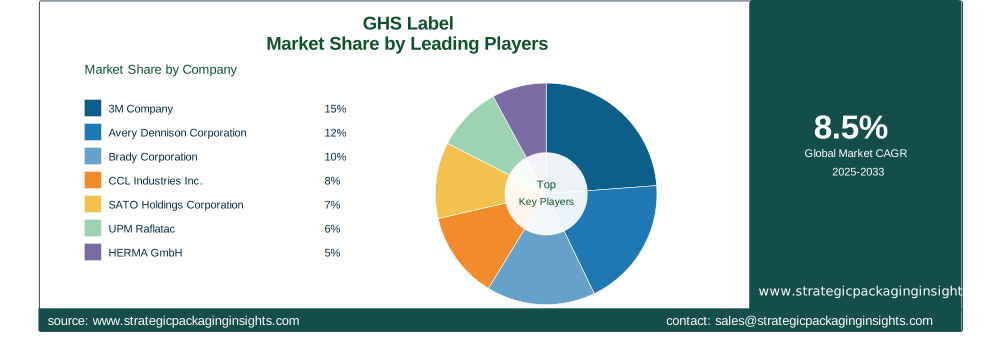
Among the major players in the GHS Label market, 3M Company holds a significant share due to its extensive product portfolio and strong global presence. The company is known for its innovative labeling solutions that cater to various industries, including chemicals, pharmaceuticals, and food & beverages. Avery Dennison Corporation is another key player, offering a wide range of labeling products and solutions that emphasize sustainability and compliance. The company's focus on eco-friendly materials and advanced printing technologies has positioned it as a leader in the market.
Brady Corporation is also a prominent player in the GHS Label market, known for its high-quality labeling solutions that prioritize safety and compliance. The company's strong emphasis on research and development has enabled it to introduce innovative products that meet the evolving needs of its customers. CCL Industries Inc. is another major player, offering a diverse range of labeling solutions that cater to various industries. The company's strategic acquisitions and partnerships have strengthened its market position and expanded its product offerings.
Other notable companies in the GHS Label market include SATO Holdings Corporation, which is recognized for its advanced labeling technologies and solutions that enhance traceability and compliance. The company's focus on innovation and customer-centric solutions has earned it a strong reputation in the market. Similarly, UPM Raflatac is known for its sustainable labeling solutions that prioritize environmental responsibility and compliance. The company's commitment to sustainability and innovation has positioned it as a key player in the market.
Key Highlights
- The GHS Label market is projected to grow at a CAGR of 8.5% from 2025 to 2033.
- Increasing regulatory requirements and safety standards are driving demand for GHS labels.
- Technological advancements in label printing and materials are enhancing product offerings.
- The market is witnessing a shift towards eco-friendly and sustainable labeling solutions.
- Integration of smart technologies, such as QR codes and RFID tags, is gaining traction.
- High cost of compliance and regulatory complexity are key challenges for market players.
- Major players include 3M Company, Avery Dennison Corporation, and Brady Corporation.
Top Countries Insights
In the GHS Label market, the United States holds a significant share, with a market size of $300 million and a CAGR of 7%. The country's stringent regulatory framework and emphasis on workplace safety drive demand for GHS labels. The presence of major chemical and pharmaceutical companies further boosts market growth. In China, the market is valued at $250 million, with a CAGR of 10%. The country's rapid industrialization and increasing focus on safety standards are key growth drivers. Additionally, government initiatives to enhance workplace safety contribute to market expansion.
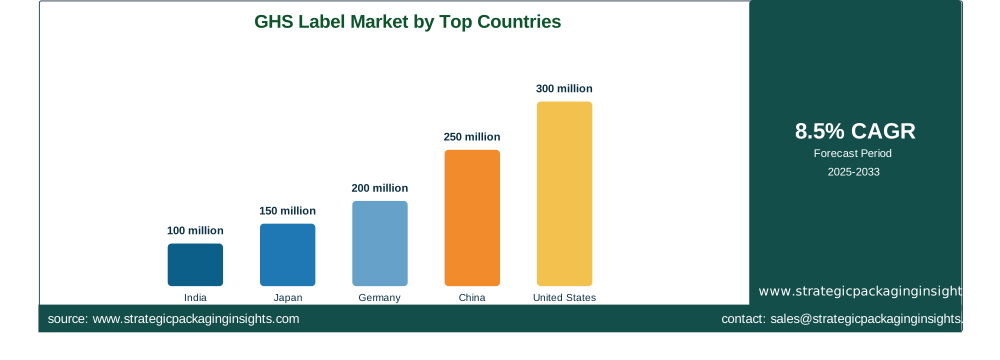
Germany is another prominent market, with a size of $200 million and a CAGR of 6%. The country's strong manufacturing sector and strict regulatory requirements for chemical labeling drive demand for GHS labels. The presence of leading chemical companies and a focus on innovation further support market growth. In Japan, the market is valued at $150 million, with a CAGR of 5%. The country's emphasis on safety and compliance, along with advancements in labeling technologies, drive market growth. The presence of major pharmaceutical companies also contributes to market expansion.
India is an emerging market, with a size of $100 million and a CAGR of 12%. The country's growing industrial sector and increasing awareness of safety standards are key growth drivers. Government initiatives to enhance workplace safety and compliance further boost market demand. The presence of a large number of small and medium-sized enterprises also contributes to market growth, as these companies seek to comply with regulatory requirements and enhance safety standards.
GHS Label Market Segments Insights

Product Type Analysis
The GHS Label market is segmented by product type into self-adhesive labels, in-mold labels, shrink sleeve labels, and others. Self-adhesive labels dominate the market due to their versatility and ease of application. These labels are widely used across various industries, including chemicals, pharmaceuticals, and food & beverages, where they provide reliable and durable labeling solutions. The demand for self-adhesive labels is driven by their ability to adhere to a wide range of surfaces and withstand harsh environmental conditions, making them ideal for hazardous material labeling.
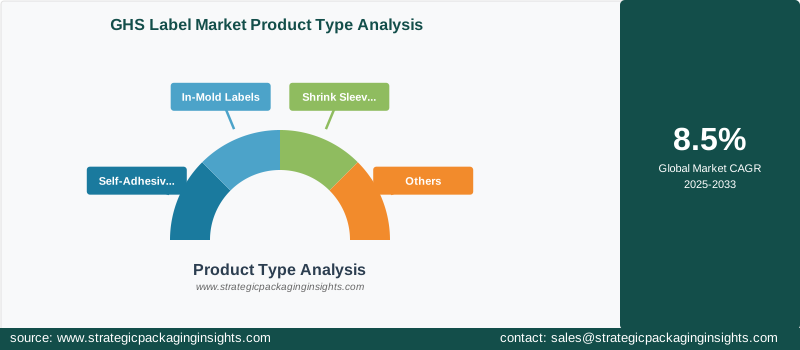
In-mold labels are gaining traction in the market due to their aesthetic appeal and durability. These labels are integrated into the product during the manufacturing process, providing a seamless and long-lasting labeling solution. The demand for in-mold labels is particularly strong in the food & beverage industry, where they offer enhanced branding opportunities and product differentiation. Shrink sleeve labels are also witnessing growth, driven by their ability to provide 360-degree coverage and accommodate complex container shapes. These labels are popular in the beverage industry, where they offer vibrant and eye-catching designs.
Material Analysis
The GHS Label market is segmented by material into paper, plastic, and others. Plastic labels dominate the market due to their durability and resistance to moisture and chemicals. These labels are widely used in the chemical and pharmaceutical industries, where they provide reliable and long-lasting labeling solutions. The demand for plastic labels is driven by their ability to withstand harsh environmental conditions and provide clear and legible information, making them ideal for hazardous material labeling.
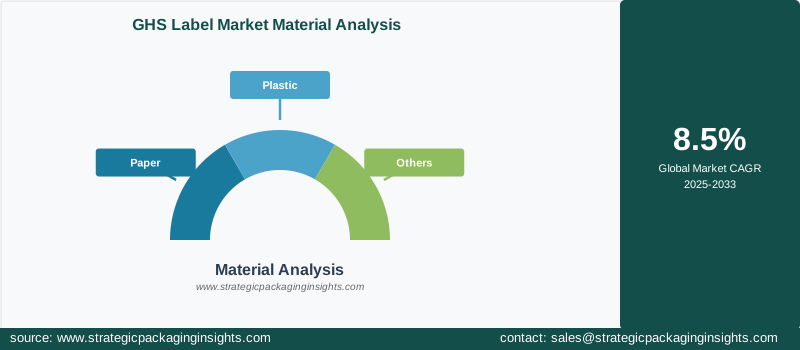
Paper labels are also widely used in the market, particularly in the food & beverage industry, where they offer a cost-effective and eco-friendly labeling solution. The demand for paper labels is driven by their biodegradability and recyclability, making them an attractive option for companies seeking to reduce their environmental footprint. The market is also witnessing a shift towards sustainable materials, with the development of biodegradable and compostable labels gaining traction. These labels offer a competitive edge to companies that prioritize sustainability and environmental responsibility.
End-User Analysis
The GHS Label market is segmented by end-user into chemical, pharmaceutical, food & beverage, and others. The chemical industry is the largest end-user of GHS labels, driven by stringent regulatory requirements and the need for accurate and compliant labeling. The demand for GHS labels in the chemical industry is further supported by the increasing globalization of trade, which necessitates standardized labeling across borders. The pharmaceutical industry is another major end-user, where GHS labels play a critical role in ensuring compliance and safety in the handling and transportation of hazardous materials.
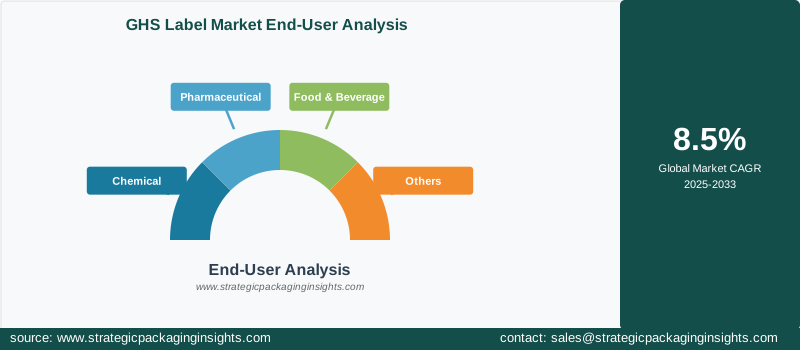
The food & beverage industry is also a significant end-user of GHS labels, driven by the need for accurate and compliant labeling to ensure food safety and quality. The demand for GHS labels in the food & beverage industry is further supported by the increasing emphasis on traceability and transparency in the supply chain. Other end-users of GHS labels include the automotive and electronics industries, where they provide essential information about the handling and disposal of hazardous materials.
Regional Analysis
The GHS Label market is segmented by region into Asia Pacific, North America, Latin America, Europe, and Middle East & Africa. Asia Pacific is the largest market for GHS labels, driven by rapid industrialization and increasing regulatory requirements in countries such as China and India. The demand for GHS labels in the region is further supported by the growing awareness of workplace safety and the need for compliance with international standards. North America is another significant market, driven by stringent regulatory requirements and the presence of major chemical and pharmaceutical companies.
Europe is also a prominent market for GHS labels, driven by strict regulatory requirements and the presence of leading chemical companies. The demand for GHS labels in the region is further supported by the increasing emphasis on sustainability and environmental responsibility. Latin America and Middle East & Africa are emerging markets for GHS labels, driven by increasing industrialization and the need for compliance with international standards. The demand for GHS labels in these regions is further supported by government initiatives to enhance workplace safety and compliance.
GHS Label Market Segments
The GHS Label market has been segmented on the basis ofProduct Type
- Self-Adhesive Labels
- In-Mold Labels
- Shrink Sleeve Labels
- Others
Material
- Paper
- Plastic
- Others
End-User
- Chemical
- Pharmaceutical
- Food & Beverage
- Others
Region
- Asia Pacific
- North America
- Latin America
- Europe
- Middle East & Africa




