


Glassine Paper Market Outlook
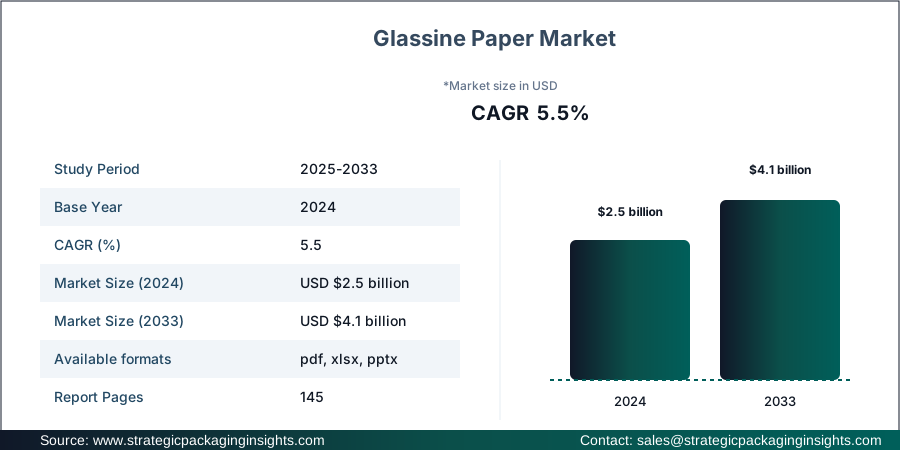
The glassine paper market was valued at $2.5 billion in 2024 and is projected to reach $4.1 billion by 2033, growing at a CAGR of 5.5% during the forecast period 2025-2033. This growth trajectory is driven by the increasing demand for eco-friendly and sustainable packaging solutions across various industries. Glassine paper, known for its smooth, glossy finish and resistance to grease and air, is gaining traction in food packaging, pharmaceutical, and personal care sectors. The market is also benefiting from the rising consumer awareness regarding environmental issues, prompting manufacturers to adopt biodegradable and recyclable materials. Furthermore, the expansion of e-commerce and the need for protective packaging solutions are contributing to the market's growth.
Report Scope
| Attributes | Details |
| Report Title | Glassine Paper Market Size, Future Growth and Forecast 2033 |
| Application | Food Packaging, Pharmaceutical Packaging |
| Material Type | Bleached, Unbleached |
| End-User | Retail, Industrial |
| Region | Asia Pacific, North America |
| Base Year | 2024 |
| Historic Period | 2017-2023 |
| Forecast Period | 2025-2033 |
| Number of Pages | 145 |
| Customization Available | Yes* |
Opportunities & Threats
One of the significant opportunities in the glassine paper market lies in the growing demand for sustainable packaging solutions. As consumers become more environmentally conscious, there is a rising preference for packaging materials that are biodegradable and recyclable. Glassine paper, being a renewable resource, fits well into this trend, offering manufacturers a chance to capitalize on the eco-friendly movement. Additionally, the increasing use of glassine paper in the food packaging industry, due to its grease-resistant properties, presents a lucrative opportunity for market players to expand their product offerings and cater to a broader customer base.
Another opportunity is the expanding application of glassine paper in the pharmaceutical and personal care industries. With the growing need for safe and hygienic packaging solutions, glassine paper is being increasingly used for wrapping and protecting sensitive products. This trend is further supported by the rising demand for premium packaging solutions that enhance product appeal and provide a superior unboxing experience. As a result, manufacturers are investing in research and development to innovate and improve the quality and functionality of glassine paper, thereby opening new avenues for growth.
However, the glassine paper market faces certain threats, primarily from the availability of alternative packaging materials. The competition from plastic and other synthetic materials, which offer similar properties at a lower cost, poses a challenge to the widespread adoption of glassine paper. Additionally, fluctuations in raw material prices and stringent environmental regulations can impact production costs and profitability. To mitigate these threats, companies need to focus on cost-effective production methods and explore partnerships to enhance their market presence.
Drivers & Challenges
The primary driver of the glassine paper market is the increasing demand for sustainable and eco-friendly packaging solutions. As consumers and businesses alike prioritize environmental sustainability, the demand for biodegradable and recyclable materials is on the rise. Glassine paper, with its renewable and compostable properties, is well-positioned to meet this demand. Furthermore, the growing e-commerce sector is driving the need for protective packaging solutions, where glassine paper's durability and resistance to moisture and grease make it an ideal choice.
Another significant driver is the expanding application of glassine paper in various industries, including food packaging, pharmaceuticals, and personal care. The material's unique properties, such as its smooth surface and resistance to air and moisture, make it suitable for wrapping and protecting a wide range of products. This versatility is encouraging manufacturers to explore new applications and innovate their product offerings, thereby driving market growth. Additionally, the increasing focus on premium packaging solutions that enhance product appeal is further boosting the demand for glassine paper.
Despite these drivers, the glassine paper market faces several challenges. One of the primary challenges is the competition from alternative packaging materials, such as plastics and other synthetic options, which offer similar properties at a lower cost. This competition can hinder the widespread adoption of glassine paper, especially in price-sensitive markets. Additionally, the market is subject to fluctuations in raw material prices, which can impact production costs and profitability. To overcome these challenges, companies need to focus on cost-effective production methods and invest in research and development to enhance the quality and functionality of glassine paper.
Glassine Paper Strategic Outlook
| Trend | Market Driver | Technological/Material Shift | Business Impact |
|---|---|---|---|
| Sustainability | Eco-friendly Packaging Demand | Biodegradable Materials | Increased Market Share |
| Smart Tech | Innovative Packaging Solutions | Advanced Coating Techniques | Enhanced Product Appeal |
| Consumer Behavior | Premium Packaging Demand | Customization and Design | Higher Profit Margins |
| Logistics | E-commerce Growth | Protective Packaging Solutions | Expanded Distribution Channels |
In 2026, the glassine paper market is poised for significant growth, driven by the increasing demand for sustainable packaging solutions. The primary regulatory disruptor in this niche is the implementation of Extended Producer Responsibility (EPR) compliance, which mandates manufacturers to take responsibility for the entire lifecycle of their products, including disposal. This regulation is pushing companies to adopt eco-friendly materials like glassine paper. To maintain market share by 2033, brands should pivot towards integrating AI-driven design processes and focus on mono-material transitions to enhance recyclability. By aligning with these trends, companies can not only comply with regulations but also cater to the growing consumer demand for sustainable packaging solutions.
Market Share Analysis
The glassine paper market is characterized by a competitive landscape with several key players vying for market share. The market is dominated by a mix of established companies and emerging players, each striving to innovate and expand their product offerings. The competitive dynamics are influenced by factors such as product quality, pricing strategies, and distribution networks. Companies are increasingly focusing on sustainability and eco-friendly practices to differentiate themselves in the market. The presence of numerous players also leads to price competition, which can impact profit margins.
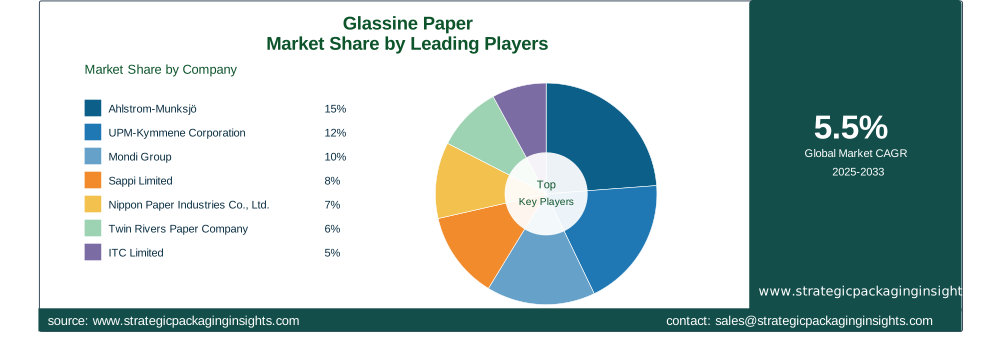
Among the major companies in the glassine paper market, Ahlstrom-Munksjö holds a significant share, known for its extensive product portfolio and commitment to sustainability. The company has a strong presence in the European market and is expanding its reach in Asia Pacific and North America. Another key player, UPM-Kymmene Corporation, is recognized for its innovative solutions and focus on renewable materials. The company's strategic partnerships and collaborations have strengthened its position in the market.
Other notable companies include Mondi Group, which is known for its comprehensive range of packaging solutions and emphasis on sustainable practices. The company has a robust distribution network and a strong presence in emerging markets. Sappi Limited is another major player, offering high-quality glassine paper products and focusing on research and development to enhance product performance. The company's global presence and strategic acquisitions have contributed to its market leadership.
Additionally, companies like Nippon Paper Industries Co., Ltd., and Twin Rivers Paper Company are making significant strides in the market. Nippon Paper Industries is leveraging its expertise in paper manufacturing to offer innovative glassine paper solutions, while Twin Rivers Paper Company is focusing on expanding its product portfolio and enhancing its production capabilities. These companies, along with others, are driving the growth and competitiveness of the glassine paper market.
Key Highlights
- Glassine paper market projected to reach $4.1 billion by 2033, growing at a CAGR of 5.5%.
- Increasing demand for eco-friendly and sustainable packaging solutions driving market growth.
- Expanding applications in food packaging, pharmaceuticals, and personal care sectors.
- Competition from alternative packaging materials poses a challenge to market growth.
- Focus on innovation and research and development to enhance product quality and functionality.
- Implementation of Extended Producer Responsibility (EPR) compliance impacting market dynamics.
- Key players include Ahlstrom-Munksjö, UPM-Kymmene Corporation, Mondi Group, and Sappi Limited.
Top Countries Insights
In the glassine paper market, the United States stands out with a market size of $650 million and a CAGR of 4%. The country's growth is driven by the increasing demand for sustainable packaging solutions and the expansion of the e-commerce sector. The implementation of stringent environmental regulations is also encouraging manufacturers to adopt eco-friendly materials like glassine paper.
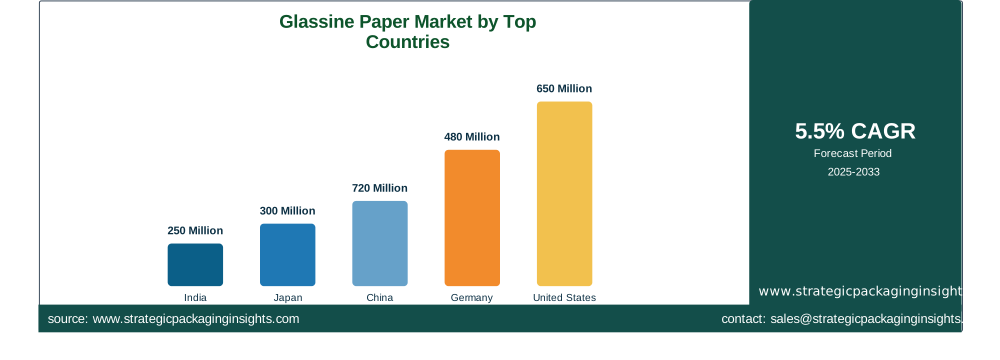
Germany, with a market size of $480 million and a CAGR of 5%, is another key player in the glassine paper market. The country's strong focus on sustainability and innovation in packaging solutions is driving market growth. The presence of major players and the emphasis on research and development are further contributing to the market's expansion.
China, with a market size of $720 million and a CAGR of 6%, is experiencing significant growth in the glassine paper market. The country's booming e-commerce sector and the increasing demand for protective packaging solutions are key growth drivers. Additionally, government initiatives promoting sustainable practices are encouraging the adoption of glassine paper.
In Japan, the glassine paper market is valued at $300 million, with a CAGR of 3%. The country's focus on premium packaging solutions and the growing demand for personal care products are driving market growth. The emphasis on quality and innovation is also contributing to the market's expansion.
India, with a market size of $250 million and a CAGR of 7%, is emerging as a significant player in the glassine paper market. The country's growing middle class and increasing consumer awareness regarding environmental issues are driving the demand for sustainable packaging solutions. The expansion of the food packaging industry is also contributing to market growth.
Glassine Paper Market Segments Insights

Application Analysis
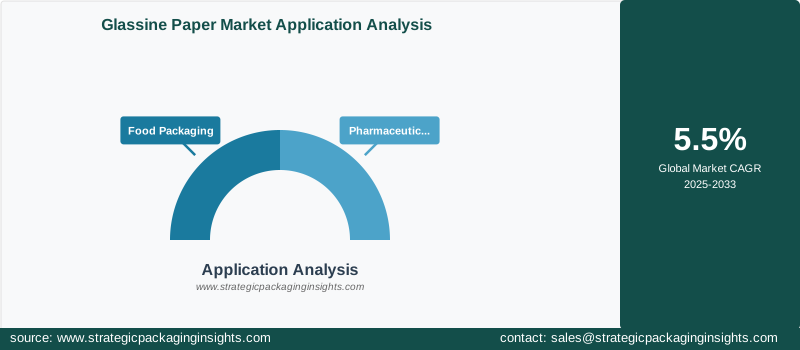
The application segment of the glassine paper market is diverse, with significant demand coming from the food packaging industry. Glassine paper's grease-resistant and moisture-proof properties make it an ideal choice for wrapping food items, ensuring freshness and hygiene. The increasing consumer preference for eco-friendly packaging solutions is further driving the demand in this segment. Additionally, the pharmaceutical industry is witnessing a growing use of glassine paper for packaging sensitive products, owing to its protective qualities. The personal care sector is also adopting glassine paper for premium packaging solutions, enhancing product appeal and consumer experience.
In the industrial use segment, glassine paper is gaining traction due to its durability and resistance to air and moisture. This makes it suitable for wrapping and protecting various industrial products during storage and transportation. The expanding e-commerce sector is also contributing to the growth of this segment, as businesses seek protective packaging solutions to ensure the safe delivery of products. The versatility of glassine paper is encouraging manufacturers to explore new applications and innovate their product offerings, thereby driving market growth.
Material Type Analysis
The material type segment of the glassine paper market is categorized into bleached and unbleached glassine paper. Bleached glassine paper is widely used in the food packaging industry due to its smooth, glossy finish and aesthetic appeal. The demand for bleached glassine paper is driven by the increasing consumer preference for premium packaging solutions that enhance product presentation. Additionally, the pharmaceutical and personal care industries are adopting bleached glassine paper for its superior quality and protective properties.
Unbleached glassine paper, on the other hand, is gaining popularity due to its eco-friendly nature and cost-effectiveness. The growing emphasis on sustainability and the rising demand for biodegradable packaging solutions are driving the adoption of unbleached glassine paper. This material type is particularly favored in the industrial use segment, where cost considerations and environmental impact are key factors. The increasing focus on sustainable practices is encouraging manufacturers to invest in the production of unbleached glassine paper, thereby contributing to market growth.
End-User Analysis
The end-user segment of the glassine paper market is diverse, with significant demand coming from the retail sector. Retailers are increasingly adopting glassine paper for packaging various products, from food items to personal care products, due to its eco-friendly and protective properties. The growing consumer awareness regarding environmental issues is driving the demand for sustainable packaging solutions in the retail sector. Additionally, the industrial sector is witnessing a rising use of glassine paper for wrapping and protecting products during storage and transportation.
The institutional segment is also contributing to the growth of the glassine paper market, as educational and healthcare institutions seek sustainable packaging solutions for various applications. The emphasis on hygiene and safety in these institutions is driving the demand for glassine paper, which offers protection against moisture and contaminants. The expanding e-commerce sector is further boosting the demand for glassine paper in the end-user segment, as businesses seek protective packaging solutions to ensure the safe delivery of products.
Regional Analysis
The regional analysis of the glassine paper market reveals significant growth opportunities across various regions. In North America, the market is driven by the increasing demand for sustainable packaging solutions and the expansion of the e-commerce sector. The implementation of stringent environmental regulations is encouraging manufacturers to adopt eco-friendly materials like glassine paper. In Europe, the market is characterized by a strong focus on sustainability and innovation in packaging solutions, with major players investing in research and development to enhance product performance.
In the Asia Pacific region, the glassine paper market is experiencing significant growth, driven by the booming e-commerce sector and the increasing demand for protective packaging solutions. The presence of major players and government initiatives promoting sustainable practices are further contributing to market growth. In Latin America and the Middle East & Africa, the market is witnessing steady growth, with increasing consumer awareness regarding environmental issues and the adoption of sustainable packaging solutions driving demand.
Glassine Paper Market Segments
The Glassine Paper market has been segmented on the basis ofApplication
- Food Packaging
- Pharmaceutical Packaging
Material Type
- Bleached
- Unbleached
End-User
- Retail
- Industrial
Region
- Asia Pacific
- North America




