


Thermoformed Tray Market Outlook
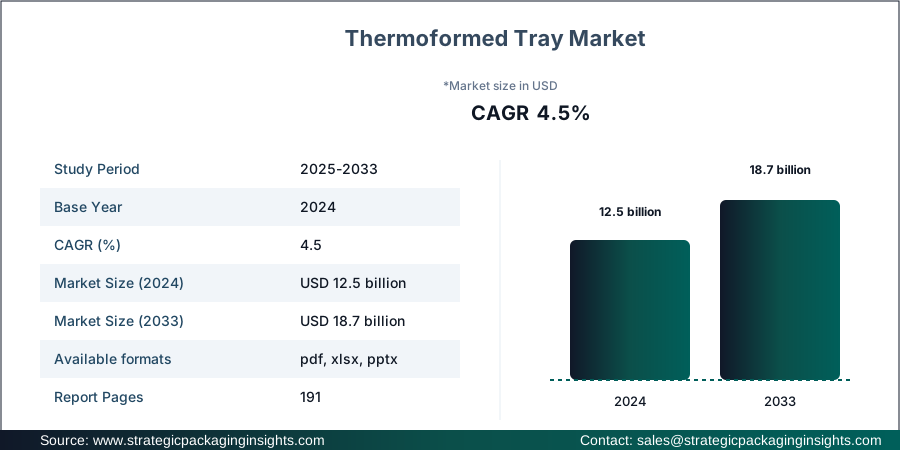
The thermoformed tray market was valued at $12.5 billion in 2024 and is projected to reach $18.7 billion by 2033, growing at a CAGR of 4.5% during the forecast period 2025-2033. This market is witnessing significant growth due to the increasing demand for lightweight and cost-effective packaging solutions across various industries. The food packaging sector, in particular, is driving the demand for thermoformed trays due to their ability to preserve freshness and extend the shelf life of products. Additionally, the rise in e-commerce and the need for secure packaging solutions are further propelling market growth. The versatility of thermoformed trays in terms of design and material options makes them a preferred choice for manufacturers looking to enhance product appeal and functionality.
Report Scope
| Attributes | Details |
| Report Title | Thermoformed Tray Market Size, Future Growth and Forecast 2033 |
| Material Type | Plastic, Paper, Aluminum |
| Application | Food Packaging, Medical & Pharmaceutical |
| End-User | Retail, Food & Beverage |
| Region | North America, Europe |
| Base Year | 2024 |
| Historic Period | 2017-2023 |
| Forecast Period | 2025-2033 |
| Number of Pages | 191 |
| Customization Available | Yes* |
Opportunities & Threats
One of the key opportunities in the thermoformed tray market lies in the growing trend towards sustainable packaging. With increasing environmental concerns and stringent regulations on plastic usage, there is a significant push towards the development of eco-friendly thermoformed trays. Companies are investing in research and development to create trays made from biodegradable materials, which not only meet regulatory requirements but also appeal to environmentally conscious consumers. This shift towards sustainability presents a lucrative opportunity for market players to differentiate themselves and capture a larger market share.
Another opportunity is the rising demand for customized packaging solutions. As consumer preferences evolve, there is a growing need for packaging that not only protects the product but also enhances its visual appeal. Thermoformed trays offer the flexibility to create unique designs and shapes, allowing brands to create a distinctive identity in the market. This trend is particularly prominent in the food and beverage industry, where packaging plays a crucial role in influencing purchasing decisions. By offering customized solutions, companies can cater to specific customer needs and gain a competitive edge.
However, the market faces certain restraints, such as the volatility in raw material prices. The cost of raw materials, particularly plastics, can fluctuate significantly due to changes in crude oil prices and supply chain disruptions. This volatility can impact the profitability of manufacturers and pose a challenge to market growth. Additionally, the increasing regulatory pressure to reduce plastic waste and promote recycling can also act as a restraint, as companies need to invest in sustainable practices and technologies to comply with these regulations.
Drivers & Challenges
The thermoformed tray market is primarily driven by the growing demand for convenient and hygienic packaging solutions. With the increasing focus on food safety and hygiene, especially in the wake of the COVID-19 pandemic, there is a heightened demand for packaging that ensures product protection and minimizes contamination risks. Thermoformed trays, with their ability to provide a secure seal and maintain product integrity, are gaining traction in the food and pharmaceutical industries. This demand is further fueled by the rise in ready-to-eat meals and on-the-go food consumption, which require efficient packaging solutions.
Technological advancements in thermoforming processes are also driving market growth. Innovations in machinery and materials have enabled manufacturers to produce high-quality trays with improved strength and durability. The development of advanced thermoforming techniques, such as pressure forming and twin-sheet thermoforming, allows for the creation of complex shapes and designs, expanding the application scope of thermoformed trays. These advancements not only enhance the functionality of the trays but also reduce production costs, making them more accessible to a wider range of industries.
Despite these drivers, the market faces challenges such as the competition from alternative packaging solutions. With the growing emphasis on sustainability, materials like molded pulp and paperboard are gaining popularity as eco-friendly alternatives to plastic trays. These materials offer similar benefits in terms of protection and customization but with a lower environmental impact. To remain competitive, thermoformed tray manufacturers need to innovate and develop sustainable solutions that meet the evolving demands of consumers and regulatory bodies.
Market Share Analysis
The competitive landscape of the thermoformed tray market is characterized by the presence of several key players who are actively engaged in product innovation and strategic partnerships to strengthen their market position. The market is moderately fragmented, with a mix of global and regional players competing for market share. Companies are focusing on expanding their product portfolios and enhancing their production capabilities to cater to the growing demand for thermoformed trays across various industries.
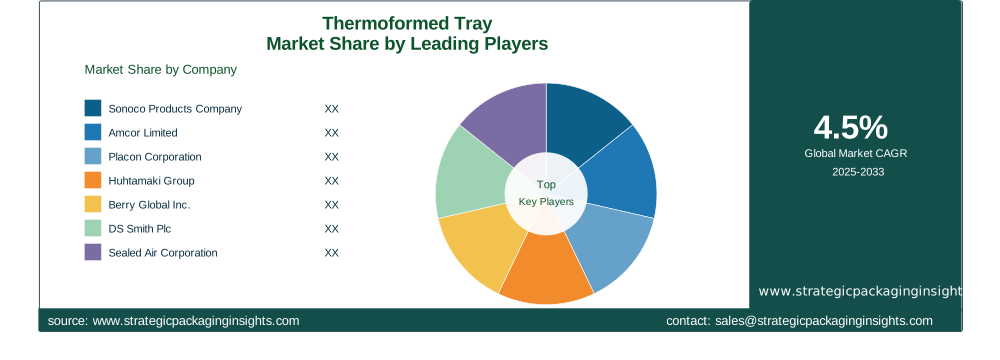
Major companies in the market include Sonoco Products Company, which holds a significant market share due to its extensive product range and strong distribution network. The company is known for its innovative packaging solutions and commitment to sustainability, which has helped it maintain a competitive edge. Another key player is Amcor Limited, which has a strong presence in the market with its focus on sustainable packaging solutions and advanced manufacturing technologies.
Placon Corporation is another prominent player, known for its high-quality thermoformed trays and commitment to environmental sustainability. The company has invested in state-of-the-art manufacturing facilities and has a strong focus on research and development to drive innovation. Huhtamaki Group is also a major player, with a diverse product portfolio and a strong focus on customer-centric solutions. The company's global presence and strategic acquisitions have helped it expand its market reach.
Other notable companies in the market include Berry Global Inc., DS Smith Plc, Sealed Air Corporation, Anchor Packaging Inc., Bemis Company, Inc., and Genpak LLC. These companies are actively engaged in product development and strategic collaborations to enhance their market presence and cater to the evolving needs of consumers.
Key Highlights
- The thermoformed tray market is projected to grow at a CAGR of 4.5% from 2025 to 2033.
- Increasing demand for sustainable packaging solutions is driving market growth.
- Technological advancements in thermoforming processes are enhancing product quality and reducing costs.
- Customization and design flexibility are key trends in the market.
- Volatility in raw material prices poses a challenge to market growth.
- Major players are focusing on strategic partnerships and product innovation.
- The food packaging sector is the largest application segment in the market.
- North America and Europe are leading regions in terms of market share.
- Regulatory pressure to reduce plastic waste is influencing market dynamics.
- Emerging economies in Asia Pacific offer significant growth opportunities.
Top Countries Insights
In the thermoformed tray market, the United States holds a significant share, with a market size of $3.2 billion and a CAGR of 5%. The country's growth is driven by the strong demand for convenient and sustainable packaging solutions, particularly in the food and beverage industry. The presence of major market players and advancements in packaging technologies further contribute to the market's expansion.
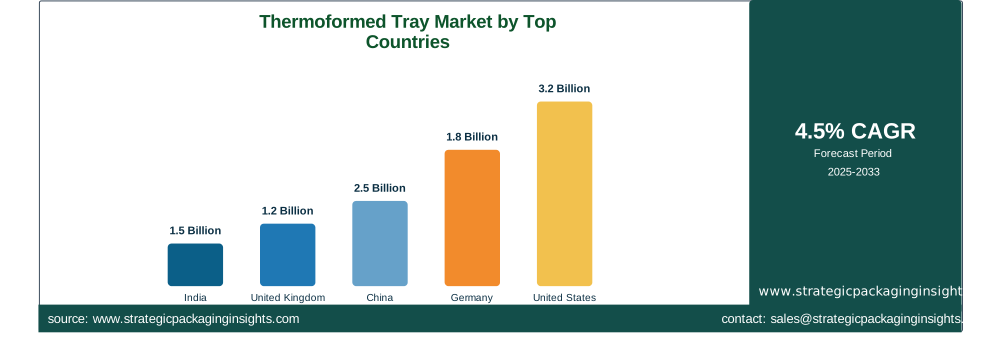
Germany is another key market, with a market size of $1.8 billion and a CAGR of 4%. The country's focus on sustainability and stringent regulations on plastic usage are driving the demand for eco-friendly thermoformed trays. The strong presence of the automotive and electronics industries also contributes to the market's growth, as these sectors require efficient packaging solutions for their products.
China, with a market size of $2.5 billion and a CAGR of 6%, is experiencing rapid growth in the thermoformed tray market. The country's booming e-commerce sector and increasing consumer preference for packaged food products are key drivers of market growth. Additionally, government initiatives to promote sustainable packaging practices are encouraging the adoption of eco-friendly thermoformed trays.
In the United Kingdom, the market size is $1.2 billion with a CAGR of 3%. The country's focus on reducing plastic waste and promoting recycling is driving the demand for sustainable packaging solutions. The growing trend of online food delivery services is also contributing to the market's expansion, as these services require efficient and secure packaging solutions.
India, with a market size of $1.5 billion and a CAGR of 7%, offers significant growth opportunities in the thermoformed tray market. The country's expanding food and beverage industry, coupled with the increasing demand for convenient packaging solutions, is driving market growth. Government initiatives to promote sustainable packaging practices and reduce plastic waste are also influencing market dynamics.
Thermoformed Tray Market Segments Insights

Material Type Analysis
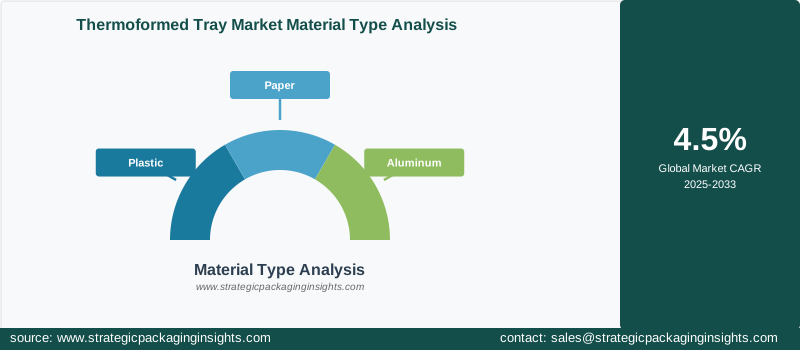
The material type segment of the thermoformed tray market is dominated by plastic, which is widely used due to its versatility, durability, and cost-effectiveness. Plastic thermoformed trays are preferred in the food packaging industry for their ability to provide a secure seal and maintain product freshness. However, the increasing environmental concerns and regulatory pressure to reduce plastic usage are driving the demand for alternative materials such as paper and aluminum. Paper-based trays are gaining popularity as they are biodegradable and recyclable, making them an eco-friendly option. Aluminum trays, on the other hand, are known for their strength and heat resistance, making them suitable for applications that require high-temperature stability.
The shift towards sustainable materials is a key trend in this segment, with companies investing in research and development to create innovative solutions that meet regulatory requirements and consumer preferences. The development of bio-based plastics and compostable materials is expected to drive growth in this segment, as these materials offer the benefits of traditional plastics while minimizing environmental impact. The competition in this segment is intense, with companies focusing on product innovation and strategic partnerships to gain a competitive edge.
Application Analysis
The application segment of the thermoformed tray market is led by the food packaging industry, which accounts for the largest share due to the increasing demand for convenient and hygienic packaging solutions. Thermoformed trays are widely used in the food industry for packaging fresh produce, ready-to-eat meals, and bakery products, as they provide excellent protection and extend the shelf life of products. The medical and pharmaceutical industry is another significant application segment, where thermoformed trays are used for packaging medical devices and pharmaceutical products to ensure product safety and integrity.
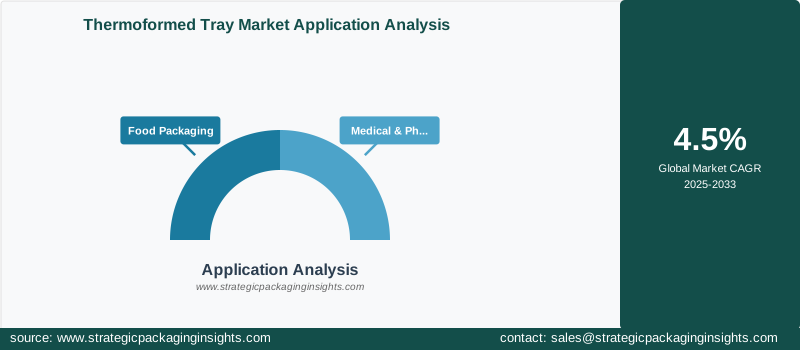
The industrial and consumer goods sectors also contribute to the market's growth, as these industries require efficient packaging solutions for their products. The demand for customized packaging solutions is a key trend in this segment, with companies focusing on creating unique designs and shapes to enhance product appeal and brand identity. The competition in this segment is driven by the need for innovation and sustainability, with companies investing in advanced manufacturing technologies and eco-friendly materials to meet the evolving demands of consumers and regulatory bodies.
End-User Analysis
The end-user segment of the thermoformed tray market is dominated by the retail sector, which accounts for a significant share due to the increasing demand for attractive and functional packaging solutions. The food and beverage industry is a major end-user, as thermoformed trays are widely used for packaging a variety of food products, including fresh produce, dairy products, and ready-to-eat meals. The healthcare industry is another key end-user, where thermoformed trays are used for packaging medical devices and pharmaceutical products to ensure product safety and compliance with regulatory standards.
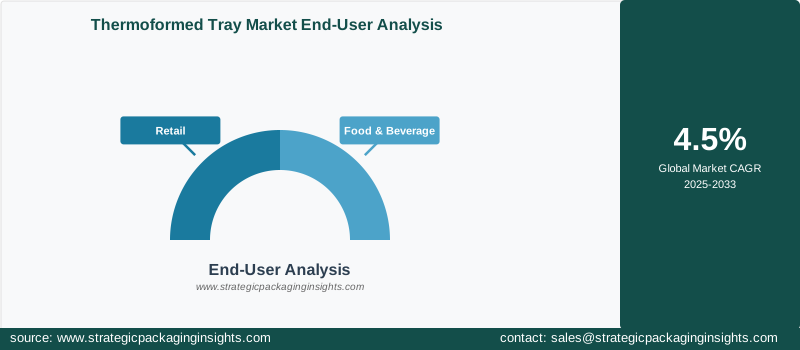
The electronics industry is also a significant end-user, as thermoformed trays provide excellent protection for delicate electronic components during transportation and storage. The demand for sustainable packaging solutions is a key trend in this segment, with companies focusing on reducing their environmental footprint and meeting consumer expectations for eco-friendly products. The competition in this segment is driven by the need for innovation and customization, with companies investing in advanced manufacturing technologies and sustainable materials to gain a competitive edge.
Regional Analysis
The regional analysis of the thermoformed tray market reveals that North America and Europe are the leading regions in terms of market share, driven by the strong demand for sustainable packaging solutions and the presence of major market players. The Asia Pacific region is expected to witness significant growth during the forecast period, driven by the expanding food and beverage industry and the increasing demand for convenient packaging solutions. Emerging economies in Latin America and the Middle East & Africa also offer growth opportunities, as these regions are experiencing rapid urbanization and increasing consumer preference for packaged food products.
The competition in the regional markets is intense, with companies focusing on expanding their production capabilities and enhancing their distribution networks to cater to the growing demand for thermoformed trays. The regulatory pressure to reduce plastic waste and promote recycling is influencing market dynamics, with companies investing in sustainable practices and technologies to comply with these regulations. The development of innovative packaging solutions that meet the evolving demands of consumers and regulatory bodies is a key trend in the regional markets, with companies focusing on product innovation and strategic partnerships to gain a competitive edge.
Thermoformed Tray Market Segments
The Thermoformed Tray market has been segmented on the basis ofMaterial Type
- Plastic
- Paper
- Aluminum
Application
- Food Packaging
- Medical & Pharmaceutical
End-User
- Retail
- Food & Beverage
Region
- North America
- Europe




