


Pharmaceutical Unit Dose Packaging Market Outlook
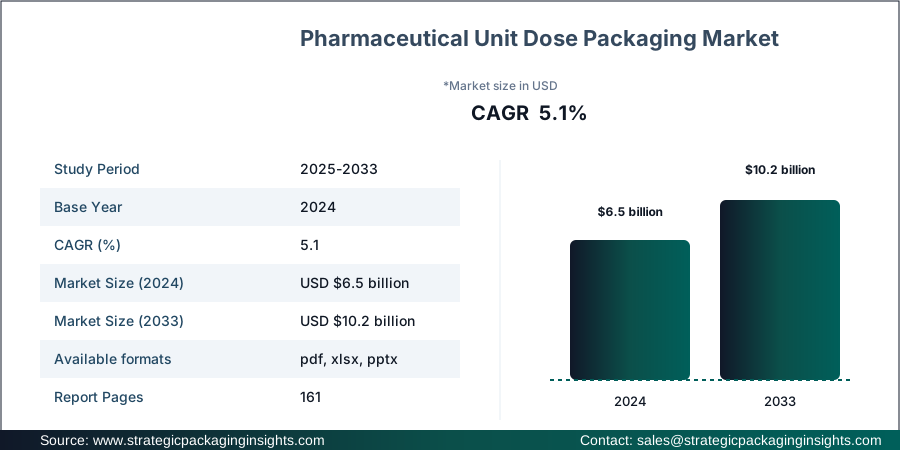
The pharmaceutical unit dose packaging market was valued at $6.5 billion in 2024 and is projected to reach $10.2 billion by 2033, growing at a CAGR of 5.1% during the forecast period 2025-2033. This market is driven by the increasing demand for precise medication dosing, which minimizes medication errors and enhances patient safety. The rising prevalence of chronic diseases and the growing elderly population are also significant factors contributing to the market's growth. Additionally, the shift towards personalized medicine and the increasing adoption of smart packaging solutions are expected to further propel the market. The integration of advanced technologies such as RFID and QR codes in packaging is enhancing traceability and compliance, thereby boosting market demand.
Report Scope
| Attributes | Details |
| Report Title | Pharmaceutical Unit Dose Packaging Market Size, Future Growth and Forecast 2033 |
| Material | Plastic, Glass, Aluminum |
| Product Type | Blister Packs, Strip Packs, Vials, Ampoules, Pre-filled Syringes |
| End User | Hospitals, Clinics, Homecare Settings, Long-term Care Facilities |
| Region | Asia Pacific, North America, Latin America, Europe, Middle East & Africa |
| Base Year | 2024 |
| Historic Period | 2017-2023 |
| Forecast Period | 2025-2033 |
| Number of Pages | 161 |
| Customization Available | Yes* |
Opportunities & Threats
One of the key opportunities in the pharmaceutical unit dose packaging market is the growing trend towards home healthcare. As more patients prefer receiving treatment in the comfort of their homes, the demand for unit dose packaging that ensures accurate dosing and ease of use is on the rise. This trend is particularly prominent in developed regions where healthcare costs are high, and home care is seen as a cost-effective alternative. Additionally, the increasing focus on sustainability is opening new avenues for innovation in eco-friendly packaging materials, which can cater to environmentally conscious consumers and regulatory requirements.
Another opportunity lies in the technological advancements in packaging solutions. The integration of smart technologies such as IoT and AI in packaging is revolutionizing the industry by providing real-time data on medication adherence and usage patterns. This not only enhances patient compliance but also offers valuable insights for healthcare providers and pharmaceutical companies. The development of tamper-evident and child-resistant packaging solutions is also gaining traction, driven by the need to ensure safety and compliance with stringent regulatory standards.
However, the market faces certain restrainers, such as the high cost of advanced packaging solutions. The initial investment required for implementing smart packaging technologies can be substantial, which may deter small and medium-sized enterprises from adopting these solutions. Additionally, the stringent regulatory landscape governing pharmaceutical packaging can pose challenges for manufacturers, as they need to ensure compliance with various regional and international standards, which can be both time-consuming and costly.
Drivers & Challenges
The primary driver of the pharmaceutical unit dose packaging market is the increasing emphasis on patient safety and medication accuracy. Unit dose packaging minimizes the risk of medication errors by providing precise doses, which is crucial in hospital settings where multiple medications are administered. The growing prevalence of chronic diseases such as diabetes and cardiovascular disorders is also driving the demand for unit dose packaging, as these conditions often require complex medication regimens that benefit from accurate dosing.
Another significant driver is the rising demand for personalized medicine. As healthcare moves towards more individualized treatment plans, the need for packaging solutions that can accommodate specific patient requirements is increasing. Unit dose packaging offers the flexibility needed to cater to personalized medication regimens, making it an ideal choice for this emerging trend. Furthermore, the increasing adoption of smart packaging solutions that enhance traceability and compliance is expected to drive market growth.
Despite these drivers, the market faces challenges such as the high cost of implementing advanced packaging technologies. The integration of smart technologies into packaging solutions requires significant investment in research and development, which can be a barrier for smaller companies. Additionally, the complex regulatory environment governing pharmaceutical packaging can pose challenges for manufacturers, as they need to navigate various regional and international standards to ensure compliance. This can be both time-consuming and costly, potentially hindering market growth.
Pharmaceutical Unit Dose Packaging Strategic Outlook
| Trend | Market Driver | Technological/Material Shift | Business Impact |
|---|---|---|---|
| Sustainability | Eco-friendly materials | Biodegradable plastics | Reduced environmental footprint |
| Smart Tech | IoT integration | RFID-enabled packaging | Enhanced traceability |
| Consumer Behavior | Home healthcare trend | User-friendly designs | Increased market penetration |
| Logistics | Supply chain optimization | Automated packaging systems | Cost efficiency |
Expert Synthesis: As of 2026, the pharmaceutical unit dose packaging market is poised for significant growth, driven by the increasing demand for precise medication dosing and the shift towards personalized medicine. The primary disruptor in this niche is the stringent regulatory landscape, which necessitates compliance with various standards, posing challenges for manufacturers. To maintain market share by 2033, brands should pivot towards sustainable and smart packaging solutions that enhance patient safety and compliance. Embracing eco-friendly materials and integrating IoT technologies will be crucial for staying competitive in this evolving market.
Market Share Analysis
The pharmaceutical unit dose packaging market is characterized by a competitive landscape with several key players vying for market share. The market is dominated by a mix of established companies and emerging players, each bringing unique strengths to the table. The competitive dynamics are shaped by factors such as product innovation, technological advancements, and strategic partnerships. Companies are increasingly focusing on developing sustainable and smart packaging solutions to differentiate themselves in the market. The emphasis on patient safety and compliance with regulatory standards is also driving competition, as companies strive to offer packaging solutions that meet stringent requirements.
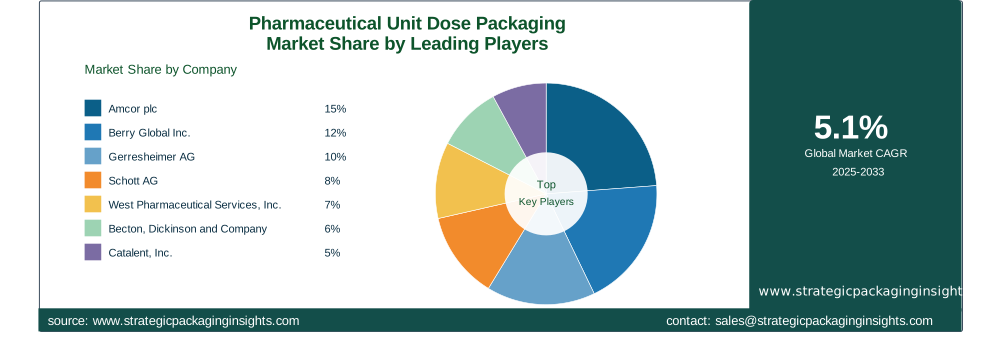
Among the major players in the market, some have established a strong foothold through extensive product portfolios and global reach. These companies leverage their expertise in packaging technologies and materials to offer innovative solutions that cater to the evolving needs of the pharmaceutical industry. Strategic collaborations and acquisitions are common strategies employed by these players to expand their market presence and enhance their product offerings. The focus on research and development is also a key differentiator, as companies invest in developing advanced packaging solutions that incorporate smart technologies and eco-friendly materials.
Some of the leading companies in the pharmaceutical unit dose packaging market include Amcor plc, Berry Global Inc., and Gerresheimer AG. Amcor plc is known for its innovative packaging solutions that prioritize sustainability and patient safety. The company has a strong global presence and offers a wide range of packaging products for the pharmaceutical industry. Berry Global Inc. is another major player, recognized for its comprehensive product portfolio and commitment to sustainability. The company focuses on developing packaging solutions that enhance medication adherence and patient safety.
Gerresheimer AG is a key player in the market, offering a diverse range of packaging solutions for the pharmaceutical industry. The company is known for its expertise in glass and plastic packaging, and it has a strong focus on innovation and sustainability. Other notable companies in the market include Schott AG, West Pharmaceutical Services, Inc., and Becton, Dickinson and Company. These companies are recognized for their advanced packaging technologies and commitment to meeting the evolving needs of the pharmaceutical industry.
Key Highlights
- The pharmaceutical unit dose packaging market is projected to grow at a CAGR of 5.1% from 2025 to 2033.
- Increasing demand for precise medication dosing is a key driver of market growth.
- Technological advancements in smart packaging solutions are revolutionizing the industry.
- The shift towards personalized medicine is creating new opportunities for unit dose packaging.
- Stringent regulatory standards pose challenges for manufacturers in the market.
- Eco-friendly packaging materials are gaining traction among environmentally conscious consumers.
- Home healthcare trends are driving demand for user-friendly unit dose packaging solutions.
Top Countries Insights
The United States is a leading market for pharmaceutical unit dose packaging, with a market size of $2.1 billion and a CAGR of 4%. The country's advanced healthcare infrastructure and high prevalence of chronic diseases drive demand for precise medication dosing solutions. Regulatory initiatives promoting patient safety further bolster market growth. In Germany, the market is valued at $1.5 billion, with a CAGR of 3%. The country's strong focus on innovation and compliance with stringent EU regulations are key growth drivers. Japan's market, valued at $1.2 billion with a CAGR of 5%, benefits from a rapidly aging population and increasing healthcare expenditure.
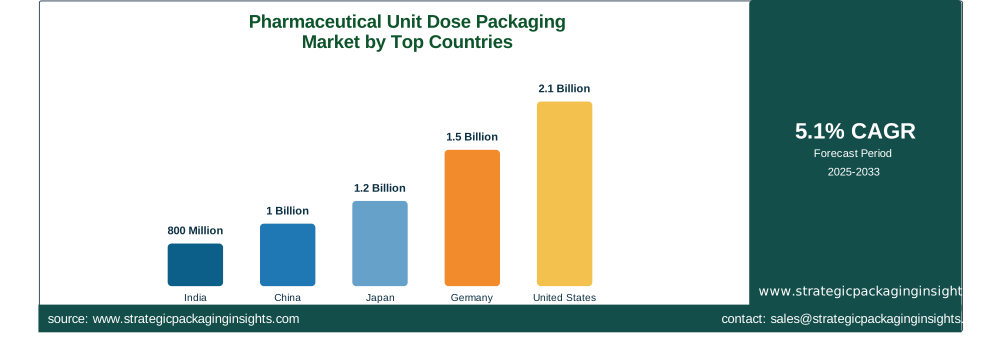
China is experiencing significant growth in the pharmaceutical unit dose packaging market, with a market size of $1 billion and a CAGR of 6%. The country's expanding healthcare sector and rising demand for advanced packaging solutions are driving market growth. In India, the market is valued at $800 million, with a CAGR of 7%. The growing pharmaceutical industry and increasing focus on patient safety are key factors contributing to market expansion. However, challenges such as regulatory compliance and cost constraints remain prevalent in these markets.
Pharmaceutical Unit Dose Packaging Market Segments Insights

Material Analysis
The material segment of the pharmaceutical unit dose packaging market is primarily dominated by plastic, glass, and aluminum. Plastic is the most widely used material due to its versatility, cost-effectiveness, and ease of manufacturing. It offers excellent barrier properties and can be easily molded into various shapes and sizes, making it ideal for unit dose packaging. The demand for eco-friendly plastics is on the rise, driven by increasing environmental concerns and regulatory pressures. Glass is preferred for its superior barrier properties and chemical inertness, making it suitable for sensitive medications. However, its fragility and higher cost compared to plastic limit its widespread use.
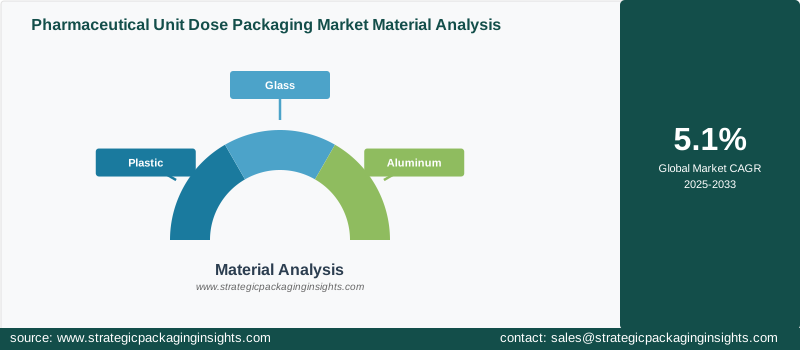
Aluminum is gaining traction in the market due to its excellent barrier properties and lightweight nature. It is commonly used in blister packs and strip packs, providing effective protection against moisture, light, and oxygen. The growing focus on sustainability is driving innovation in aluminum packaging, with manufacturers exploring recyclable and biodegradable options. The choice of material is influenced by factors such as the type of medication, regulatory requirements, and cost considerations. Manufacturers are increasingly focusing on developing materials that offer a balance between performance, sustainability, and cost-effectiveness.
Product Type Analysis
The product type segment of the pharmaceutical unit dose packaging market includes blister packs, strip packs, vials, ampoules, and pre-filled syringes. Blister packs are the most popular product type, offering convenience, safety, and compliance. They provide excellent protection against environmental factors and are easy to use, making them ideal for both patients and healthcare providers. The demand for child-resistant and tamper-evident blister packs is increasing, driven by the need to ensure safety and compliance with regulatory standards.
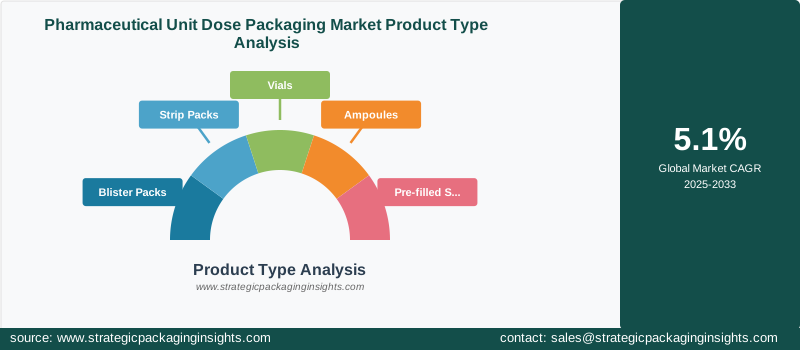
Strip packs are gaining popularity due to their cost-effectiveness and ease of manufacturing. They offer similar benefits to blister packs but are typically used for less sensitive medications. Vials and ampoules are preferred for liquid medications, offering excellent protection and precise dosing. Pre-filled syringes are gaining traction in the market, driven by the increasing demand for injectable medications and the need for accurate dosing. The choice of product type is influenced by factors such as the type of medication, patient preferences, and regulatory requirements.
End User Analysis
The end-user segment of the pharmaceutical unit dose packaging market includes hospitals, clinics, homecare settings, and long-term care facilities. Hospitals are the largest end-users, driven by the need for precise medication dosing and compliance with regulatory standards. The increasing prevalence of chronic diseases and the growing demand for personalized medicine are also contributing to the demand for unit dose packaging in hospitals. Clinics are another significant end-user, with a focus on providing safe and effective medication dosing solutions.
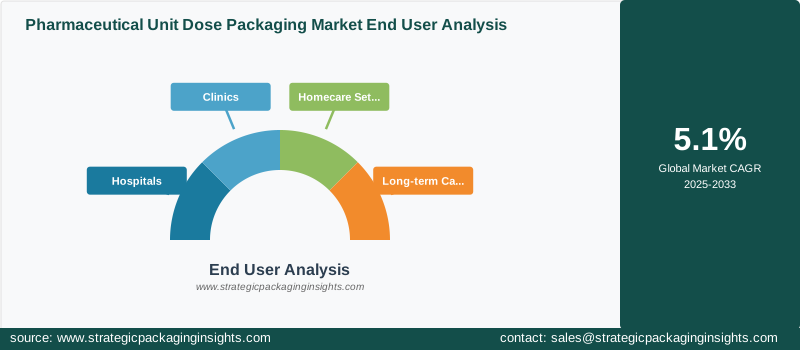
Homecare settings are experiencing significant growth, driven by the trend towards home healthcare and the need for user-friendly packaging solutions. The demand for unit dose packaging in long-term care facilities is also on the rise, driven by the need to ensure accurate dosing and patient safety. The choice of end-user is influenced by factors such as the type of medication, patient demographics, and healthcare trends. Manufacturers are increasingly focusing on developing packaging solutions that cater to the specific needs of each end-user segment.
Regional Analysis
The pharmaceutical unit dose packaging market is segmented into regions such as North America, Europe, Asia Pacific, Latin America, and the Middle East & Africa. North America is the largest market, driven by the advanced healthcare infrastructure and high prevalence of chronic diseases. The region's focus on patient safety and compliance with regulatory standards further bolsters market growth. Europe is another significant market, with a strong focus on innovation and sustainability. The region's stringent regulatory landscape drives demand for advanced packaging solutions.
Asia Pacific is experiencing significant growth, driven by the expanding healthcare sector and increasing demand for advanced packaging solutions. The region's large population and rising healthcare expenditure are key factors contributing to market growth. Latin America and the Middle East & Africa are also experiencing growth, driven by the increasing focus on healthcare infrastructure development and the rising demand for precise medication dosing solutions. The choice of region is influenced by factors such as healthcare trends, regulatory requirements, and economic conditions.
Pharmaceutical Unit Dose Packaging Market Segments
The Pharmaceutical Unit Dose Packaging market has been segmented on the basis ofMaterial
- Plastic
- Glass
- Aluminum
Product Type
- Blister Packs
- Strip Packs
- Vials
- Ampoules
- Pre-filled Syringes
End User
- Hospitals
- Clinics
- Homecare Settings
- Long-term Care Facilities
Region
- Asia Pacific
- North America
- Latin America
- Europe
- Middle East & Africa




