


Cubitainers Market Outlook
The Cubitainers market was valued at $139.95 million in 2025 and is projected to reach $195.77 million by 2034, growing at a CAGR of 3.8% during the forecast period 2026-2034. This market is witnessing a steady growth trajectory due to the increasing demand for flexible and efficient packaging solutions across various industries. The versatility of cubitainers, which are used in sectors ranging from chemicals to pharmaceuticals, is a significant driver of this growth. Their ability to safely store and transport liquids makes them indispensable in industries that require stringent packaging standards. Additionally, the rise in global trade and the need for cost-effective packaging solutions are further propelling the market forward.
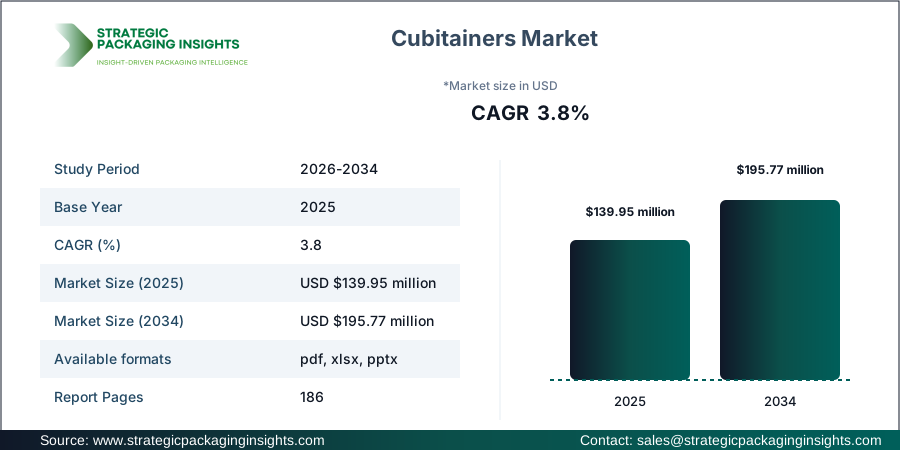
Despite the promising growth, the Cubitainers market faces certain challenges that could impede its expansion. Regulatory constraints, particularly those related to environmental sustainability and waste management, pose significant hurdles. The packaging industry is under increasing pressure to adopt eco-friendly practices, which could necessitate substantial investments in research and development for more sustainable materials. However, these challenges also present opportunities for innovation and differentiation in the market. Companies that can develop biodegradable or recyclable cubitainers may gain a competitive edge. Furthermore, the growing awareness and demand for sustainable packaging solutions among consumers and businesses alike could drive future growth in this market.
Report Scope
| Attributes | Details |
| Report Title | Cubitainers Market Size, Future Growth and Forecast 2034 |
| Product Type | Collapsible Containers, Bag-in-Box Containers, Liquid Dispensing Containers |
| Capacity | Small, Medium, Bulk |
| Application | Chemicals, Pharmaceuticals, Food Liquids, Laboratory Reagents |
| End Use | Industrial Users, Laboratories, Food Processors, Healthcare Suppliers |
| Region | Asia Pacific, North America, Latin America, Europe, Middle East & Africa |
| Base Year | 2025 |
| Historic Period | 2018-2024 |
| Forecast Period | 2026-2034 |
| Number of Pages | 186 |
| Customization Available | Yes* |
Opportunities & Threats
The Cubitainers market is ripe with opportunities, particularly in the realm of sustainable packaging solutions. As environmental concerns continue to rise, there is a significant push towards reducing plastic waste and adopting eco-friendly packaging alternatives. This trend is creating a demand for cubitainers made from biodegradable or recyclable materials. Companies that can innovate in this space stand to gain a substantial market share. Additionally, the increasing globalization of trade presents opportunities for cubitainers as they offer a cost-effective and efficient solution for transporting liquids across long distances. The ability to collapse and reduce storage space further enhances their appeal in the logistics sector.
Another opportunity lies in the expanding pharmaceutical and healthcare industries. With the growing need for safe and reliable packaging for liquid medications and reagents, cubitainers are becoming increasingly popular. Their ability to maintain the integrity of sensitive substances makes them an ideal choice for these sectors. Moreover, the rise in laboratory activities and research initiatives globally is driving the demand for laboratory reagents, further boosting the market for cubitainers. As these industries continue to grow, the demand for specialized packaging solutions like cubitainers is expected to rise, presenting lucrative opportunities for market players.
However, the market is not without its threats. One of the primary challenges is the stringent regulatory environment surrounding packaging materials. Governments worldwide are implementing strict regulations to curb plastic usage and promote sustainable practices. These regulations could increase production costs and pose compliance challenges for manufacturers. Additionally, the threat of substitutes, such as other flexible packaging solutions, could impact market growth. Companies need to continuously innovate and differentiate their products to stay competitive. The volatility in raw material prices also poses a threat, as it can affect the overall cost structure and profitability of cubitainer manufacturers.
Drivers & Challenges
The primary driver of the Cubitainers market is the increasing demand for flexible and efficient packaging solutions across various industries. The versatility of cubitainers, which can be used for storing and transporting a wide range of liquids, makes them an attractive option for industries such as chemicals, pharmaceuticals, and food processing. Their ability to safely store and transport liquids while minimizing the risk of contamination is a significant advantage. Additionally, the rise in global trade and the need for cost-effective packaging solutions are further propelling the market forward. The logistics industry, in particular, benefits from the collapsible nature of cubitainers, which reduces storage space and transportation costs.
Another significant driver is the growing awareness and demand for sustainable packaging solutions. As environmental concerns continue to rise, consumers and businesses are increasingly seeking eco-friendly alternatives to traditional packaging materials. This trend is creating a demand for cubitainers made from biodegradable or recyclable materials. Companies that can innovate in this space stand to gain a substantial market share. Furthermore, the expanding pharmaceutical and healthcare industries are driving the demand for specialized packaging solutions like cubitainers. With the growing need for safe and reliable packaging for liquid medications and reagents, cubitainers are becoming increasingly popular in these sectors.
Despite the promising growth prospects, the Cubitainers market faces several challenges. One of the primary challenges is the stringent regulatory environment surrounding packaging materials. Governments worldwide are implementing strict regulations to curb plastic usage and promote sustainable practices. These regulations could increase production costs and pose compliance challenges for manufacturers. Additionally, the threat of substitutes, such as other flexible packaging solutions, could impact market growth. Companies need to continuously innovate and differentiate their products to stay competitive. The volatility in raw material prices also poses a challenge, as it can affect the overall cost structure and profitability of cubitainer manufacturers.
Market Share Analysis
The competitive landscape of the Cubitainers market is characterized by the presence of several key players who are actively engaged in product innovation and strategic partnerships to enhance their market position. Hedwin Corporation, a prominent player in the market, is known for its extensive range of cubitainers that cater to various industrial needs. Their focus on quality and innovation has helped them maintain a significant market share. Thermo Fisher Scientific, another major player, leverages its strong distribution network and brand reputation to capture a substantial portion of the market. Their emphasis on research and development enables them to offer advanced packaging solutions that meet the evolving needs of their customers.
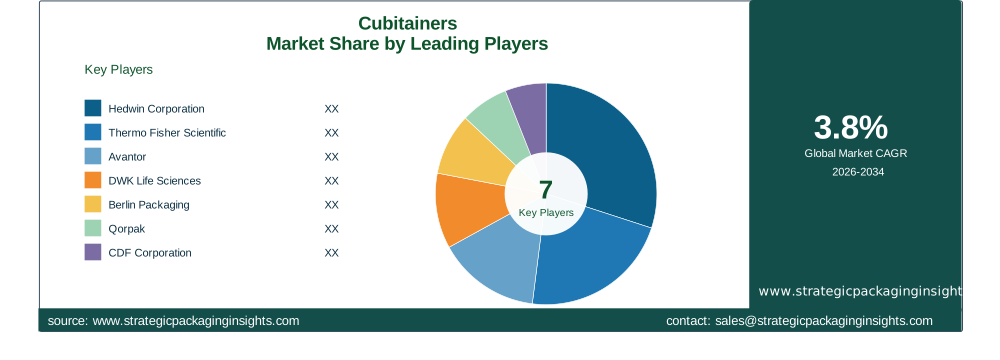
Avantor and DWK Life Sciences are also key players in the Cubitainers market, with a strong presence in the pharmaceutical and laboratory sectors. Their expertise in providing specialized packaging solutions for sensitive substances has earned them a loyal customer base. Berlin Packaging, known for its comprehensive packaging solutions, has been expanding its product portfolio to include eco-friendly cubitainers, aligning with the growing demand for sustainable packaging. Qorpak and CDF Corporation are also notable players, offering a wide range of cubitainers for various applications, from chemicals to food processing.
Zacros America and Fujimori Kogyo are prominent players in the Asia Pacific region, where the demand for cubitainers is on the rise due to the expanding industrial and healthcare sectors. Their focus on innovation and quality has helped them capture a significant market share in this region. Liquibox, known for its liquid packaging solutions, has been actively expanding its presence in the cubitainers market through strategic acquisitions and partnerships. Their emphasis on sustainability and innovation positions them well to capitalize on the growing demand for eco-friendly packaging solutions.
Key Highlights
- The Cubitainers market is projected to grow at a CAGR of 3.8% from 2026 to 2034.
- Increasing demand for flexible and efficient packaging solutions is driving market growth.
- Environmental concerns are pushing the demand for sustainable cubitainers.
- Pharmaceutical and healthcare industries are significant contributors to market demand.
- Stringent regulatory environment poses challenges for manufacturers.
- Innovation in biodegradable and recyclable materials presents growth opportunities.
- Key players are focusing on product innovation and strategic partnerships.
- Asia Pacific region is witnessing significant growth due to expanding industrial sectors.
- Volatility in raw material prices remains a challenge for manufacturers.
- Threat of substitutes necessitates continuous innovation and differentiation.
Top Countries Insights
In the Cubitainers market, the United States stands out as a key player, with a market size of approximately $45 million and a CAGR of 4%. The country's robust industrial base and strong demand from the pharmaceutical and healthcare sectors drive this growth. The U.S. government's focus on sustainable packaging solutions further propels the market, encouraging manufacturers to innovate and adopt eco-friendly practices. However, regulatory challenges related to plastic usage and waste management remain a concern for manufacturers operating in this region.
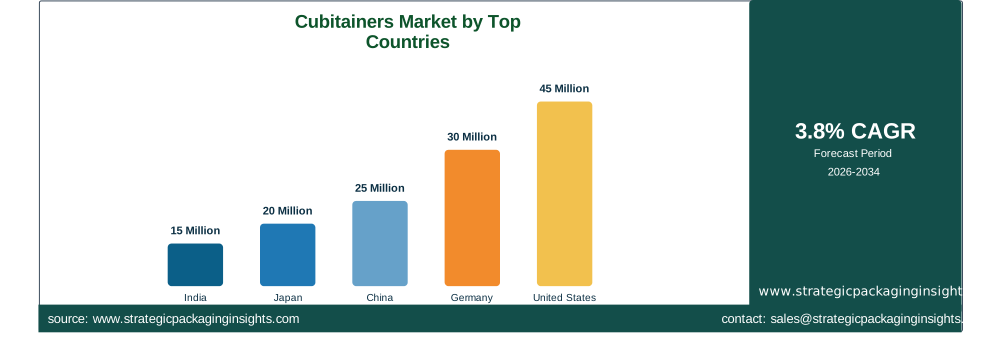
Germany, with a market size of around $30 million and a CAGR of 3%, is another significant player in the Cubitainers market. The country's strong emphasis on environmental sustainability and stringent packaging regulations drive the demand for eco-friendly cubitainers. The presence of a well-established chemical industry also contributes to the market's growth. However, the high cost of compliance with environmental regulations poses a challenge for manufacturers in Germany.
China, with a market size of approximately $25 million and a CAGR of 5%, is experiencing rapid growth in the Cubitainers market. The country's expanding industrial and healthcare sectors drive the demand for flexible packaging solutions. The Chinese government's initiatives to promote sustainable packaging practices further boost the market. However, the threat of substitutes and the volatility in raw material prices pose challenges for manufacturers in China.
Japan, with a market size of around $20 million and a CAGR of 2%, is a key player in the Cubitainers market. The country's strong focus on innovation and quality drives the demand for advanced packaging solutions. The presence of a well-established pharmaceutical industry also contributes to the market's growth. However, the high cost of production and the threat of substitutes remain challenges for manufacturers in Japan.
India, with a market size of approximately $15 million and a CAGR of 6%, is witnessing significant growth in the Cubitainers market. The country's expanding industrial base and increasing demand for flexible packaging solutions drive this growth. The Indian government's initiatives to promote sustainable packaging practices further boost the market. However, regulatory challenges and the threat of substitutes pose challenges for manufacturers in India.
Cubitainers Market Segments Insights

Product Type Analysis
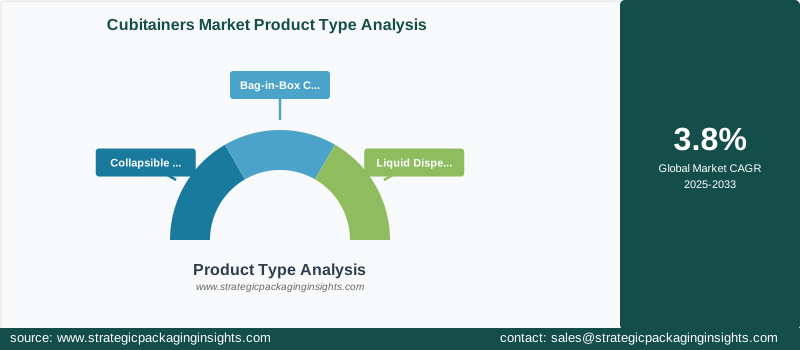
The Cubitainers market is segmented by product type into collapsible containers, bag-in-box containers, and liquid dispensing containers. Collapsible containers are gaining popularity due to their space-saving design, which reduces storage and transportation costs. These containers are particularly favored in the logistics and transportation sectors, where efficiency and cost-effectiveness are paramount. Bag-in-box containers, on the other hand, are widely used in the food and beverage industry for their ability to preserve the freshness and quality of liquids. Their convenience and ease of use make them a preferred choice for both manufacturers and consumers. Liquid dispensing containers are essential in industries that require precise and controlled dispensing of liquids, such as pharmaceuticals and chemicals. The demand for these containers is driven by the need for accuracy and safety in handling sensitive substances.
Innovation and product development are key trends in the product type segment, with manufacturers focusing on enhancing the functionality and sustainability of cubitainers. The development of biodegradable and recyclable materials is a significant trend, driven by the increasing demand for eco-friendly packaging solutions. Companies that can offer innovative and sustainable products are likely to gain a competitive edge in the market. Additionally, the growing emphasis on customization and branding is influencing product development, with manufacturers offering tailored solutions to meet the specific needs of their customers.
Capacity Analysis
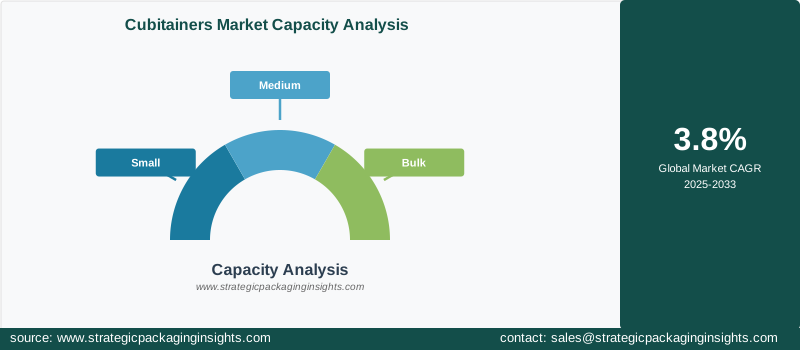
The Cubitainers market is segmented by capacity into small, medium, and bulk containers. Small cubitainers are widely used in laboratories and healthcare settings, where precise measurements and controlled dispensing are crucial. Their compact size and ease of handling make them ideal for these applications. Medium cubitainers are popular in the food and beverage industry, where they are used for storing and transporting liquids such as juices and sauces. Their balance between capacity and convenience makes them a preferred choice for manufacturers and consumers alike. Bulk cubitainers are essential in industrial settings, where large volumes of liquids need to be stored and transported efficiently. The demand for bulk containers is driven by the need for cost-effective and efficient packaging solutions in industries such as chemicals and pharmaceuticals.
Trends in the capacity segment include the development of innovative designs that enhance the functionality and usability of cubitainers. Manufacturers are focusing on improving the durability and strength of containers to withstand the rigors of transportation and storage. The growing emphasis on sustainability is also influencing product development, with companies exploring the use of eco-friendly materials and designs. Additionally, the increasing demand for customized solutions is driving innovation in the capacity segment, with manufacturers offering tailored products to meet the specific needs of their customers.
Application Analysis
The Cubitainers market is segmented by application into chemicals, pharmaceuticals, food liquids, and laboratory reagents. The chemicals segment is a significant driver of market growth, with cubitainers being widely used for storing and transporting hazardous and non-hazardous chemicals. Their ability to safely contain and dispense chemicals makes them an essential packaging solution in this industry. The pharmaceuticals segment is also a major contributor to market demand, with cubitainers being used for packaging liquid medications and reagents. The need for safe and reliable packaging solutions in the pharmaceutical industry drives the demand for cubitainers.

The food liquids segment is experiencing significant growth, driven by the increasing demand for convenient and efficient packaging solutions in the food and beverage industry. Cubitainers are widely used for storing and transporting liquids such as juices, sauces, and oils, where maintaining freshness and quality is crucial. The laboratory reagents segment is also witnessing growth, driven by the increasing demand for laboratory activities and research initiatives globally. Cubitainers are used for storing and dispensing reagents, where precision and safety are paramount. The demand for specialized packaging solutions in these applications is driving innovation and product development in the market.
End Use Analysis
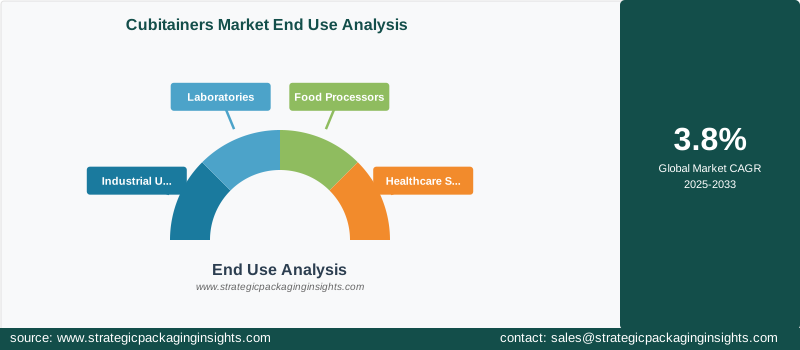
The Cubitainers market is segmented by end use into industrial users, laboratories, food processors, and healthcare suppliers. Industrial users are a significant driver of market demand, with cubitainers being widely used for storing and transporting liquids in industries such as chemicals and pharmaceuticals. Their ability to safely contain and dispense liquids makes them an essential packaging solution in these industries. Laboratories are also a major contributor to market demand, with cubitainers being used for storing and dispensing reagents and other laboratory materials. The need for precise and controlled dispensing in laboratory settings drives the demand for cubitainers.
Food processors are experiencing significant growth in the Cubitainers market, driven by the increasing demand for convenient and efficient packaging solutions in the food and beverage industry. Cubitainers are widely used for storing and transporting liquids such as juices, sauces, and oils, where maintaining freshness and quality is crucial. Healthcare suppliers are also witnessing growth, driven by the increasing demand for safe and reliable packaging solutions for liquid medications and reagents. The demand for specialized packaging solutions in these end-use applications is driving innovation and product development in the market.
Cubitainers Market Segments
The Cubitainers market has been segmented on the basis ofProduct Type
- Collapsible Containers
- Bag-in-Box Containers
- Liquid Dispensing Containers
Capacity
- Small
- Medium
- Bulk
Application
- Chemicals
- Pharmaceuticals
- Food Liquids
- Laboratory Reagents
End Use
- Industrial Users
- Laboratories
- Food Processors
- Healthcare Suppliers
Region
- Asia Pacific
- North America
- Latin America
- Europe
- Middle East & Africa




