


Connected Beverage Packaging Market Outlook
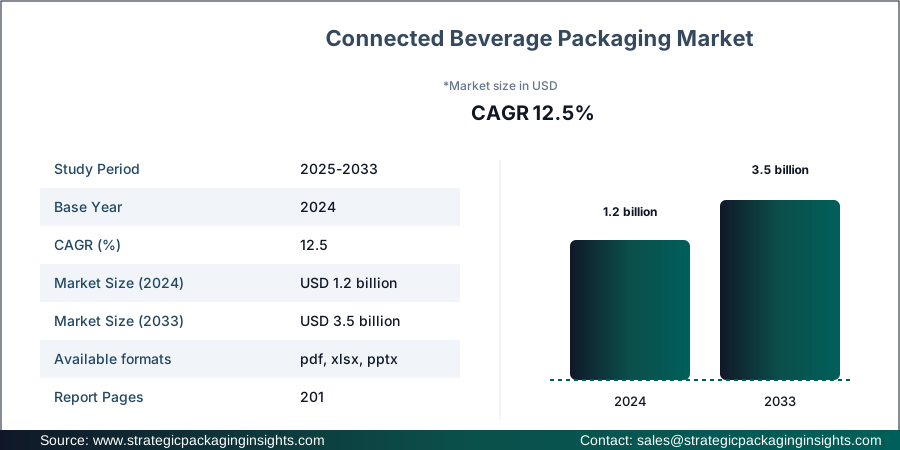
The connected beverage packaging market was valued at $1.2 billion in 2024 and is projected to reach $3.5 billion by 2033, growing at a CAGR of 12.5% during the forecast period 2025-2033. This market is witnessing significant growth due to the increasing demand for smart packaging solutions that enhance consumer engagement and provide real-time data analytics. The integration of technologies such as QR codes, NFC, and RFID in beverage packaging is driving the market forward, as these technologies offer innovative ways to interact with consumers and gather valuable insights. Additionally, the rise in e-commerce and the need for traceability in supply chains are further propelling the demand for connected beverage packaging solutions.
However, the market faces certain challenges, including high initial costs and the complexity of integrating advanced technologies into traditional packaging systems. Regulatory constraints related to data privacy and security also pose significant hurdles for market players. Despite these challenges, the market holds immense potential for growth, driven by the increasing adoption of IoT and AI technologies in the packaging industry. Companies are investing heavily in research and development to create more cost-effective and efficient solutions, which is expected to open new avenues for market expansion in the coming years.
Report Scope
| Attributes | Details |
| Report Title | Connected Beverage Packaging Market Size, Future Growth and Forecast 2033 |
| Technology | QR Codes, NFC, RFID, Augmented Reality |
| Application | Alcoholic Beverages, Non-Alcoholic Beverages, Bottled Water, Dairy Products |
| End-User | Retail, Food Service, E-commerce |
| Region | Asia Pacific, North America, Latin America, Europe, Middle East & Africa |
| Base Year | 2024 |
| Historic Period | 2017-2023 |
| Forecast Period | 2025-2033 |
| Number of Pages | 201 |
| Customization Available | Yes* |
Opportunities & Threats
The connected beverage packaging market presents numerous opportunities for growth, primarily driven by the increasing consumer demand for personalized and interactive experiences. As consumers become more tech-savvy, they are seeking packaging solutions that offer more than just containment. This shift in consumer behavior is encouraging beverage companies to adopt connected packaging technologies that can provide real-time information, such as product origin, nutritional content, and promotional offers. Additionally, the growing trend of sustainability is pushing companies to develop eco-friendly connected packaging solutions that not only engage consumers but also reduce environmental impact.
Another significant opportunity lies in the integration of augmented reality (AR) in beverage packaging. AR technology allows brands to create immersive experiences that can enhance consumer engagement and brand loyalty. By scanning a package with a smartphone, consumers can access interactive content, such as games, videos, and virtual tours, which can significantly enhance the overall consumer experience. This innovative approach is gaining traction among beverage companies looking to differentiate their products in a highly competitive market.
Despite the promising opportunities, the market faces certain restrainers that could hinder its growth. One of the primary challenges is the high cost associated with implementing connected packaging technologies. The integration of advanced technologies such as NFC and RFID requires significant investment in infrastructure and technology development, which can be a barrier for small and medium-sized enterprises. Additionally, concerns related to data privacy and security are becoming increasingly important as connected packaging solutions collect and store consumer data. Companies need to ensure compliance with data protection regulations to avoid potential legal issues and maintain consumer trust.
Market Share Analysis
The connected beverage packaging market is characterized by a highly competitive landscape, with several key players vying for market share. The market is dominated by a few major companies that have established themselves as leaders through extensive research and development, strategic partnerships, and a strong focus on innovation. These companies are continuously investing in new technologies and expanding their product portfolios to maintain their competitive edge.
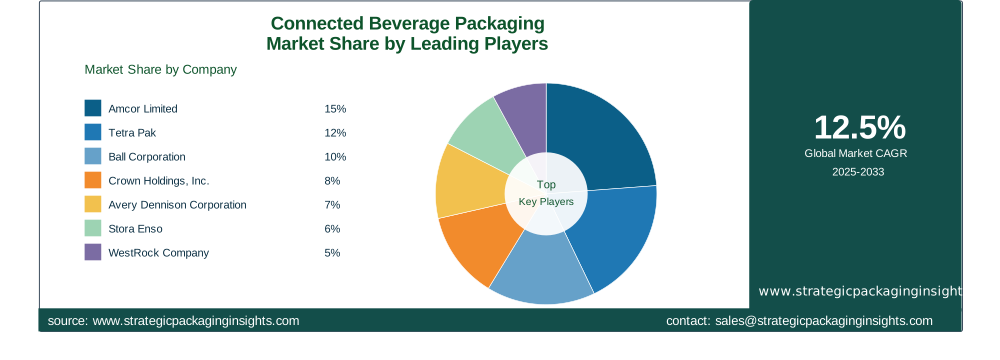
Among the leading companies in the market is Amcor Limited, which holds a significant market share due to its extensive range of connected packaging solutions and strong global presence. The company has been at the forefront of innovation, leveraging technologies such as NFC and QR codes to enhance consumer engagement and provide valuable insights to brands. Another major player is Tetra Pak, known for its sustainable and innovative packaging solutions. Tetra Pak has been actively investing in connected packaging technologies to offer more interactive and informative experiences to consumers.
Ball Corporation is another key player in the market, with a strong focus on sustainability and innovation. The company has been developing eco-friendly connected packaging solutions that not only engage consumers but also reduce environmental impact. Additionally, Crown Holdings, Inc. is making significant strides in the market with its advanced packaging technologies and strategic collaborations with beverage brands to enhance consumer experiences.
Other notable companies in the market include Avery Dennison Corporation, Stora Enso, and WestRock Company, each contributing to the market's growth through their innovative solutions and strategic initiatives. Avery Dennison Corporation, for instance, is known for its smart labeling solutions that integrate RFID technology to provide real-time data and enhance supply chain efficiency. Stora Enso has been focusing on sustainable packaging solutions, leveraging its expertise in renewable materials to develop eco-friendly connected packaging options.
Key Highlights
- The connected beverage packaging market is projected to grow at a CAGR of 12.5% from 2025 to 2033.
- Integration of technologies such as QR codes, NFC, and RFID is driving market growth.
- Increasing consumer demand for personalized and interactive experiences is a key market driver.
- High initial costs and regulatory constraints are significant market challenges.
- Augmented reality (AR) in packaging is emerging as a major trend.
- Eco-friendly connected packaging solutions are gaining traction.
- Key players include Amcor Limited, Tetra Pak, Ball Corporation, and Crown Holdings, Inc.
Top Countries Insights
The United States is a leading market for connected beverage packaging, with a market size of $500 million and a CAGR of 10%. The country's strong technological infrastructure and high consumer demand for innovative packaging solutions are key growth drivers. Additionally, the presence of major beverage brands and packaging companies in the region further boosts market growth.
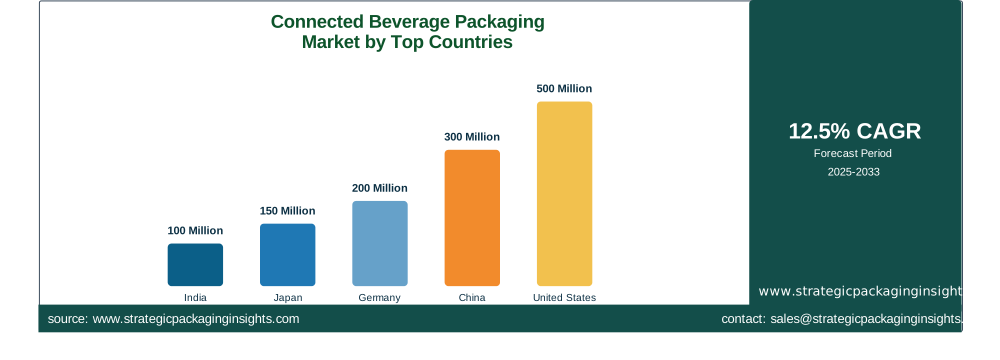
China is another significant market, with a market size of $300 million and a CAGR of 15%. The rapid growth of the e-commerce sector and increasing consumer awareness about smart packaging solutions are driving market expansion. Government initiatives to promote sustainable packaging also contribute to market growth.
Germany, with a market size of $200 million and a CAGR of 9%, is a key player in the European market. The country's strong focus on sustainability and innovation in packaging technologies is driving market growth. Additionally, the presence of leading packaging companies and a strong consumer base further support market expansion.
Japan, with a market size of $150 million and a CAGR of 8%, is witnessing growth due to the increasing adoption of IoT and AI technologies in packaging. The country's advanced technological infrastructure and high consumer demand for innovative packaging solutions are key growth drivers.
India, with a market size of $100 million and a CAGR of 12%, is an emerging market for connected beverage packaging. The rapid growth of the beverage industry and increasing consumer awareness about smart packaging solutions are driving market expansion. Government initiatives to promote digitalization and sustainability also contribute to market growth.
Evolving Market Dynamics (2018-2024) and Strategic Foresight (2025-2033)
| Metrics | 2018-2024 | 2025-2033 |
|---|---|---|
| CAGR | 8.5% | 12.5% |
| Market Size Evolution | $800 million to $1.2 billion | $1.2 billion to $3.5 billion |
| Segment Distribution Shifts | Traditional to Smart Packaging | Smart to Connected Packaging |
| Regional Contribution Changes | North America Dominant | Asia Pacific Emerging |
| Technological Impact Factors | QR Codes, NFC | AR, AI Integration |
| Client Demand Transformations | Basic Information | Interactive Experiences |
Connected Beverage Packaging Market Segments Insights

Technology Analysis
The technology segment of the connected beverage packaging market is primarily driven by the integration of QR codes, NFC, RFID, and augmented reality. QR codes have become a popular choice for brands looking to provide consumers with instant access to product information and promotional content. The simplicity and cost-effectiveness of QR codes make them an attractive option for many beverage companies. NFC technology, on the other hand, offers a more interactive experience, allowing consumers to engage with products through their smartphones. This technology is particularly appealing to tech-savvy consumers who value convenience and instant access to information.
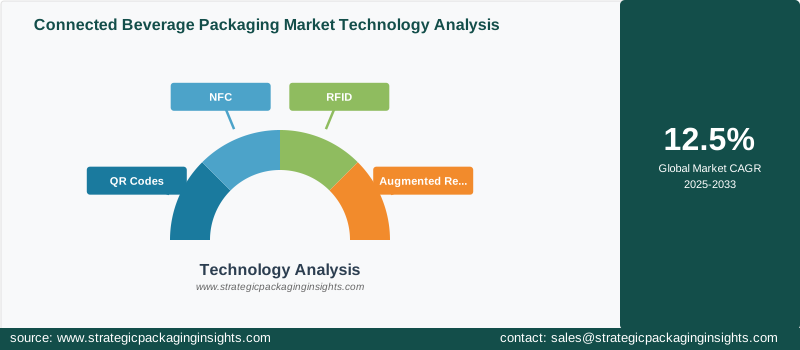
RFID technology is gaining traction in the market due to its ability to enhance supply chain efficiency and provide real-time data on product movement. This technology is particularly beneficial for large beverage companies looking to streamline their operations and improve traceability. Augmented reality is emerging as a major trend in the market, offering brands the opportunity to create immersive experiences that engage consumers and enhance brand loyalty. By integrating AR into packaging, companies can provide consumers with interactive content that goes beyond traditional marketing methods.
Application Analysis
The application segment of the connected beverage packaging market is categorized into alcoholic beverages, non-alcoholic beverages, bottled water, and dairy products. The alcoholic beverages segment is witnessing significant growth due to the increasing demand for premium and craft beverages that offer unique consumer experiences. Connected packaging solutions in this segment are being used to provide consumers with information on product origin, tasting notes, and pairing suggestions, enhancing the overall consumer experience.
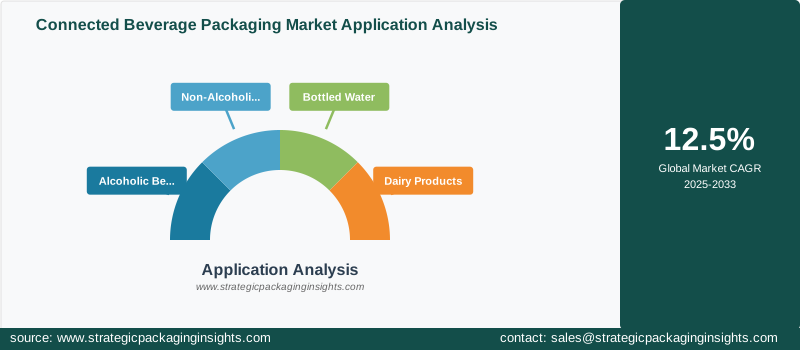
The non-alcoholic beverages segment is also experiencing growth, driven by the rising demand for health and wellness products. Consumers are increasingly seeking packaging solutions that provide information on nutritional content and health benefits. Connected packaging technologies are being used to meet this demand, offering consumers instant access to product information and personalized recommendations. The bottled water segment is benefiting from the growing trend of sustainability, with companies using connected packaging to promote eco-friendly practices and engage consumers in environmental initiatives.
End-User Analysis
The end-user segment of the connected beverage packaging market includes retail, food service, and e-commerce. The retail segment is the largest end-user of connected packaging solutions, driven by the increasing demand for personalized and interactive consumer experiences. Retailers are using connected packaging to enhance customer engagement and provide valuable insights into consumer behavior. The food service segment is also adopting connected packaging solutions to improve customer experiences and streamline operations. By integrating technologies such as NFC and QR codes, food service providers can offer consumers instant access to menu information, nutritional content, and promotional offers.
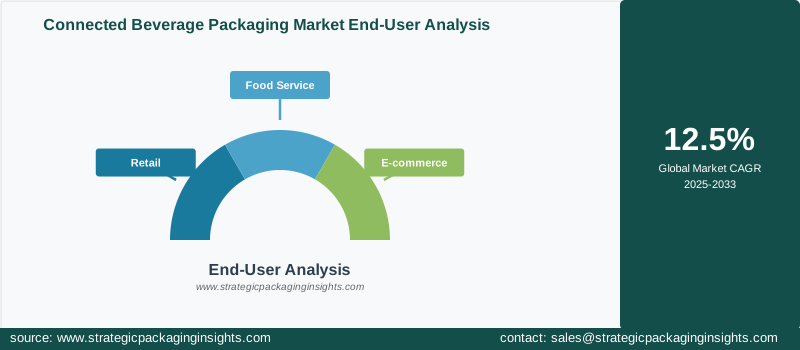
The e-commerce segment is experiencing rapid growth, driven by the increasing popularity of online shopping and the need for traceability in supply chains. Connected packaging solutions are being used to enhance the online shopping experience, providing consumers with real-time information on product availability, delivery status, and personalized recommendations. This segment is expected to continue growing as more consumers turn to online platforms for their beverage purchases.
Region Analysis
The connected beverage packaging market is witnessing significant growth across various regions, with Asia Pacific emerging as a key player. The region's rapid economic growth, increasing consumer demand for innovative packaging solutions, and strong technological infrastructure are driving market expansion. North America remains a dominant market, with a strong focus on innovation and sustainability. The presence of major beverage brands and packaging companies in the region further supports market growth.
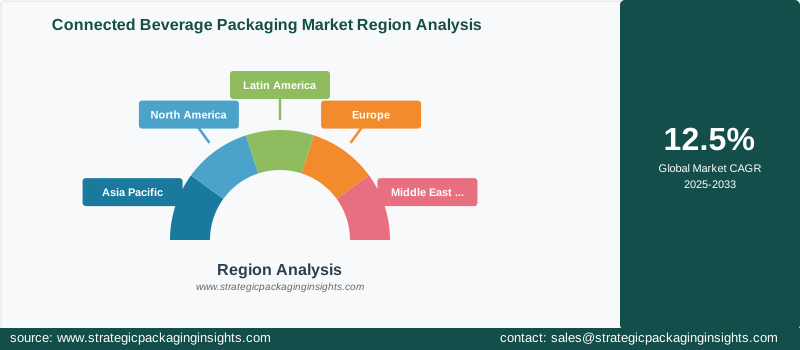
Europe is also a significant market for connected beverage packaging, driven by the region's strong focus on sustainability and innovation. The presence of leading packaging companies and a strong consumer base further support market expansion. Latin America and the Middle East & Africa are emerging markets, with increasing consumer awareness about smart packaging solutions and government initiatives to promote digitalization and sustainability driving market growth.
Connected Beverage Packaging Market Segments
The Connected Beverage Packaging market has been segmented on the basis ofTechnology
- QR Codes
- NFC
- RFID
- Augmented Reality
Application
- Alcoholic Beverages
- Non-Alcoholic Beverages
- Bottled Water
- Dairy Products
End-User
- Retail
- Food Service
- E-commerce
Region
- Asia Pacific
- North America
- Latin America
- Europe
- Middle East & Africa




