


Stretch Film Packaging Market Outlook
The stretch film packaging market was valued at $12.5 billion in 2024 and is projected to reach $20.3 billion by 2033, growing at a CAGR of 5.5% during the forecast period 2025-2033. This market is driven by the increasing demand for efficient packaging solutions that ensure product safety and reduce transportation costs. The rise in e-commerce and logistics sectors has significantly contributed to the growth of the stretch film packaging market. Additionally, the growing awareness regarding the benefits of stretch films, such as their ability to protect goods from dust, moisture, and damage during transit, is further propelling market expansion. The market is also witnessing innovations in biodegradable and recyclable stretch films, aligning with global sustainability trends.
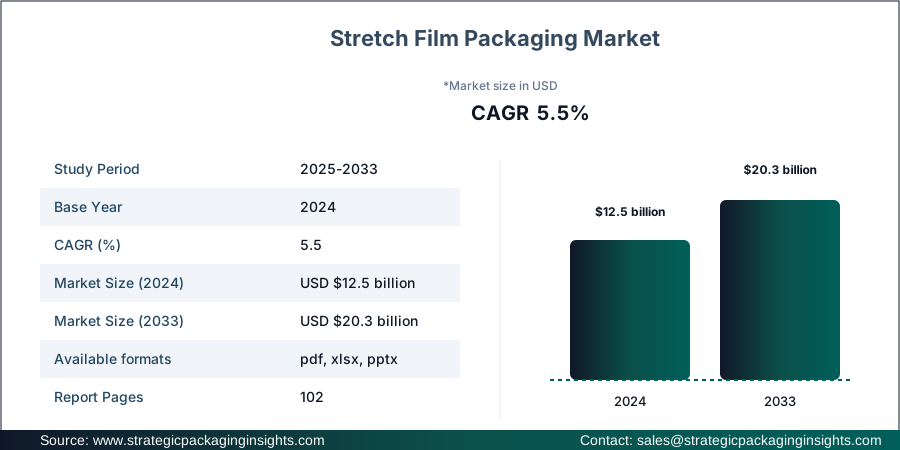
However, the market faces challenges such as fluctuating raw material prices and stringent environmental regulations regarding plastic usage. Despite these restraints, the stretch film packaging market holds significant growth potential due to advancements in material science and the development of high-performance films that offer superior strength and elasticity. The increasing adoption of automated packaging solutions in various industries is also expected to create lucrative opportunities for market players. As companies focus on reducing their carbon footprint, the demand for eco-friendly stretch films is anticipated to rise, further driving market growth.
Report Scope
| Attributes | Details |
| Report Title | Stretch Film Packaging Market Size, Future Growth and Forecast 2033 |
| Material Type | Polyethylene, Polyvinyl Chloride, Polypropylene, Others |
| Application | Food & Beverage, Pharmaceuticals, Consumer Goods, Industrial Packaging, Others |
| End-User | Retail, Logistics, Manufacturing, Others |
| Region | Asia Pacific, North America, Latin America, Europe, Middle East & Africa |
| Base Year | 2024 |
| Historic Period | 2017-2023 |
| Forecast Period | 2025-2033 |
| Number of Pages | 102 |
| Customization Available | Yes* |
Opportunities & Threats
The stretch film packaging market presents numerous opportunities, particularly in the realm of sustainable packaging solutions. With increasing environmental concerns and regulatory pressures, there is a growing demand for biodegradable and recyclable stretch films. Companies investing in research and development to create eco-friendly alternatives are likely to gain a competitive edge. Additionally, the rise of e-commerce and the need for efficient logistics solutions are driving the demand for stretch films that offer enhanced protection and cost-effectiveness. The integration of smart technologies, such as RFID tags and QR codes, into stretch films is another opportunity, enabling better tracking and inventory management.
Another significant opportunity lies in the expansion of the stretch film packaging market in emerging economies. As these regions experience rapid industrialization and urbanization, the demand for effective packaging solutions is on the rise. Companies that can establish a strong presence in these markets and offer tailored solutions to meet local needs are poised for growth. Furthermore, the increasing focus on reducing food waste through improved packaging solutions presents an opportunity for stretch film manufacturers to innovate and capture a larger market share.
Despite these opportunities, the market faces threats from fluctuating raw material prices, which can impact production costs and profit margins. The reliance on petrochemical-based materials makes the market vulnerable to oil price volatility. Additionally, stringent environmental regulations regarding plastic usage pose a threat to market growth. Companies must navigate these challenges by investing in sustainable practices and diversifying their material sources to mitigate risks. The competitive landscape is also intensifying, with numerous players vying for market share, necessitating continuous innovation and strategic partnerships.
Market Share Analysis
The stretch film packaging market is characterized by a competitive landscape with several key players holding significant market shares. The market is dominated by a mix of global and regional companies, each striving to enhance their product offerings and expand their geographical reach. The competitive dynamics are influenced by factors such as product innovation, pricing strategies, and distribution networks. Companies are increasingly focusing on developing high-performance films that offer superior strength, elasticity, and sustainability to meet evolving consumer demands.
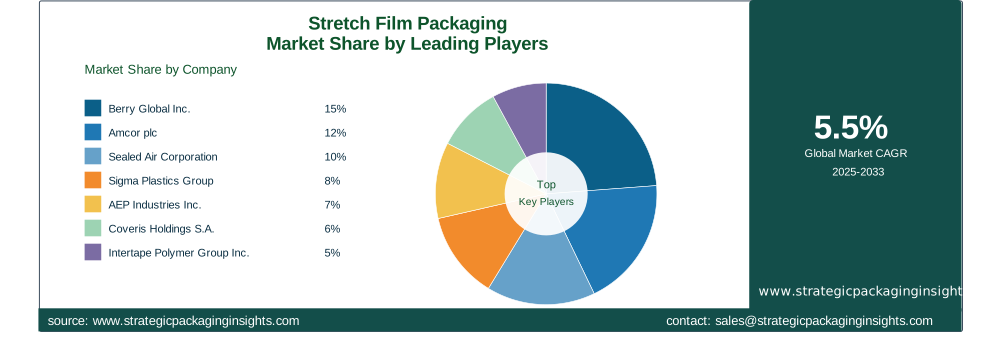
Among the major players, Berry Global Inc. holds a substantial market share, known for its extensive product portfolio and strong distribution network. The company has been at the forefront of innovation, introducing eco-friendly stretch films that cater to the growing demand for sustainable packaging solutions. Similarly, Amcor plc is a key player, leveraging its global presence and technological expertise to offer a wide range of stretch film products. The company's focus on sustainability and customer-centric solutions has helped it maintain a competitive edge.
Sealed Air Corporation is another prominent player, recognized for its innovative packaging solutions and commitment to sustainability. The company's diverse product offerings and strategic acquisitions have strengthened its market position. Sigma Plastics Group, with its extensive manufacturing capabilities and focus on quality, is also a significant player in the stretch film packaging market. The company's emphasis on customer satisfaction and continuous improvement has contributed to its success.
Other notable companies include AEP Industries Inc., known for its high-quality stretch films and strong customer relationships, and Coveris Holdings S.A., which focuses on delivering customized packaging solutions. Intertape Polymer Group Inc. is also a key player, offering a comprehensive range of stretch film products and investing in advanced manufacturing technologies. These companies, along with others such as Paragon Films Inc., Polifilm GmbH, and Scientex Berhad, contribute to the competitive landscape of the stretch film packaging market.
Key Highlights
- The stretch film packaging market is projected to grow at a CAGR of 5.5% from 2025 to 2033.
- Increasing demand for sustainable and eco-friendly packaging solutions is driving market growth.
- Advancements in material science are leading to the development of high-performance stretch films.
- The rise of e-commerce and logistics sectors is boosting the demand for stretch film packaging.
- Fluctuating raw material prices pose a challenge to market growth.
- Emerging economies present significant growth opportunities for market players.
- Integration of smart technologies into stretch films is an emerging trend.
Top Countries Insights
In the stretch film packaging market, the United States stands out with a market size of $3.5 billion and a CAGR of 4%. The country's robust logistics and e-commerce sectors drive demand for efficient packaging solutions. Government initiatives promoting sustainable packaging further bolster market growth. In China, the market is valued at $2.8 billion with a CAGR of 6%, driven by rapid industrialization and urbanization. The country's focus on reducing plastic waste and promoting eco-friendly alternatives is a key growth driver.
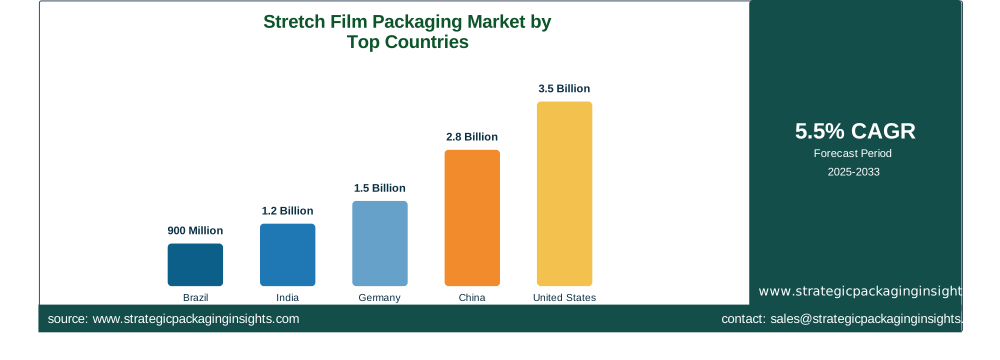
Germany, with a market size of $1.5 billion and a CAGR of 3%, is a significant player in the European stretch film packaging market. The country's strong manufacturing sector and emphasis on sustainability contribute to market expansion. In India, the market is valued at $1.2 billion with a CAGR of 7%, fueled by the growing retail and logistics sectors. The government's push for sustainable packaging solutions and increasing consumer awareness are key growth drivers.
Brazil, with a market size of $900 million and a CAGR of 5%, represents a growing market in Latin America. The country's expanding industrial sector and increasing demand for efficient packaging solutions drive market growth. However, challenges such as economic instability and regulatory hurdles must be navigated by market players.
Evolving Market Dynamics (2018-2024) and Strategic Foresight (2025-2033)
| Metrics | 2018-2024 | 2025-2033 |
|---|---|---|
| CAGR | 4.2% | 5.5% |
| Market Size Evolution | $9.8 billion to $12.5 billion | $12.5 billion to $20.3 billion |
| Segment Distribution Shifts | High demand in logistics | Increased focus on sustainability |
| Regional Contribution Changes | Dominance of North America | Growth in Asia Pacific |
| Technological Impact Factors | Basic stretch films | Smart and eco-friendly films |
| Client Demand Transformations | Cost-effective solutions | Sustainable and innovative solutions |
Stretch Film Packaging Market Segments Insights

Material Type Analysis
The material type segment in the stretch film packaging market is dominated by polyethylene, which is favored for its versatility, strength, and cost-effectiveness. Polyethylene stretch films are widely used across various industries due to their excellent puncture resistance and ability to stretch without tearing. The demand for polyethylene films is further driven by their recyclability and the development of bio-based variants that align with sustainability goals. Polyvinyl chloride (PVC) and polypropylene are other significant materials, each offering unique properties that cater to specific packaging needs. PVC films are known for their clarity and cling properties, making them ideal for food packaging applications. Meanwhile, polypropylene films are gaining traction due to their high tensile strength and resistance to chemicals, making them suitable for industrial applications.
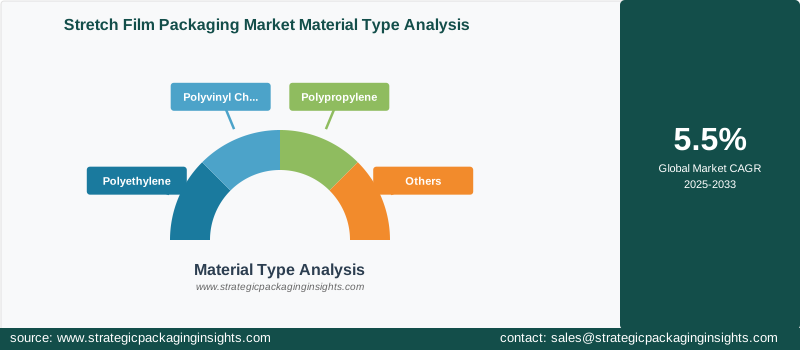
As the market evolves, there is a growing emphasis on developing advanced materials that offer enhanced performance and environmental benefits. Companies are investing in research and development to create films that are not only strong and durable but also biodegradable and recyclable. This trend is expected to drive innovation in the material type segment, with new formulations and composites being introduced to meet the diverse needs of end-users. The shift towards sustainable materials is also influenced by regulatory pressures and consumer demand for eco-friendly packaging solutions, prompting manufacturers to explore alternative materials and production processes.
Application Analysis
The application segment of the stretch film packaging market is diverse, encompassing food and beverage, pharmaceuticals, consumer goods, and industrial packaging. The food and beverage sector is a major contributor to market growth, driven by the need for safe and hygienic packaging solutions that extend shelf life and reduce food waste. Stretch films are widely used in this sector for palletizing and bundling products, ensuring they remain intact during transportation and storage. The pharmaceutical industry also relies heavily on stretch films for secure and tamper-evident packaging, which is crucial for maintaining product integrity and compliance with regulatory standards.
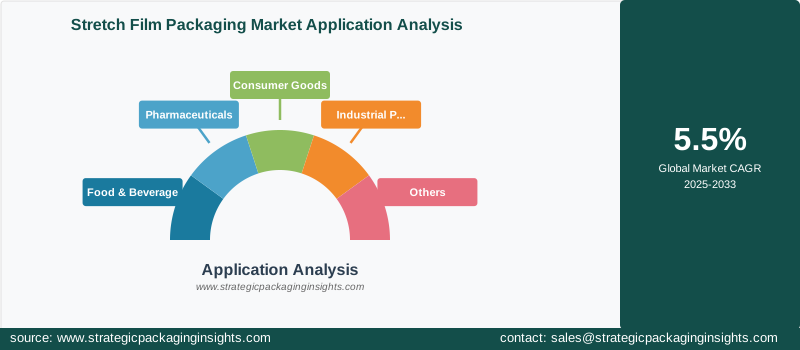
In the consumer goods sector, stretch films are used for packaging a wide range of products, from electronics to household items. The demand for visually appealing and protective packaging solutions is driving innovation in this segment, with companies developing films that offer superior clarity and printability. Industrial packaging is another key application area, where stretch films are used to secure heavy and bulky items for transportation. The need for efficient and cost-effective packaging solutions in this sector is fueling demand for high-performance stretch films that offer enhanced load stability and protection against environmental factors.
End-User Analysis
The end-user segment of the stretch film packaging market includes retail, logistics, manufacturing, and others. The retail sector is a significant end-user, driven by the need for efficient packaging solutions that enhance product visibility and appeal. Stretch films are widely used in retail for bundling and palletizing products, ensuring they are protected during transit and storage. The logistics sector also represents a major end-user, with stretch films playing a crucial role in securing goods for transportation. The rise of e-commerce and the need for efficient supply chain solutions are driving demand for stretch films that offer superior protection and cost-effectiveness.
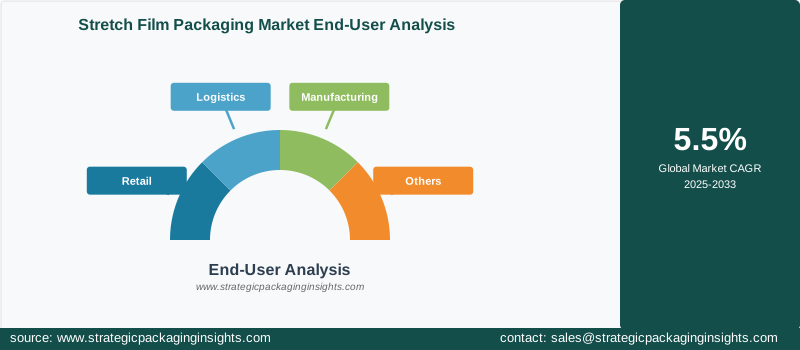
In the manufacturing sector, stretch films are used for packaging a wide range of products, from automotive parts to machinery. The need for durable and reliable packaging solutions in this sector is driving demand for high-performance stretch films that offer enhanced strength and resistance to environmental factors. Other end-users include the agriculture and construction industries, where stretch films are used for packaging and protecting products from damage and contamination. The diverse needs of these end-users are driving innovation in the stretch film packaging market, with companies developing tailored solutions to meet specific requirements.
Region Analysis
The stretch film packaging market is geographically diverse, with significant growth opportunities in regions such as Asia Pacific, North America, Europe, Latin America, and the Middle East & Africa. Asia Pacific is expected to witness the highest growth rate, driven by rapid industrialization, urbanization, and the expansion of the e-commerce sector. The region's focus on sustainability and the development of eco-friendly packaging solutions are also key growth drivers. North America and Europe are mature markets, characterized by high demand for advanced packaging solutions and a strong focus on sustainability. The presence of major market players and technological advancements in these regions further contribute to market growth.
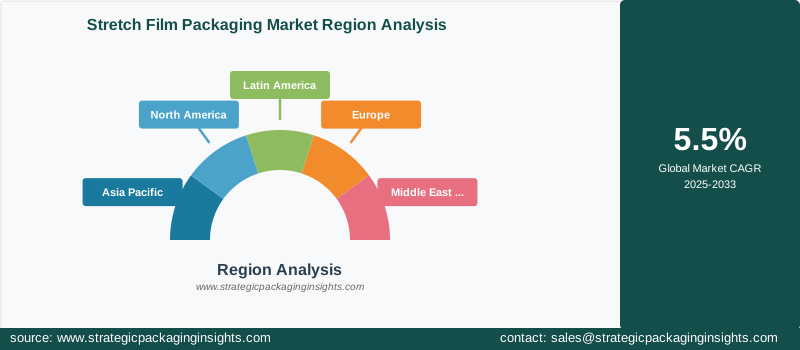
Latin America and the Middle East & Africa are emerging markets, offering significant growth potential due to increasing industrial activities and the rising demand for efficient packaging solutions. The expansion of the retail and logistics sectors in these regions is driving demand for stretch films that offer superior protection and cost-effectiveness. However, challenges such as economic instability and regulatory hurdles must be navigated by market players to capitalize on growth opportunities. Overall, the regional dynamics of the stretch film packaging market are influenced by factors such as economic development, regulatory frameworks, and consumer preferences, shaping the competitive landscape and driving innovation.
Stretch Film Packaging Market Segments
The Stretch Film Packaging market has been segmented on the basis ofMaterial Type
- Polyethylene
- Polyvinyl Chloride
- Polypropylene
- Others
Application
- Food & Beverage
- Pharmaceuticals
- Consumer Goods
- Industrial Packaging
- Others
End-User
- Retail
- Logistics
- Manufacturing
- Others
Region
- Asia Pacific
- North America
- Latin America
- Europe
- Middle East & Africa




