


Ethylene Absorber Packaging Market Outlook
The Ethylene Absorber Packaging market was valued at $1.2 billion in 2024 and is projected to reach $2.5 billion by 2033, growing at a CAGR of 8.5% during the forecast period 2025-2033. This market is driven by the increasing demand for fresh produce and the need to extend the shelf life of perishable goods. Ethylene absorbers are crucial in maintaining the freshness of fruits, vegetables, and flowers by absorbing ethylene gas, which accelerates ripening and spoilage. The growing awareness among consumers regarding food wastage and the benefits of ethylene absorbers is further propelling market growth. Additionally, advancements in packaging technologies and the development of eco-friendly absorber materials are expected to create new opportunities for market players.
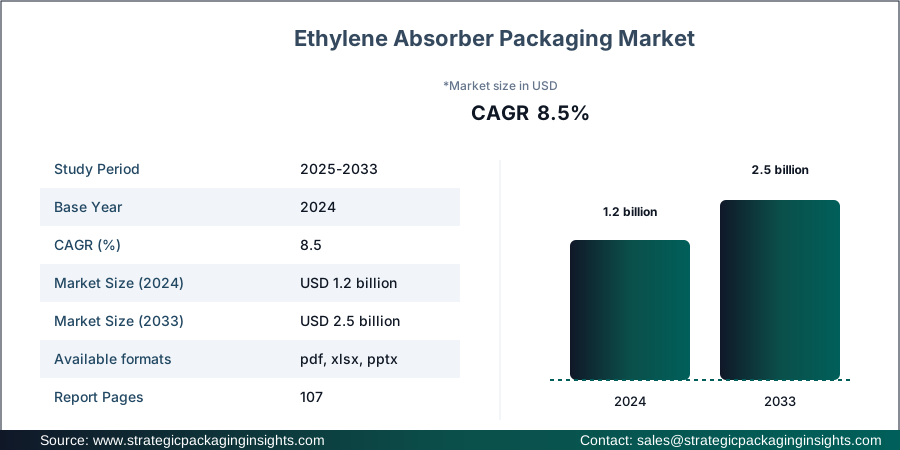
However, the market faces challenges such as the high cost of ethylene absorber packaging solutions and the availability of alternative preservation methods. Regulatory restrictions on the use of certain materials in packaging also pose a threat to market growth. Despite these challenges, the market holds significant growth potential due to the increasing adoption of ethylene absorbers in emerging economies and the expansion of the retail sector. The focus on reducing food wastage and enhancing supply chain efficiency is likely to drive the demand for ethylene absorber packaging in the coming years.
Report Scope
| Attributes | Details |
| Report Title | Ethylene Absorber Packaging Market Size, Future Growth and Forecast 2033 |
| Material | Paper, Plastic, Others |
| Application | Fruits & Vegetables, Flowers, Others |
| End-User | Retail, Food Service, Others |
| Region | North America, Europe, Asia Pacific, Latin America, Middle East & Africa |
| Base Year | 2024 |
| Historic Period | 2017-2023 |
| Forecast Period | 2025-2033 |
| Number of Pages | 107 |
| Customization Available | Yes* |
Opportunities & Threats
The Ethylene Absorber Packaging market presents numerous opportunities, primarily driven by the rising demand for fresh produce across the globe. As consumers become more health-conscious, the preference for fresh fruits and vegetables is increasing, leading to a higher demand for packaging solutions that can extend the shelf life of these products. The expansion of the retail sector, particularly in developing regions, is also creating opportunities for market growth. Retailers are increasingly adopting ethylene absorber packaging to reduce spoilage and enhance the quality of their offerings. Furthermore, the development of biodegradable and sustainable ethylene absorbers is opening new avenues for market players, as environmental concerns continue to influence consumer preferences.
Another significant opportunity lies in the technological advancements in packaging solutions. Innovations such as smart packaging, which can monitor and control the levels of ethylene gas, are gaining traction in the market. These advanced solutions not only help in maintaining the freshness of produce but also provide valuable data to retailers and suppliers, enabling them to optimize their supply chains. The integration of IoT and AI technologies in ethylene absorber packaging is expected to further enhance its efficiency and appeal to tech-savvy consumers. Additionally, the increasing focus on reducing food wastage at the consumer level is likely to drive the adoption of ethylene absorbers in household applications.
Despite the promising opportunities, the market faces certain threats that could hinder its growth. One of the primary challenges is the high cost associated with ethylene absorber packaging solutions, which may limit their adoption, particularly among small-scale retailers and producers. The availability of alternative preservation methods, such as refrigeration and controlled atmosphere storage, also poses a threat to the market. Moreover, stringent regulations regarding the use of certain materials in packaging could impact the production and distribution of ethylene absorbers. To overcome these challenges, market players need to focus on developing cost-effective and compliant solutions that cater to the evolving needs of consumers and retailers.
Market Share Analysis
The competitive landscape of the Ethylene Absorber Packaging market is characterized by the presence of several key players who are actively engaged in product development and innovation to gain a competitive edge. The market is moderately fragmented, with a mix of established companies and emerging players. These companies are focusing on expanding their product portfolios and enhancing their distribution networks to cater to the growing demand for ethylene absorber packaging solutions. Strategic partnerships, mergers, and acquisitions are common strategies adopted by market players to strengthen their market position and expand their geographical presence.
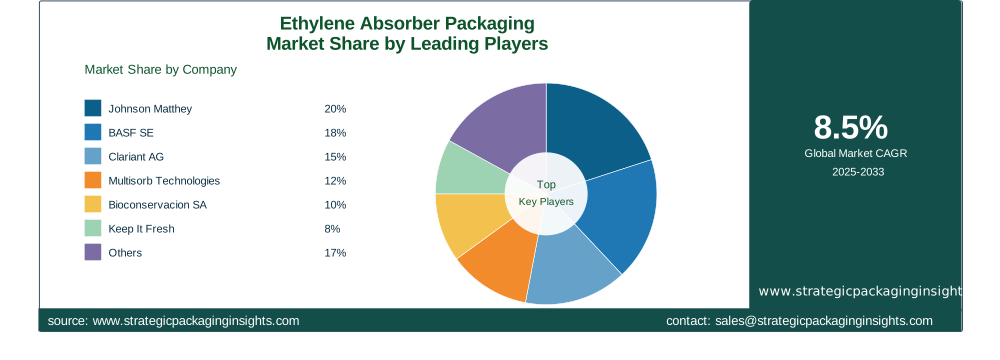
Among the leading companies in the market, Johnson Matthey holds a significant share due to its extensive range of ethylene absorber products and strong distribution network. The company is known for its innovative solutions and commitment to sustainability, which have helped it maintain a competitive edge in the market. Another major player, BASF SE, is recognized for its advanced packaging technologies and focus on research and development. The company's strong global presence and strategic collaborations with key stakeholders have contributed to its market leadership.
Other notable companies in the market include Clariant AG, which is known for its eco-friendly ethylene absorber solutions and emphasis on customer-centric innovations. The company's robust R&D capabilities and strategic partnerships have enabled it to expand its product offerings and cater to diverse customer needs. Multisorb Technologies, a subsidiary of Filtration Group, is also a prominent player in the market, offering a wide range of ethylene absorber products for various applications. The company's focus on quality and customer satisfaction has helped it build a strong reputation in the industry.
In addition to these major players, several emerging companies are making their mark in the market by offering innovative and cost-effective solutions. Companies like Bioconservacion SA and Keep It Fresh are gaining traction due to their focus on sustainability and advanced packaging technologies. These companies are leveraging their expertise in ethylene absorption to develop products that meet the evolving needs of consumers and retailers. As the market continues to grow, competition is expected to intensify, with companies focusing on innovation and strategic collaborations to maintain their market position.
Key Highlights
- The Ethylene Absorber Packaging market is projected to grow at a CAGR of 8.5% from 2025 to 2033.
- Increasing demand for fresh produce and the need to extend shelf life are driving market growth.
- Technological advancements in packaging solutions are creating new opportunities for market players.
- High cost and availability of alternative preservation methods pose challenges to market growth.
- Key players are focusing on product innovation and strategic partnerships to gain a competitive edge.
- The development of biodegradable and sustainable ethylene absorbers is gaining traction.
- Emerging economies present significant growth opportunities for market expansion.
Top Countries Insights
In the Ethylene Absorber Packaging market, the United States holds a significant share, with a market size of $300 million and a CAGR of 7%. The country's strong retail sector and increasing consumer awareness about food wastage are key growth drivers. The presence of major market players and technological advancements in packaging solutions further contribute to the market's growth in the region.
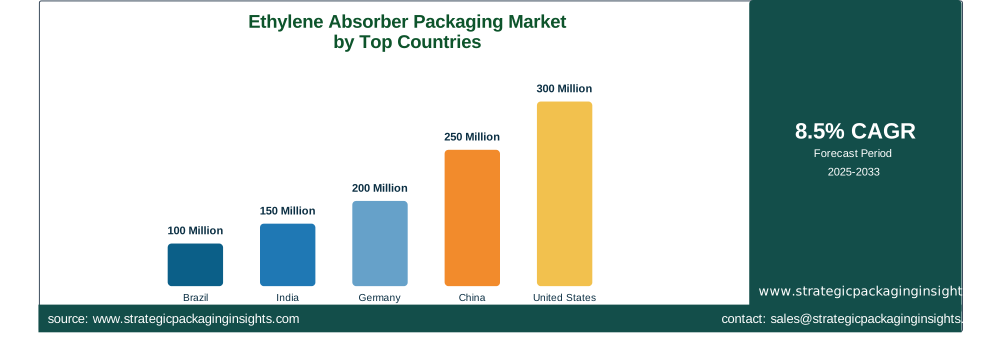
China is another major market for ethylene absorber packaging, with a market size of $250 million and a CAGR of 10%. The country's large population and growing demand for fresh produce are driving the adoption of ethylene absorbers. Government initiatives to reduce food wastage and enhance supply chain efficiency are also supporting market growth.
In Europe, Germany is a leading market, with a market size of $200 million and a CAGR of 6%. The country's strong focus on sustainability and eco-friendly packaging solutions is driving the demand for ethylene absorbers. The presence of key market players and advancements in packaging technologies further contribute to the market's growth.
India is emerging as a significant market for ethylene absorber packaging, with a market size of $150 million and a CAGR of 12%. The country's expanding retail sector and increasing consumer awareness about food preservation are key growth drivers. Government initiatives to promote sustainable packaging solutions are also supporting market growth.
Brazil is another important market, with a market size of $100 million and a CAGR of 8%. The country's growing demand for fresh produce and focus on reducing food wastage are driving the adoption of ethylene absorbers. The presence of key market players and advancements in packaging technologies further contribute to the market's growth.
Evolving Market Dynamics (2018-2024) and Strategic Foresight (2025-2033)
| Metric | 2018-2024 | 2025-2033 |
|---|---|---|
| CAGR | 6.5% | 8.5% |
| Market Size Evolution | $800 million to $1.2 billion | $1.2 billion to $2.5 billion |
| Segment Distribution Shifts | Dominance of plastic-based absorbers | Shift towards biodegradable materials |
| Regional Contribution Changes | North America and Europe leading | Asia Pacific gaining prominence |
| Technological Impact Factors | Basic ethylene absorption technologies | Integration of IoT and AI |
| Client Demand Transformations | Focus on retail applications | Expansion into household applications |
Ethylene Absorber Packaging Market Segments Insights

Material Analysis
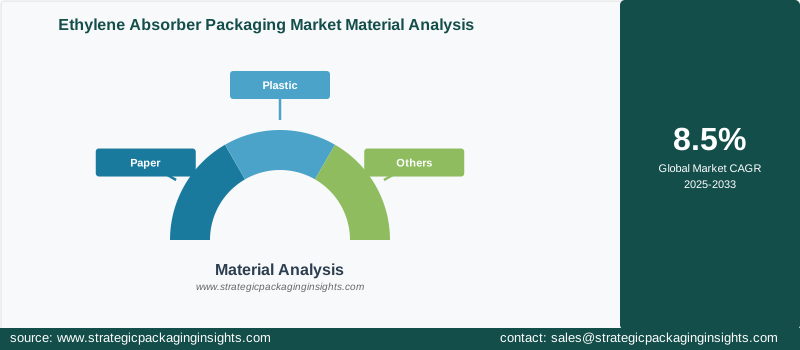
The material segment of the Ethylene Absorber Packaging market is primarily divided into paper, plastic, and others. Plastic-based ethylene absorbers have traditionally dominated the market due to their cost-effectiveness and efficiency in absorbing ethylene gas. However, the growing environmental concerns and regulatory restrictions on plastic usage are driving the shift towards biodegradable and sustainable materials. Paper-based ethylene absorbers are gaining traction as they offer an eco-friendly alternative without compromising on performance. The development of advanced materials that combine the benefits of both paper and plastic is expected to further drive the growth of this segment.
In recent years, there has been a significant focus on developing innovative materials that enhance the efficiency of ethylene absorbers. Companies are investing in research and development to create materials that not only absorb ethylene gas effectively but also offer additional benefits such as antimicrobial properties and moisture control. The integration of nanotechnology in material development is also gaining attention, as it offers the potential to create highly efficient and cost-effective ethylene absorbers. As consumer preferences continue to shift towards sustainable packaging solutions, the demand for eco-friendly materials in ethylene absorber packaging is expected to rise significantly.
Application Analysis
The application segment of the Ethylene Absorber Packaging market is categorized into fruits & vegetables, flowers, and others. The fruits & vegetables segment holds the largest share, driven by the increasing demand for fresh produce and the need to extend its shelf life. Ethylene absorbers play a crucial role in maintaining the freshness of fruits and vegetables by slowing down the ripening process and preventing spoilage. The growing awareness among consumers about the benefits of ethylene absorbers in reducing food wastage is further propelling the growth of this segment.
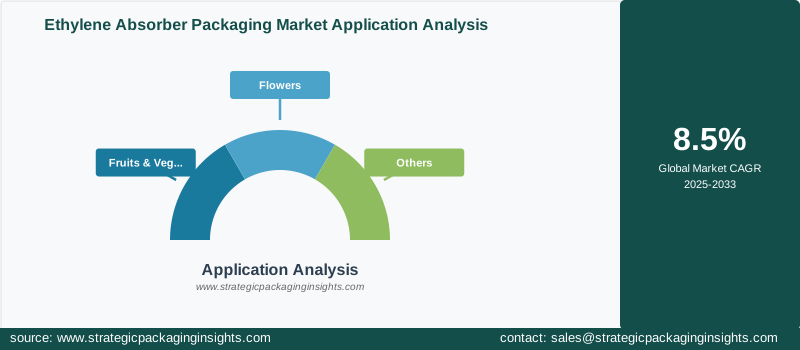
The flowers segment is also witnessing significant growth, as ethylene absorbers help in preserving the freshness and appearance of flowers during transportation and storage. The increasing demand for cut flowers and ornamental plants is driving the adoption of ethylene absorbers in this segment. Additionally, the development of specialized ethylene absorbers for specific applications, such as floral arrangements and bouquets, is expected to create new opportunities for market players. As the market continues to evolve, the application of ethylene absorbers is expected to expand into new areas, such as household and industrial applications.
End-User Analysis
The end-user segment of the Ethylene Absorber Packaging market is divided into retail, food service, and others. The retail segment holds the largest share, driven by the increasing adoption of ethylene absorbers by supermarkets, grocery stores, and other retail outlets. Retailers are increasingly using ethylene absorbers to reduce spoilage and enhance the quality of their offerings, thereby improving customer satisfaction and reducing food wastage. The expansion of the retail sector, particularly in emerging economies, is expected to further drive the growth of this segment.
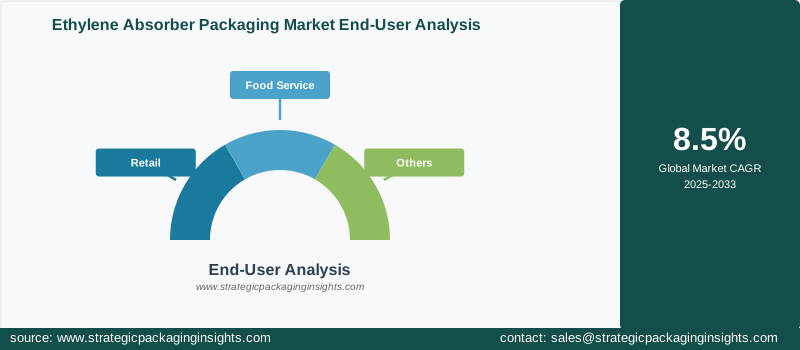
The food service segment is also witnessing significant growth, as restaurants, catering services, and other food service providers are adopting ethylene absorbers to maintain the freshness of their ingredients and reduce food wastage. The increasing focus on food safety and quality is driving the demand for ethylene absorbers in this segment. Additionally, the development of customized ethylene absorber solutions for specific food service applications is expected to create new opportunities for market players. As the market continues to grow, the end-user segment is expected to expand into new areas, such as household and industrial applications.
Region Analysis
The Ethylene Absorber Packaging market is geographically segmented into North America, Europe, Asia Pacific, Latin America, and the Middle East & Africa. North America holds a significant share of the market, driven by the strong retail sector and increasing consumer awareness about food wastage. The presence of major market players and technological advancements in packaging solutions further contribute to the market's growth in the region. Europe is another major market, with a strong focus on sustainability and eco-friendly packaging solutions driving the demand for ethylene absorbers.
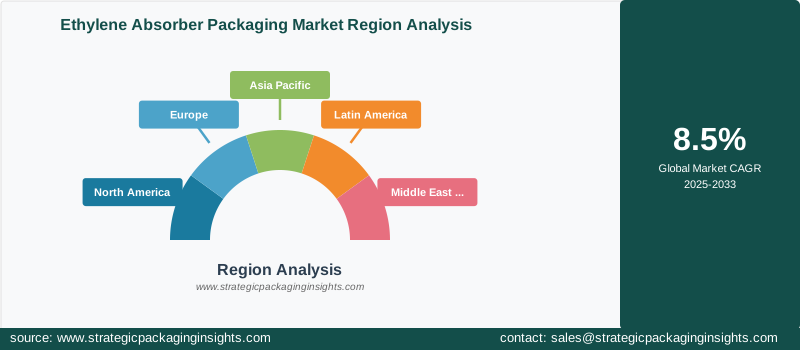
Asia Pacific is expected to witness the highest growth rate during the forecast period, driven by the large population and growing demand for fresh produce. The expansion of the retail sector and increasing consumer awareness about food preservation are key growth drivers in the region. Government initiatives to promote sustainable packaging solutions are also supporting market growth. Latin America and the Middle East & Africa are also expected to witness significant growth, driven by the increasing demand for fresh produce and focus on reducing food wastage.
Ethylene Absorber Packaging Market Segments
The Ethylene Absorber Packaging market has been segmented on the basis ofMaterial
- Paper
- Plastic
- Others
Application
- Fruits & Vegetables
- Flowers
- Others
End-User
- Retail
- Food Service
- Others
Region
- North America
- Europe
- Asia Pacific
- Latin America
- Middle East & Africa




