


Multi Part Label Market Outlook
The Multi Part Label market was valued at $1.2 billion in 2024 and is projected to reach $2.5 billion by 2033, growing at a CAGR of 8.5% during the forecast period 2025-2033. This market is experiencing significant growth due to the increasing demand for efficient labeling solutions across various industries such as food & beverage, pharmaceuticals, and personal care. The need for multi-part labels is driven by their ability to provide detailed product information, enhance brand visibility, and ensure compliance with regulatory standards. As industries continue to expand globally, the demand for innovative and versatile labeling solutions is expected to rise, further propelling the market growth.
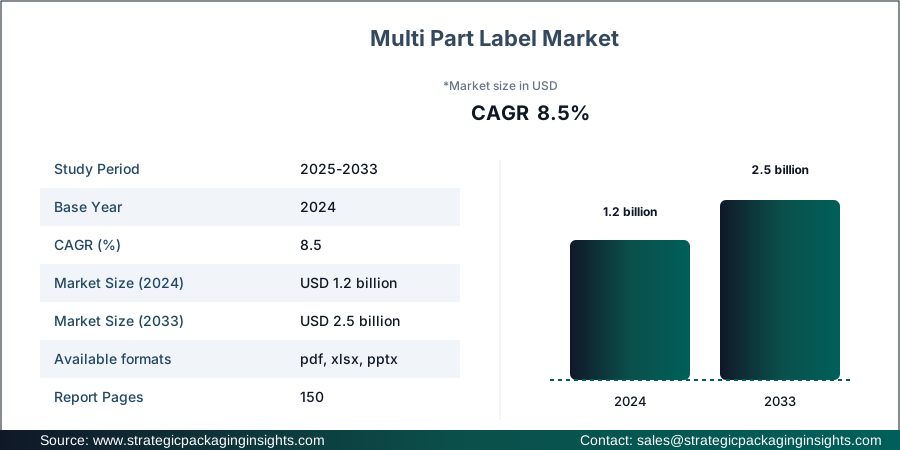
Report Scope
| Attributes | Details |
| Report Title | Multi Part Label Market Size, Future Growth and Forecast 2033 |
| Material | Paper, Plastic, Metal, Others |
| Application | Food & Beverage, Pharmaceuticals, Personal Care, Industrial, Others |
| Printing Technology | Digital, Flexographic, Offset, Others |
| End-User | Manufacturers, Retailers, Distributors, Others |
| Base Year | 2024 |
| Historic Period | 2017-2023 |
| Forecast Period | 2025-2033 |
| Number of Pages | 150 |
| Customization Available | Yes* |
Opportunities & Threats
The Multi Part Label market presents numerous opportunities, particularly in the realm of technological advancements. The integration of smart technologies such as RFID and QR codes into multi-part labels is opening new avenues for interactive and traceable labeling solutions. These technologies not only enhance consumer engagement but also provide manufacturers with valuable data insights, enabling them to optimize supply chain operations and improve product authenticity. Additionally, the growing trend of personalized and customized labeling solutions is creating opportunities for market players to offer tailored products that cater to specific consumer preferences and brand requirements.
Another significant opportunity lies in the increasing demand for sustainable and eco-friendly labeling solutions. As environmental concerns continue to rise, consumers and regulatory bodies are pushing for greener alternatives in packaging and labeling. This shift is encouraging manufacturers to develop multi-part labels using recyclable and biodegradable materials, thereby reducing their environmental footprint. Companies that can innovate and offer sustainable labeling solutions are likely to gain a competitive edge in the market, as they align with the global sustainability goals and consumer expectations.
However, the market also faces certain threats, primarily in the form of stringent regulatory requirements. Compliance with labeling standards and regulations across different regions can be challenging for manufacturers, as it requires continuous updates and adaptations to meet the evolving guidelines. Additionally, the high cost of raw materials and production processes can pose a threat to market growth, as it may lead to increased pricing pressures and reduced profit margins for manufacturers. Companies need to navigate these challenges effectively to sustain their market position and capitalize on growth opportunities.
Drivers & Challenges
The primary driver of the Multi Part Label market is the increasing demand for efficient and informative labeling solutions across various industries. As consumers become more conscious about product information, there is a growing need for labels that provide comprehensive details about the product, including ingredients, usage instructions, and safety warnings. Multi-part labels offer the advantage of accommodating extensive information without compromising on design aesthetics, making them a preferred choice for manufacturers aiming to enhance product transparency and consumer trust.
Another key driver is the rapid growth of the e-commerce sector, which has led to an increased demand for effective labeling solutions to ensure accurate product identification and tracking. Multi-part labels play a crucial role in facilitating seamless logistics and supply chain operations by providing essential information such as barcodes, tracking numbers, and shipping details. As online retail continues to expand, the demand for multi-part labels is expected to rise, further driving market growth.
Despite the positive growth drivers, the Multi Part Label market faces challenges such as the high cost of production and the need for continuous innovation. The production of multi-part labels involves complex processes and advanced technologies, which can lead to increased manufacturing costs. Additionally, the market is highly competitive, with numerous players striving to offer innovative and cost-effective solutions. Companies need to invest in research and development to stay ahead of the competition and address the evolving needs of consumers and industries.
Multi Part Label Strategic Outlook
| Trend | Market Driver | Technological/Material Shift | Business Impact |
|---|---|---|---|
| Sustainability | Eco-friendly materials | Biodegradable labels | Increased market share |
| Smart Tech | Integration of RFID | Interactive labels | Enhanced consumer engagement |
| Consumer Behavior | Demand for transparency | Detailed labeling | Improved brand loyalty |
| Logistics | E-commerce growth | Efficient tracking | Optimized supply chain |
In 2026, the Multi Part Label market is poised for significant growth, driven by the increasing demand for sustainable and technologically advanced labeling solutions. The primary disruptor in this niche is the stringent regulatory landscape, which necessitates continuous innovation and adaptation by market players. To maintain market share by 2033, brands should focus on developing eco-friendly and interactive labeling solutions that cater to the evolving consumer preferences and regulatory requirements. Embracing smart technologies and sustainable materials will be crucial for companies aiming to stay competitive and capitalize on the growth opportunities in this dynamic market.
Market Share Analysis
The competitive landscape of the Multi Part Label market is characterized by the presence of several key players who are actively engaged in product innovation and strategic partnerships to strengthen their market position. The market is highly fragmented, with companies focusing on expanding their product portfolios and enhancing their production capabilities to meet the growing demand for multi-part labels. The increasing emphasis on sustainability and technological advancements is driving companies to invest in research and development to offer innovative and eco-friendly labeling solutions.
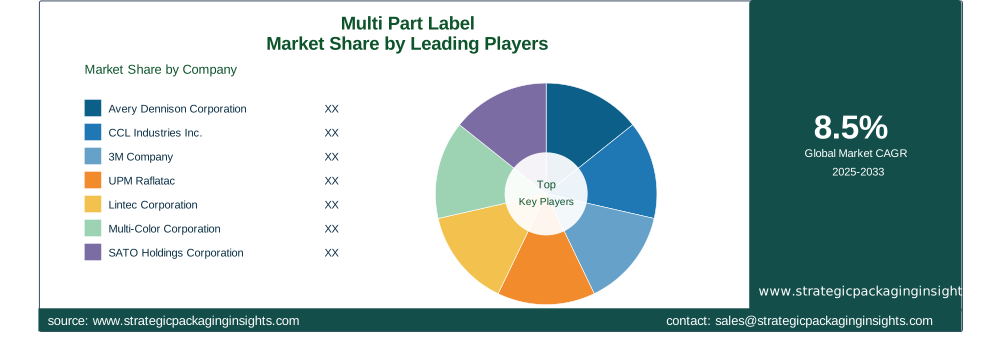
Among the major players in the market, Avery Dennison Corporation holds a significant share due to its extensive product range and strong global presence. The company is known for its innovative labeling solutions that cater to various industries, including food & beverage, pharmaceuticals, and personal care. CCL Industries Inc. is another prominent player, recognized for its advanced labeling technologies and commitment to sustainability. The company's focus on developing eco-friendly labels has positioned it as a leader in the market.
3M Company is also a key player in the Multi Part Label market, offering a wide range of labeling solutions that are designed to enhance product visibility and compliance. The company's strong emphasis on research and development has enabled it to introduce innovative products that meet the evolving needs of consumers and industries. UPM Raflatac is another notable player, known for its sustainable labeling solutions and commitment to reducing environmental impact. The company's focus on using renewable materials and eco-friendly production processes has earned it a strong reputation in the market.
Other significant players in the market include Lintec Corporation, Multi-Color Corporation, and SATO Holdings Corporation, each of which has carved a niche for itself through strategic collaborations and product innovations. These companies are continuously exploring new opportunities to expand their market presence and offer customized labeling solutions that cater to specific industry requirements. The competitive landscape is expected to remain dynamic, with companies striving to differentiate themselves through innovation and sustainability initiatives.
Key Highlights
- The Multi Part Label market is projected to grow at a CAGR of 8.5% from 2025 to 2033.
- Integration of smart technologies such as RFID and QR codes is driving market growth.
- Increasing demand for sustainable and eco-friendly labeling solutions.
- Rapid growth of the e-commerce sector is boosting demand for multi-part labels.
- Stringent regulatory requirements pose challenges for market players.
- Key players are focusing on product innovation and strategic partnerships.
- Technological advancements are enabling the development of interactive labeling solutions.
Top Countries Insights
In the Multi Part Label market, the United States holds a significant share, with a market size of $300 million and a CAGR of 7%. The country's growth is driven by the strong presence of key players and the increasing demand for innovative labeling solutions across various industries. The regulatory landscape in the U.S. also encourages the adoption of sustainable and compliant labeling practices, further boosting market growth.
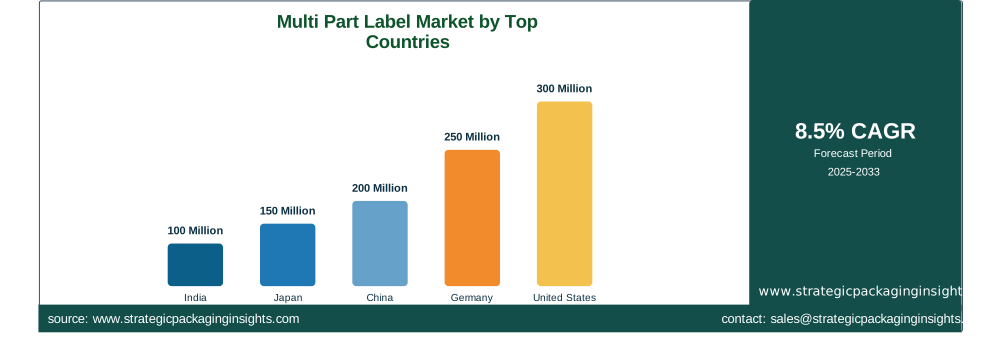
Germany is another key market, with a market size of $250 million and a CAGR of 6%. The country's focus on sustainability and technological advancements is driving the demand for eco-friendly and interactive labeling solutions. The presence of a robust manufacturing sector and stringent regulatory requirements are also contributing to the market's growth in Germany.
China is experiencing rapid growth in the Multi Part Label market, with a market size of $200 million and a CAGR of 10%. The country's expanding e-commerce sector and increasing consumer awareness about product information are driving the demand for multi-part labels. Additionally, government initiatives to promote sustainable packaging solutions are supporting market growth in China.
Japan holds a market size of $150 million and a CAGR of 5%. The country's emphasis on technological innovation and high-quality standards is driving the demand for advanced labeling solutions. The presence of leading market players and a strong focus on research and development are also contributing to the market's growth in Japan.
India is emerging as a key market, with a market size of $100 million and a CAGR of 9%. The country's growing consumer base and increasing demand for packaged goods are driving the need for efficient labeling solutions. Government initiatives to promote sustainable packaging practices are also supporting market growth in India.
Multi Part Label Market Segments Insights

Material Analysis
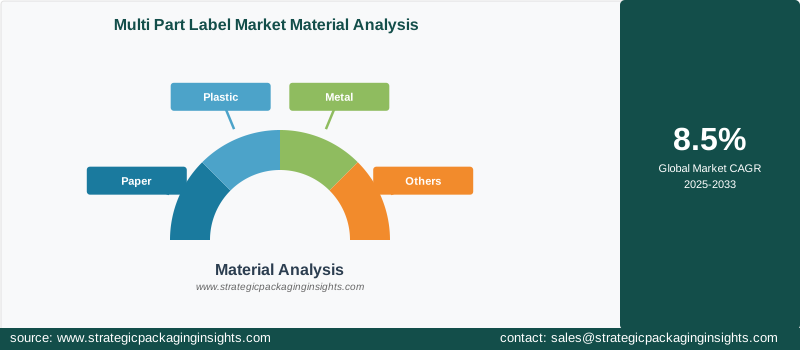
The material segment of the Multi Part Label market is dominated by paper, plastic, metal, and other materials. Paper-based labels are widely used due to their cost-effectiveness and ease of printing, making them a popular choice for various applications. However, the demand for plastic labels is also rising, driven by their durability and resistance to moisture and chemicals. Metal labels, though less common, are preferred for industrial applications where durability and resistance to harsh environments are critical. The market is witnessing a shift towards sustainable materials, with manufacturers exploring biodegradable and recyclable options to meet the growing demand for eco-friendly labeling solutions.
Plastic labels are gaining traction in the market due to their versatility and ability to withstand challenging conditions. They are extensively used in the food & beverage and pharmaceutical industries, where labels need to endure varying temperatures and exposure to moisture. The development of advanced plastic materials that offer enhanced printability and sustainability is further driving the growth of this segment. As environmental concerns continue to rise, manufacturers are focusing on developing plastic labels that are recyclable and have a lower environmental impact.
Application Analysis
The application segment of the Multi Part Label market includes food & beverage, pharmaceuticals, personal care, industrial, and others. The food & beverage industry is the largest consumer of multi-part labels, driven by the need for detailed product information and compliance with regulatory standards. Labels in this industry often include nutritional information, ingredients, and expiration dates, making multi-part labels an ideal choice for accommodating extensive information. The pharmaceutical industry is another significant application area, where labels play a crucial role in ensuring patient safety and compliance with stringent regulations.
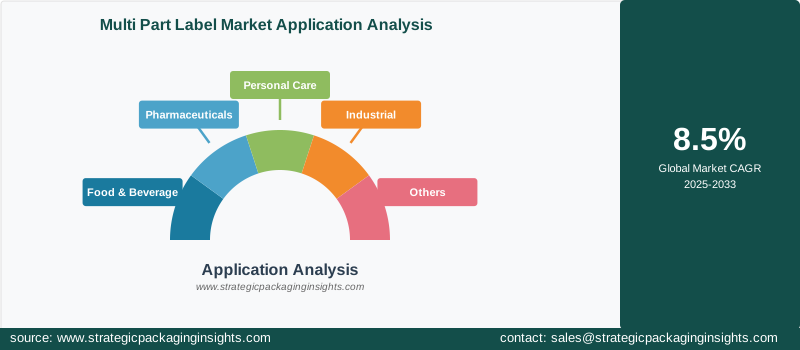
In the personal care industry, multi-part labels are used to provide detailed product information and enhance brand visibility. The demand for aesthetically appealing and informative labels is driving the growth of this segment. The industrial sector also relies on multi-part labels for product identification and compliance with safety standards. As industries continue to expand globally, the demand for versatile and efficient labeling solutions is expected to rise, further propelling the growth of the application segment.
Printing Technology Analysis
The printing technology segment of the Multi Part Label market includes digital, flexographic, offset, and other printing technologies. Digital printing is gaining popularity due to its ability to produce high-quality labels with intricate designs and vibrant colors. This technology offers flexibility and cost-effectiveness, making it a preferred choice for short-run and customized labeling solutions. Flexographic printing, on the other hand, is widely used for large-scale production due to its efficiency and ability to print on a variety of substrates.
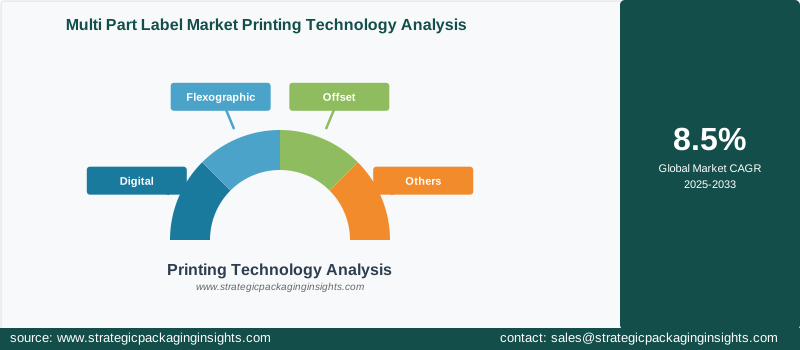
Offset printing is known for its high-quality output and is often used for premium labeling solutions. However, the market is witnessing a shift towards digital printing, driven by the demand for personalized and on-demand labeling solutions. The development of advanced digital printing technologies that offer enhanced print quality and faster turnaround times is further driving the growth of this segment. As consumer preferences continue to evolve, manufacturers are investing in innovative printing technologies to meet the demand for high-quality and customized labels.
End-User Analysis
The end-user segment of the Multi Part Label market includes manufacturers, retailers, distributors, and others. Manufacturers are the largest consumers of multi-part labels, as they require efficient labeling solutions to ensure product identification and compliance with regulatory standards. The demand for multi-part labels in the manufacturing sector is driven by the need for detailed product information and traceability throughout the supply chain.
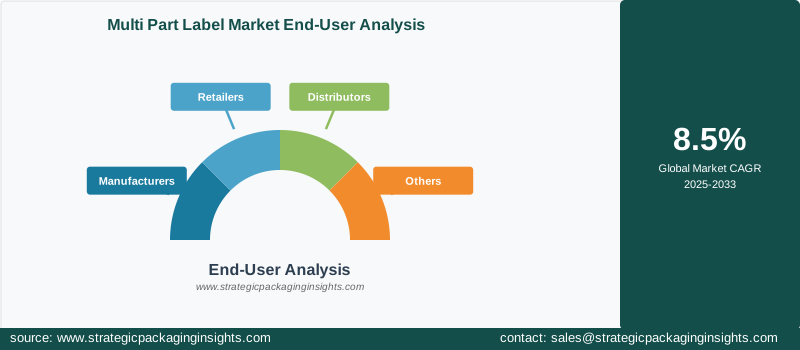
Retailers and distributors also rely on multi-part labels for product identification and inventory management. The growth of the e-commerce sector is further driving the demand for efficient labeling solutions to ensure accurate product tracking and delivery. As the retail landscape continues to evolve, the demand for innovative and versatile labeling solutions is expected to rise, further propelling the growth of the end-user segment.
Multi Part Label Market Segments
The Multi Part Label market has been segmented on the basis ofMaterial
- Paper
- Plastic
- Metal
- Others
Application
- Food & Beverage
- Pharmaceuticals
- Personal Care
- Industrial
- Others
Printing Technology
- Digital
- Flexographic
- Offset
- Others
End-User
- Manufacturers
- Retailers
- Distributors
- Others




