


IV Bag Market Outlook
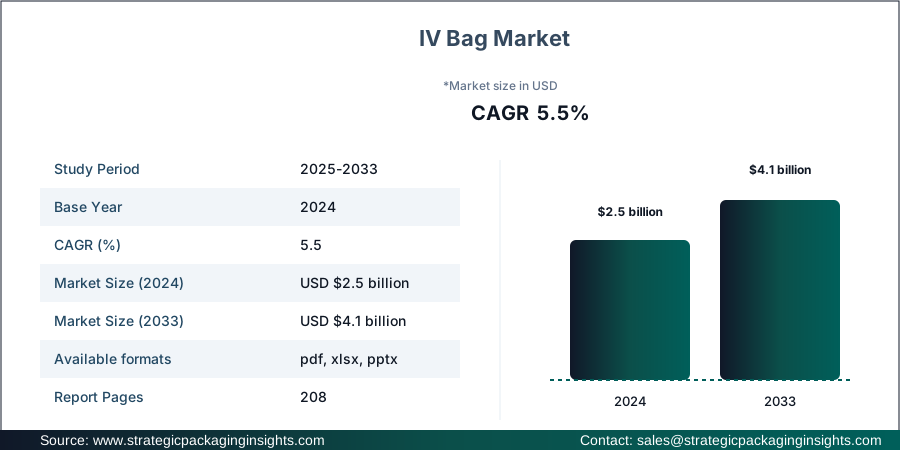
The IV Bag market was valued at $2.5 billion in 2024 and is projected to reach $4.1 billion by 2033, growing at a CAGR of 5.5% during the forecast period 2025-2033. This growth is driven by the increasing prevalence of chronic diseases, rising geriatric population, and the expanding healthcare infrastructure across emerging economies. The demand for IV bags is further bolstered by advancements in medical technology and the growing trend of home healthcare services. As healthcare providers seek more efficient and safer ways to administer fluids and medications, the IV bag market is poised for significant expansion. Additionally, the shift towards non-PVC materials due to environmental concerns and regulatory pressures is expected to create new opportunities for market players.
Report Scope
| Attributes | Details |
| Report Title | IV Bag Market Size, Future Growth and Forecast 2033 |
| Material | PVC, Non-PVC |
| Capacity | 0-250 ml, 250-500 ml, 500-1000 ml, Above 1000 ml |
| End-User | Hospitals, Clinics, Home Healthcare, Others |
| Region | North America, Europe, Asia Pacific, Latin America, Middle East & Africa |
| Base Year | 2024 |
| Historic Period | 2017-2023 |
| Forecast Period | 2025-2033 |
| Number of Pages | 208 |
| Customization Available | Yes* |
Opportunities & Threats
One of the primary opportunities in the IV bag market lies in the increasing demand for home healthcare services. As the global population ages, there is a growing need for convenient and effective healthcare solutions that can be administered outside of traditional hospital settings. IV bags are a critical component of home healthcare, allowing patients to receive necessary fluids and medications in the comfort of their own homes. This trend is particularly pronounced in developed countries, where healthcare systems are under pressure to reduce costs and improve patient outcomes. Companies that can offer innovative, user-friendly IV bag solutions for home use are likely to capture a significant share of this growing market segment.
Another opportunity is the rising awareness and adoption of eco-friendly and sustainable medical products. With increasing regulatory scrutiny and consumer demand for environmentally responsible products, there is a significant push towards the development of IV bags made from non-PVC materials. These materials not only reduce the environmental impact but also address health concerns associated with PVC, such as the leaching of harmful chemicals. Manufacturers that invest in research and development to create sustainable IV bag solutions are well-positioned to benefit from this trend and gain a competitive edge in the market.
However, the IV bag market faces certain restrainers, including stringent regulatory requirements and the high cost of raw materials. Regulatory bodies across the globe have implemented strict guidelines to ensure the safety and efficacy of medical products, including IV bags. Compliance with these regulations can be challenging and costly for manufacturers, particularly those operating in multiple regions with varying standards. Additionally, fluctuations in the prices of raw materials, such as plastics and polymers, can impact production costs and profit margins. Companies must navigate these challenges carefully to maintain their market position and profitability.
Drivers & Challenges
The IV bag market is primarily driven by the increasing prevalence of chronic diseases such as diabetes, cancer, and cardiovascular conditions. These diseases often require long-term treatment and management, which includes the administration of fluids and medications via IV bags. As the global burden of chronic diseases continues to rise, so does the demand for IV bags. Furthermore, the growing geriatric population, which is more susceptible to chronic illnesses, is expected to further fuel market growth. Healthcare providers are increasingly relying on IV bags to deliver precise and controlled dosages of medications, enhancing patient care and outcomes.
Technological advancements in the healthcare sector are also a significant driver of the IV bag market. Innovations such as smart IV bags equipped with sensors and connectivity features are gaining traction, offering real-time monitoring and data collection capabilities. These smart solutions enable healthcare professionals to track fluid levels, detect leaks, and ensure accurate medication delivery, thereby improving patient safety and treatment efficacy. As technology continues to evolve, the integration of advanced features into IV bags is expected to drive market growth and open new avenues for product development.
Despite these drivers, the IV bag market faces challenges such as the risk of contamination and the need for stringent quality control measures. IV bags are critical medical devices that must meet high safety and quality standards to prevent infections and ensure patient safety. Manufacturers must implement rigorous quality control processes and adhere to regulatory guidelines to minimize the risk of contamination. Additionally, the market is highly competitive, with numerous players vying for market share. Companies must continuously innovate and differentiate their products to stay ahead in this competitive landscape.
Market Share Analysis
The IV bag market is characterized by a competitive landscape with several key players dominating the industry. These companies are engaged in strategic initiatives such as mergers and acquisitions, partnerships, and product innovations to strengthen their market position. The competitive rivalry is intense, with players focusing on expanding their product portfolios and enhancing their distribution networks to capture a larger share of the market. The presence of both established companies and new entrants adds to the competitive dynamics, driving innovation and growth in the market.
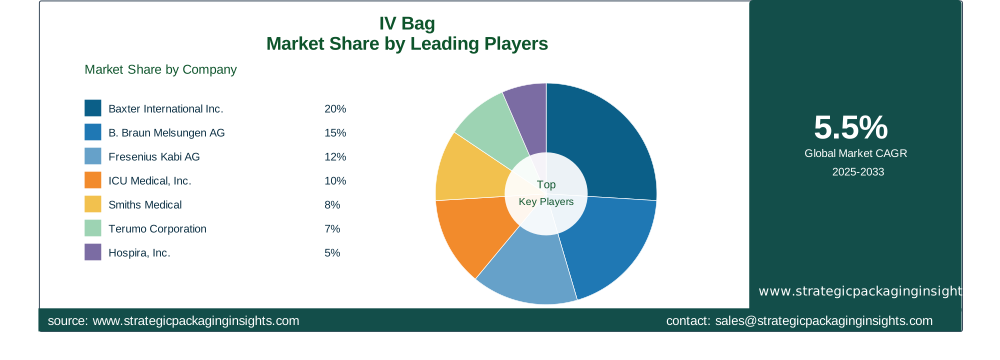
Among the major companies in the IV bag market, Baxter International Inc. holds a significant share due to its extensive product offerings and strong global presence. The company is known for its innovative solutions and commitment to quality, making it a preferred choice among healthcare providers. Similarly, B. Braun Melsungen AG is a key player with a robust portfolio of IV bags and related products. The company's focus on research and development, coupled with its strategic partnerships, has enabled it to maintain a competitive edge in the market.
Fresenius Kabi AG is another prominent player in the IV bag market, known for its comprehensive range of infusion therapy products. The company's emphasis on sustainability and eco-friendly solutions has resonated well with consumers and regulatory bodies alike. Additionally, ICU Medical, Inc. has carved a niche for itself with its innovative IV bag solutions that prioritize patient safety and convenience. The company's strategic acquisitions and collaborations have further bolstered its market position.
Other notable companies in the IV bag market include Smiths Medical, Terumo Corporation, and Hospira, Inc. These companies are actively engaged in expanding their product lines and enhancing their manufacturing capabilities to meet the growing demand for IV bags. Their focus on quality, innovation, and customer satisfaction has enabled them to maintain a strong foothold in the market. As the market continues to evolve, these companies are expected to play a crucial role in shaping the future of the IV bag industry.
Key Highlights
- The IV bag market is projected to grow at a CAGR of 5.5% from 2025 to 2033.
- Increasing prevalence of chronic diseases is a major driver of market growth.
- Rising demand for home healthcare services is creating new opportunities.
- Shift towards non-PVC materials is driven by environmental concerns.
- Technological advancements are leading to the development of smart IV bags.
- Stringent regulatory requirements pose challenges for manufacturers.
- Key players are focusing on product innovation and strategic partnerships.
Top Countries Insights
In the IV bag market, the United States holds a significant share, with a market size of approximately $1.2 billion and a CAGR of 4%. The country's advanced healthcare infrastructure and high prevalence of chronic diseases drive demand. Additionally, favorable reimbursement policies and a strong focus on home healthcare contribute to market growth. However, regulatory challenges and the need for sustainable solutions are key considerations for market players.
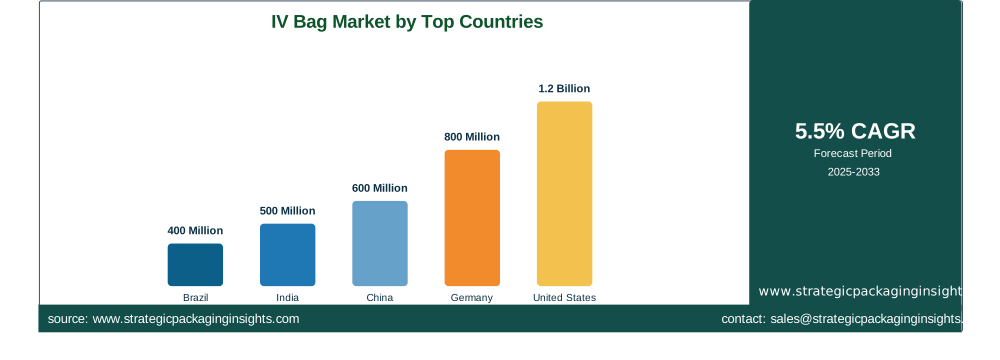
Germany is another prominent market for IV bags, with a market size of $800 million and a CAGR of 5%. The country's robust healthcare system and emphasis on quality and safety standards support market expansion. The shift towards eco-friendly products and the adoption of advanced technologies are key growth drivers. However, the high cost of raw materials and stringent regulations pose challenges for manufacturers.
China's IV bag market is experiencing rapid growth, with a market size of $600 million and a CAGR of 7%. The country's expanding healthcare infrastructure and increasing healthcare expenditure are driving demand. The government's focus on improving healthcare access and quality further supports market growth. However, competition from local manufacturers and regulatory hurdles are challenges that need to be addressed.
India's IV bag market is also on the rise, with a market size of $500 million and a CAGR of 6%. The growing prevalence of chronic diseases and the increasing adoption of home healthcare solutions are key drivers. The government's initiatives to improve healthcare access and affordability are further boosting market growth. However, the lack of standardization and quality control measures are challenges that need to be addressed.
Brazil's IV bag market is expanding, with a market size of $400 million and a CAGR of 5%. The country's growing healthcare sector and increasing demand for advanced medical solutions are driving market growth. The government's focus on improving healthcare infrastructure and access is further supporting market expansion. However, economic instability and regulatory challenges are key considerations for market players.
IV Bag Market Segments Insights

Material Analysis
The IV bag market is segmented by material into PVC and non-PVC categories. PVC IV bags have traditionally dominated the market due to their cost-effectiveness and widespread availability. However, growing environmental concerns and regulatory pressures are driving a shift towards non-PVC materials. Non-PVC IV bags, made from materials such as polypropylene and polyethylene, offer advantages such as reduced environmental impact and improved patient safety. As healthcare providers and consumers become more environmentally conscious, the demand for non-PVC IV bags is expected to rise significantly. Manufacturers are investing in research and development to create innovative non-PVC solutions that meet regulatory standards and consumer preferences.
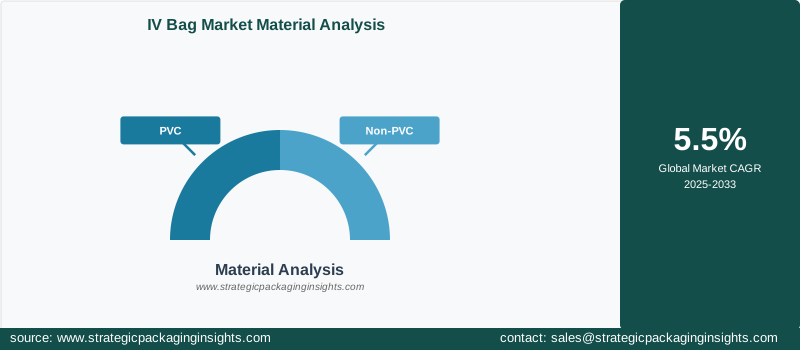
The competition between PVC and non-PVC IV bags is intensifying as companies strive to capture market share. While PVC bags remain popular due to their affordability, non-PVC bags are gaining traction due to their eco-friendly properties. The trend towards sustainable healthcare solutions is expected to drive the growth of the non-PVC segment, with manufacturers focusing on developing cost-effective and high-quality alternatives. As the market evolves, companies that can offer a diverse range of IV bag materials are likely to gain a competitive edge.
Capacity Analysis
The IV bag market is also segmented by capacity, with categories including 0-250 ml, 250-500 ml, 500-1000 ml, and above 1000 ml. The 500-1000 ml segment holds the largest market share, driven by its widespread use in hospitals and clinics for administering fluids and medications. These bags are ideal for a variety of medical applications, including hydration therapy and medication delivery. The demand for larger capacity IV bags is expected to grow as healthcare providers seek efficient solutions for managing patient care.
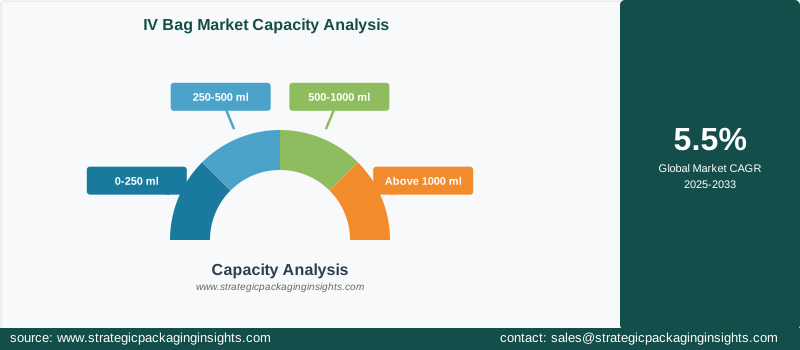
The 0-250 ml and 250-500 ml segments are also experiencing growth, particularly in the home healthcare market. These smaller capacity bags are convenient for patients who require regular medication administration at home. The trend towards home healthcare is driving demand for these segments, with manufacturers focusing on developing user-friendly and portable solutions. As the market continues to expand, companies that can offer a range of IV bag capacities to meet diverse healthcare needs are likely to succeed.
End-User Analysis
The IV bag market is segmented by end-user into hospitals, clinics, home healthcare, and others. Hospitals are the largest end-user segment, accounting for the majority of IV bag consumption. The demand for IV bags in hospitals is driven by the need for efficient and reliable solutions for administering fluids and medications to patients. As hospitals continue to expand their services and improve patient care, the demand for IV bags is expected to grow.
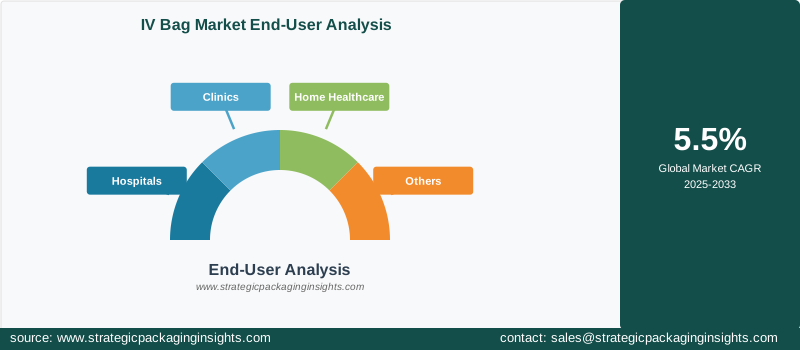
The home healthcare segment is also experiencing significant growth, driven by the increasing trend towards home-based medical care. IV bags are a critical component of home healthcare, allowing patients to receive necessary treatments in the comfort of their own homes. The convenience and cost-effectiveness of home healthcare solutions are driving demand for IV bags in this segment. As the market evolves, companies that can offer innovative and user-friendly IV bag solutions for home use are likely to capture a significant share of this growing market.
Regional Analysis
The IV bag market is segmented by region into North America, Europe, Asia Pacific, Latin America, and the Middle East & Africa. North America holds the largest market share, driven by the region's advanced healthcare infrastructure and high prevalence of chronic diseases. The demand for IV bags in North America is further supported by favorable reimbursement policies and a strong focus on home healthcare.
Europe is another significant market for IV bags, with a strong emphasis on quality and safety standards. The region's robust healthcare system and growing demand for eco-friendly solutions are driving market growth. The Asia Pacific region is experiencing rapid growth, driven by expanding healthcare infrastructure and increasing healthcare expenditure. The region's large population and rising prevalence of chronic diseases are further supporting market expansion.
IV Bag Market Segments
The IV Bag market has been segmented on the basis ofMaterial
- PVC
- Non-PVC
Capacity
- 0-250 ml
- 250-500 ml
- 500-1000 ml
- Above 1000 ml
End-User
- Hospitals
- Clinics
- Home Healthcare
- Others
Region
- North America
- Europe
- Asia Pacific
- Latin America
- Middle East & Africa




