


Bamboo Straw Market Outlook
The bamboo straw market was valued at $1.2 billion in 2024 and is projected to reach $3.5 billion by 2033, growing at a CAGR of 12.5% during the forecast period 2025-2033. This growth is driven by increasing consumer awareness about environmental sustainability and the harmful effects of plastic straws on marine life. The shift towards eco-friendly alternatives in the food and beverage industry is a significant factor propelling the market. Additionally, government regulations banning single-use plastics in several countries are further boosting the demand for bamboo straws. The market is also witnessing innovations in design and functionality, making bamboo straws more appealing to a broader consumer base.
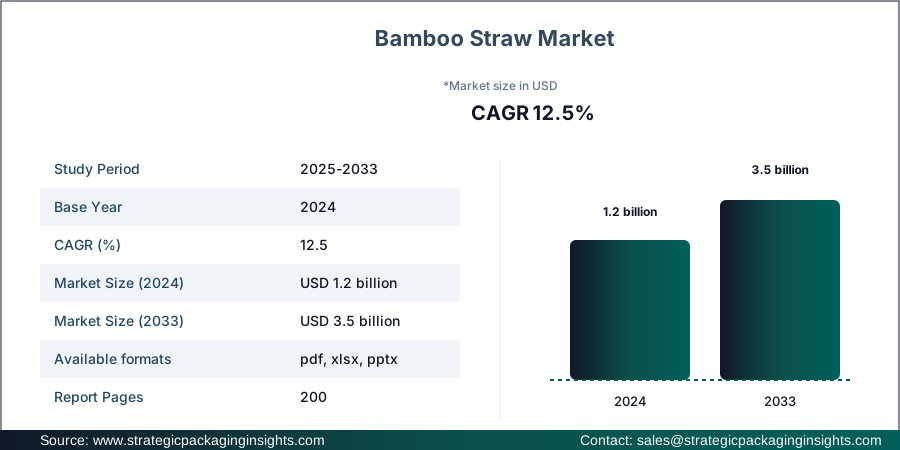
Report Scope
| Attributes | Details |
| Report Title | Bamboo Straw Market Size, Future Growth and Forecast 2033 |
| Material Type | Natural Bamboo, Processed Bamboo |
| Application | Household, Commercial |
| Distribution Channel | Online, Offline |
| End-User | Food & Beverage, Hospitality, Retail, Others |
| Base Year | 2024 |
| Historic Period | 2017-2023 |
| Forecast Period | 2025-2033 |
| Number of Pages | 200 |
| Customization Available | Yes* |
Opportunities & Threats
One of the primary opportunities in the bamboo straw market lies in the growing consumer preference for sustainable and biodegradable products. As awareness about environmental issues increases, consumers are actively seeking alternatives to plastic, which has led to a surge in demand for bamboo straws. This trend is particularly strong in regions with stringent environmental regulations, such as Europe and North America, where consumers are more inclined to purchase eco-friendly products. Additionally, the hospitality and food service industries are increasingly adopting bamboo straws as part of their sustainability initiatives, presenting a lucrative opportunity for market players to expand their customer base.
Another significant opportunity is the potential for product diversification and innovation. Companies can explore the development of bamboo straws with enhanced features, such as collapsible designs for portability or infused with natural flavors to enhance the drinking experience. Furthermore, expanding distribution channels, particularly through online platforms, can help companies reach a wider audience and tap into the growing e-commerce market. Collaborations with environmental organizations and participation in sustainability campaigns can also enhance brand visibility and consumer trust, further driving market growth.
However, the bamboo straw market faces certain threats, primarily from the availability of alternative eco-friendly materials such as stainless steel, glass, and paper. These materials offer similar environmental benefits and are often perceived as more durable or aesthetically pleasing. Additionally, the cost of bamboo straws can be higher compared to plastic or paper alternatives, which may deter price-sensitive consumers. The market also faces challenges related to the supply chain, as the production of bamboo straws requires specific raw materials and manufacturing processes that may be affected by fluctuations in bamboo availability or quality.
Drivers & Challenges
The bamboo straw market is primarily driven by the increasing global focus on reducing plastic waste and promoting sustainable living. Governments worldwide are implementing policies to ban or limit the use of single-use plastics, creating a favorable environment for the adoption of bamboo straws. Additionally, the growing awareness of the environmental impact of plastic pollution is encouraging consumers to switch to eco-friendly alternatives. The hospitality and food service industries are also playing a crucial role in driving demand, as they seek to align with sustainability goals and cater to environmentally conscious customers.
Another key driver is the rising popularity of bamboo as a renewable and biodegradable material. Bamboo is known for its rapid growth and minimal environmental impact, making it an ideal choice for sustainable product manufacturing. The versatility of bamboo allows for the production of straws in various sizes and designs, catering to different consumer preferences and applications. Furthermore, the aesthetic appeal of bamboo straws, with their natural and rustic look, is attracting consumers who value both functionality and style in their eco-friendly products.
Despite the positive drivers, the bamboo straw market faces several challenges. One of the main challenges is the competition from other eco-friendly straw materials, such as stainless steel, glass, and paper, which offer similar benefits and are often perceived as more durable or visually appealing. Additionally, the cost of bamboo straws can be higher than that of plastic or paper alternatives, which may limit their adoption among price-sensitive consumers. The market also faces supply chain challenges, as the production of bamboo straws requires specific raw materials and manufacturing processes that may be affected by fluctuations in bamboo availability or quality.
Bamboo Straw Strategic Outlook
| Trend | Market Driver | Technological/Material Shift | Business Impact |
|---|---|---|---|
| Sustainability | Government Regulations | Biodegradable Materials | Increased Demand |
| Smart Tech | Consumer Preferences | Innovative Designs | Product Differentiation |
| Consumer Behavior | Environmental Awareness | Eco-Friendly Products | Market Expansion |
| Logistics | Supply Chain Optimization | Efficient Distribution | Cost Reduction |
In 2026, the bamboo straw market is poised for significant growth, driven by increasing environmental awareness and regulatory measures against plastic waste. The primary disruptor in this niche is the global push for sustainability, with governments and consumers demanding eco-friendly alternatives. To maintain market share by 2033, brands should focus on product innovation, such as developing bamboo straws with unique features or designs, and expanding their distribution channels to reach a broader audience. Emphasizing the environmental benefits of bamboo straws and aligning with sustainability initiatives will be crucial for brands to stay competitive in this evolving market.
Market Share Analysis
The competitive landscape of the bamboo straw market is characterized by a mix of established players and emerging companies, all vying for a share of the growing demand for eco-friendly products. The market is highly fragmented, with numerous small and medium-sized enterprises (SMEs) contributing to the overall supply. These companies often focus on niche markets or specific regions, leveraging their local expertise and sustainable practices to attract environmentally conscious consumers. The presence of a diverse range of players ensures a competitive environment, driving innovation and product differentiation.
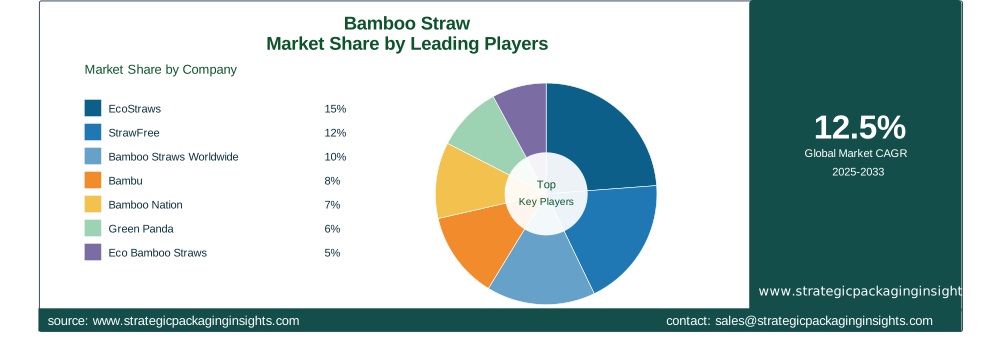
Major companies in the bamboo straw market include EcoStraws, StrawFree, and Bamboo Straws Worldwide, among others. These companies have established themselves as leaders in the industry by offering high-quality, sustainable products and maintaining strong relationships with distributors and retailers. They often invest in research and development to enhance their product offerings and stay ahead of market trends. Additionally, partnerships with environmental organizations and participation in sustainability initiatives help these companies build brand credibility and consumer trust.
EcoStraws, for instance, is known for its commitment to sustainability and innovation. The company offers a wide range of bamboo straws in various sizes and designs, catering to different consumer preferences. With a strong focus on quality and environmental impact, EcoStraws has gained a loyal customer base and expanded its presence in international markets. Similarly, StrawFree has positioned itself as a leader in the eco-friendly straw market by offering durable and aesthetically pleasing bamboo straws. The company's emphasis on ethical sourcing and sustainable manufacturing practices has resonated with consumers seeking environmentally responsible products.
Bamboo Straws Worldwide is another key player, known for its extensive product range and global distribution network. The company collaborates with local artisans and communities to produce high-quality bamboo straws, ensuring fair trade practices and supporting local economies. By leveraging its strong supply chain and commitment to sustainability, Bamboo Straws Worldwide has established a significant presence in the market and continues to expand its reach. These companies, along with others in the industry, are driving the growth of the bamboo straw market by offering innovative, sustainable solutions to meet the rising demand for eco-friendly products.
Key Highlights
- The bamboo straw market is projected to grow at a CAGR of 12.5% from 2025 to 2033.
- Increasing consumer awareness about environmental sustainability is driving demand for bamboo straws.
- Government regulations banning single-use plastics are boosting market growth.
- Product innovation and diversification present significant opportunities for market players.
- The market faces competition from alternative eco-friendly materials such as stainless steel and glass.
- Supply chain challenges related to bamboo availability and quality may impact production.
- Online distribution channels are expanding, offering wider market reach for companies.
Top Countries Insights
In the bamboo straw market, the United States stands out with a market size of $300 million and a CAGR of 10%. The country's growth is driven by increasing consumer awareness and government initiatives to reduce plastic waste. The hospitality industry's shift towards sustainable practices further fuels demand. In China, the market is valued at $250 million with a CAGR of 12%, supported by the country's abundant bamboo resources and government policies promoting eco-friendly products. Germany, with a market size of $200 million and a CAGR of 9%, benefits from stringent environmental regulations and a strong consumer preference for sustainable products.
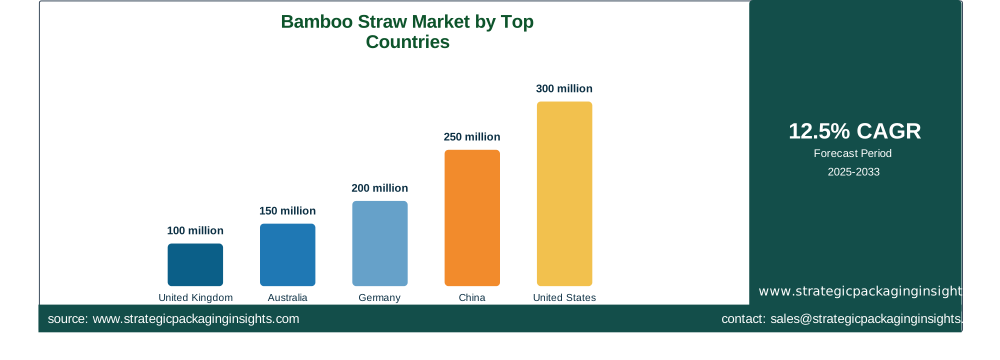
Australia's bamboo straw market, valued at $150 million with a CAGR of 11%, is driven by the country's proactive stance on environmental conservation and consumer demand for eco-friendly alternatives. The United Kingdom, with a market size of $100 million and a CAGR of 8%, sees growth due to increasing awareness of plastic pollution and government efforts to promote sustainable practices. These countries represent key markets for bamboo straws, each with unique growth drivers and challenges that shape their market dynamics.
Bamboo Straw Market Segments Insights

Material Type Analysis
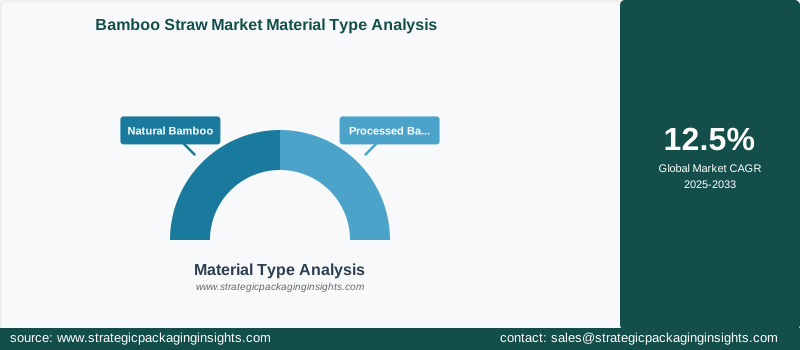
The bamboo straw market is segmented by material type into natural bamboo and processed bamboo. Natural bamboo straws are favored for their organic appeal and minimal processing, aligning with consumer preferences for eco-friendly products. These straws are often handcrafted, adding a unique touch that appeals to environmentally conscious consumers. Processed bamboo straws, on the other hand, undergo additional treatment to enhance durability and usability. This segment is gaining traction as consumers seek long-lasting alternatives to single-use plastics. The competition between these segments is driven by consumer demand for sustainability and functionality, with companies focusing on innovation to differentiate their products.
Application Analysis
In terms of application, the bamboo straw market is divided into household and commercial segments. The household segment is witnessing significant growth as consumers increasingly adopt sustainable practices in their daily lives. Bamboo straws are becoming a staple in eco-friendly households, driven by the desire to reduce plastic waste and promote environmental conservation. The commercial segment, which includes the food and beverage and hospitality industries, is also expanding rapidly. Businesses in these sectors are adopting bamboo straws as part of their sustainability initiatives, catering to the growing demand for eco-friendly alternatives from environmentally conscious consumers.
Distribution Channel Analysis
The distribution channel for bamboo straws is categorized into online and offline channels. Online distribution is gaining prominence due to the convenience and accessibility it offers to consumers. E-commerce platforms provide a wide range of bamboo straw options, allowing consumers to compare products and make informed purchasing decisions. This channel is particularly appealing to younger, tech-savvy consumers who prioritize sustainability. Offline distribution, which includes retail stores and specialty shops, remains important for reaching consumers who prefer to see and feel products before purchasing. Companies are leveraging both channels to maximize their market reach and cater to diverse consumer preferences.
End-User Analysis
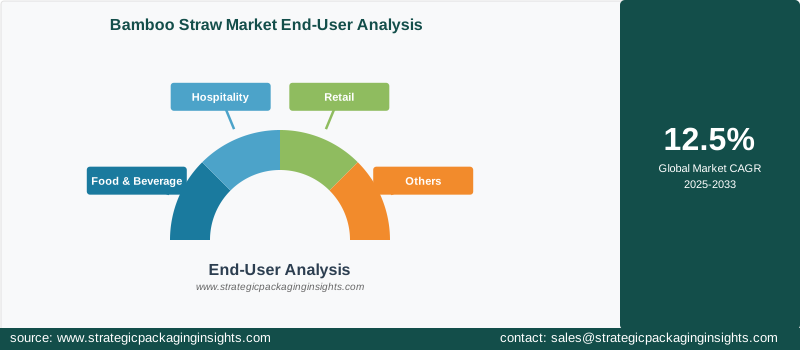
The end-user segment of the bamboo straw market includes food and beverage, hospitality, retail, and others. The food and beverage industry is a major driver of demand, as businesses seek to align with sustainability goals and reduce their environmental footprint. Bamboo straws are increasingly used in cafes, restaurants, and bars, where they serve as a sustainable alternative to plastic straws. The hospitality industry is also adopting bamboo straws as part of their eco-friendly initiatives, enhancing their brand image and appealing to environmentally conscious guests. The retail segment, which includes specialty stores and supermarkets, is expanding as consumers seek sustainable products for personal use.
Bamboo Straw Market Segments
The Bamboo Straw market has been segmented on the basis ofMaterial Type
- Natural Bamboo
- Processed Bamboo
Application
- Household
- Commercial
Distribution Channel
- Online
- Offline
End-User
- Food & Beverage
- Hospitality
- Retail
- Others




