


Pyramid Tea Bag Market Outlook
The Pyramid Tea Bag market was valued at $3.19 billion in 2025 and is projected to reach $7.91 billion by 2034, growing at a CAGR of 10.6% during the forecast period 2026-2034. This growth trajectory is driven by increasing consumer preference for premium tea experiences, which pyramid tea bags offer through their unique design that allows for better infusion and flavor release. The market is also benefiting from the rising trend of health and wellness, as consumers are increasingly opting for high-quality tea products that promise superior taste and health benefits. The convenience of pyramid tea bags, which combine the ease of use of traditional tea bags with the quality of loose leaf tea, is another significant factor contributing to market expansion.
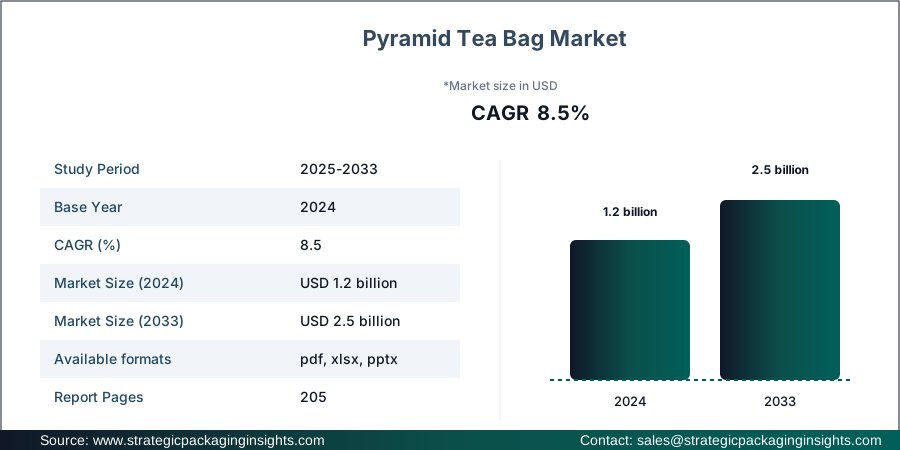
However, the market faces certain restraints, including the higher cost of pyramid tea bags compared to conventional tea bags, which may limit their adoption among price-sensitive consumers. Additionally, regulatory challenges related to packaging materials, especially concerning environmental sustainability, pose potential hurdles. Despite these challenges, the market holds significant growth potential, driven by innovations in biodegradable and eco-friendly packaging solutions that align with global sustainability trends. The increasing penetration of premium tea brands in emerging markets also presents lucrative opportunities for market players.
Report Scope
| Attributes | Details |
| Report Title | Pyramid Tea Bag Market Size, Future Growth and Forecast 2034 |
| Material Type | Nylon Mesh, PLA Mesh, PET Mesh, Nonwoven Fiber |
| Tea Type | Black Tea, Green Tea, Herbal Tea, Premium Blends |
| Packaging Format | String-Tag Bags, Sachet-Packed Bags, Bulk Pyramid Bags |
| End Use | Tea Brands, Hotels, Retail |
| Region | Asia Pacific, North America, Latin America, Europe, Middle East & Africa |
| Base Year | 2025 |
| Historic Period | 2018-2024 |
| Forecast Period | 2026-2034 |
| Number of Pages | 122 |
| Customization Available | Yes* |
Opportunities & Threats
The Pyramid Tea Bag market is ripe with opportunities, particularly in the realm of product innovation and sustainability. As consumers become more environmentally conscious, there is a growing demand for biodegradable and compostable tea bag materials. Companies that invest in developing eco-friendly packaging solutions are likely to gain a competitive edge. Additionally, the premiumization trend in the tea industry offers opportunities for brands to differentiate themselves by offering high-quality, artisanal tea blends in pyramid bags. The expanding middle class in emerging markets, with increasing disposable incomes, also presents a significant opportunity for market growth as these consumers are more willing to spend on premium tea products.
Another opportunity lies in the diversification of tea offerings. With the rising popularity of specialty teas such as herbal and wellness blends, companies can expand their product portfolios to cater to diverse consumer preferences. The growing trend of online retailing also provides an avenue for market expansion, as consumers increasingly prefer the convenience of purchasing tea products online. Collaborations with e-commerce platforms and leveraging digital marketing strategies can help companies reach a broader audience and enhance brand visibility.
Despite these opportunities, the market faces threats from fluctuating raw material prices and supply chain disruptions, which can impact production costs and profit margins. The competitive landscape is also intensifying, with numerous players vying for market share, which could lead to price wars and reduced profitability. Additionally, the increasing scrutiny on packaging waste and environmental impact poses a threat, as companies may face regulatory pressures to adopt sustainable practices, potentially increasing operational costs.
Drivers & Challenges
One of the primary drivers of the Pyramid Tea Bag market is the growing consumer preference for premium and specialty teas. The unique design of pyramid tea bags allows for better infusion and flavor release, enhancing the overall tea-drinking experience. This has led to increased demand for pyramid tea bags, particularly among tea connoisseurs and health-conscious consumers. The convenience factor also plays a significant role, as pyramid tea bags offer the ease of use of traditional tea bags while delivering the quality of loose leaf tea. The rising trend of health and wellness further fuels market growth, as consumers seek high-quality tea products that offer both taste and health benefits.
Another key driver is the increasing focus on sustainability and eco-friendly packaging solutions. As environmental concerns gain prominence, consumers are becoming more conscious of the environmental impact of their purchases. This has led to a growing demand for biodegradable and compostable tea bag materials. Companies that invest in sustainable packaging solutions are likely to gain a competitive advantage and attract environmentally conscious consumers. The expansion of premium tea brands in emerging markets also contributes to market growth, as these regions offer significant opportunities for market penetration and expansion.
However, the market faces challenges such as the higher cost of pyramid tea bags compared to conventional tea bags, which may limit their adoption among price-sensitive consumers. Additionally, regulatory challenges related to packaging materials, especially concerning environmental sustainability, pose potential hurdles. The competitive landscape is also intensifying, with numerous players vying for market share, which could lead to price wars and reduced profitability. Companies need to continuously innovate and differentiate their products to stay ahead in the competitive market.
Market Share Analysis
The Pyramid Tea Bag market is characterized by a competitive landscape with several key players striving to capture market share. Companies such as Ahlstrom, Glatfelter, Fuso International, Teepack, IMA Group, Maisa, Selo, Xiamen Sengong, Grace Food Processing, and Nasa Corporation are prominent players in this market. These companies are focusing on product innovation, strategic partnerships, and expansion into emerging markets to strengthen their market position. The competitive rivalry is intense, with players competing on factors such as product quality, pricing, and sustainability initiatives.
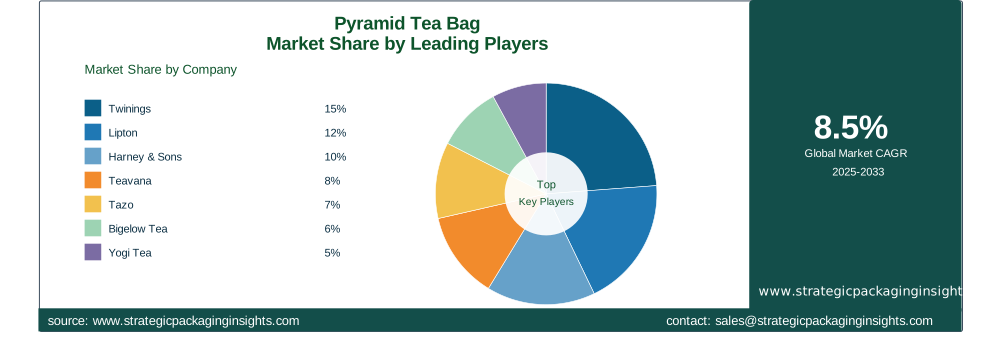
Ahlstrom, a leading player in the market, is known for its innovative and sustainable packaging solutions. The company has a strong focus on research and development, which enables it to offer high-quality and eco-friendly tea bag materials. Glatfelter, another key player, is renowned for its advanced filtration technology and sustainable product offerings. The company has a robust distribution network, which allows it to effectively reach a wide customer base. Fuso International is recognized for its high-performance tea bag machines and packaging solutions, catering to the diverse needs of the tea industry.
Teepack, a subsidiary of the Teekanne Group, is a prominent player in the pyramid tea bag market, offering a range of innovative packaging solutions. The company leverages its expertise in tea packaging to deliver high-quality and efficient products. IMA Group, a global leader in packaging machinery, provides advanced solutions for the tea industry, including pyramid tea bag machines. The company's focus on technological innovation and customer-centric approach has helped it maintain a strong market presence. Maisa, Selo, Xiamen Sengong, Grace Food Processing, and Nasa Corporation are also key players, each contributing to the market with their unique product offerings and strategic initiatives.
Key Highlights
- The Pyramid Tea Bag market is projected to grow at a CAGR of 10.6% from 2026 to 2034.
- Increasing consumer preference for premium tea experiences is driving market growth.
- Eco-friendly and biodegradable packaging solutions are gaining traction.
- Emerging markets offer significant growth opportunities for premium tea brands.
- Online retailing is becoming a crucial channel for market expansion.
- Product innovation and diversification are key strategies for market players.
- Regulatory challenges related to packaging materials pose potential hurdles.
- Intense competition is leading to price wars and reduced profitability.
- Companies are focusing on strategic partnerships and collaborations to enhance market presence.
- Technological advancements in packaging machinery are driving efficiency and quality.
Top Countries Insights
In the Pyramid Tea Bag market, the United States stands out as a key player, with a market size of approximately $1.2 billion and a CAGR of 8%. The country's growth is driven by a strong consumer base that values premium tea experiences and the convenience of pyramid tea bags. The increasing trend of health and wellness also contributes to market growth, as consumers seek high-quality tea products that offer both taste and health benefits. However, the market faces challenges related to regulatory pressures on packaging materials and environmental sustainability.
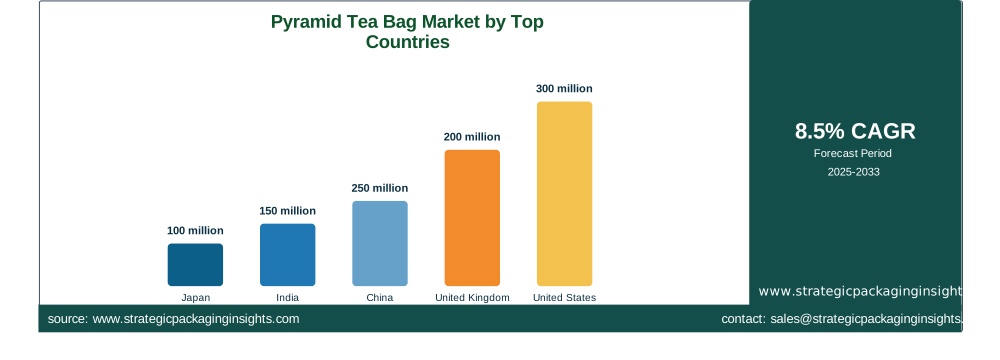
China, with a market size of around $1 billion and a CAGR of 12%, is another significant player in the Pyramid Tea Bag market. The country's growth is fueled by the rising middle class and increasing disposable incomes, which drive demand for premium tea products. The growing popularity of specialty teas, such as herbal and wellness blends, also contributes to market expansion. However, the market faces challenges related to fluctuating raw material prices and supply chain disruptions.
In the United Kingdom, the Pyramid Tea Bag market is valued at approximately $800 million, with a CAGR of 7%. The country's growth is driven by a strong tea culture and increasing consumer preference for premium tea experiences. The market also benefits from the growing trend of online retailing, as consumers increasingly prefer the convenience of purchasing tea products online. However, the market faces challenges related to intense competition and price wars.
India, with a market size of around $600 million and a CAGR of 15%, is experiencing rapid growth in the Pyramid Tea Bag market. The country's growth is driven by the expanding middle class and increasing disposable incomes, which drive demand for premium tea products. The market also benefits from the growing popularity of specialty teas and the increasing trend of health and wellness. However, the market faces challenges related to regulatory pressures on packaging materials and environmental sustainability.
Germany, with a market size of approximately $500 million and a CAGR of 9%, is another key player in the Pyramid Tea Bag market. The country's growth is driven by a strong consumer base that values premium tea experiences and the convenience of pyramid tea bags. The market also benefits from the growing trend of eco-friendly and biodegradable packaging solutions. However, the market faces challenges related to intense competition and price wars.
Pyramid Tea Bag Market Segments Insights

Material Type Analysis
The Pyramid Tea Bag market is segmented by material type into nylon mesh, PLA mesh, PET mesh, and nonwoven fiber. Nylon mesh is a popular choice due to its durability and ability to retain the shape of the pyramid bag, allowing for optimal infusion and flavor release. However, the growing demand for eco-friendly and biodegradable materials is driving the adoption of PLA mesh, which is made from renewable resources and is compostable. PET mesh is also gaining traction due to its strength and clarity, which enhances the visual appeal of the tea bag. Nonwoven fiber is another material type used in pyramid tea bags, offering a cost-effective and lightweight option for manufacturers.

The choice of material type is influenced by factors such as cost, sustainability, and consumer preferences. As environmental concerns gain prominence, companies are increasingly focusing on developing sustainable packaging solutions to meet consumer demand for eco-friendly products. The growing trend of premiumization in the tea industry also drives the demand for high-quality materials that enhance the overall tea-drinking experience. Companies that invest in research and development to innovate and improve material types are likely to gain a competitive edge in the market.
Tea Type Analysis
The Pyramid Tea Bag market is segmented by tea type into black tea, green tea, herbal tea, and premium blends. Black tea remains a popular choice among consumers due to its rich flavor and health benefits, driving demand for pyramid tea bags in this segment. Green tea is also gaining popularity, particularly among health-conscious consumers, due to its antioxidant properties and potential health benefits. Herbal tea, which includes a variety of blends such as chamomile, peppermint, and rooibos, is experiencing growing demand as consumers seek caffeine-free and wellness-focused options.

Premium blends, which offer unique and artisanal tea experiences, are becoming increasingly popular as consumers seek high-quality and specialty tea products. The growing trend of health and wellness, along with the increasing popularity of specialty teas, is driving demand for pyramid tea bags in these segments. Companies that offer a diverse range of tea types and blends are likely to attract a broader consumer base and enhance their market presence. The focus on product innovation and diversification is a key strategy for market players to differentiate themselves and capture market share.
Packaging Format Analysis
The Pyramid Tea Bag market is segmented by packaging format into string-tag bags, sachet-packed bags, and bulk pyramid bags. String-tag bags are a popular choice among consumers due to their convenience and ease of use, making them a preferred option for on-the-go consumption. Sachet-packed bags offer an additional layer of protection and freshness, appealing to consumers who value quality and taste. Bulk pyramid bags are gaining popularity among tea brands and retailers, offering a cost-effective and efficient packaging solution for large quantities of tea.

The choice of packaging format is influenced by factors such as convenience, cost, and consumer preferences. As consumers increasingly seek convenient and high-quality tea products, companies are focusing on developing innovative packaging solutions that enhance the overall tea-drinking experience. The growing trend of premiumization in the tea industry also drives demand for packaging formats that offer a premium and artisanal feel. Companies that invest in research and development to innovate and improve packaging formats are likely to gain a competitive edge in the market.
End Use Analysis
The Pyramid Tea Bag market is segmented by end use into tea brands, hotels, and retail. Tea brands are a major end user of pyramid tea bags, as they seek to offer high-quality and premium tea products to consumers. The growing trend of premiumization in the tea industry is driving demand for pyramid tea bags among tea brands, as they offer a unique and artisanal tea experience. Hotels are also a significant end user, as they seek to offer premium tea experiences to their guests, enhancing their overall hospitality offerings.

Retail is another key end use segment, as consumers increasingly seek convenient and high-quality tea products for home consumption. The growing trend of online retailing is also driving demand for pyramid tea bags in the retail segment, as consumers increasingly prefer the convenience of purchasing tea products online. Companies that focus on developing innovative and high-quality tea products for these end use segments are likely to gain a competitive edge in the market. The focus on product innovation and diversification is a key strategy for market players to differentiate themselves and capture market share.
Pyramid Tea Bag Market Segments
The Pyramid Tea Bag market has been segmented on the basis ofMaterial Type
- Nylon Mesh
- PLA Mesh
- PET Mesh
- Nonwoven Fiber
Tea Type
- Black Tea
- Green Tea
- Herbal Tea
- Premium Blends
Packaging Format
- String-Tag Bags
- Sachet-Packed Bags
- Bulk Pyramid Bags
End Use
- Tea Brands
- Hotels
- Retail
Region
- Asia Pacific
- North America
- Latin America
- Europe
- Middle East & Africa




