


PCR Packaging for Pharma and OTC Market Outlook
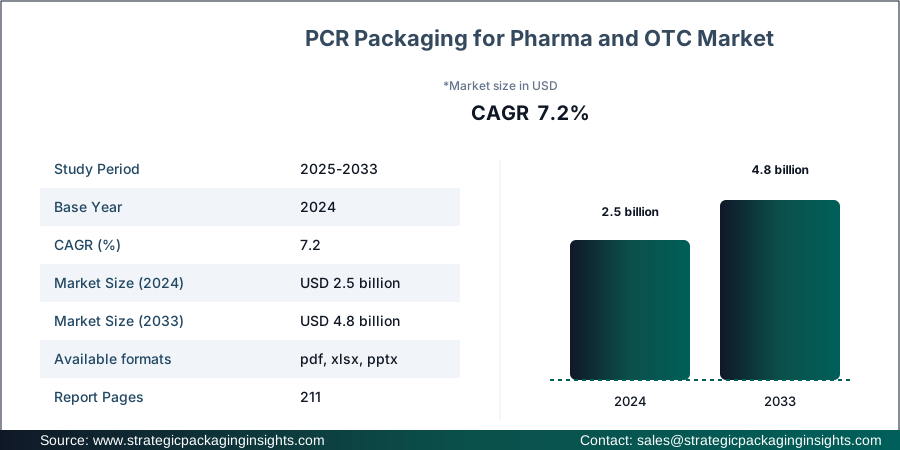
The PCR Packaging for Pharma and OTC market was valued at $2.5 billion in 2024 and is projected to reach $4.8 billion by 2033, growing at a CAGR of 7.2% during the forecast period 2025-2033. This market is witnessing significant growth due to the increasing demand for sustainable packaging solutions in the pharmaceutical and over-the-counter (OTC) sectors. The shift towards post-consumer recycled (PCR) materials is driven by stringent environmental regulations and the growing consumer awareness regarding eco-friendly products. The pharmaceutical industry, in particular, is under pressure to reduce its carbon footprint, and PCR packaging offers a viable solution by utilizing recycled materials, thus reducing the need for virgin resources. Additionally, the rise in chronic diseases and the aging population are contributing to the increased demand for pharmaceuticals, further propelling the market for PCR packaging.
Report Scope
| Attributes | Details |
| Report Title | PCR Packaging for Pharma and OTC Market Size, Future Growth and Forecast 2033 |
| Material Type | Plastic, Glass, Metal |
| Application | Prescription Drugs, Over-the-Counter Drugs |
| End-User | Pharmaceutical Companies, Healthcare Institutions, Retail Pharmacies |
| Region | Asia Pacific, North America, Latin America, Europe, Middle East & Africa |
| Base Year | 2024 |
| Historic Period | 2017-2023 |
| Forecast Period | 2025-2033 |
| Number of Pages | 211 |
| Customization Available | Yes* |
Opportunities & Threats
One of the significant opportunities in the PCR Packaging for Pharma and OTC market is the increasing regulatory support for sustainable packaging solutions. Governments worldwide are implementing policies that encourage the use of recycled materials, which is expected to drive the demand for PCR packaging. For instance, the European Union's Circular Economy Action Plan aims to make all packaging recyclable by 2030, creating a favorable environment for PCR packaging manufacturers. Additionally, the growing consumer preference for eco-friendly products presents a lucrative opportunity for companies to differentiate themselves by offering sustainable packaging solutions. This trend is particularly evident in developed regions where consumers are more environmentally conscious and willing to pay a premium for sustainable products.
Another opportunity lies in the technological advancements in recycling processes, which are enhancing the quality and performance of PCR materials. Innovations in sorting and cleaning technologies are improving the purity of recycled materials, making them more suitable for pharmaceutical applications. This is crucial as the pharmaceutical industry requires high-quality packaging materials to ensure product safety and efficacy. Furthermore, the development of advanced recycling technologies is reducing the cost of PCR materials, making them more competitive with virgin materials. As a result, more pharmaceutical companies are likely to adopt PCR packaging, driving market growth.
However, the market faces challenges such as the limited availability of high-quality PCR materials. The supply of PCR materials is dependent on the collection and recycling infrastructure, which varies significantly across regions. In many developing countries, the recycling infrastructure is underdeveloped, leading to a shortage of high-quality PCR materials. This can hinder the adoption of PCR packaging in these regions. Additionally, the pharmaceutical industry has stringent quality and safety standards, which can be challenging to meet with recycled materials. Ensuring the purity and performance of PCR materials to meet these standards is a significant challenge for manufacturers.
Drivers & Challenges
The primary driver of the PCR Packaging for Pharma and OTC market is the increasing focus on sustainability and environmental responsibility. As consumers become more aware of the environmental impact of packaging waste, there is a growing demand for sustainable packaging solutions. PCR packaging, made from recycled materials, offers a way to reduce the environmental footprint of pharmaceutical products. This is particularly important in the pharmaceutical industry, which is under pressure to reduce its carbon emissions and waste. Additionally, the use of PCR materials can help companies meet regulatory requirements for sustainable packaging, further driving market growth.
Another significant driver is the rising demand for pharmaceuticals due to the increasing prevalence of chronic diseases and the aging population. As the demand for pharmaceuticals grows, so does the need for packaging solutions. PCR packaging offers a sustainable alternative to traditional packaging materials, making it an attractive option for pharmaceutical companies looking to reduce their environmental impact. Furthermore, the cost-effectiveness of PCR materials compared to virgin materials is driving their adoption in the pharmaceutical industry. As recycling technologies improve and the cost of PCR materials decreases, more companies are likely to switch to PCR packaging.
Despite these drivers, the market faces challenges such as the high cost of recycling infrastructure and the need for significant investment in technology and processes to produce high-quality PCR materials. The initial investment required to set up recycling facilities and develop advanced recycling technologies can be a barrier for companies looking to enter the PCR packaging market. Additionally, the pharmaceutical industry has stringent quality and safety standards, which can be challenging to meet with recycled materials. Ensuring the purity and performance of PCR materials to meet these standards is a significant challenge for manufacturers.
Market Share Analysis
The competitive landscape of the PCR Packaging for Pharma and OTC market is characterized by the presence of several key players who are focusing on strategic initiatives such as mergers and acquisitions, partnerships, and product innovations to strengthen their market position. The market is moderately fragmented, with a mix of global and regional players. Companies are investing in research and development to enhance the quality and performance of PCR materials, which is crucial for meeting the stringent quality standards of the pharmaceutical industry. Additionally, players are expanding their production capacities to meet the growing demand for PCR packaging solutions.
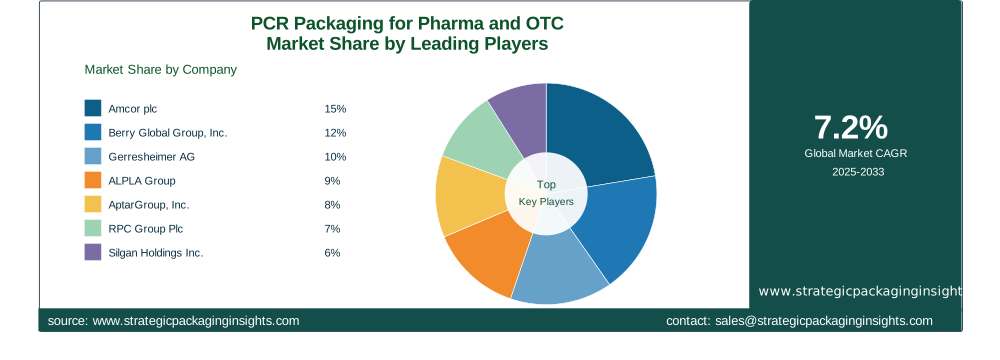
Some of the major companies operating in this market include Amcor plc, Berry Global Group, Inc., Gerresheimer AG, and ALPLA Group. Amcor plc is a leading player in the PCR packaging market, offering a wide range of sustainable packaging solutions for the pharmaceutical industry. The company is focused on innovation and has developed several advanced recycling technologies to improve the quality of PCR materials. Berry Global Group, Inc. is another key player, known for its extensive product portfolio and strong focus on sustainability. The company has made significant investments in recycling infrastructure to increase the supply of high-quality PCR materials.
Gerresheimer AG is a prominent player in the PCR packaging market, offering a range of packaging solutions for the pharmaceutical and healthcare industries. The company is focused on expanding its product offerings and has made several strategic acquisitions to strengthen its market position. ALPLA Group is a leading provider of sustainable packaging solutions, with a strong focus on innovation and sustainability. The company has developed several advanced recycling technologies to improve the quality and performance of PCR materials, making them suitable for pharmaceutical applications.
Other notable players in the market include AptarGroup, Inc., RPC Group Plc, and Silgan Holdings Inc. These companies are focusing on expanding their production capacities and investing in research and development to enhance the quality of PCR materials. The competitive landscape is expected to intensify as more companies enter the market and existing players expand their product offerings. The focus on sustainability and innovation will be key differentiators for companies looking to gain a competitive edge in the PCR Packaging for Pharma and OTC market.
Key Highlights
- The PCR Packaging for Pharma and OTC market is projected to grow at a CAGR of 7.2% from 2025 to 2033.
- Increasing regulatory support for sustainable packaging solutions is driving market growth.
- Technological advancements in recycling processes are enhancing the quality of PCR materials.
- The limited availability of high-quality PCR materials is a significant challenge for the market.
- Major players are focusing on strategic initiatives such as mergers and acquisitions to strengthen their market position.
- The pharmaceutical industry's stringent quality standards pose a challenge for PCR material manufacturers.
- Consumer preference for eco-friendly products presents a lucrative opportunity for market players.
- The market is moderately fragmented, with a mix of global and regional players.
- Companies are investing in research and development to enhance the quality and performance of PCR materials.
- The focus on sustainability and innovation will be key differentiators for companies in the market.
Top Countries Insights
In the PCR Packaging for Pharma and OTC market, the United States holds a significant share, with a market size of $1.2 billion and a CAGR of 6%. The country's strong regulatory framework supporting sustainable packaging solutions and the presence of major pharmaceutical companies drive the market. Additionally, the growing consumer awareness regarding eco-friendly products contributes to the demand for PCR packaging.
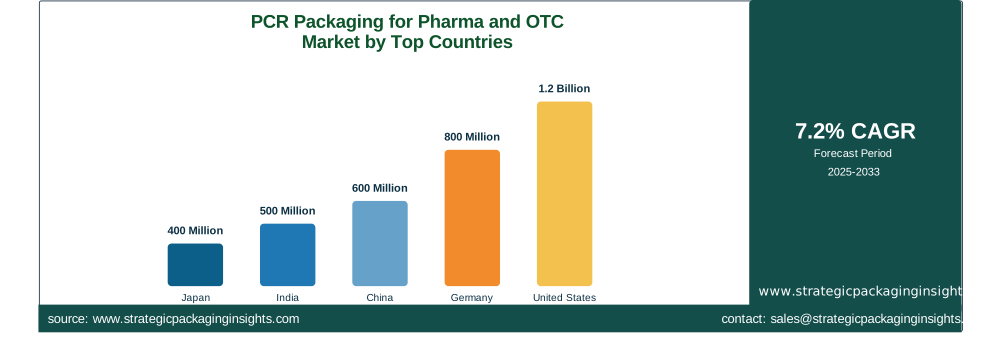
Germany is another key market, with a market size of $800 million and a CAGR of 7%. The country's robust recycling infrastructure and stringent environmental regulations create a favorable environment for PCR packaging manufacturers. The German government's commitment to sustainability and circular economy principles further supports market growth.
China, with a market size of $600 million and a CAGR of 9%, is experiencing rapid growth in the PCR Packaging for Pharma and OTC market. The country's large population and increasing demand for pharmaceuticals drive the market. Additionally, the Chinese government's initiatives to improve recycling infrastructure and promote sustainable packaging solutions contribute to market growth.
India, with a market size of $500 million and a CAGR of 8%, is emerging as a significant market for PCR packaging. The country's growing pharmaceutical industry and increasing focus on sustainability drive the demand for PCR packaging solutions. However, the underdeveloped recycling infrastructure poses a challenge for the market.
In Japan, the market size is $400 million, with a CAGR of 5%. The country's strong focus on sustainability and advanced recycling technologies support the growth of the PCR Packaging for Pharma and OTC market. Additionally, the presence of major pharmaceutical companies and the increasing demand for eco-friendly packaging solutions contribute to market growth.
PCR Packaging for Pharma and OTC Market Segments Insights

Material Type Analysis
The material type segment in the PCR Packaging for Pharma and OTC market is primarily categorized into plastic, glass, and metal. Plastic PCR packaging holds the largest share due to its versatility, lightweight nature, and cost-effectiveness. The demand for plastic PCR packaging is driven by its ability to be molded into various shapes and sizes, making it suitable for a wide range of pharmaceutical applications. Additionally, advancements in recycling technologies have improved the quality of recycled plastic, making it a viable option for pharmaceutical packaging. However, the environmental concerns associated with plastic waste are driving the demand for alternative materials such as glass and metal.
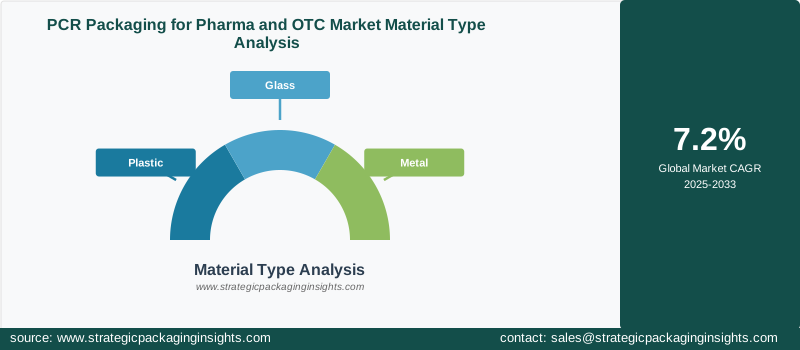
Glass PCR packaging is gaining traction due to its superior barrier properties and recyclability. Glass is an inert material that does not react with the contents, making it ideal for sensitive pharmaceutical products. The demand for glass PCR packaging is driven by the increasing focus on sustainability and the need for high-quality packaging solutions. However, the high cost and fragility of glass compared to plastic are challenges that manufacturers need to address. Metal PCR packaging, although less common, is used for specific applications where durability and protection from external factors are crucial. The demand for metal PCR packaging is driven by its strength and ability to provide a high level of protection for pharmaceutical products.
Application Analysis
The application segment of the PCR Packaging for Pharma and OTC market is divided into prescription drugs and over-the-counter (OTC) drugs. The prescription drugs segment holds a significant share due to the stringent regulatory requirements and the need for high-quality packaging solutions. PCR packaging offers a sustainable alternative to traditional packaging materials, making it an attractive option for pharmaceutical companies looking to reduce their environmental impact. The demand for PCR packaging in the prescription drugs segment is driven by the increasing prevalence of chronic diseases and the growing demand for pharmaceuticals.
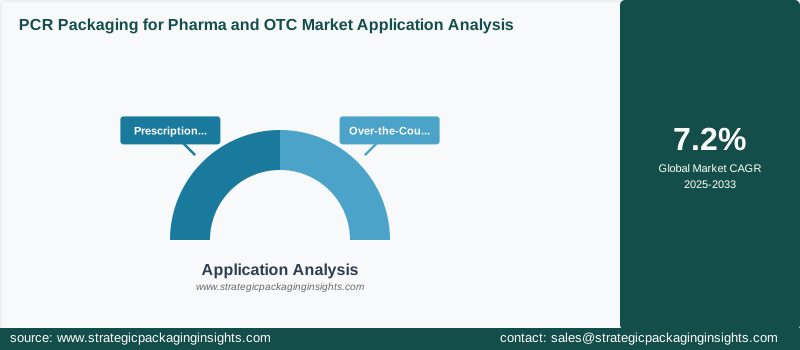
The OTC drugs segment is also witnessing significant growth due to the increasing consumer preference for self-medication and the availability of a wide range of OTC products. PCR packaging offers a cost-effective and sustainable solution for OTC products, making it an attractive option for manufacturers. The demand for PCR packaging in the OTC drugs segment is driven by the growing consumer awareness regarding eco-friendly products and the need for convenient and easy-to-use packaging solutions. Additionally, the increasing focus on sustainability and the need to meet regulatory requirements are driving the adoption of PCR packaging in the OTC drugs segment.
End-User Analysis
The end-user segment of the PCR Packaging for Pharma and OTC market is categorized into pharmaceutical companies, healthcare institutions, and retail pharmacies. Pharmaceutical companies hold the largest share due to their significant demand for packaging solutions. The need to comply with stringent regulatory requirements and the focus on sustainability drive the demand for PCR packaging among pharmaceutical companies. Additionally, the increasing demand for pharmaceuticals and the need to reduce the environmental impact of packaging are driving the adoption of PCR packaging in this segment.
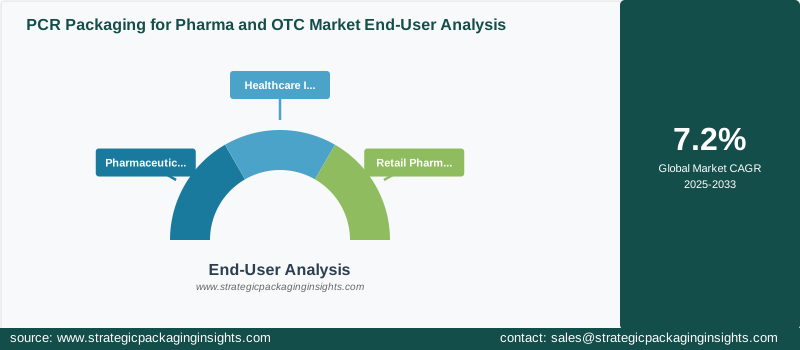
Healthcare institutions, including hospitals and clinics, are also significant end-users of PCR packaging. The demand for PCR packaging in healthcare institutions is driven by the need for safe and sustainable packaging solutions for pharmaceuticals. The focus on reducing waste and improving sustainability in healthcare settings is contributing to the growth of the PCR packaging market in this segment. Retail pharmacies are another key end-user segment, with the demand for PCR packaging driven by the need for convenient and sustainable packaging solutions for OTC products. The growing consumer preference for eco-friendly products and the need to meet regulatory requirements are driving the adoption of PCR packaging in retail pharmacies.
Regional Analysis
The regional analysis of the PCR Packaging for Pharma and OTC market reveals significant growth opportunities across various regions. North America holds a substantial share of the market, driven by the presence of major pharmaceutical companies and the strong regulatory framework supporting sustainable packaging solutions. The demand for PCR packaging in North America is also driven by the growing consumer awareness regarding eco-friendly products and the need to reduce the environmental impact of packaging.
Europe is another key market for PCR packaging, with the region's strong focus on sustainability and circular economy principles driving market growth. The European Union's regulatory support for sustainable packaging solutions and the presence of a robust recycling infrastructure create a favorable environment for PCR packaging manufacturers. The demand for PCR packaging in Europe is also driven by the increasing prevalence of chronic diseases and the growing demand for pharmaceuticals.
Asia Pacific is experiencing rapid growth in the PCR Packaging for Pharma and OTC market, driven by the increasing demand for pharmaceuticals and the growing focus on sustainability. The region's large population and the presence of emerging economies such as China and India contribute to the market's growth. Additionally, government initiatives to improve recycling infrastructure and promote sustainable packaging solutions are supporting market growth in Asia Pacific.
PCR Packaging for Pharma and OTC Market Segments
The PCR Packaging for Pharma and OTC market has been segmented on the basis ofMaterial Type
- Plastic
- Glass
- Metal
Application
- Prescription Drugs
- Over-the-Counter Drugs
End-User
- Pharmaceutical Companies
- Healthcare Institutions
- Retail Pharmacies
Region
- Asia Pacific
- North America
- Latin America
- Europe
- Middle East & Africa




