


Anti-Fogging Masterbatches for Packaging Films Market Outlook
The Anti-Fogging Masterbatches for Packaging Films market was valued at $1.2 billion in 2024 and is projected to reach $2.3 billion by 2033, growing at a CAGR of 7.5% during the forecast period 2025-2033. This market is driven by the increasing demand for clear visibility in packaged products, especially in the food and beverage sector. The growth is further fueled by advancements in packaging technologies and the rising consumer preference for aesthetically appealing packaging solutions. The market is also witnessing a surge in demand due to the growing awareness about food safety and hygiene, which anti-fogging masterbatches help to enhance by preventing moisture accumulation on packaging films.
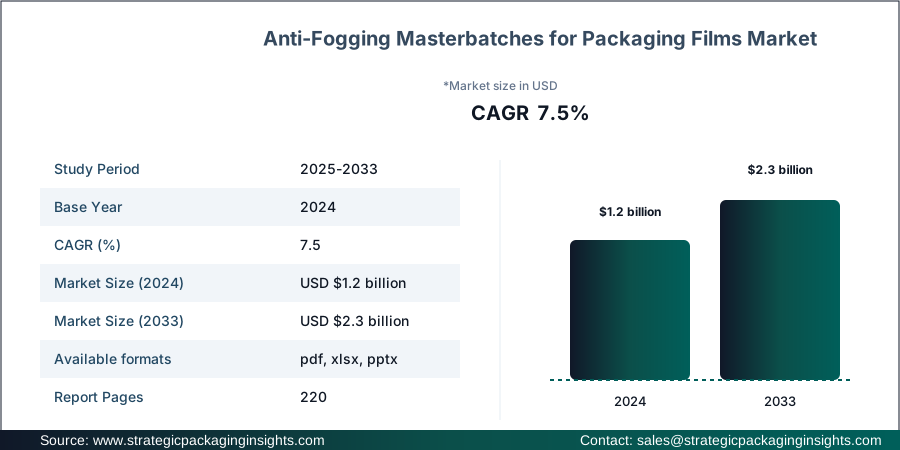
Report Scope
| Attributes | Details |
| Report Title | Anti-Fogging Masterbatches for Packaging Films Market Size, Future Growth and Forecast 2033 |
| Material Type | Polyethylene, Polypropylene, Polyvinyl Chloride, Others |
| Application | Food Packaging, Pharmaceutical Packaging, Industrial Packaging, Others |
| End-User | Food & Beverage, Healthcare, Industrial, Others |
| Region | Asia Pacific, North America, Latin America, Europe, Middle East & Africa |
| Base Year | 2024 |
| Historic Period | 2017-2023 |
| Forecast Period | 2025-2033 |
| Number of Pages | 220 |
| Customization Available | Yes* |
Opportunities & Threats
One of the significant opportunities in the Anti-Fogging Masterbatches for Packaging Films market is the increasing demand for packaged food products. As urbanization continues to rise, more consumers are opting for ready-to-eat meals and packaged food items, which require effective packaging solutions to maintain product quality and extend shelf life. This trend is particularly prominent in emerging economies where the middle class is expanding, and disposable incomes are rising. Additionally, the growing e-commerce sector is driving the need for efficient packaging solutions that can withstand various environmental conditions during transit, further boosting the demand for anti-fogging masterbatches.
Another opportunity lies in the development of eco-friendly and biodegradable anti-fogging masterbatches. With increasing environmental concerns and stringent regulations on plastic usage, there is a growing demand for sustainable packaging solutions. Companies that can innovate and offer biodegradable options without compromising on performance are likely to gain a competitive edge in the market. Furthermore, the integration of smart packaging technologies, such as sensors and indicators, with anti-fogging properties presents a lucrative opportunity for market players to differentiate their offerings and cater to the evolving needs of consumers.
However, the market faces certain restrainers, such as the high cost of raw materials used in the production of anti-fogging masterbatches. The volatility in raw material prices can significantly impact the profit margins of manufacturers, making it challenging for them to offer competitive pricing. Additionally, the presence of alternative packaging solutions, such as anti-fogging coatings, poses a threat to the growth of the masterbatches market. These coatings can be applied directly to packaging films, offering similar benefits at potentially lower costs, thereby affecting the demand for masterbatches.
Drivers & Challenges
The primary driver for the Anti-Fogging Masterbatches for Packaging Films market is the increasing consumer demand for high-quality packaged goods. As consumers become more health-conscious, there is a growing preference for packaging that ensures product freshness and safety. Anti-fogging masterbatches play a crucial role in maintaining the visual appeal of packaged products by preventing fog formation, which can obscure the contents and deter consumers. This demand is particularly strong in the food and beverage industry, where clear visibility of the product is essential for consumer satisfaction and trust.
Technological advancements in packaging materials and processes are also driving the market. Innovations in polymer science have led to the development of more effective and durable anti-fogging masterbatches that can withstand various environmental conditions. These advancements enable manufacturers to offer customized solutions tailored to specific packaging requirements, thereby expanding their customer base. Additionally, the increasing focus on reducing food waste is driving the adoption of anti-fogging masterbatches, as they help extend the shelf life of perishable goods by maintaining optimal packaging conditions.
Despite these drivers, the market faces challenges such as stringent regulatory requirements and environmental concerns. Governments worldwide are implementing regulations to reduce plastic waste and promote sustainable packaging solutions. Compliance with these regulations can be costly and time-consuming for manufacturers, potentially hindering market growth. Moreover, the environmental impact of plastic packaging remains a significant concern, prompting consumers and businesses to seek alternative solutions. This shift in consumer behavior towards eco-friendly packaging options poses a challenge for traditional anti-fogging masterbatch manufacturers, who must adapt to changing market dynamics to remain competitive.
Market Share Analysis
The competitive landscape of the Anti-Fogging Masterbatches for Packaging Films market is characterized by the presence of several key players who are actively engaged in product innovation and strategic collaborations to strengthen their market position. The market is moderately fragmented, with a mix of global and regional players competing for market share. Companies are focusing on expanding their product portfolios and enhancing their distribution networks to cater to the growing demand for anti-fogging solutions across various end-use industries.
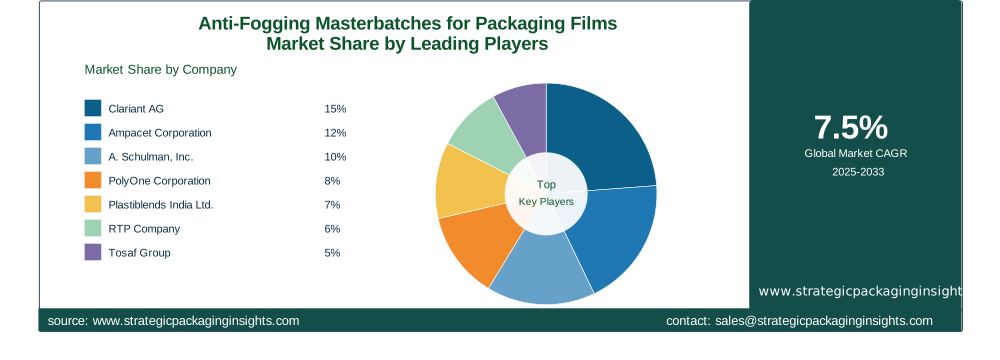
Major players in the market include Clariant AG, Ampacet Corporation, A. Schulman, Inc., PolyOne Corporation, and Plastiblends India Ltd. These companies are investing in research and development to introduce advanced anti-fogging masterbatches that offer superior performance and meet the evolving needs of consumers. Additionally, strategic partnerships and acquisitions are common strategies adopted by these players to expand their market presence and gain a competitive edge.
Clariant AG, a leading player in the market, is known for its innovative solutions and strong focus on sustainability. The company offers a wide range of anti-fogging masterbatches that cater to various packaging applications, including food and beverage, healthcare, and industrial packaging. Ampacet Corporation, another prominent player, is recognized for its extensive product portfolio and global distribution network. The company emphasizes product innovation and customer-centric solutions to maintain its competitive position in the market.
A. Schulman, Inc., now part of LyondellBasell, is a key player in the anti-fogging masterbatches market, offering a diverse range of products that cater to different packaging needs. The company's strong focus on research and development enables it to introduce cutting-edge solutions that address the challenges faced by the packaging industry. PolyOne Corporation, known for its comprehensive range of polymer solutions, is also a significant player in the market, providing high-performance anti-fogging masterbatches that enhance the visual appeal and functionality of packaging films.
Key Highlights
- Increasing demand for clear visibility in packaged products is driving market growth.
- Technological advancements in polymer science are enhancing product performance.
- Eco-friendly and biodegradable options are gaining traction in the market.
- Strategic partnerships and acquisitions are common among key players.
- Regulatory compliance and environmental concerns pose challenges for manufacturers.
- Growing e-commerce sector is boosting demand for efficient packaging solutions.
- Integration of smart packaging technologies presents new opportunities.
Top Countries Insights
In the Anti-Fogging Masterbatches for Packaging Films market, the United States holds a significant share, with a market size of approximately $300 million and a CAGR of 6%. The country's growth is driven by the strong presence of key players and the high demand for packaged food products. The implementation of stringent food safety regulations also contributes to the market's expansion.
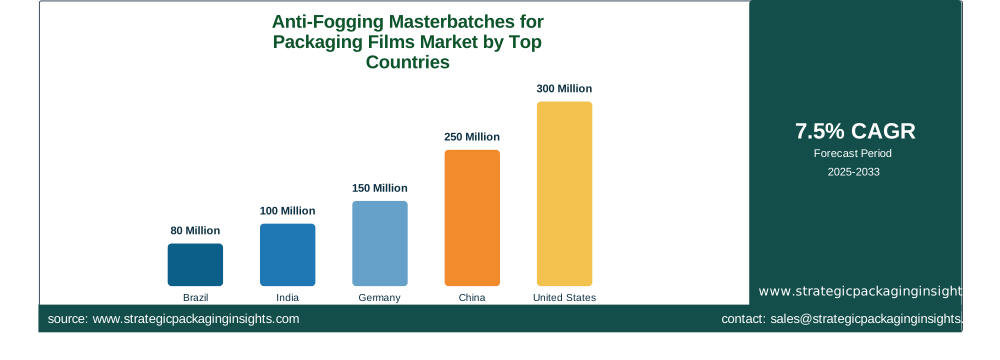
China is another major player in the market, with a market size of around $250 million and a CAGR of 8%. The rapid urbanization and increasing disposable incomes in the country are driving the demand for packaged food and beverages, thereby boosting the market for anti-fogging masterbatches. Additionally, the government's focus on reducing food waste and promoting sustainable packaging solutions supports market growth.
Germany, with a market size of $150 million and a CAGR of 5%, is a key market in Europe. The country's strong emphasis on sustainability and innovation in packaging technologies drives the demand for advanced anti-fogging solutions. The presence of leading packaging companies and a well-established food and beverage industry further contribute to market growth.
India, with a market size of $100 million and a CAGR of 9%, is experiencing rapid growth in the anti-fogging masterbatches market. The expanding middle class and increasing consumer awareness about food safety and hygiene are driving the demand for effective packaging solutions. The government's initiatives to promote the food processing industry also play a crucial role in market expansion.
Brazil, with a market size of $80 million and a CAGR of 7%, is a significant market in Latin America. The country's growing food and beverage industry and increasing consumer preference for packaged products are driving the demand for anti-fogging masterbatches. The focus on improving packaging standards and reducing food waste further supports market growth.
Anti-Fogging Masterbatches for Packaging Films Market Segments Insights

Material Type Analysis
The material type segment of the Anti-Fogging Masterbatches for Packaging Films market includes polyethylene, polypropylene, polyvinyl chloride, and others. Polyethylene is the most widely used material due to its excellent clarity and flexibility, making it ideal for food packaging applications. The demand for polyethylene-based anti-fogging masterbatches is driven by the increasing need for transparent packaging solutions that enhance product visibility and consumer appeal. Polypropylene, known for its high strength and resistance to moisture, is also gaining traction in the market, particularly in industrial packaging applications where durability is a key requirement.
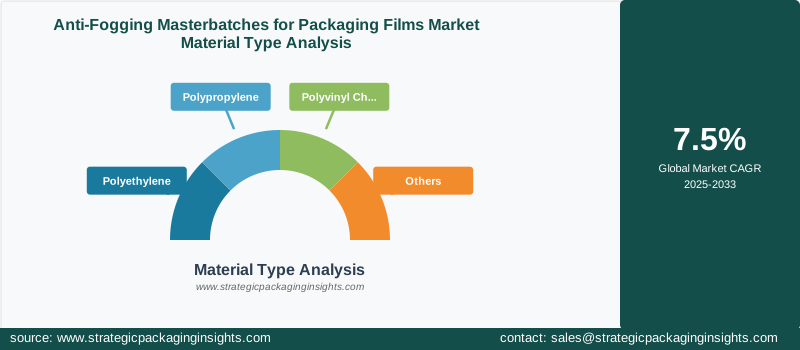
Polyvinyl chloride (PVC) is another significant material in the market, offering excellent barrier properties and versatility. PVC-based anti-fogging masterbatches are commonly used in pharmaceutical packaging, where maintaining product integrity and shelf life is crucial. The demand for PVC is supported by the growing pharmaceutical industry and the increasing focus on ensuring product safety and compliance with regulatory standards. Other materials, such as biodegradable polymers, are also emerging in the market as companies strive to offer sustainable packaging solutions that align with environmental regulations and consumer preferences.
Application Analysis
The application segment of the Anti-Fogging Masterbatches for Packaging Films market is categorized into food packaging, pharmaceutical packaging, industrial packaging, and others. Food packaging is the largest application segment, driven by the increasing demand for packaged food products and the need for effective packaging solutions that maintain product freshness and quality. Anti-fogging masterbatches play a crucial role in preventing moisture accumulation on packaging films, thereby enhancing the visual appeal and shelf life of food products.
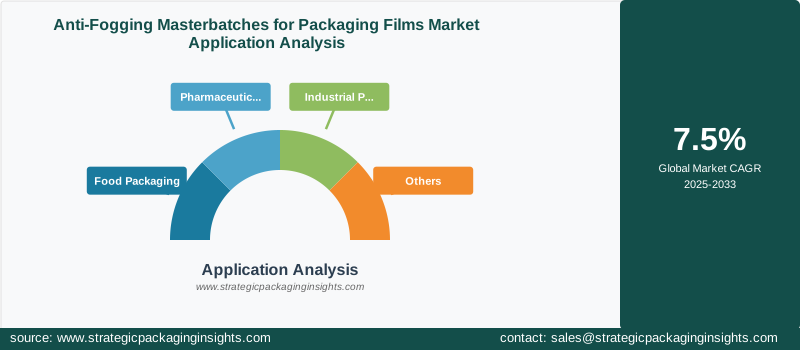
Pharmaceutical packaging is another key application segment, where anti-fogging masterbatches are used to ensure product safety and compliance with stringent regulatory standards. The growing pharmaceutical industry and the increasing focus on patient safety and product integrity are driving the demand for advanced packaging solutions. Industrial packaging, which includes applications such as electronics and automotive components, is also witnessing growth due to the need for durable and moisture-resistant packaging solutions that protect products during storage and transportation.
End-User Analysis
The end-user segment of the Anti-Fogging Masterbatches for Packaging Films market includes food & beverage, healthcare, industrial, and others. The food & beverage industry is the largest end-user segment, driven by the increasing demand for packaged food products and the need for effective packaging solutions that maintain product quality and safety. Anti-fogging masterbatches are widely used in this industry to enhance the visual appeal of packaged products and extend their shelf life.
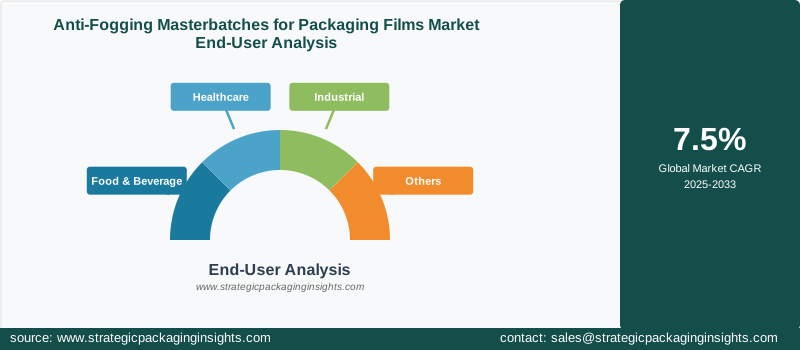
The healthcare industry is another significant end-user segment, where anti-fogging masterbatches are used in pharmaceutical packaging to ensure product safety and compliance with regulatory standards. The growing pharmaceutical industry and the increasing focus on patient safety and product integrity are driving the demand for advanced packaging solutions. The industrial segment, which includes applications such as electronics and automotive components, is also witnessing growth due to the need for durable and moisture-resistant packaging solutions that protect products during storage and transportation.
Anti-Fogging Masterbatches for Packaging Films Market Segments
The Anti-Fogging Masterbatches for Packaging Films market has been segmented on the basis ofMaterial Type
- Polyethylene
- Polypropylene
- Polyvinyl Chloride
- Others
Application
- Food Packaging
- Pharmaceutical Packaging
- Industrial Packaging
- Others
End-User
- Food & Beverage
- Healthcare
- Industrial
- Others
Region
- Asia Pacific
- North America
- Latin America
- Europe
- Middle East & Africa




