


Tarpaulin Sheet Market Outlook
The tarpaulin sheet market was valued at $7.23 billion in 2025 and is projected to reach $10.74 billion by 2034, growing at a CAGR of 4.5% during the forecast period 2026-2034. This market is witnessing significant growth due to the increasing demand for durable and versatile covering solutions across various industries. The construction sector, in particular, is a major driver, as tarpaulin sheets are extensively used for covering building materials and scaffolding. Additionally, the agriculture sector's need for protective coverings to shield crops from adverse weather conditions further fuels market demand. The transport industry also contributes to market growth, utilizing tarpaulin sheets for covering goods during transit to prevent damage from environmental factors.
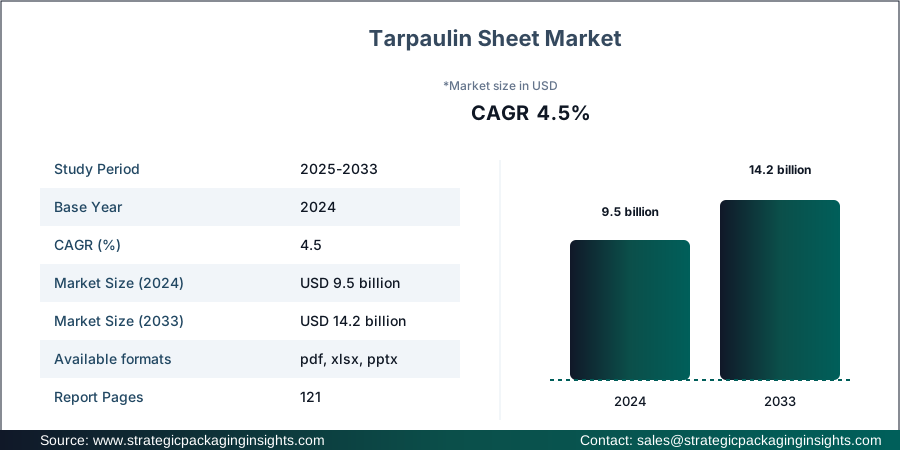
Despite the promising growth trajectory, the tarpaulin sheet market faces certain challenges. Regulatory constraints regarding the environmental impact of plastic-based tarpaulins pose a significant restraint. However, the market holds substantial growth potential with the increasing adoption of eco-friendly materials and innovations in biodegradable tarpaulin sheets. The shift towards sustainable products is expected to open new avenues for market players, encouraging investments in research and development to create environmentally friendly alternatives. Moreover, the rising trend of urbanization and infrastructure development in emerging economies presents lucrative opportunities for market expansion.
Report Scope
| Attributes | Details |
| Report Title | Tarpaulin Sheet Market Size, Future Growth and Forecast 2034 |
| By Material Type | PE tarpaulin, PVC tarpaulin, canvas tarpaulin |
| By Product Type | light-duty, medium-duty, heavy-duty |
| By Application | construction, agriculture, transport, industrial covers |
| By End Use | logistics, farming, building, mining |
| Region | Asia Pacific, North America, Latin America, Europe, Middle East & Africa |
| Base Year | 2025 |
| Historic Period | 2018-2024 |
| Forecast Period | 2026-2034 |
| Number of Pages | 114 |
| Customization Available | Yes* |
Opportunities & Threats
The tarpaulin sheet market presents numerous opportunities, particularly with the growing emphasis on sustainable and eco-friendly products. As environmental concerns rise, there is a significant push towards developing biodegradable and recyclable tarpaulin sheets. This shift not only aligns with global sustainability goals but also caters to the increasing consumer demand for green products. Companies investing in research and development to innovate such products are likely to gain a competitive edge. Additionally, the expansion of the construction and agriculture sectors in developing regions offers substantial growth prospects. As these industries continue to grow, the demand for protective coverings like tarpaulin sheets is expected to rise, providing ample opportunities for market players.
Another opportunity lies in the technological advancements in manufacturing processes. The integration of advanced technologies such as automation and digitalization in production can enhance the quality and durability of tarpaulin sheets. This not only improves product performance but also reduces production costs, thereby increasing profit margins for manufacturers. Furthermore, the increasing use of tarpaulin sheets in new applications, such as temporary shelters and emergency relief operations, presents additional growth avenues. As natural disasters and humanitarian crises become more frequent, the demand for quick and effective shelter solutions is expected to rise, boosting the market for tarpaulin sheets.
However, the market is not without its threats. One of the primary challenges is the fluctuating prices of raw materials, particularly petroleum-based products used in manufacturing tarpaulin sheets. These price fluctuations can significantly impact production costs and profit margins. Additionally, the market faces competition from alternative materials such as canvas and other synthetic fabrics, which may offer similar benefits at competitive prices. The increasing regulatory scrutiny on plastic products also poses a threat, as stricter regulations could limit the use of certain types of tarpaulin sheets, particularly those made from non-biodegradable materials.
Drivers & Challenges
The tarpaulin sheet market is driven by several key factors, with the construction industry's growth being a primary driver. As urbanization accelerates globally, the demand for construction materials and protective coverings like tarpaulin sheets is on the rise. These sheets are essential for protecting construction sites and materials from weather-related damage, making them indispensable in the industry. Additionally, the agriculture sector's expansion, particularly in developing regions, is another significant driver. Farmers increasingly rely on tarpaulin sheets to protect crops and equipment from adverse weather conditions, further boosting market demand.
Another driver is the increasing demand for durable and versatile covering solutions in the transport and logistics sectors. Tarpaulin sheets are widely used to cover goods during transit, protecting them from environmental factors such as rain, dust, and sunlight. This demand is particularly strong in regions with harsh weather conditions, where the need for reliable protective coverings is paramount. Furthermore, the growing trend of outdoor recreational activities and events has led to increased use of tarpaulin sheets for temporary shelters and canopies, adding to market growth.
Despite these drivers, the market faces several challenges. One of the primary challenges is the environmental impact of plastic-based tarpaulin sheets. As environmental concerns grow, there is increasing pressure on manufacturers to develop eco-friendly alternatives. This requires significant investment in research and development, which can be a barrier for smaller companies. Additionally, the market is highly competitive, with numerous players offering similar products. This competition can lead to price wars, impacting profit margins for manufacturers. Moreover, the fluctuating prices of raw materials, particularly petroleum-based products, pose a challenge, as they can significantly affect production costs and pricing strategies.
Market Share Analysis
The tarpaulin sheet market is characterized by a competitive landscape with several key players dominating the market. Companies such as Sioen Industries, Serge Ferrari, and Hiraoka hold significant market shares due to their extensive product portfolios and strong distribution networks. These companies have established themselves as leaders in the market by consistently delivering high-quality products and investing in research and development to innovate new solutions. Their focus on sustainability and eco-friendly products has also contributed to their market leadership, as they cater to the growing demand for green products.
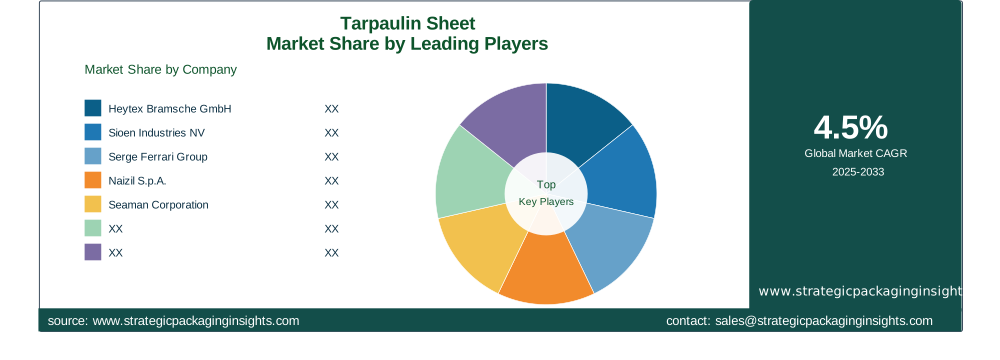
Other notable players in the market include Heytex, Mehler Texnologies, and Tarp Supply, which have carved out substantial market shares through strategic partnerships and acquisitions. These companies have expanded their market presence by entering new geographical regions and diversifying their product offerings. Their emphasis on customer satisfaction and after-sales services has helped them build strong relationships with clients, further solidifying their market positions. Additionally, companies like Reef Industries and Shur-Co have gained market share by focusing on niche applications and offering customized solutions to meet specific customer needs.
Canadian Tarpaulin and Cunningham Covers are also prominent players in the market, known for their innovative products and commitment to quality. These companies have leveraged their expertise in manufacturing and design to develop tarpaulin sheets that meet the highest industry standards. Their focus on continuous improvement and adaptation to changing market trends has enabled them to maintain a competitive edge. Furthermore, their investments in marketing and brand building have helped them establish a strong market presence and attract a loyal customer base.
Overall, the competitive landscape of the tarpaulin sheet market is dynamic, with companies constantly striving to enhance their product offerings and expand their market reach. The emphasis on sustainability and eco-friendly products is a key trend shaping the market, with companies investing in research and development to create innovative solutions. As the market continues to grow, companies that can effectively balance quality, innovation, and sustainability are likely to emerge as leaders in the industry.
Key Highlights
- The tarpaulin sheet market is projected to grow from $7.23 billion in 2025 to $10.74 billion by 2034, at a CAGR of 4.5%.
- Key drivers include the growth of the construction and agriculture sectors, and the demand for durable covering solutions in transport and logistics.
- Environmental concerns and regulatory constraints pose challenges, driving the need for eco-friendly and biodegradable tarpaulin sheets.
- Technological advancements in manufacturing processes are enhancing product quality and reducing production costs.
- The market is highly competitive, with key players focusing on sustainability and innovation to gain a competitive edge.
- Opportunities exist in developing regions with expanding construction and agriculture sectors.
- Fluctuating raw material prices and competition from alternative materials are significant market threats.
Top Countries Insights
In the tarpaulin sheet market, the United States stands out as a key player, with a market size of approximately $1.5 billion and a CAGR of 3%. The country's robust construction industry and the increasing demand for durable covering solutions in logistics drive market growth. Additionally, the focus on sustainable products and innovations in biodegradable tarpaulin sheets align with the country's environmental policies, further boosting market demand.
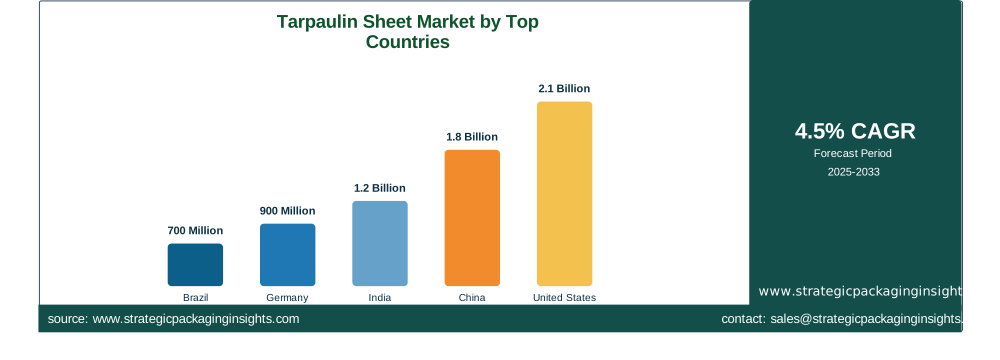
China is another significant market, with a market size of around $2 billion and a CAGR of 5%. The country's rapid urbanization and infrastructure development are major growth drivers, as tarpaulin sheets are extensively used in construction and agriculture. The government's emphasis on sustainable development and environmental protection also encourages the adoption of eco-friendly tarpaulin sheets, supporting market growth.
India, with a market size of approximately $1 billion and a CAGR of 6%, presents substantial growth opportunities. The country's expanding agriculture sector and the increasing need for protective coverings for crops and equipment drive market demand. Additionally, the government's focus on infrastructure development and rural electrification projects further boosts the demand for tarpaulin sheets in construction and logistics.
Germany, with a market size of about $800 million and a CAGR of 4%, is a key market in Europe. The country's strong industrial base and the demand for high-quality, durable tarpaulin sheets in manufacturing and logistics drive market growth. Additionally, the focus on sustainability and the adoption of eco-friendly products align with the country's environmental policies, supporting market expansion.
Brazil, with a market size of around $700 million and a CAGR of 5%, is a significant market in Latin America. The country's growing agriculture sector and the need for protective coverings for crops and equipment drive market demand. Additionally, the government's focus on infrastructure development and urbanization projects further boosts the demand for tarpaulin sheets in construction and logistics.
Tarpaulin Sheet Market Segments Insights

By Material Type Analysis
The tarpaulin sheet market is segmented by material type into PE tarpaulin, PVC tarpaulin, and canvas tarpaulin. PE tarpaulin is the most widely used material due to its lightweight, durability, and cost-effectiveness. It is extensively used in applications such as construction, agriculture, and transport, where protection from environmental factors is crucial. The demand for PE tarpaulin is expected to grow steadily, driven by its versatility and affordability. PVC tarpaulin, known for its strength and resistance to harsh weather conditions, is preferred in heavy-duty applications such as industrial covers and logistics. The market for PVC tarpaulin is anticipated to grow as industries seek durable and long-lasting covering solutions. Canvas tarpaulin, made from natural fibers, is gaining popularity due to its eco-friendly properties. As environmental concerns rise, the demand for canvas tarpaulin is expected to increase, particularly in regions with stringent environmental regulations.

By Product Type Analysis
The market is also segmented by product type into light-duty, medium-duty, and heavy-duty tarpaulin sheets. Light-duty tarpaulin sheets are primarily used for temporary coverings and protection in applications such as agriculture and transport. Their lightweight and easy-to-handle nature make them ideal for short-term use. Medium-duty tarpaulin sheets offer a balance between durability and flexibility, making them suitable for a wide range of applications, including construction and industrial covers. The demand for medium-duty tarpaulin sheets is expected to grow as industries seek versatile and cost-effective solutions. Heavy-duty tarpaulin sheets, known for their strength and resistance to extreme weather conditions, are used in demanding applications such as mining and logistics. The market for heavy-duty tarpaulin sheets is anticipated to grow as industries prioritize durability and long-term protection.

By Application Analysis
The tarpaulin sheet market is segmented by application into construction, agriculture, transport, and industrial covers. The construction sector is a major driver of market growth, as tarpaulin sheets are essential for protecting building materials and scaffolding from weather-related damage. The demand for tarpaulin sheets in construction is expected to grow as urbanization and infrastructure development continue globally. In agriculture, tarpaulin sheets are used to protect crops and equipment from adverse weather conditions, driving market demand. The transport sector also contributes to market growth, as tarpaulin sheets are used to cover goods during transit, preventing damage from environmental factors. The demand for tarpaulin sheets in transport is expected to increase as logistics and supply chain operations expand. Industrial covers, used to protect machinery and equipment in manufacturing and industrial settings, represent another significant application segment. The demand for industrial covers is anticipated to grow as industries seek durable and reliable protective solutions.

By End Use Analysis
The market is segmented by end use into logistics, farming, building, and mining. In logistics, tarpaulin sheets are used to cover goods during transit, protecting them from environmental factors such as rain, dust, and sunlight. The demand for tarpaulin sheets in logistics is expected to grow as supply chain operations expand globally. In farming, tarpaulin sheets are used to protect crops and equipment from adverse weather conditions, driving market demand. The demand for tarpaulin sheets in farming is expected to increase as the agriculture sector continues to grow. In building, tarpaulin sheets are used to protect construction sites and materials from weather-related damage. The demand for tarpaulin sheets in building is expected to grow as urbanization and infrastructure development continue globally. In mining, heavy-duty tarpaulin sheets are used to protect equipment and materials from harsh weather conditions. The demand for tarpaulin sheets in mining is anticipated to grow as industries prioritize durability and long-term protection.

Tarpaulin Sheet Market Segments
The Tarpaulin Sheet market has been segmented on the basis ofBy Material Type
- PE tarpaulin
- PVC tarpaulin
- canvas tarpaulin
By Product Type
- light-duty
- medium-duty
- heavy-duty
By Application
- construction
- agriculture
- transport
- industrial covers
By End Use
- logistics
- farming
- building
- mining
Region
- Asia Pacific
- North America
- Latin America
- Europe
- Middle East & Africa




