


Endpoint-to-Endpoint Traceability Solutions for Recycled Packaging Market Outlook
The Endpoint-to-Endpoint Traceability Solutions for Recycled Packaging market was valued at $2.5 billion in 2024 and is projected to reach $6.8 billion by 2033, growing at a CAGR of 11.2% during the forecast period 2025-2033. This market is experiencing significant growth due to the increasing demand for sustainable packaging solutions and the need for enhanced transparency in supply chains. The rise in environmental awareness among consumers and stringent government regulations on waste management are driving the adoption of traceability solutions in the packaging industry. Companies are increasingly investing in advanced technologies such as IoT, blockchain, and RFID to ensure comprehensive tracking of recycled materials from collection to final product delivery. This trend is further supported by the growing emphasis on circular economy practices, which aim to minimize waste and maximize resource efficiency.
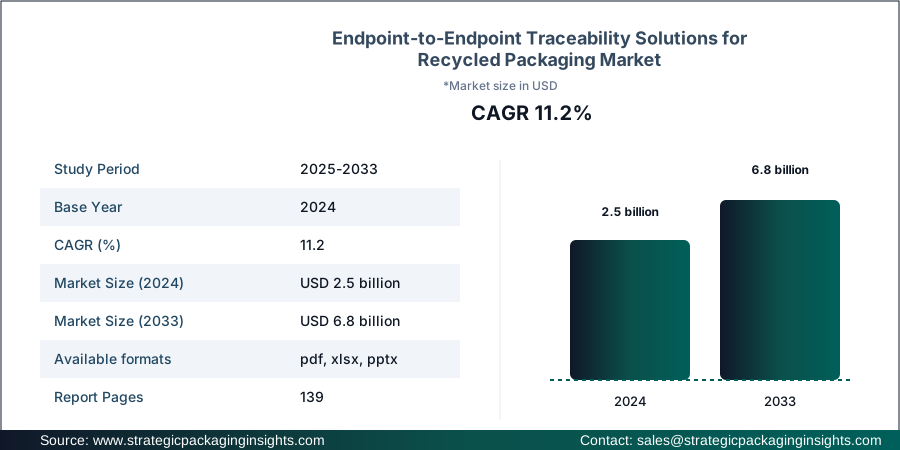
Report Scope
| Attributes | Details |
| Report Title | Endpoint-to-Endpoint Traceability Solutions for Recycled Packaging Market Size, Future Growth and Forecast 2033 |
| Component | Software, Hardware, Services |
| Application | Food & Beverage, Healthcare, Consumer Goods, Industrial, Others |
| Technology | RFID, Barcode, IoT, Blockchain |
| Base Year | 2024 |
| Historic Period | 2017-2023 |
| Forecast Period | 2025-2033 |
| Number of Pages | 139 |
| Customization Available | Yes* |
Opportunities & Threats
One of the key opportunities in the Endpoint-to-Endpoint Traceability Solutions for Recycled Packaging market lies in the integration of advanced technologies such as blockchain and IoT. These technologies offer unparalleled transparency and security in tracking recycled materials, which is crucial for building consumer trust and meeting regulatory requirements. Companies that leverage these technologies can gain a competitive edge by providing verifiable data on the sustainability of their packaging solutions. Additionally, the increasing collaboration between technology providers and packaging companies is expected to drive innovation and create new business models centered around traceability and sustainability.
Another significant opportunity is the growing demand for eco-friendly packaging solutions across various industries, including food and beverage, healthcare, and consumer goods. As consumers become more environmentally conscious, there is a rising preference for products that come with a clear traceability record of their recycled content. This trend is encouraging companies to adopt traceability solutions that not only enhance their sustainability credentials but also improve operational efficiency by reducing waste and optimizing resource use. The potential for cost savings and improved brand reputation makes this an attractive opportunity for businesses in the packaging sector.
However, the market faces certain restrainers, such as the high initial investment required for implementing advanced traceability solutions. Small and medium-sized enterprises (SMEs) may find it challenging to afford the costs associated with deploying technologies like IoT and blockchain, which can limit their participation in the market. Additionally, the complexity of integrating these solutions into existing supply chain systems can pose a barrier to adoption. Companies need to carefully assess their technological capabilities and infrastructure before investing in traceability solutions to ensure a seamless transition and maximize the benefits.
Drivers & Challenges
The primary driver for the Endpoint-to-Endpoint Traceability Solutions for Recycled Packaging market is the increasing regulatory pressure to ensure sustainable packaging practices. Governments worldwide are implementing stricter regulations on waste management and recycling, compelling companies to adopt traceability solutions to comply with these mandates. This regulatory environment is fostering innovation in the packaging industry, as companies seek to develop solutions that not only meet compliance requirements but also enhance their sustainability credentials. The growing consumer demand for transparency and accountability in product sourcing is further driving the adoption of traceability solutions.
Another significant driver is the technological advancements in traceability solutions, which are making it easier for companies to implement and manage these systems. The development of user-friendly software platforms and the integration of technologies like RFID and IoT are simplifying the process of tracking recycled materials throughout the supply chain. These advancements are reducing the complexity and cost of deploying traceability solutions, making them more accessible to a wider range of companies. As a result, businesses are increasingly adopting these solutions to improve their operational efficiency and meet consumer expectations for sustainable practices.
Despite these drivers, the market faces challenges such as data privacy concerns and the need for standardization in traceability systems. As companies collect and store vast amounts of data on recycled materials, there is a growing need to ensure that this information is protected from unauthorized access and misuse. Additionally, the lack of standardized protocols for traceability solutions can lead to inconsistencies in data collection and reporting, which can undermine the effectiveness of these systems. Addressing these challenges requires collaboration between industry stakeholders to develop common standards and best practices for traceability in the packaging sector.
Market Share Analysis
The competitive landscape of the Endpoint-to-Endpoint Traceability Solutions for Recycled Packaging market is characterized by the presence of several key players who are driving innovation and shaping the market dynamics. These companies are leveraging their expertise in technology and packaging to develop comprehensive traceability solutions that cater to the evolving needs of the industry. The market is witnessing a trend towards strategic partnerships and collaborations, as companies seek to enhance their capabilities and expand their market reach. This collaborative approach is enabling companies to offer integrated solutions that combine advanced technologies with sustainable packaging practices.
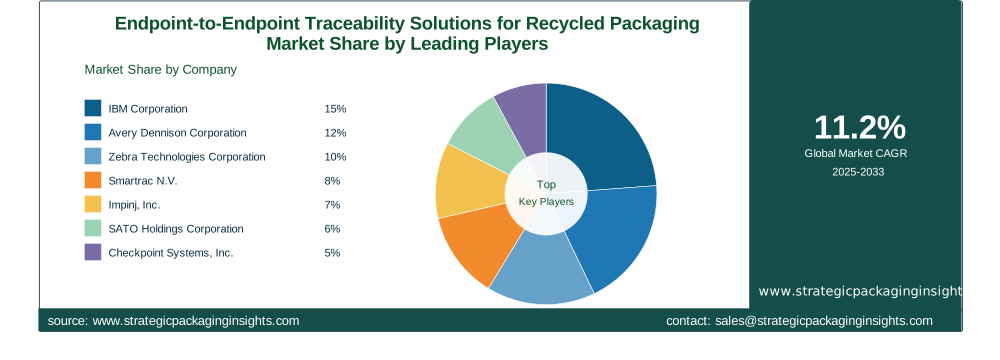
Among the major players in this market, IBM Corporation holds a significant market share due to its strong focus on blockchain technology and its ability to provide end-to-end traceability solutions. The company's expertise in data analytics and cloud computing further strengthens its position in the market. Another key player, Avery Dennison Corporation, is known for its innovative RFID solutions that enable real-time tracking of recycled materials. The company's commitment to sustainability and its extensive network of partners make it a formidable competitor in the traceability solutions market.
Other notable companies include Zebra Technologies Corporation, which offers a range of barcode and RFID solutions designed to enhance supply chain visibility and efficiency. The company's focus on innovation and customer-centric solutions has helped it maintain a strong presence in the market. Similarly, Smartrac N.V. is recognized for its advanced IoT solutions that enable seamless integration of traceability systems into existing supply chains. The company's emphasis on research and development and its strategic partnerships with technology providers have contributed to its success in the market.
Additionally, companies like Impinj, Inc. and SATO Holdings Corporation are making significant contributions to the market with their cutting-edge RFID and barcode technologies. These companies are focused on developing solutions that not only improve traceability but also enhance the overall sustainability of packaging processes. Their commitment to innovation and customer satisfaction is driving their growth and helping them capture a substantial share of the market.
Key Highlights
- Integration of blockchain and IoT technologies is driving market growth.
- Increasing regulatory pressure on sustainable packaging practices.
- Growing consumer demand for transparency in product sourcing.
- Technological advancements are reducing the cost of traceability solutions.
- Strategic partnerships are enhancing market capabilities.
- Data privacy concerns are a challenge for market adoption.
- Lack of standardization in traceability systems.
- High initial investment is a barrier for SMEs.
- Focus on circular economy practices is boosting demand.
- Innovation in RFID and barcode technologies is shaping the market.
Top Countries Insights
In the United States, the Endpoint-to-Endpoint Traceability Solutions for Recycled Packaging market is valued at approximately $1.2 billion, with a CAGR of 10%. The country's strong regulatory framework and consumer demand for sustainable packaging are key growth drivers. The implementation of Extended Producer Responsibility (EPR) policies is encouraging companies to adopt traceability solutions to ensure compliance and enhance their sustainability credentials.
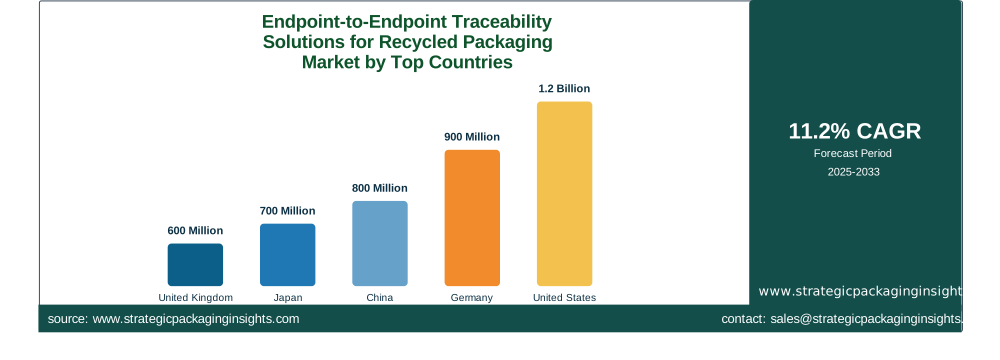
Germany is another significant market, with a value of $900 million and a CAGR of 9%. The country's focus on environmental sustainability and its robust recycling infrastructure are driving the adoption of traceability solutions. The German government's commitment to achieving a circular economy is further supporting market growth, as companies seek to improve their recycling processes and reduce waste.
In China, the market is valued at $800 million, with a CAGR of 12%. The country's rapid industrialization and increasing environmental awareness are fueling demand for traceability solutions. Government initiatives to promote sustainable packaging and reduce plastic waste are encouraging companies to invest in advanced technologies that enhance supply chain transparency.
Japan's market is valued at $700 million, with a CAGR of 8%. The country's strong emphasis on technological innovation and its commitment to sustainability are key factors driving market growth. Japanese companies are leveraging advanced technologies like IoT and blockchain to improve traceability and meet consumer expectations for eco-friendly packaging.
In the United Kingdom, the market is valued at $600 million, with a CAGR of 7%. The country's stringent regulations on waste management and recycling are encouraging companies to adopt traceability solutions. The growing consumer demand for transparency and accountability in product sourcing is further driving market growth, as companies seek to enhance their sustainability credentials and improve operational efficiency.
Endpoint-to-Endpoint Traceability Solutions for Recycled Packaging Market Segments Insights

Component Analysis
The component segment of the Endpoint-to-Endpoint Traceability Solutions for Recycled Packaging market is divided into software, hardware, and services. Software solutions are gaining traction due to their ability to provide real-time data analytics and enhance supply chain visibility. Companies are increasingly investing in cloud-based platforms that offer scalability and flexibility, enabling them to manage traceability processes efficiently. The integration of AI and machine learning algorithms is further enhancing the capabilities of software solutions, allowing companies to optimize their operations and improve decision-making.
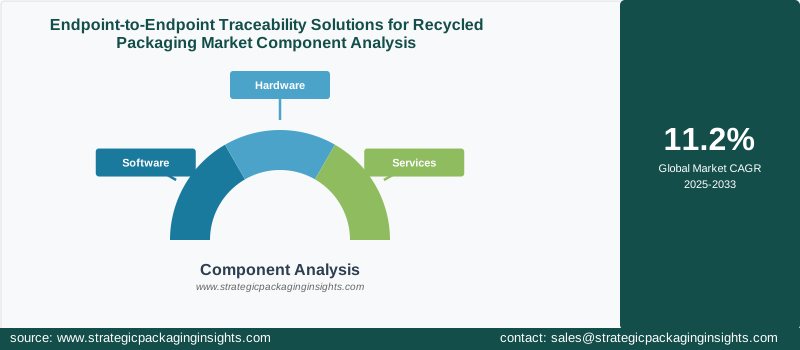
Hardware components, including RFID tags and barcode scanners, are essential for capturing and transmitting data throughout the supply chain. The demand for these components is driven by the need for accurate and reliable tracking of recycled materials. Companies are focusing on developing innovative hardware solutions that offer enhanced durability and performance, ensuring seamless integration with existing systems. The growing adoption of IoT devices is also contributing to the demand for hardware components, as companies seek to enhance connectivity and data exchange across their supply chains.
Application Analysis
The application segment of the market includes food and beverage, healthcare, consumer goods, industrial, and others. The food and beverage industry is a major adopter of traceability solutions, driven by the need to ensure food safety and comply with regulatory requirements. Companies in this sector are leveraging traceability solutions to monitor the entire lifecycle of their products, from raw material sourcing to final delivery. This not only enhances food safety but also improves supply chain efficiency and reduces waste.
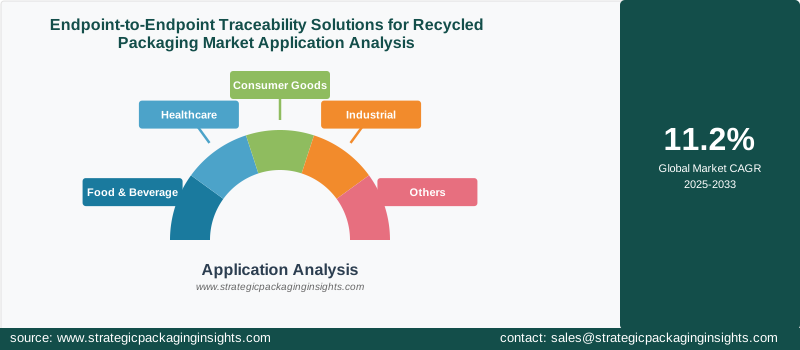
In the healthcare sector, traceability solutions are used to ensure the integrity and safety of medical products. The increasing focus on patient safety and regulatory compliance is driving the adoption of these solutions. Companies are investing in advanced technologies to track and authenticate medical products, ensuring that they meet quality standards and are free from contamination. The consumer goods industry is also witnessing significant adoption of traceability solutions, as companies seek to enhance their sustainability credentials and meet consumer demand for transparency.
Technology Analysis
The technology segment of the market includes RFID, barcode, IoT, and blockchain. RFID technology is widely used for its ability to provide real-time tracking and data collection, making it an essential component of traceability solutions. Companies are investing in RFID systems to enhance supply chain visibility and improve operational efficiency. The integration of RFID with IoT devices is further enhancing the capabilities of traceability solutions, enabling companies to monitor and manage their supply chains more effectively.
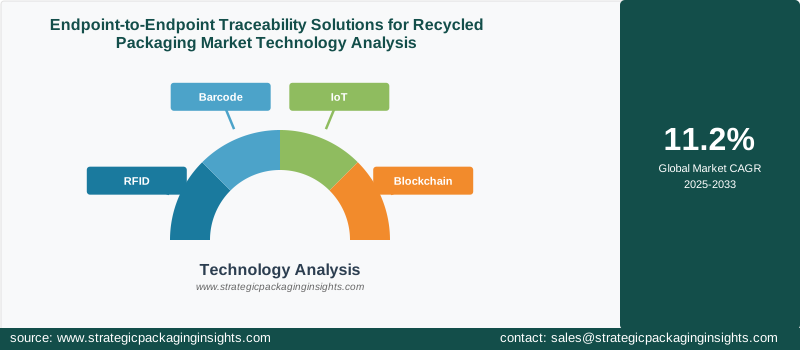
Blockchain technology is gaining traction due to its ability to provide secure and transparent data exchange. Companies are leveraging blockchain to enhance the traceability of recycled materials, ensuring that data is tamper-proof and verifiable. This technology is particularly valuable in industries where transparency and accountability are critical, such as food and beverage and healthcare. The adoption of blockchain is expected to increase as companies seek to build consumer trust and meet regulatory requirements.
Region Analysis
The regional analysis of the Endpoint-to-Endpoint Traceability Solutions for Recycled Packaging market highlights the growth potential in key regions, including Asia Pacific, North America, Europe, Latin America, and the Middle East & Africa. Asia Pacific is expected to witness significant growth due to the rapid industrialization and increasing environmental awareness in countries like China and India. The region's strong manufacturing base and government initiatives to promote sustainable packaging are driving the adoption of traceability solutions.
North America is another key market, driven by the presence of major technology providers and a strong regulatory framework. The region's focus on innovation and sustainability is encouraging companies to invest in advanced traceability solutions. In Europe, the market is supported by stringent regulations on waste management and recycling, as well as a strong emphasis on achieving a circular economy. The region's commitment to sustainability is driving the adoption of traceability solutions across various industries.
Endpoint-to-Endpoint Traceability Solutions for Recycled Packaging Market Segments
The Endpoint-to-Endpoint Traceability Solutions for Recycled Packaging market has been segmented on the basis ofComponent
- Software
- Hardware
- Services
Application
- Food & Beverage
- Healthcare
- Consumer Goods
- Industrial
- Others
Technology
- RFID
- Barcode
- IoT
- Blockchain




