


Flexible Film PCR for Personal Care Packaging Market Outlook
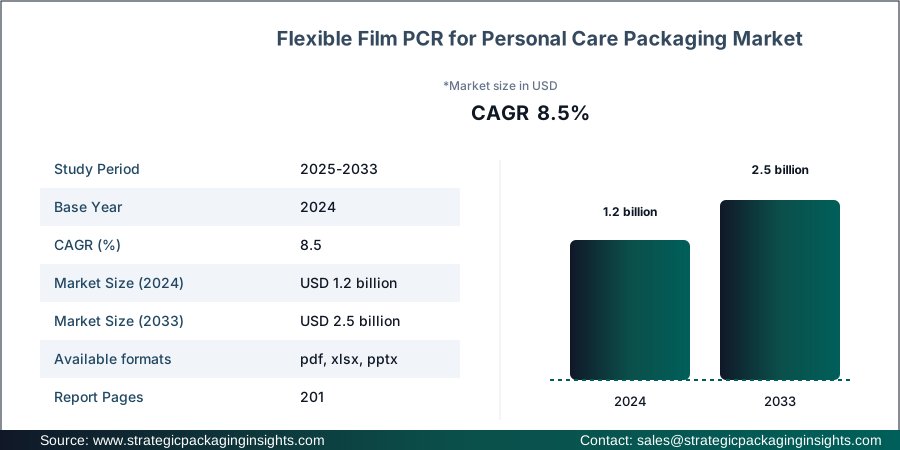
The Flexible Film PCR for Personal Care Packaging market was valued at $1.2 billion in 2024 and is projected to reach $2.5 billion by 2033, growing at a CAGR of 8.5% during the forecast period 2025-2033. This market is witnessing significant growth due to the increasing demand for sustainable packaging solutions in the personal care industry. The shift towards eco-friendly materials is driven by consumer awareness and regulatory pressures to reduce plastic waste. Flexible film PCR (Post-Consumer Recycled) materials are gaining traction as they offer a sustainable alternative to traditional packaging, helping brands meet their sustainability goals while maintaining product integrity and shelf appeal. The market is also benefiting from technological advancements in recycling processes, which enhance the quality and performance of PCR materials, making them more competitive with virgin plastics.
Report Scope
| Attributes | Details |
| Report Title | Flexible Film PCR for Personal Care Packaging Market Size, Future Growth and Forecast 2033 |
| Material Type | Polyethylene, Polypropylene |
| Application | Skincare, Haircare |
| End-User | Manufacturers, Retailers |
| Region | Asia Pacific, North America |
| Base Year | 2024 |
| Historic Period | 2017-2023 |
| Forecast Period | 2025-2033 |
| Number of Pages | 201 |
| Customization Available | Yes* |
Opportunities & Threats
One of the key opportunities in the Flexible Film PCR for Personal Care Packaging market is the growing consumer preference for sustainable and eco-friendly products. As consumers become more environmentally conscious, they are increasingly seeking products that align with their values, including packaging that reduces environmental impact. This trend is encouraging personal care brands to adopt PCR materials, which not only help in reducing carbon footprint but also enhance brand image and customer loyalty. Additionally, the development of advanced recycling technologies is opening new avenues for the production of high-quality PCR films, which can meet the stringent requirements of personal care packaging, thus expanding the market potential.
Another significant opportunity lies in the regulatory landscape that is increasingly favoring sustainable packaging solutions. Governments across the globe are implementing stringent regulations to curb plastic waste, which is pushing manufacturers to explore alternative materials like PCR. Incentives and subsidies for adopting sustainable practices are further encouraging companies to invest in PCR technologies. This regulatory push is expected to drive the adoption of flexible film PCR in personal care packaging, as brands strive to comply with environmental standards and avoid penalties. Moreover, collaborations between packaging companies and personal care brands are fostering innovation in PCR materials, leading to the development of new products that cater to evolving consumer demands.
However, the market faces certain restrainers, such as the high cost of PCR materials compared to traditional plastics. The production of PCR films involves complex recycling processes, which can be cost-intensive, making them less attractive to price-sensitive manufacturers. Additionally, the availability of high-quality PCR materials is limited, as the recycling infrastructure in many regions is still underdeveloped. This can pose challenges for brands looking to scale their use of PCR packaging. Furthermore, the performance of PCR films may not always match that of virgin plastics, which can affect product protection and shelf life, potentially deterring some manufacturers from making the switch.
Drivers & Challenges
The primary driver for the Flexible Film PCR for Personal Care Packaging market is the increasing consumer demand for sustainable packaging solutions. As awareness about environmental issues grows, consumers are actively seeking products that contribute to a circular economy. This shift in consumer behavior is compelling personal care brands to adopt PCR materials, which are perceived as more environmentally friendly. Additionally, the rise of e-commerce and the need for durable yet lightweight packaging solutions are further driving the demand for flexible film PCR, as these materials offer the necessary protection while minimizing shipping costs.
Technological advancements in recycling processes are another significant driver for the market. Innovations in sorting and processing technologies are improving the quality and performance of PCR materials, making them more competitive with virgin plastics. These advancements are enabling the production of high-quality PCR films that meet the stringent requirements of personal care packaging, such as barrier properties and aesthetic appeal. As a result, more brands are willing to invest in PCR solutions, recognizing their potential to enhance sustainability credentials and meet consumer expectations.
Despite these drivers, the market faces challenges such as the limited availability of high-quality PCR materials. The recycling infrastructure in many regions is still underdeveloped, leading to a shortage of feedstock for PCR production. This can hinder the scalability of PCR solutions and limit their adoption by personal care brands. Additionally, the performance of PCR films may not always match that of virgin plastics, which can affect product protection and shelf life. Overcoming these challenges requires significant investment in recycling infrastructure and continued innovation in material science to enhance the quality and performance of PCR films.
Market Share Analysis
The competitive landscape of the Flexible Film PCR for Personal Care Packaging market is characterized by the presence of several key players who are actively investing in sustainable packaging solutions. These companies are focusing on expanding their product portfolios and enhancing their production capabilities to meet the growing demand for PCR materials. The market is witnessing strategic collaborations and partnerships between packaging companies and personal care brands, aimed at developing innovative solutions that cater to evolving consumer preferences. Additionally, mergers and acquisitions are common as companies seek to strengthen their market position and gain access to advanced recycling technologies.
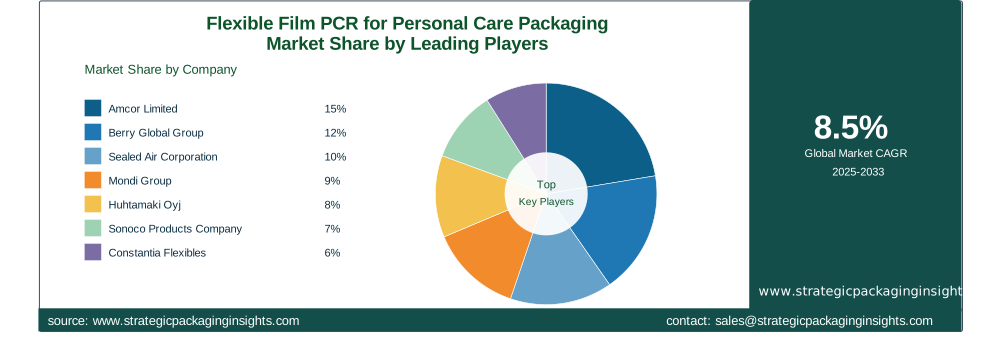
Among the major players in the market, Amcor Limited holds a significant share due to its extensive product offerings and strong focus on sustainability. The company has been at the forefront of developing PCR solutions for personal care packaging, leveraging its global presence and advanced manufacturing capabilities. Another key player, Berry Global Group, is known for its innovative approach to sustainable packaging, with a strong emphasis on research and development. The company has made substantial investments in recycling technologies, enabling it to produce high-quality PCR films that meet the demands of personal care brands.
Sealed Air Corporation is another prominent player in the market, recognized for its commitment to sustainability and innovation. The company offers a wide range of PCR solutions for personal care packaging, backed by its robust R&D capabilities and strategic partnerships. Additionally, Mondi Group has established itself as a leader in the market, with a strong focus on eco-friendly packaging solutions. The company's extensive product portfolio and global reach make it a preferred choice for personal care brands seeking sustainable packaging options.
Other notable companies in the market include Huhtamaki Oyj, which is known for its innovative packaging solutions and commitment to sustainability. The company has been actively expanding its PCR offerings to cater to the growing demand for eco-friendly packaging in the personal care industry. Similarly, Sonoco Products Company has made significant strides in developing PCR materials, leveraging its expertise in packaging and recycling technologies. These companies, along with others like Constantia Flexibles, Coveris Holdings, and Alpla Group, are driving the growth of the Flexible Film PCR for Personal Care Packaging market through continuous innovation and strategic collaborations.
Key Highlights
- The market is projected to grow at a CAGR of 8.5% from 2025 to 2033, driven by increasing demand for sustainable packaging solutions.
- Technological advancements in recycling processes are enhancing the quality and performance of PCR materials.
- Regulatory pressures and consumer awareness are pushing brands to adopt eco-friendly packaging options.
- High cost and limited availability of PCR materials are key challenges for market growth.
- Strategic collaborations and partnerships are fostering innovation in PCR solutions.
- Major players are investing in R&D to develop high-quality PCR films that meet personal care packaging requirements.
- The market is witnessing mergers and acquisitions as companies seek to strengthen their market position.
Top Countries Insights
In the Flexible Film PCR for Personal Care Packaging market, the United States holds a significant share, with a market size of $300 million and a CAGR of 9%. The country's strong regulatory framework and consumer demand for sustainable products are key growth drivers. Additionally, advancements in recycling technologies are supporting the production of high-quality PCR materials, further boosting market growth.
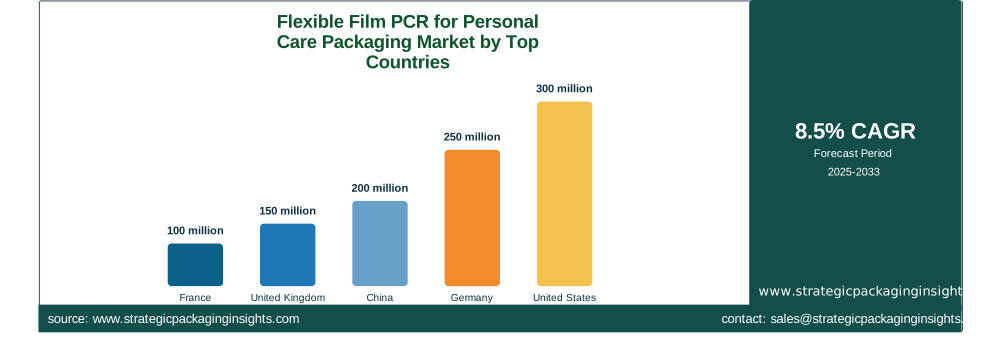
Germany is another leading market, valued at $250 million with a CAGR of 8%. The country's stringent environmental regulations and focus on sustainability are driving the adoption of PCR solutions. The presence of major packaging companies and advanced recycling infrastructure are also contributing to market growth.
China, with a market size of $200 million and a CAGR of 10%, is experiencing rapid growth due to increasing consumer awareness and government initiatives to reduce plastic waste. The country's large manufacturing base and investments in recycling technologies are supporting the expansion of the PCR market.
In the United Kingdom, the market is valued at $150 million with a CAGR of 7%. The country's commitment to sustainability and circular economy principles is driving the demand for PCR materials. Additionally, collaborations between packaging companies and personal care brands are fostering innovation in sustainable packaging solutions.
France, with a market size of $100 million and a CAGR of 6%, is witnessing growth driven by consumer demand for eco-friendly products and government regulations promoting sustainable packaging. The country's strong recycling infrastructure and focus on innovation are supporting the development of high-quality PCR materials.
Flexible Film PCR for Personal Care Packaging Market Segments Insights

Material Type Analysis
The material type segment in the Flexible Film PCR for Personal Care Packaging market is dominated by polyethylene, which is widely used due to its versatility and cost-effectiveness. Polyethylene PCR films offer excellent barrier properties and durability, making them suitable for a range of personal care products. The demand for polyethylene PCR is driven by its ability to reduce environmental impact while maintaining product integrity. Additionally, advancements in recycling technologies are enhancing the quality of polyethylene PCR films, making them more competitive with virgin materials.
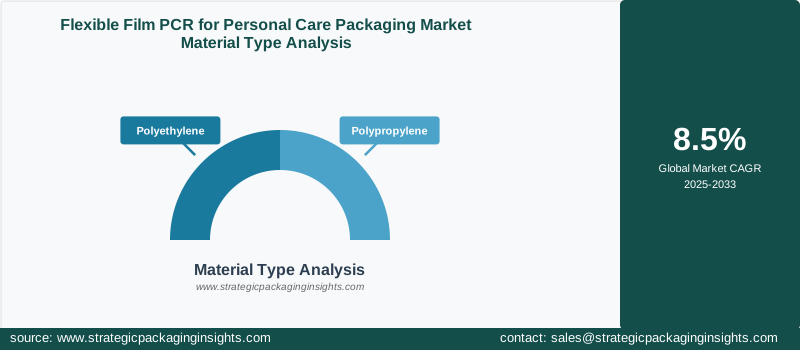
Polypropylene is another significant material type in the market, known for its strength and resistance to moisture. Polypropylene PCR films are gaining popularity in personal care packaging due to their superior performance and sustainability credentials. The increasing focus on reducing plastic waste and the development of advanced recycling processes are driving the adoption of polypropylene PCR films. Furthermore, the material's ability to be recycled multiple times without significant degradation is a key factor contributing to its growing demand.
Application Analysis
The application segment of the Flexible Film PCR for Personal Care Packaging market is led by skincare products, which account for a significant share due to the high demand for sustainable packaging solutions in this category. Skincare brands are increasingly adopting PCR materials to enhance their sustainability credentials and meet consumer expectations. The use of PCR films in skincare packaging not only reduces environmental impact but also offers excellent protection and shelf appeal.
Haircare is another major application segment, driven by the growing consumer preference for eco-friendly products. Haircare brands are leveraging PCR materials to differentiate their products and appeal to environmentally conscious consumers. The development of high-quality PCR films with superior barrier properties is supporting the growth of this segment. Additionally, the increasing popularity of natural and organic haircare products is further boosting the demand for sustainable packaging solutions.
End-User Analysis
The end-user segment in the Flexible Film PCR for Personal Care Packaging market is dominated by manufacturers, who are the primary adopters of PCR materials. Manufacturers are increasingly investing in sustainable packaging solutions to meet regulatory requirements and consumer demand for eco-friendly products. The use of PCR films allows manufacturers to reduce their carbon footprint and enhance brand image, making it a preferred choice for personal care packaging.
Retailers are also significant end-users of PCR materials, as they seek to offer sustainable packaging options to their customers. The growing consumer preference for eco-friendly products is encouraging retailers to adopt PCR solutions, which not only reduce environmental impact but also enhance product appeal. Additionally, collaborations between retailers and packaging companies are fostering innovation in PCR materials, leading to the development of new products that cater to evolving consumer demands.
Regional Market Intelligence Chart
The Flexible Film PCR for Personal Care Packaging market is witnessing significant growth across various regions, with Asia Pacific leading the way. The region's large manufacturing base and increasing consumer awareness about sustainability are key growth drivers. North America and Europe are also experiencing strong growth, driven by stringent environmental regulations and consumer demand for eco-friendly products. Latin America and the Middle East & Africa are witnessing moderate growth, supported by government initiatives to promote sustainable packaging solutions.
Flexible Film PCR for Personal Care Packaging Market Segments
The Flexible Film PCR for Personal Care Packaging market has been segmented on the basis ofMaterial Type
- Polyethylene
- Polypropylene
Application
- Skincare
- Haircare
End-User
- Manufacturers
- Retailers
Region
- Asia Pacific
- North America




