


Plastic Healthcare Packaging Market Outlook
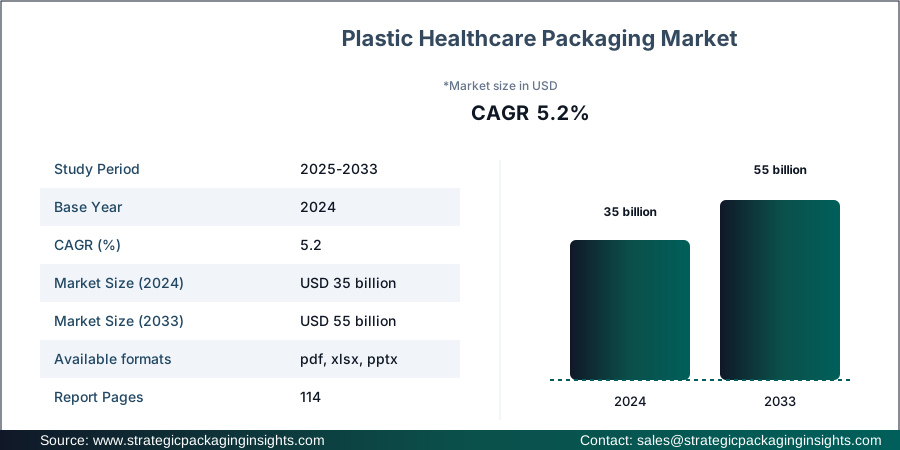
The plastic healthcare packaging market was valued at $35 billion in 2024 and is projected to reach $55 billion by 2033, growing at a CAGR of 5.2% during the forecast period 2025-2033. This growth is driven by the increasing demand for safe and secure packaging solutions in the healthcare sector, which is crucial for maintaining the integrity and efficacy of medical products. The rise in chronic diseases and the aging population are further propelling the need for advanced packaging solutions that ensure product safety and extend shelf life. Additionally, the ongoing innovations in packaging materials and technologies, such as the development of biodegradable plastics and smart packaging solutions, are expected to create new opportunities for market expansion.
Report Scope
| Attributes | Details |
| Report Title | Plastic Healthcare Packaging Market Size, Future Growth and Forecast 2033 |
| Material Type | Polyethylene, Polypropylene, Polyvinyl Chloride, Polystyrene, Others |
| Product Type | Bottles, Blister Packs, Vials, Bags, Others |
| End-User | Pharmaceuticals, Medical Devices, Hospitals, Others |
| Region | Asia Pacific, North America, Latin America, Europe, Middle East & Africa |
| Base Year | 2024 |
| Historic Period | 2017-2023 |
| Forecast Period | 2025-2033 |
| Number of Pages | 114 |
| Customization Available | Yes* |
Opportunities & Threats
One of the significant opportunities in the plastic healthcare packaging market is the increasing demand for sustainable and eco-friendly packaging solutions. With growing environmental concerns and stringent regulations on plastic usage, manufacturers are focusing on developing biodegradable and recyclable packaging materials. This shift towards sustainability is not only driven by regulatory compliance but also by consumer preferences for environmentally friendly products. Companies that invest in research and development to create innovative, sustainable packaging solutions are likely to gain a competitive edge in the market. Furthermore, the integration of smart technologies, such as RFID tags and QR codes, into packaging is opening new avenues for enhancing product traceability and patient safety.
Another opportunity lies in the expanding pharmaceutical and medical device industries, particularly in emerging markets. The increasing healthcare expenditure and the rising prevalence of chronic diseases in countries like India, China, and Brazil are driving the demand for advanced packaging solutions. These markets offer significant growth potential for plastic healthcare packaging manufacturers, as they seek to cater to the growing needs of the healthcare sector. Additionally, the trend towards personalized medicine and the development of biologics are creating new packaging challenges and opportunities, as these products require specialized packaging solutions to maintain their stability and efficacy.
However, the market faces threats from the increasing regulatory scrutiny on plastic usage and waste management. Governments worldwide are implementing stringent regulations to reduce plastic waste and promote recycling, which could pose challenges for manufacturers relying heavily on traditional plastic materials. The rising costs of raw materials and the volatility in oil prices also present significant challenges for the industry. Companies need to adapt to these changes by investing in sustainable practices and exploring alternative materials to mitigate the impact of these threats on their operations.
Drivers & Challenges
The primary driver of the plastic healthcare packaging market is the growing demand for safe and secure packaging solutions in the healthcare sector. With the increasing prevalence of chronic diseases and the aging population, there is a heightened need for packaging that ensures the safety and efficacy of medical products. The rise in healthcare expenditure and the expansion of the pharmaceutical and medical device industries are further fueling the demand for advanced packaging solutions. Additionally, the ongoing innovations in packaging materials and technologies, such as the development of biodegradable plastics and smart packaging solutions, are expected to drive market growth.
Another significant driver is the increasing focus on sustainability and environmental responsibility. With growing concerns about plastic waste and its impact on the environment, there is a strong push towards developing eco-friendly packaging solutions. Manufacturers are investing in research and development to create biodegradable and recyclable packaging materials that meet regulatory requirements and consumer preferences. This shift towards sustainability is not only driven by regulatory compliance but also by the growing demand for environmentally friendly products, which is expected to drive market growth in the coming years.
Despite these drivers, the market faces several challenges, including the increasing regulatory scrutiny on plastic usage and waste management. Governments worldwide are implementing stringent regulations to reduce plastic waste and promote recycling, which could pose challenges for manufacturers relying heavily on traditional plastic materials. The rising costs of raw materials and the volatility in oil prices also present significant challenges for the industry. Companies need to adapt to these changes by investing in sustainable practices and exploring alternative materials to mitigate the impact of these challenges on their operations.
Plastic Healthcare Packaging Strategic Outlook
| Trend | Market Driver | Technological/Material Shift | Business Impact |
|---|---|---|---|
| Sustainability | Eco-friendly Packaging Demand | Biodegradable Plastics | Increased Market Share |
| Smart Tech | Product Traceability | RFID, QR Codes | Enhanced Consumer Trust |
| Consumer Behavior | Preference for Safety | Advanced Barrier Solutions | Higher Product Adoption |
| Logistics | Efficient Supply Chain | Lightweight Materials | Cost Reduction |
The plastic healthcare packaging market is poised for significant growth, driven by the increasing demand for safe and secure packaging solutions in the healthcare sector. As of 2026, the market is valued at approximately $40 billion, with sustainability emerging as a primary regulatory and economic disruptor. The shift towards eco-friendly packaging solutions, driven by regulatory compliance and consumer preferences, is expected to reshape the market landscape. To maintain market share by 2033, brands should pivot towards developing innovative, sustainable packaging solutions that meet regulatory requirements and consumer demands. Embracing smart technologies and investing in research and development to create advanced packaging materials will be crucial for companies looking to stay competitive in this evolving market.
Market Share Analysis
The plastic healthcare packaging market is characterized by intense competition, with several key players vying for market share. The competitive landscape is shaped by factors such as product innovation, sustainability initiatives, and strategic partnerships. Companies are focusing on developing eco-friendly packaging solutions to meet regulatory requirements and consumer preferences, which is driving innovation in the market. The integration of smart technologies, such as RFID tags and QR codes, into packaging is also becoming a key differentiator for companies looking to enhance product traceability and patient safety.
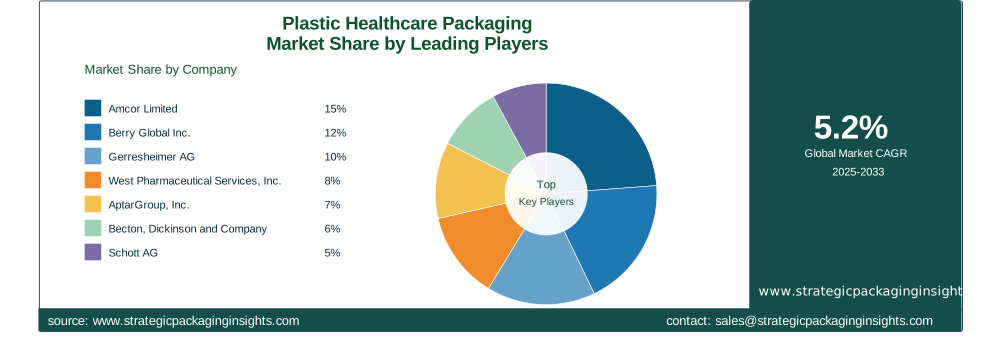
Among the major players in the market, Amcor Limited holds a significant share, driven by its extensive product portfolio and focus on sustainability. The company has been at the forefront of developing innovative, eco-friendly packaging solutions, which has helped it maintain a competitive edge in the market. Similarly, Berry Global Inc. is another key player, known for its comprehensive range of plastic packaging solutions and commitment to sustainability. The company's focus on research and development has enabled it to introduce new products that meet the evolving needs of the healthcare sector.
Other notable players in the market include Gerresheimer AG, known for its high-quality packaging solutions for the pharmaceutical and healthcare industries. The company's focus on innovation and sustainability has helped it establish a strong presence in the market. Similarly, West Pharmaceutical Services, Inc. is a leading provider of innovative packaging solutions, with a strong emphasis on product safety and efficacy. The company's extensive product portfolio and global presence have contributed to its strong market position.
In addition to these major players, several other companies are making significant contributions to the market. For instance, AptarGroup, Inc. is known for its innovative dispensing solutions, which are widely used in the healthcare sector. The company's focus on sustainability and product innovation has helped it maintain a competitive edge in the market. Similarly, Becton, Dickinson and Company is a leading provider of medical devices and packaging solutions, with a strong emphasis on product safety and efficacy. The company's extensive product portfolio and global presence have contributed to its strong market position.
Key Highlights
- The plastic healthcare packaging market is projected to grow at a CAGR of 5.2% from 2025 to 2033.
- Increasing demand for eco-friendly packaging solutions is driving innovation in the market.
- Smart technologies, such as RFID tags and QR codes, are enhancing product traceability and patient safety.
- Regulatory compliance and consumer preferences are driving the shift towards sustainable packaging solutions.
- The pharmaceutical and medical device industries are key end-users of plastic healthcare packaging.
- Emerging markets, such as India and China, offer significant growth potential for market players.
- Rising healthcare expenditure and the aging population are driving demand for advanced packaging solutions.
- Companies are focusing on research and development to create innovative, sustainable packaging materials.
- The market is characterized by intense competition, with several key players vying for market share.
- Strategic partnerships and collaborations are becoming increasingly important for market players.
Top Countries Insights
In the plastic healthcare packaging market, the United States holds a significant share, driven by the presence of major pharmaceutical and medical device companies. The market is valued at approximately $10 billion, with a CAGR of 4%. The demand for advanced packaging solutions is fueled by the increasing prevalence of chronic diseases and the aging population. Additionally, the focus on sustainability and regulatory compliance is driving innovation in the market.
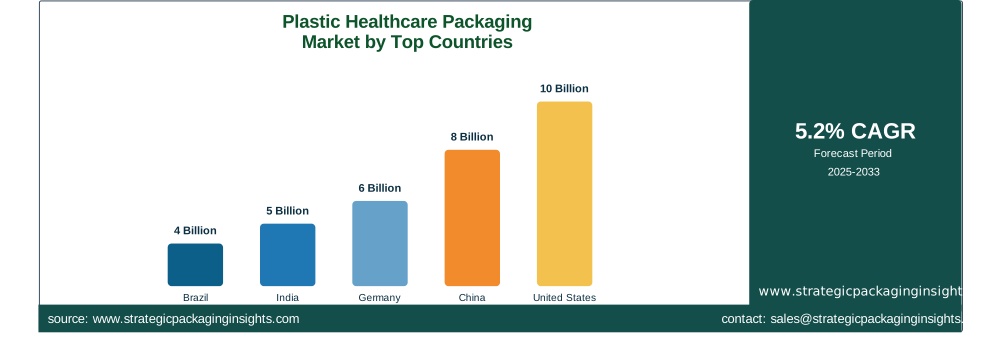
China is another key market, with a market value of around $8 billion and a CAGR of 6%. The country's growing healthcare sector and rising healthcare expenditure are driving demand for plastic healthcare packaging solutions. The government's focus on improving healthcare infrastructure and promoting sustainable practices is also contributing to market growth.
Germany is a leading market in Europe, with a market value of approximately $6 billion and a CAGR of 5%. The country's strong pharmaceutical industry and focus on innovation are driving demand for advanced packaging solutions. Additionally, the emphasis on sustainability and regulatory compliance is shaping the market landscape.
India is an emerging market, with a market value of around $5 billion and a CAGR of 7%. The country's expanding healthcare sector and rising prevalence of chronic diseases are driving demand for plastic healthcare packaging solutions. The government's focus on improving healthcare infrastructure and promoting sustainable practices is also contributing to market growth.
Brazil is another key market, with a market value of approximately $4 billion and a CAGR of 5%. The country's growing healthcare sector and rising healthcare expenditure are driving demand for plastic healthcare packaging solutions. The focus on sustainability and regulatory compliance is also shaping the market landscape.
Plastic Healthcare Packaging Market Segments Insights

Material Type Analysis
The material type segment of the plastic healthcare packaging market is dominated by polyethylene, which is widely used due to its versatility and cost-effectiveness. Polyethylene offers excellent barrier properties, making it ideal for packaging applications that require protection against moisture and contaminants. The demand for polyethylene is driven by its widespread use in the pharmaceutical and medical device industries, where it is used for packaging a variety of products, including bottles, vials, and blister packs. Additionally, the development of biodegradable polyethylene is expected to create new opportunities for market growth, as companies seek to meet regulatory requirements and consumer preferences for sustainable packaging solutions.
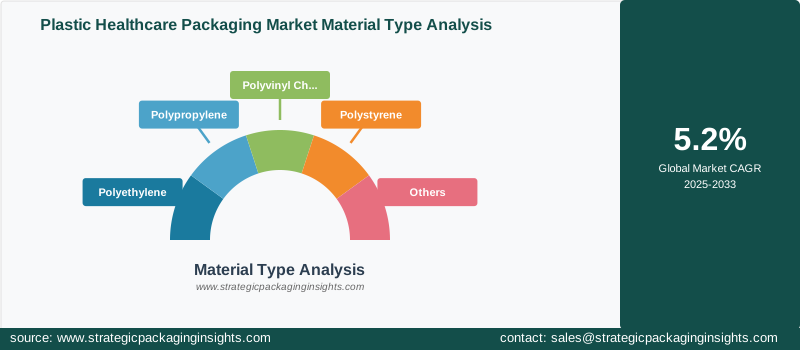
Polypropylene is another key material type, known for its high strength and resistance to chemicals. It is widely used in the healthcare sector for packaging applications that require durability and protection against contamination. The demand for polypropylene is driven by its use in a variety of packaging products, including bottles, vials, and bags. The development of advanced polypropylene materials with enhanced barrier properties is expected to drive market growth, as companies seek to meet the evolving needs of the healthcare sector. Additionally, the focus on sustainability and the development of recyclable polypropylene materials are expected to create new opportunities for market expansion.
Product Type Analysis
The product type segment of the plastic healthcare packaging market is dominated by bottles, which are widely used for packaging a variety of pharmaceutical and medical products. Bottles offer excellent protection against moisture and contaminants, making them ideal for packaging applications that require product safety and efficacy. The demand for bottles is driven by their widespread use in the pharmaceutical and medical device industries, where they are used for packaging a variety of products, including liquids, tablets, and capsules. Additionally, the development of innovative bottle designs with enhanced barrier properties is expected to drive market growth, as companies seek to meet the evolving needs of the healthcare sector.
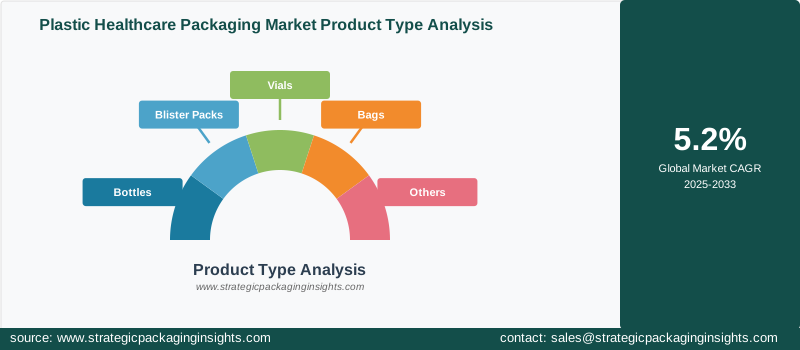
Blister packs are another key product type, known for their ability to provide excellent protection against moisture and contaminants. They are widely used in the healthcare sector for packaging applications that require product safety and efficacy. The demand for blister packs is driven by their use in a variety of packaging products, including tablets, capsules, and medical devices. The development of advanced blister pack materials with enhanced barrier properties is expected to drive market growth, as companies seek to meet the evolving needs of the healthcare sector. Additionally, the focus on sustainability and the development of recyclable blister pack materials are expected to create new opportunities for market expansion.
End-User Analysis
The end-user segment of the plastic healthcare packaging market is dominated by the pharmaceutical industry, which is the largest consumer of plastic packaging solutions. The demand for plastic healthcare packaging is driven by the need for safe and secure packaging solutions that ensure the safety and efficacy of pharmaceutical products. The rise in chronic diseases and the aging population are further propelling the demand for advanced packaging solutions in the pharmaceutical industry. Additionally, the development of biologics and personalized medicine is creating new packaging challenges and opportunities, as these products require specialized packaging solutions to maintain their stability and efficacy.
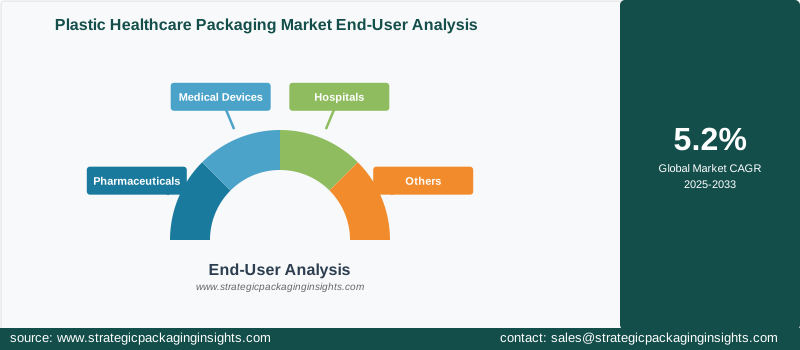
The medical device industry is another key end-user, known for its demand for innovative packaging solutions that ensure product safety and efficacy. The demand for plastic healthcare packaging is driven by the need for packaging solutions that protect medical devices from contamination and damage. The rise in healthcare expenditure and the expansion of the medical device industry are further fueling the demand for advanced packaging solutions. Additionally, the focus on sustainability and the development of eco-friendly packaging solutions are expected to create new opportunities for market growth, as companies seek to meet regulatory requirements and consumer preferences.
Plastic Healthcare Packaging Market Segments
The Plastic Healthcare Packaging market has been segmented on the basis ofMaterial Type
- Polyethylene
- Polypropylene
- Polyvinyl Chloride
- Polystyrene
- Others
Product Type
- Bottles
- Blister Packs
- Vials
- Bags
- Others
End-User
- Pharmaceuticals
- Medical Devices
- Hospitals
- Others
Region
- Asia Pacific
- North America
- Latin America
- Europe
- Middle East & Africa




