


Writing Instrument Packaging Market Outlook
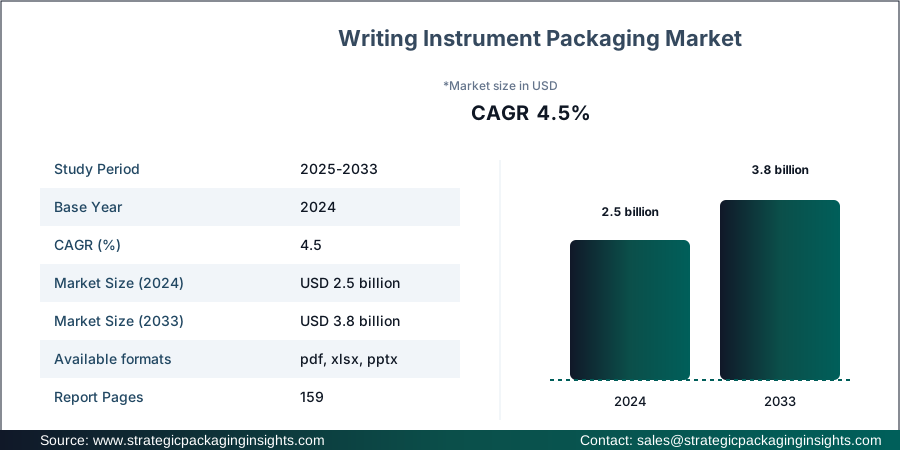
The Writing Instrument Packaging market was valued at $2.5 billion in 2024 and is projected to reach $3.8 billion by 2033, growing at a CAGR of 4.5% during the forecast period 2025-2033. This market is driven by the increasing demand for aesthetically pleasing and functional packaging solutions that cater to the diverse needs of consumers ranging from students to professionals. The rise in e-commerce and the growing trend of gifting writing instruments have further fueled the demand for innovative packaging solutions. Additionally, the shift towards sustainable and eco-friendly packaging materials is expected to play a significant role in shaping the market dynamics over the forecast period.
Report Scope
| Attributes | Details |
| Report Title | Writing Instrument Packaging Market Size, Future Growth and Forecast 2033 |
| Material | Plastic, Metal, Paper |
| Application | School, Office, Personal Use |
| Packaging Type | Boxes, Blisters, Pouches |
| Region | North America, Europe, Asia Pacific, Latin America, Middle East & Africa |
| Base Year | 2024 |
| Historic Period | 2017-2023 |
| Forecast Period | 2025-2033 |
| Number of Pages | 159 |
| Customization Available | Yes* |
Opportunities & Threats
One of the significant opportunities in the Writing Instrument Packaging market lies in the growing consumer preference for sustainable and eco-friendly packaging solutions. As environmental concerns continue to rise, consumers are increasingly opting for products that minimize their carbon footprint. This trend is pushing manufacturers to innovate and develop packaging solutions that are not only functional but also environmentally responsible. The use of biodegradable materials and recyclable packaging options is expected to gain traction, providing a lucrative opportunity for companies to differentiate themselves in the market.
Another opportunity is the increasing demand for personalized and customized packaging solutions. With the rise of digital printing technologies, manufacturers can now offer bespoke packaging designs that cater to individual consumer preferences. This trend is particularly prevalent in the gifting segment, where consumers seek unique and personalized packaging to enhance the overall gifting experience. Companies that can offer customization options are likely to gain a competitive edge and capture a larger market share.
However, the market faces certain restraints, such as the high cost of sustainable packaging materials. While there is a growing demand for eco-friendly packaging, the cost associated with sourcing and manufacturing these materials can be prohibitive for some companies. This cost factor may limit the adoption of sustainable packaging solutions, particularly among small and medium-sized enterprises. Additionally, stringent regulations regarding packaging waste and recycling may pose challenges for manufacturers, requiring them to invest in compliance and waste management solutions.
Drivers & Challenges
The primary driver of the Writing Instrument Packaging market is the increasing demand for innovative and aesthetically pleasing packaging solutions. As consumers become more discerning, they seek packaging that not only protects the product but also enhances its visual appeal. This demand is particularly strong in the premium segment, where packaging plays a crucial role in conveying the brand's image and value proposition. Manufacturers are investing in research and development to create packaging designs that are both functional and visually appealing, driving market growth.
Another significant driver is the rise of e-commerce and online retailing. With more consumers purchasing writing instruments online, there is a growing need for packaging solutions that ensure product safety during transit. Packaging that offers protection against damage and tampering is essential for maintaining customer satisfaction and brand reputation. The growth of e-commerce is expected to continue driving demand for robust and secure packaging solutions in the coming years.
Despite these drivers, the market faces challenges such as the volatility in raw material prices. Fluctuations in the cost of materials like plastic and metal can impact the overall cost of packaging production, affecting profit margins for manufacturers. Additionally, the market is highly competitive, with numerous players vying for market share. Companies must continuously innovate and differentiate their offerings to stay ahead in this competitive landscape.
Writing Instrument Packaging Strategic Outlook
| Trend | Market Driver | Technological/Material Shift | Business Impact |
|---|---|---|---|
| Sustainability | Eco-friendly demand | Biodegradable materials | Brand differentiation |
| Smart Tech | Consumer engagement | Interactive packaging | Enhanced customer experience |
| Consumer Behavior | Customization trend | Digital printing | Increased market share |
| Logistics | E-commerce growth | Secure packaging | Reduced returns |
In 2026, the Writing Instrument Packaging market is poised for significant growth, driven by the increasing demand for sustainable and innovative packaging solutions. The primary disruptor in this niche is the regulatory push towards Extended Producer Responsibility (EPR) compliance, which mandates manufacturers to manage the lifecycle of their packaging materials. To maintain market share by 2033, brands must pivot towards adopting eco-friendly materials and investing in smart packaging technologies that enhance consumer engagement. The strategic foresight for companies in this market is to focus on sustainability and innovation to meet evolving consumer expectations and regulatory requirements.
Market Share Analysis
The competitive landscape of the Writing Instrument Packaging market is characterized by the presence of several key players who are actively engaged in product innovation and strategic partnerships to enhance their market position. The market is moderately fragmented, with companies focusing on expanding their product portfolios and geographical reach to cater to a diverse consumer base. The increasing demand for sustainable packaging solutions has prompted many players to invest in research and development to create eco-friendly packaging options that align with consumer preferences.
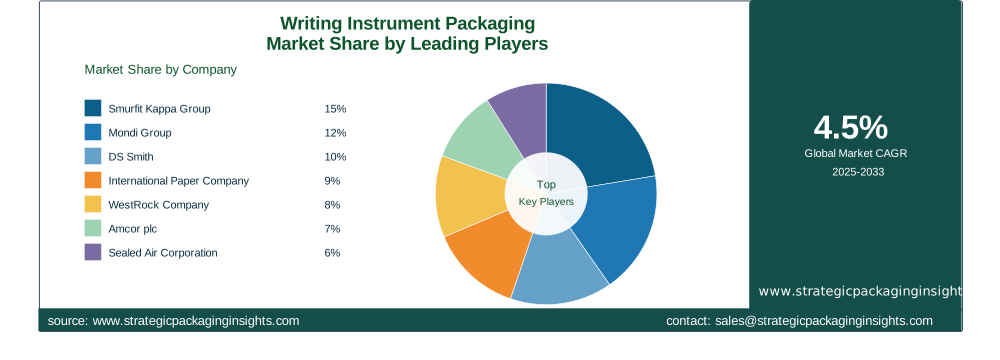
Among the major companies in this market, Smurfit Kappa Group holds a significant share due to its extensive range of sustainable packaging solutions and strong global presence. The company has been at the forefront of developing innovative packaging designs that cater to the needs of various industries, including writing instruments. Similarly, Mondi Group has established itself as a key player by offering a wide array of packaging products that emphasize sustainability and functionality.
Another notable player is DS Smith, which has gained a competitive edge through its focus on circular economy principles and sustainable packaging solutions. The company's commitment to reducing environmental impact and enhancing packaging efficiency has resonated well with consumers and businesses alike. Additionally, International Paper Company has leveraged its expertise in paper-based packaging to capture a substantial market share, particularly in regions with a strong preference for eco-friendly materials.
Other prominent companies in the Writing Instrument Packaging market include WestRock Company, Amcor plc, and Sealed Air Corporation. These companies have been actively investing in technological advancements and strategic collaborations to strengthen their market position. Their focus on innovation and sustainability has enabled them to meet the evolving demands of consumers and maintain a competitive edge in the market.
Key Highlights
- The Writing Instrument Packaging market is projected to grow at a CAGR of 4.5% from 2025 to 2033.
- Increasing demand for sustainable and eco-friendly packaging solutions is a key market driver.
- Customization and personalization of packaging are gaining popularity among consumers.
- E-commerce growth is driving the need for secure and robust packaging solutions.
- Fluctuations in raw material prices pose a challenge to market growth.
- Regulatory compliance, such as EPR, is influencing packaging strategies.
- Technological advancements in digital printing are enabling bespoke packaging designs.
Top Countries Insights
In the Writing Instrument Packaging market, the United States holds a significant share, with a market size of $0.8 billion and a CAGR of 5%. The country's growth is driven by the strong presence of key players and the increasing demand for sustainable packaging solutions. The regulatory environment, which emphasizes recycling and waste management, further supports market expansion.
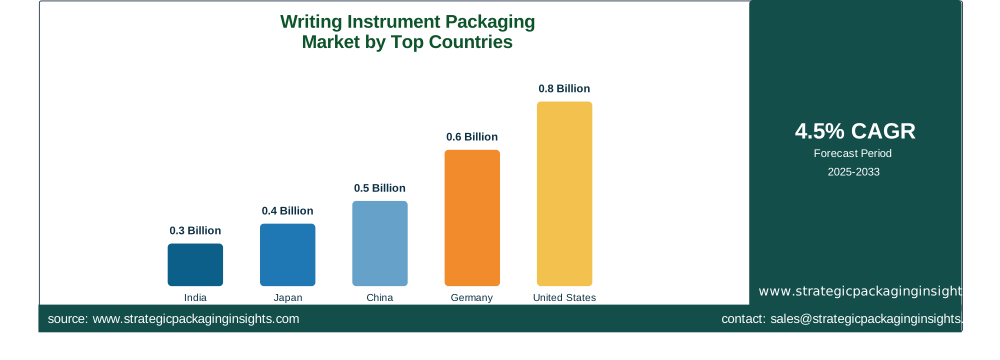
Germany is another prominent market, valued at $0.6 billion with a CAGR of 4%. The country's focus on sustainability and innovation in packaging materials has propelled market growth. The demand for eco-friendly packaging solutions is particularly strong, driven by consumer awareness and stringent environmental regulations.
China, with a market size of $0.5 billion and a CAGR of 6%, is experiencing rapid growth due to the booming e-commerce sector and increasing consumer demand for innovative packaging solutions. The government's initiatives to promote sustainable practices and reduce packaging waste are also contributing to market expansion.
In Japan, the market is valued at $0.4 billion with a CAGR of 3%. The country's emphasis on quality and precision in packaging design has driven demand for premium packaging solutions. The growing trend of gifting writing instruments is also boosting market growth.
India, with a market size of $0.3 billion and a CAGR of 7%, is witnessing significant growth due to the rising disposable income and increasing consumer preference for branded writing instruments. The demand for aesthetically pleasing and functional packaging solutions is on the rise, driven by the expanding middle-class population.
Writing Instrument Packaging Market Segments Insights

Material Analysis
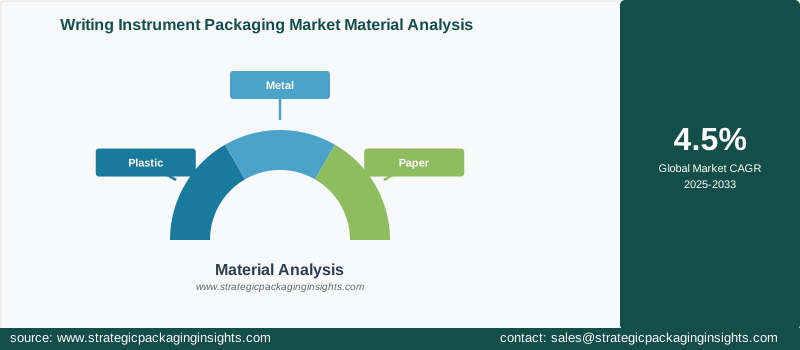
The material segment of the Writing Instrument Packaging market is primarily divided into plastic, metal, and paper. Plastic remains the dominant material due to its versatility, cost-effectiveness, and durability. However, the increasing environmental concerns and regulatory pressures are driving a shift towards more sustainable materials like paper and biodegradable plastics. Paper-based packaging is gaining traction as it aligns with the growing consumer preference for eco-friendly solutions. Metal packaging, although less common, is favored for premium and luxury writing instruments due to its aesthetic appeal and protective qualities.
The demand for sustainable materials is expected to grow significantly over the forecast period, driven by consumer awareness and regulatory mandates. Companies are investing in research and development to create innovative materials that offer the same functionality as traditional options while minimizing environmental impact. The transition to sustainable materials presents both a challenge and an opportunity for manufacturers to differentiate themselves in the market.
Application Analysis
The application segment of the Writing Instrument Packaging market includes school, office, and personal use. The school segment holds a significant share due to the high demand for writing instruments among students. The need for durable and functional packaging that can withstand daily use is a key driver in this segment. The office segment is also substantial, driven by the demand for professional and aesthetically pleasing packaging solutions that reflect corporate branding.
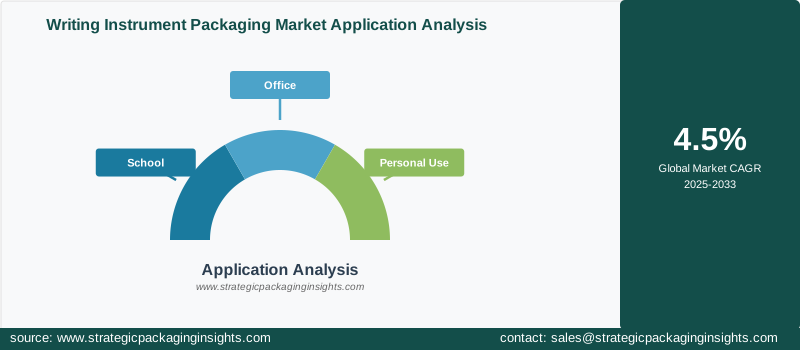
Personal use is an emerging segment, fueled by the trend of gifting writing instruments. Consumers are increasingly seeking unique and personalized packaging options that enhance the gifting experience. This trend is particularly strong during festive seasons and special occasions, driving demand for bespoke packaging solutions. Companies that can offer customization and personalization options are likely to capture a larger share of this growing segment.
Packaging Type Analysis
The packaging type segment is categorized into boxes, blisters, and pouches. Boxes are the most common packaging type, offering protection and aesthetic appeal. They are widely used for premium and luxury writing instruments, where presentation is crucial. Blisters are favored for their visibility and tamper-evident features, making them ideal for retail environments. Pouches, although less common, are gaining popularity for their lightweight and flexible nature, particularly in the personal use segment.
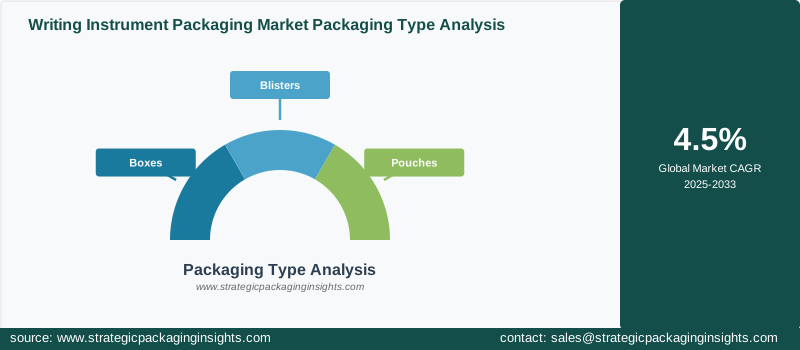
The choice of packaging type is influenced by factors such as product type, target audience, and distribution channel. Companies are exploring innovative packaging designs that enhance functionality and consumer experience. The trend towards minimalistic and sustainable packaging is also impacting the choice of packaging type, with a growing preference for options that reduce material usage and environmental impact.
Regional Analysis
The Writing Instrument Packaging market is geographically segmented into North America, Europe, Asia Pacific, Latin America, and the Middle East & Africa. North America holds a significant share due to the presence of key players and the high demand for innovative packaging solutions. The region's focus on sustainability and regulatory compliance is driving the adoption of eco-friendly packaging materials.
Europe is another major market, characterized by stringent environmental regulations and a strong emphasis on sustainability. The demand for biodegradable and recyclable packaging solutions is particularly high in this region. Asia Pacific is experiencing rapid growth, driven by the expanding e-commerce sector and increasing consumer demand for premium packaging solutions. The region's growing middle-class population and rising disposable income are also contributing to market expansion.
Writing Instrument Packaging Market Segments
The Writing Instrument Packaging market has been segmented on the basis ofMaterial
- Plastic
- Metal
- Paper
Application
- School
- Office
- Personal Use
Packaging Type
- Boxes
- Blisters
- Pouches
Region
- North America
- Europe
- Asia Pacific
- Latin America
- Middle East & Africa




