


Wearable Device Packaging Market Outlook
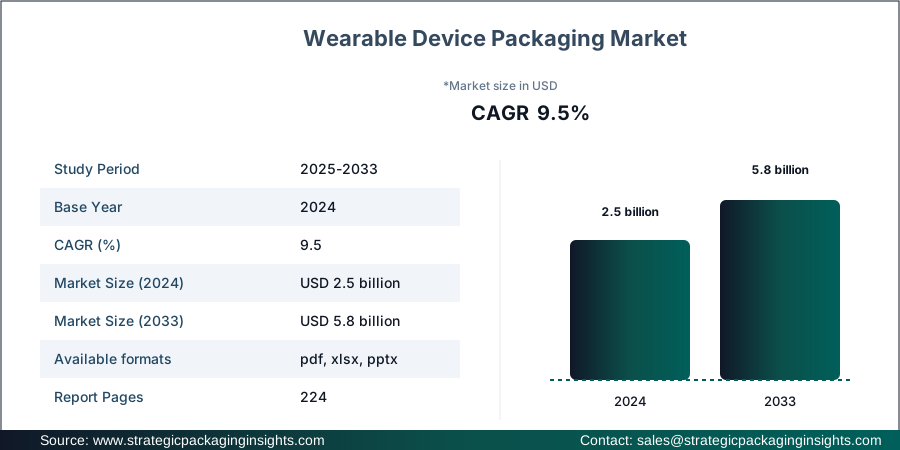
The wearable device packaging market was valued at $2.5 billion in 2024 and is projected to reach $5.8 billion by 2033, growing at a CAGR of 9.5% during the forecast period 2025-2033. This market is experiencing significant growth due to the increasing demand for wearable technology across various sectors, including healthcare, fitness, and consumer electronics. The rise in health consciousness and the adoption of smart devices are driving the need for innovative packaging solutions that not only protect the devices but also enhance their aesthetic appeal. The market is also influenced by the growing trend of miniaturization in electronics, which requires packaging solutions that are both compact and efficient. Additionally, the increasing focus on sustainability is pushing manufacturers to adopt eco-friendly packaging materials, further propelling market growth.
Report Scope
| Attributes | Details |
| Report Title | Wearable Device Packaging Market Size, Future Growth and Forecast 2033 |
| Material Type | Plastic, Metal, Paper & Paperboard, Others |
| Application | Smartwatches, Fitness Trackers, AR/VR Devices, Others |
| End-User | Consumer Electronics, Healthcare, Sports & Fitness, Others |
| Region | Asia Pacific, North America, Latin America, Europe, Middle East & Africa |
| Base Year | 2024 |
| Historic Period | 2017-2023 |
| Forecast Period | 2025-2033 |
| Number of Pages | 224 |
| Customization Available | Yes* |
Opportunities & Threats
One of the significant opportunities in the wearable device packaging market is the growing consumer preference for smart and connected devices. As more consumers integrate wearable technology into their daily lives, the demand for innovative packaging solutions that offer both protection and functionality is on the rise. This trend is particularly evident in the healthcare sector, where wearable devices are used for monitoring and diagnostic purposes. Packaging solutions that can accommodate the sensitive nature of these devices while ensuring ease of use and accessibility are in high demand. Additionally, the rise of e-commerce platforms has opened new avenues for packaging manufacturers to cater to a global audience, further expanding market opportunities.
Another opportunity lies in the advancement of packaging technologies. The integration of smart packaging solutions, such as QR codes and NFC tags, allows for enhanced consumer interaction and engagement. These technologies enable consumers to access product information, usage instructions, and even promotional content directly from the packaging. This not only enhances the consumer experience but also provides manufacturers with valuable data on consumer behavior and preferences. As technology continues to evolve, the potential for innovative packaging solutions that offer added value to both consumers and manufacturers is immense.
However, the market faces certain threats, primarily related to the stringent regulations surrounding packaging materials. With increasing environmental concerns, governments worldwide are implementing strict regulations on the use of non-biodegradable materials. This poses a challenge for manufacturers who need to balance the need for durable and protective packaging with the demand for sustainable solutions. Additionally, the high cost of raw materials and the complexity of designing packaging solutions for advanced wearable devices can hinder market growth. Manufacturers must navigate these challenges while ensuring compliance with regulatory standards and maintaining cost-effectiveness.
Drivers & Challenges
The primary driver of the wearable device packaging market is the rapid growth of the wearable technology sector. As consumers become more health-conscious and tech-savvy, the demand for wearable devices such as smartwatches, fitness trackers, and AR/VR devices is on the rise. This surge in demand necessitates innovative packaging solutions that not only protect these devices but also enhance their aesthetic appeal. Additionally, the trend towards miniaturization in electronics is driving the need for compact and efficient packaging solutions that can accommodate smaller devices without compromising on protection.
Another significant driver is the increasing focus on sustainability in packaging. With growing environmental concerns, consumers and manufacturers alike are seeking eco-friendly packaging solutions that minimize environmental impact. This has led to the adoption of biodegradable and recyclable materials in packaging, driving innovation in the market. Furthermore, the rise of e-commerce has increased the demand for packaging solutions that can withstand the rigors of shipping and handling while ensuring product safety and integrity.
Despite these drivers, the market faces several challenges. One of the primary challenges is the high cost of raw materials, which can impact the overall cost of packaging solutions. Additionally, the complexity of designing packaging for advanced wearable devices, which often require specialized materials and technologies, can pose a challenge for manufacturers. The need to comply with stringent regulatory standards on packaging materials and waste management further adds to the complexity. Manufacturers must navigate these challenges while ensuring that their packaging solutions meet consumer expectations and regulatory requirements.
Market Share Analysis
The wearable device packaging market is characterized by a competitive landscape with several key players vying for market share. The market is dominated by a mix of established packaging companies and innovative startups, each bringing unique solutions to the table. The competitive landscape is shaped by factors such as product innovation, sustainability initiatives, and strategic partnerships. Companies are investing heavily in research and development to create packaging solutions that meet the evolving needs of the wearable technology sector.
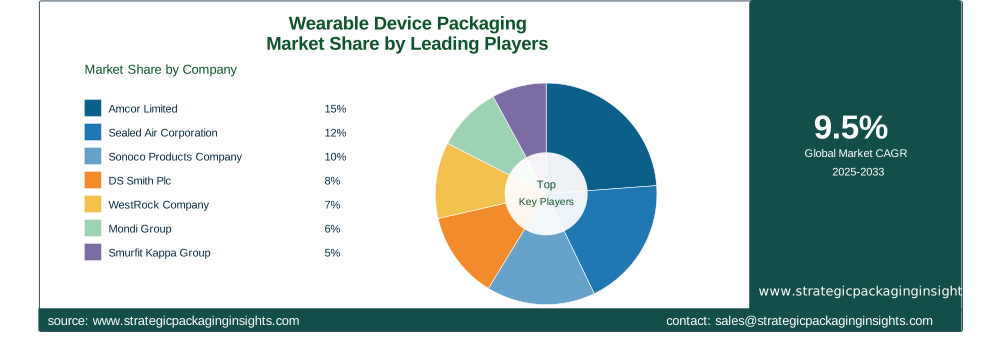
Among the major players in the market, Amcor Limited holds a significant share due to its extensive product portfolio and focus on sustainable packaging solutions. The company has been at the forefront of innovation, offering a range of eco-friendly packaging options that cater to the needs of the wearable technology sector. Similarly, Sealed Air Corporation is known for its advanced packaging technologies that provide superior protection and functionality. The company's focus on smart packaging solutions has positioned it as a leader in the market.
Another key player, Sonoco Products Company, has made significant strides in the market with its emphasis on sustainable and innovative packaging solutions. The company's commitment to reducing environmental impact through the use of recyclable materials has resonated well with consumers and manufacturers alike. Additionally, DS Smith Plc has gained a competitive edge with its focus on customized packaging solutions that cater to the specific needs of wearable device manufacturers.
Other notable companies in the market include WestRock Company, which is known for its comprehensive range of packaging solutions, and Mondi Group, which has a strong presence in the market with its focus on sustainable and innovative packaging. These companies, along with others such as Smurfit Kappa Group, Berry Global Inc., and Huhtamaki Oyj, are driving the market forward with their commitment to innovation and sustainability.
Key Highlights
- The wearable device packaging market is projected to grow at a CAGR of 9.5% from 2025 to 2033.
- Increasing demand for wearable technology is driving the need for innovative packaging solutions.
- Sustainability is a key focus, with manufacturers adopting eco-friendly materials.
- Smart packaging technologies are enhancing consumer interaction and engagement.
- Stringent regulations on packaging materials pose a challenge for manufacturers.
- The rise of e-commerce is expanding market opportunities for packaging manufacturers.
- Major players are investing in R&D to create advanced packaging solutions.
Top Countries Insights
In the wearable device packaging market, the United States holds a significant share, with a market size of $1.2 billion and a CAGR of 8%. The country's strong presence in the technology sector and high consumer adoption of wearable devices drive market growth. Additionally, favorable government policies supporting innovation and sustainability in packaging contribute to the market's expansion.
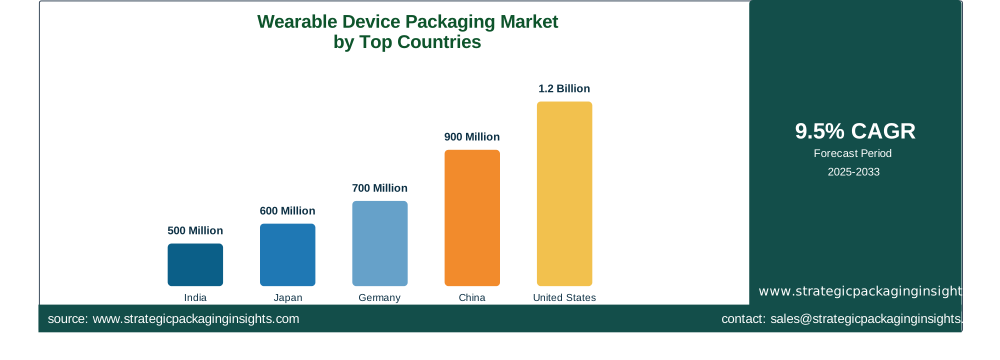
China is another key player, with a market size of $900 million and a CAGR of 12%. The country's large consumer base and rapid technological advancements in the electronics sector fuel demand for wearable device packaging. Government initiatives promoting sustainable practices further bolster market growth.
Germany, with a market size of $700 million and a CAGR of 7%, is a leading market in Europe. The country's focus on innovation and sustainability in packaging, coupled with a strong manufacturing sector, drives market growth. Additionally, stringent regulations on packaging materials ensure high-quality standards.
Japan, with a market size of $600 million and a CAGR of 9%, is a prominent market in the Asia Pacific region. The country's advanced technology sector and high consumer demand for wearable devices drive the need for innovative packaging solutions. Government support for sustainable practices further enhances market growth.
India, with a market size of $500 million and a CAGR of 10%, is an emerging market with significant growth potential. The country's growing middle class and increasing adoption of wearable technology drive demand for packaging solutions. Additionally, government initiatives promoting sustainability and innovation in packaging contribute to market expansion.
Wearable Device Packaging Market Segments Insights

Material Type Analysis
The material type segment in the wearable device packaging market is crucial as it determines the durability, sustainability, and cost-effectiveness of the packaging solutions. Plastic remains a dominant material due to its versatility and cost-effectiveness. However, the increasing focus on sustainability is driving the adoption of biodegradable and recyclable materials such as paper and paperboard. Metal packaging is also gaining traction due to its durability and premium appeal, particularly in high-end wearable devices. Manufacturers are investing in research and development to create innovative materials that meet the evolving needs of the market while ensuring environmental compliance.
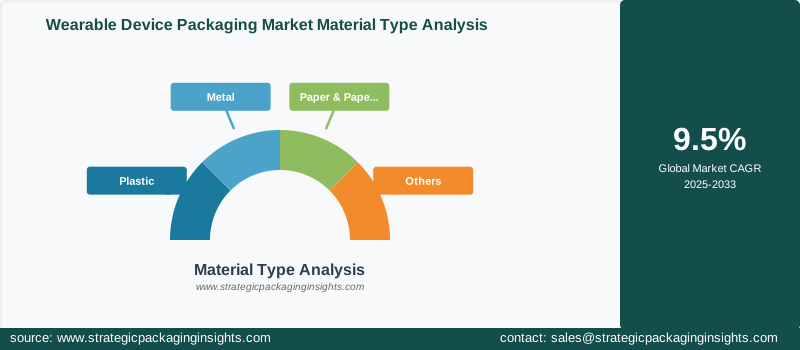
Plastic packaging, despite its environmental concerns, continues to be popular due to its lightweight and protective properties. However, manufacturers are increasingly incorporating recycled plastics and biodegradable options to address sustainability issues. Paper and paperboard packaging are gaining popularity due to their eco-friendly nature and ability to provide adequate protection for wearable devices. Metal packaging, although more expensive, offers superior protection and a premium look, making it ideal for luxury wearable devices. The choice of material is often influenced by factors such as cost, environmental impact, and the specific requirements of the wearable device.
Application Analysis
The application segment of the wearable device packaging market is diverse, encompassing various types of wearable devices such as smartwatches, fitness trackers, and AR/VR devices. Smartwatches represent a significant portion of the market due to their widespread adoption and the need for protective and aesthetically pleasing packaging solutions. Fitness trackers, with their focus on health and wellness, require packaging that is both functional and appealing to health-conscious consumers. AR/VR devices, being more complex, demand packaging solutions that offer superior protection and ease of use.
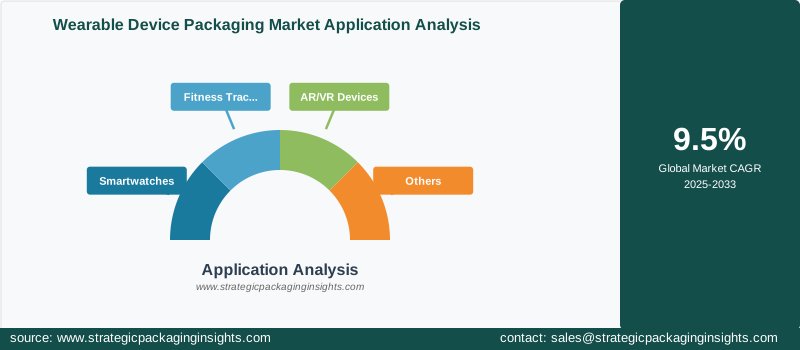
Smartwatches, being one of the most popular wearable devices, drive significant demand for innovative packaging solutions. The packaging needs to be not only protective but also visually appealing to attract consumers. Fitness trackers, often used in outdoor and active environments, require durable packaging that can withstand various conditions. AR/VR devices, with their intricate components, necessitate packaging solutions that ensure safety and ease of access. The application segment is driven by consumer preferences, technological advancements, and the need for packaging solutions that enhance the overall user experience.
End-User Analysis
The end-user segment in the wearable device packaging market includes consumer electronics, healthcare, sports and fitness, and other sectors. Consumer electronics is the largest end-user segment, driven by the increasing adoption of wearable devices for personal and professional use. The healthcare sector is also a significant contributor, with wearable devices being used for monitoring and diagnostic purposes. The sports and fitness sector, with its focus on health and wellness, drives demand for packaging solutions that are both functional and appealing.
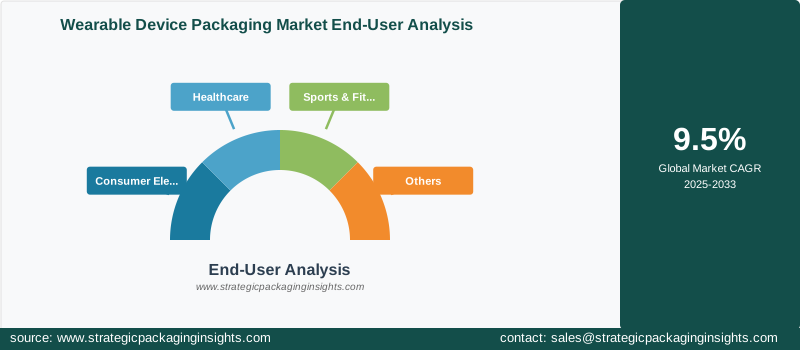
Consumer electronics, being the largest end-user segment, demands packaging solutions that are innovative and aesthetically pleasing. The healthcare sector, with its focus on patient safety and device functionality, requires packaging that ensures the integrity and usability of wearable devices. The sports and fitness sector, with its emphasis on durability and functionality, drives demand for packaging solutions that can withstand various conditions. The end-user segment is influenced by factors such as consumer preferences, technological advancements, and the specific requirements of each sector.
Region Analysis
The regional analysis of the wearable device packaging market highlights the significant growth potential in various regions. North America, with its strong presence in the technology sector and high consumer adoption of wearable devices, is a leading market. Europe, with its focus on innovation and sustainability, is also a significant market. The Asia Pacific region, with its large consumer base and rapid technological advancements, offers immense growth potential. Latin America and the Middle East & Africa, although smaller markets, are witnessing increasing demand for wearable device packaging due to rising consumer awareness and adoption of wearable technology.
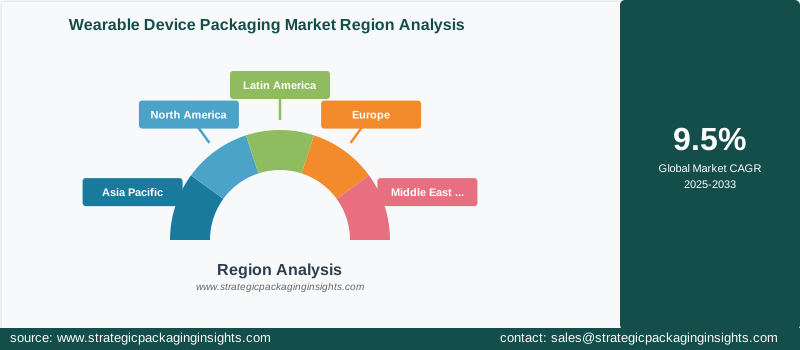
North America, being a leader in technology and innovation, drives significant demand for wearable device packaging solutions. Europe, with its stringent regulations and focus on sustainability, offers opportunities for manufacturers to create innovative and eco-friendly packaging solutions. The Asia Pacific region, with its growing consumer base and rapid technological advancements, presents significant growth potential for the market. Latin America and the Middle East & Africa, although smaller markets, are witnessing increasing demand for wearable device packaging due to rising consumer awareness and adoption of wearable technology. The regional analysis highlights the diverse opportunities and challenges faced by manufacturers in different regions.
Wearable Device Packaging Market Segments
The Wearable Device Packaging market has been segmented on the basis ofMaterial Type
- Plastic
- Metal
- Paper & Paperboard
- Others
Application
- Smartwatches
- Fitness Trackers
- AR/VR Devices
- Others
End-User
- Consumer Electronics
- Healthcare
- Sports & Fitness
- Others
Region
- Asia Pacific
- North America
- Latin America
- Europe
- Middle East & Africa




