


Cosmetic Glass Ampoule Market Outlook
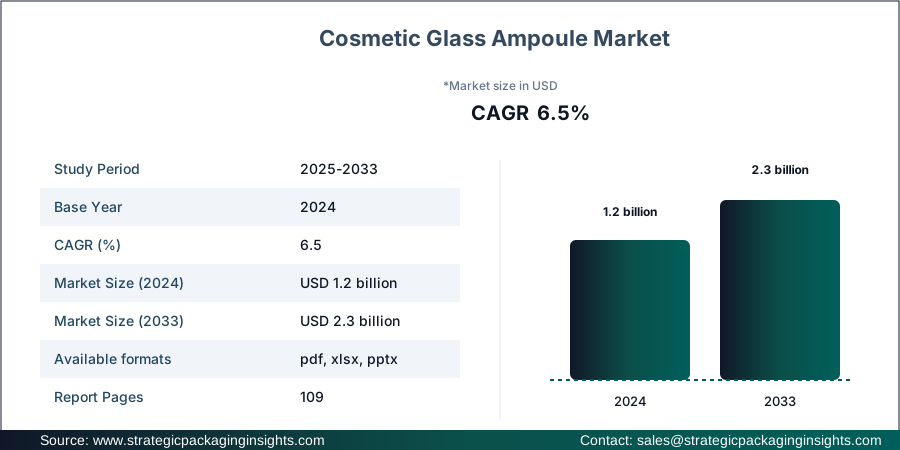
The cosmetic glass ampoule market was valued at $1.2 billion in 2024 and is projected to reach $2.3 billion by 2033, growing at a CAGR of 6.5% during the forecast period 2025-2033. This growth is driven by the increasing demand for premium and luxury cosmetic products, where glass ampoules are preferred for their aesthetic appeal and superior protection of sensitive formulations. The market is also benefiting from the rising consumer awareness regarding sustainable packaging solutions, as glass is a recyclable material. Additionally, the expanding middle-class population in emerging economies is contributing to the increased consumption of cosmetic products, further propelling the demand for glass ampoules.
Report Scope
| Attributes | Details |
| Report Title | Cosmetic Glass Ampoule Market Size, Future Growth and Forecast 2033 |
| Material Type | Type A, Type B, Type C |
| Application | Skincare, Haircare |
| End-User | Personal Care, Professional Salons |
| Region | Asia Pacific, North America |
| Base Year | 2024 |
| Historic Period | 2017-2023 |
| Forecast Period | 2025-2033 |
| Number of Pages | 109 |
| Customization Available | Yes* |
Opportunities & Threats
One of the significant opportunities in the cosmetic glass ampoule market is the growing trend of personalization in the beauty industry. Consumers are increasingly seeking customized skincare and beauty solutions, which has led to a surge in demand for small, single-use packaging formats like glass ampoules. These ampoules allow brands to offer precise dosages of active ingredients, enhancing the efficacy of the product and providing a unique user experience. Furthermore, the rise of e-commerce platforms has expanded the reach of cosmetic brands, enabling them to cater to a global audience and increase their market penetration.
Another opportunity lies in the development of innovative glass ampoule designs that cater to the evolving needs of consumers. Manufacturers are investing in research and development to create ampoules with enhanced functionalities, such as easy-to-open features and improved dispensing mechanisms. These innovations not only improve user convenience but also help brands differentiate themselves in a competitive market. Additionally, the increasing focus on sustainability is driving the demand for eco-friendly packaging solutions, presenting an opportunity for glass ampoule manufacturers to capitalize on this trend by offering recyclable and reusable options.
However, the market faces certain restraints, such as the high cost of glass ampoules compared to alternative packaging materials like plastic. This cost factor can be a deterrent for small and medium-sized cosmetic brands with limited budgets. Moreover, the fragility of glass poses challenges in terms of transportation and handling, increasing the risk of breakage and product loss. These factors may hinder the widespread adoption of glass ampoules, particularly in regions with underdeveloped logistics infrastructure.
Drivers & Challenges
The primary driver of the cosmetic glass ampoule market is the increasing consumer preference for premium and luxury cosmetic products. Glass ampoules are perceived as a high-end packaging solution that enhances the overall aesthetic appeal of the product. This perception is particularly strong in the skincare segment, where consumers are willing to invest in products that promise superior quality and efficacy. Additionally, the growing awareness of the environmental impact of plastic packaging is driving consumers towards more sustainable options, such as glass ampoules, which are fully recyclable and have a lower carbon footprint.
Another significant driver is the rapid growth of the e-commerce sector, which has transformed the way consumers purchase cosmetic products. Online platforms offer a convenient shopping experience and provide access to a wide range of products, including those packaged in glass ampoules. This shift in consumer behavior has encouraged cosmetic brands to adopt innovative packaging solutions that stand out in the digital marketplace. Furthermore, the increasing influence of social media and beauty influencers has amplified the demand for visually appealing packaging, further boosting the popularity of glass ampoules.
Despite these drivers, the market faces challenges such as the high production costs associated with glass ampoules. The manufacturing process requires specialized equipment and skilled labor, which can increase operational expenses for producers. Additionally, the fragility of glass poses logistical challenges, as it requires careful handling and packaging to prevent breakage during transportation. These factors can limit the scalability of glass ampoule production and impact the overall profitability of manufacturers.
Cosmetic Glass Ampoule Strategic Outlook
| Trend | Market Driver | Technological/Material Shift | Business Impact |
|---|---|---|---|
| Sustainability | Consumer demand for eco-friendly packaging | Shift towards recyclable glass materials | Increased brand loyalty and market share |
| Smart Tech | Integration of IoT in packaging | Development of smart ampoules with sensors | Enhanced consumer engagement and product differentiation |
| Consumer Behavior | Rising demand for personalized beauty solutions | Customization of ampoule designs | Higher customer satisfaction and retention |
| Logistics | Challenges in transportation of fragile materials | Innovations in protective packaging solutions | Reduced breakage rates and cost savings |
In 2026, the cosmetic glass ampoule market is poised for significant growth, driven by the increasing consumer preference for sustainable and premium packaging solutions. The primary disruptor in this niche is the stringent environmental regulations that are pushing brands to adopt eco-friendly packaging materials. As a strategic foresight, brands should pivot towards integrating smart technologies into their packaging solutions to enhance consumer engagement and differentiate themselves in a competitive market. By 2033, companies that embrace these innovations and prioritize sustainability will likely maintain a strong market share.
Market Share Analysis
The cosmetic glass ampoule market is characterized by a competitive landscape with several key players vying for market dominance. The market is fragmented, with both established companies and new entrants striving to capture a share of the growing demand for premium cosmetic packaging solutions. The competitive dynamics are influenced by factors such as product innovation, pricing strategies, and distribution networks. Companies are investing in research and development to create unique and functional glass ampoule designs that cater to the evolving needs of consumers. Additionally, strategic partnerships and collaborations are common in this market, as companies seek to expand their product offerings and enhance their market presence.
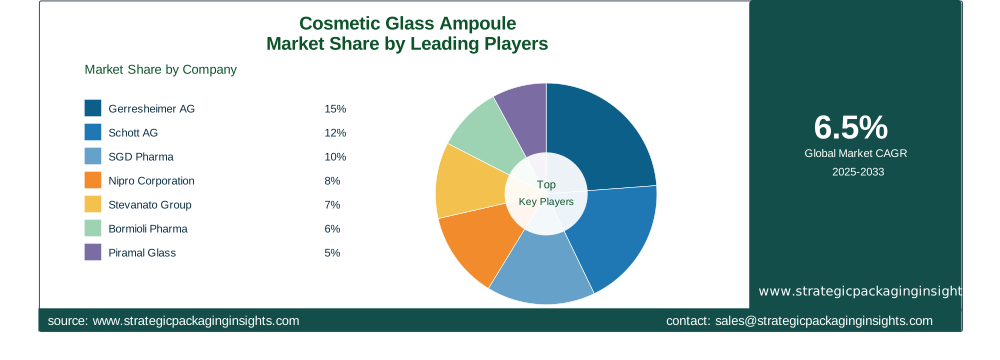
Among the major players in the cosmetic glass ampoule market, Gerresheimer AG holds a significant share due to its extensive product portfolio and strong global presence. The company is known for its high-quality glass packaging solutions and has a robust distribution network that spans across multiple regions. Another key player, Schott AG, is recognized for its innovative glass technologies and commitment to sustainability. The company has made significant investments in developing eco-friendly packaging solutions, which has bolstered its market position.
SGD Pharma is another prominent player in the market, offering a wide range of glass ampoules for the cosmetic industry. The company's focus on quality and customer satisfaction has earned it a loyal customer base. Similarly, Nipro Corporation is a leading manufacturer of glass ampoules, known for its advanced production capabilities and emphasis on product innovation. The company's strategic partnerships with cosmetic brands have enabled it to expand its market reach and strengthen its competitive edge.
Other notable companies in the market include Stevanato Group, which is renowned for its precision glass packaging solutions, and Bormioli Pharma, which offers a diverse range of glass ampoules for various cosmetic applications. These companies, along with others like Piramal Glass and Shandong Pharmaceutical Glass Co., Ltd., are actively engaged in expanding their product portfolios and enhancing their manufacturing capabilities to meet the growing demand for cosmetic glass ampoules.
Key Highlights
- The cosmetic glass ampoule market is projected to grow at a CAGR of 6.5% from 2025 to 2033.
- Increasing consumer preference for sustainable and premium packaging solutions is driving market growth.
- Innovative glass ampoule designs with enhanced functionalities are gaining popularity.
- The rise of e-commerce platforms is expanding the reach of cosmetic brands globally.
- High production costs and fragility of glass are key challenges for manufacturers.
- Strategic partnerships and collaborations are common in the market to enhance product offerings.
- Key players are investing in research and development to create unique glass ampoule designs.
Top Countries Insights
In the cosmetic glass ampoule market, the United States holds a significant share, with a market size of $350 million and a CAGR of 5%. The country's growth is driven by the high demand for luxury cosmetic products and the presence of major cosmetic brands. Additionally, the increasing focus on sustainable packaging solutions is contributing to the market's expansion. However, the high cost of glass ampoules remains a challenge for manufacturers in the region.
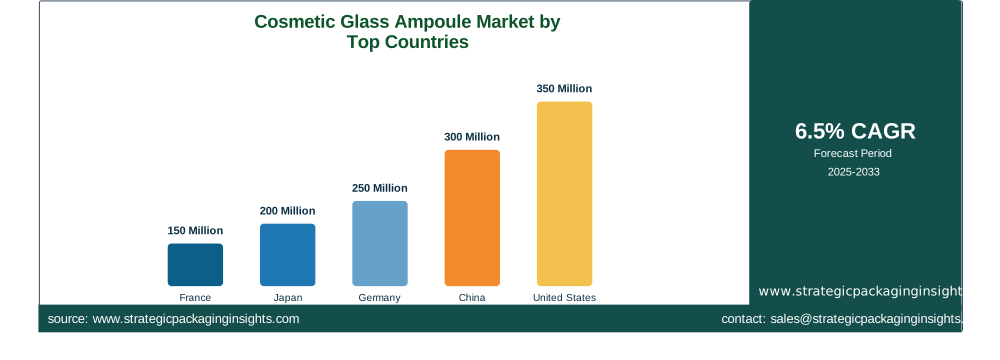
China is another key market, with a market size of $300 million and a CAGR of 8%. The country's rapid economic growth and expanding middle-class population are driving the demand for premium cosmetic products. The government's support for sustainable packaging initiatives is also boosting the market. However, the lack of advanced logistics infrastructure poses challenges for the transportation of fragile glass ampoules.
Germany, with a market size of $250 million and a CAGR of 6%, is a leading market in Europe. The country's strong emphasis on quality and innovation in packaging solutions is driving the demand for glass ampoules. Additionally, the presence of major cosmetic brands and a well-established logistics network are supporting market growth. However, the high production costs associated with glass ampoules remain a concern for manufacturers.
In Japan, the market size is $200 million, with a CAGR of 4%. The country's aging population and increasing demand for anti-aging cosmetic products are driving the market. The focus on premium packaging solutions and the presence of advanced manufacturing capabilities are also contributing to the market's growth. However, the high cost of raw materials is a challenge for manufacturers in the region.
France, with a market size of $150 million and a CAGR of 5%, is another significant market in Europe. The country's strong tradition of luxury cosmetics and the presence of leading cosmetic brands are driving the demand for glass ampoules. The focus on sustainability and eco-friendly packaging solutions is also supporting market growth. However, the high cost of production and transportation challenges remain key concerns for manufacturers.
Cosmetic Glass Ampoule Market Segments Insights

Material Type Analysis
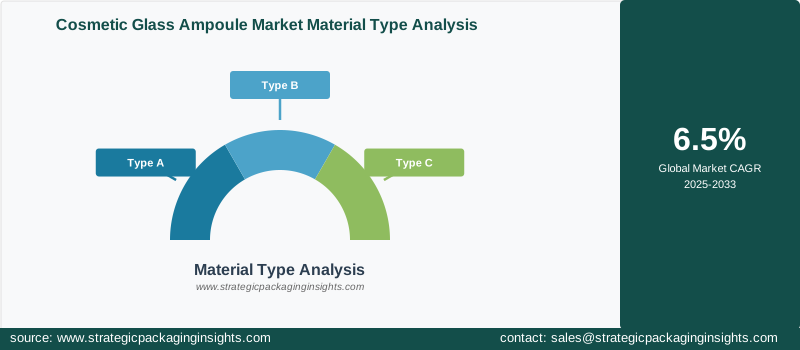
The material type segment in the cosmetic glass ampoule market is categorized into Type A, Type B, and Type C glass. Type A glass, known for its high chemical resistance, is widely used in the cosmetic industry for packaging sensitive formulations. The demand for Type A glass is driven by its superior protective properties, which ensure the stability and efficacy of cosmetic products. Type B glass, with moderate chemical resistance, is preferred for less sensitive formulations, offering a cost-effective solution for manufacturers. Type C glass, although less common, is used for specific applications where lower chemical resistance is acceptable. The choice of material type is influenced by factors such as product formulation, cost considerations, and regulatory requirements.
Application Analysis
The application segment of the cosmetic glass ampoule market includes skincare, haircare, perfumes, and others. Skincare is the largest application segment, driven by the increasing demand for anti-aging and premium skincare products. Glass ampoules are favored in this segment for their ability to preserve the potency of active ingredients and provide a luxurious user experience. The haircare segment is also witnessing growth, with glass ampoules being used for high-end hair serums and treatments. In the perfumes segment, glass ampoules are used for sample sizes and travel-friendly packaging, catering to the growing trend of on-the-go beauty solutions. The versatility of glass ampoules in accommodating various cosmetic formulations is a key factor driving their adoption across different applications.
End-User Analysis
The end-user segment of the cosmetic glass ampoule market is divided into personal care, professional salons, retail, and others. The personal care segment accounts for the largest share, driven by the increasing consumer preference for premium and personalized beauty solutions. Glass ampoules are popular in this segment for their aesthetic appeal and ability to deliver precise dosages of active ingredients. The professional salons segment is also significant, with glass ampoules being used for specialized treatments and services. In the retail segment, glass ampoules are used for sample sizes and promotional packaging, attracting consumers with their elegant design. The growing trend of personalized beauty solutions and the rise of e-commerce platforms are key factors influencing the demand for glass ampoules across different end-user segments.
Region Analysis
The regional analysis of the cosmetic glass ampoule market highlights the dominance of Asia Pacific, North America, Europe, Latin America, and the Middle East & Africa. Asia Pacific is the largest market, driven by the rapid economic growth and increasing consumer spending on premium cosmetic products. The presence of major cosmetic brands and the growing focus on sustainable packaging solutions are also contributing to the market's expansion in this region. North America is another significant market, with the United States being a major contributor to the demand for glass ampoules. The region's focus on luxury cosmetics and eco-friendly packaging solutions is driving market growth. Europe, with its strong tradition of luxury cosmetics and emphasis on quality, is also a key market for glass ampoules. The presence of leading cosmetic brands and a well-established logistics network are supporting market growth in this region.
Cosmetic Glass Ampoule Market Segments
The Cosmetic Glass Ampoule market has been segmented on the basis ofMaterial Type
- Type A
- Type B
- Type C
Application
- Skincare
- Haircare
End-User
- Personal Care
- Professional Salons
Region
- Asia Pacific
- North America




