


Cap Liners Market Outlook
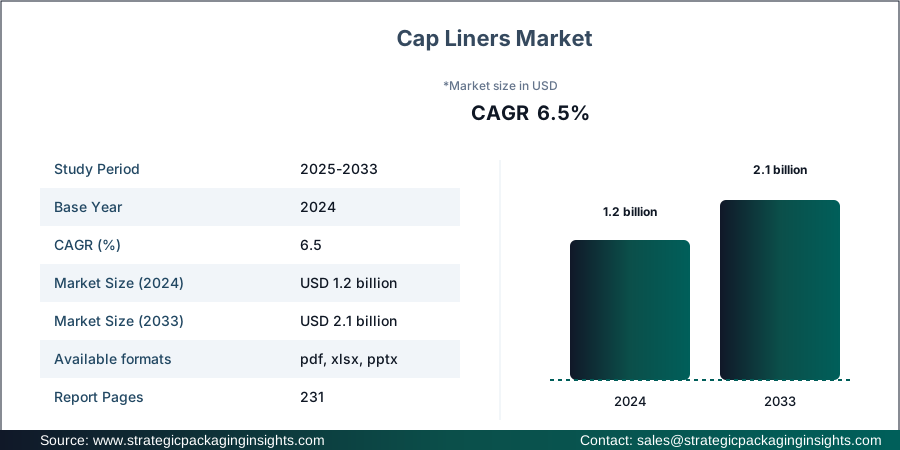
The cap liners market was valued at $1.2 billion in 2024 and is projected to reach $2.1 billion by 2033, growing at a CAGR of 6.5% during the forecast period 2025-2033. This growth is driven by increasing demand for secure and tamper-evident packaging solutions across various industries such as food and beverages, pharmaceuticals, and personal care. The rising awareness about product safety and the need for extended shelf life are significant factors contributing to the market's expansion. Additionally, advancements in liner materials and technologies, such as the development of eco-friendly and recyclable liners, are expected to further propel market growth. The market is also witnessing a surge in demand from emerging economies, where the packaging industry is rapidly evolving.
Report Scope
| Attributes | Details |
| Report Title | Cap Liners Market Size, Future Growth and Forecast 2033 |
| Material Type | Foam, Paper, Plastic, Foil |
| Application | Food & Beverages, Pharmaceuticals, Cosmetics & Personal Care, Chemicals, Others |
| Liner Type | Pressure Sensitive, Heat Induction, Foam-backed, Others |
| End-User | Beverage, Pharmaceutical, Personal Care, Chemical, Others |
| Base Year | 2024 |
| Historic Period | 2017-2023 |
| Forecast Period | 2025-2033 |
| Number of Pages | 231 |
| Customization Available | Yes* |
Opportunities & Threats
One of the primary opportunities in the cap liners market is the growing trend towards sustainable packaging solutions. As consumers become more environmentally conscious, there is a significant push for packaging materials that are recyclable and biodegradable. This shift is encouraging manufacturers to innovate and develop eco-friendly cap liners that meet regulatory standards and consumer expectations. Additionally, the increasing demand for packaged food and beverages in developing regions presents a lucrative opportunity for market players to expand their footprint and cater to a broader customer base. The rise of e-commerce and online retailing also offers new avenues for growth, as these platforms require secure and reliable packaging solutions to ensure product integrity during transit.
Another opportunity lies in the technological advancements in cap liner materials and manufacturing processes. The development of advanced materials that offer superior sealing properties, chemical resistance, and compatibility with various container types is driving market growth. Innovations such as heat induction liners and pressure-sensitive liners are gaining traction due to their ease of use and effectiveness in preventing leakage and contamination. Furthermore, the integration of smart technologies, such as RFID tags and QR codes, into cap liners is opening up new possibilities for product tracking and authentication, enhancing the overall value proposition for end-users.
However, the cap liners market faces certain restraints that could hinder its growth. One of the major challenges is the fluctuating prices of raw materials, which can impact the overall cost of production and affect profit margins for manufacturers. Additionally, stringent regulations and standards related to packaging materials, especially in the food and pharmaceutical sectors, pose a significant challenge for market players. Compliance with these regulations requires continuous investment in research and development to ensure that products meet the necessary safety and quality standards. Moreover, the presence of alternative packaging solutions, such as shrink wraps and vacuum seals, could limit the adoption of cap liners in certain applications.
Drivers & Challenges
The cap liners market is primarily driven by the increasing demand for tamper-evident and secure packaging solutions. With rising concerns about product safety and counterfeiting, manufacturers are focusing on developing cap liners that provide a reliable seal and prevent unauthorized access. This is particularly crucial in the pharmaceutical and food industries, where product integrity is of utmost importance. Additionally, the growing trend of on-the-go consumption and convenience packaging is driving the demand for cap liners that offer easy opening and resealing features, enhancing the overall consumer experience.
Another significant driver is the expanding application of cap liners across various end-use industries. The food and beverage sector, in particular, is witnessing a surge in demand for cap liners due to the increasing consumption of packaged and processed foods. Similarly, the pharmaceutical industry relies heavily on cap liners to ensure the safety and efficacy of medications. The personal care and cosmetics industry is also contributing to market growth, as cap liners are used to maintain the freshness and quality of products. The versatility and adaptability of cap liners to different container types and sizes make them an essential component in modern packaging solutions.
Despite the positive growth prospects, the cap liners market faces several challenges. One of the primary challenges is the environmental impact of plastic-based liners, which are widely used due to their cost-effectiveness and durability. The growing concern over plastic waste and its impact on the environment is prompting manufacturers to explore alternative materials and sustainable solutions. Additionally, the high cost of advanced liner technologies and the need for specialized equipment for their application can be a barrier for small and medium-sized enterprises. The competitive landscape of the market also poses a challenge, as companies strive to differentiate their products and gain a competitive edge in a crowded market.
Cap Liners Strategic Outlook
| Trend | Market Driver | Technological/Material Shift | Business Impact |
|---|---|---|---|
| Sustainability | Eco-friendly Packaging Demand | Biodegradable Liners | Increased Market Share |
| Smart Tech | Product Authentication Needs | RFID/QR Code Integration | Enhanced Consumer Trust |
| Consumer Behavior | Convenience Packaging | Easy Open/Reseal Features | Higher Consumer Satisfaction |
| Logistics | E-commerce Growth | Secure Sealing Solutions | Expanded Distribution Channels |
The cap liners market, valued at $1.3 billion in 2026, is poised for significant transformation driven by regulatory and economic disruptors. The primary disruptor in this niche is the increasing emphasis on Extended Producer Responsibility (EPR) compliance, which mandates manufacturers to take responsibility for the entire lifecycle of their products, including packaging waste. This regulatory shift is pushing companies to innovate and adopt sustainable packaging solutions, such as biodegradable and recyclable cap liners. To maintain market share by 2033, brands must pivot towards integrating smart technologies into their packaging solutions, enhancing product authentication and consumer engagement. Embracing mono-material transitions and leveraging AI-driven design processes will be crucial for staying competitive in this evolving landscape.
Market Share Analysis
The cap liners market is characterized by a competitive landscape with several key players vying for market share. The market is dominated by a mix of established companies and emerging players, each striving to innovate and offer differentiated products. The competitive dynamics are influenced by factors such as product quality, pricing strategies, technological advancements, and customer service. Companies are focusing on expanding their product portfolios and enhancing their manufacturing capabilities to cater to the growing demand for cap liners across various industries. Strategic partnerships, mergers, and acquisitions are common strategies adopted by market players to strengthen their market position and expand their geographical reach.
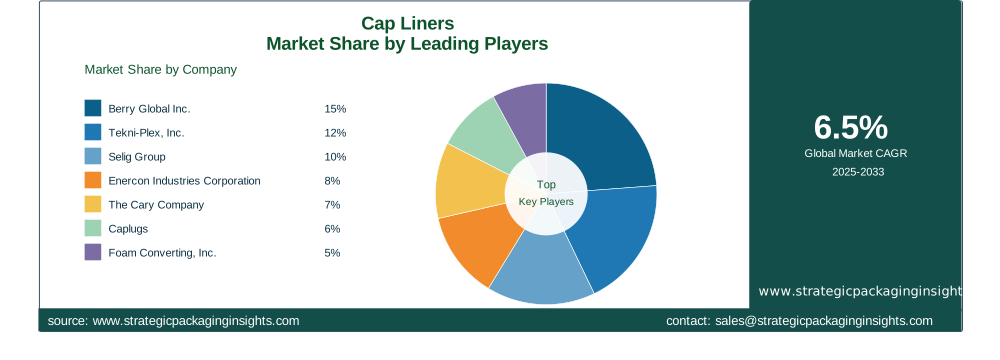
Among the major companies in the cap liners market, Berry Global Inc. holds a significant market share due to its extensive product range and strong distribution network. The company is known for its innovative solutions and commitment to sustainability, offering a wide array of cap liners that cater to diverse industry needs. Similarly, Tekni-Plex, Inc. is a prominent player, recognized for its advanced manufacturing technologies and focus on product quality. The company's expertise in developing customized solutions has enabled it to establish a strong foothold in the market.
Another key player, Selig Group, is renowned for its comprehensive range of cap liners and sealing solutions. The company's emphasis on research and development has resulted in the introduction of several innovative products that address the evolving needs of the packaging industry. Additionally, companies like Tri-Seal, a division of Tekni-Plex, and Pres-On Corporation are making significant contributions to the market with their specialized offerings and customer-centric approach. These companies are leveraging their technical expertise and industry experience to deliver high-performance cap liners that meet stringent quality standards.
Other notable players in the market include Enercon Industries Corporation, known for its induction sealing technologies, and The Cary Company, which offers a diverse selection of cap liners and packaging solutions. These companies, along with others like Caplugs and Foam Converting, Inc., are actively investing in research and development to enhance their product offerings and maintain a competitive edge. The market is also witnessing the entry of new players, who are bringing fresh perspectives and innovative solutions to the table, further intensifying the competition.
Key Highlights
- The cap liners market is projected to grow at a CAGR of 6.5% from 2025 to 2033.
- Increasing demand for tamper-evident packaging solutions is driving market growth.
- Technological advancements in liner materials are enhancing product performance.
- Eco-friendly and recyclable liners are gaining traction among consumers.
- The food and beverage industry is a major end-user of cap liners.
- Emerging economies present significant growth opportunities for market players.
- Integration of smart technologies in cap liners is a growing trend.
Top Countries Insights
In the cap liners market, the United States holds a prominent position with a market size of $350 million and a CAGR of 5%. The country's robust packaging industry and stringent regulations on product safety are key growth drivers. The demand for tamper-evident and secure packaging solutions is particularly high in the food and pharmaceutical sectors, contributing to market expansion. Additionally, the presence of major market players and continuous innovation in packaging technologies further bolster the market's growth prospects.
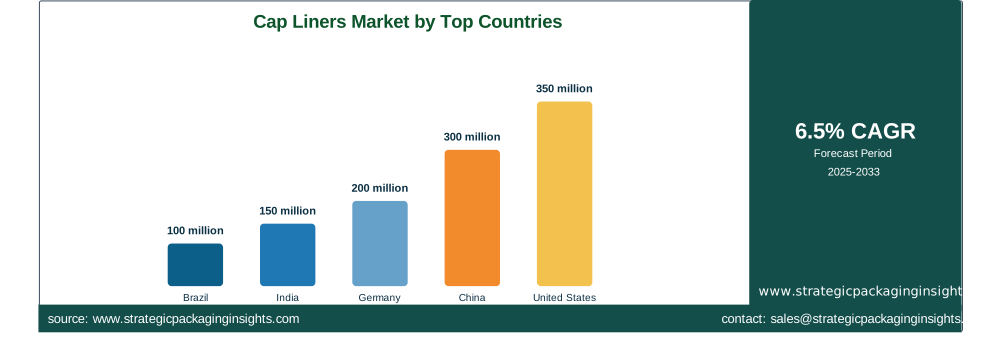
China is another significant player in the cap liners market, with a market size of $300 million and a CAGR of 7%. The country's rapidly growing packaging industry, driven by increasing consumer demand for packaged goods, is a major growth driver. The government's focus on sustainable packaging solutions and the implementation of strict regulations on packaging waste are encouraging manufacturers to adopt eco-friendly cap liners. The rise of e-commerce and online retailing is also contributing to the market's growth in China.
Germany, with a market size of $200 million and a CAGR of 4%, is a key market for cap liners in Europe. The country's strong emphasis on product safety and quality, coupled with its advanced manufacturing capabilities, drives the demand for high-performance cap liners. The food and beverage industry is a major end-user, with increasing demand for secure and tamper-evident packaging solutions. Additionally, the growing trend towards sustainable packaging is prompting manufacturers to develop eco-friendly cap liners.
India, with a market size of $150 million and a CAGR of 8%, is an emerging market for cap liners. The country's expanding middle class and increasing consumption of packaged goods are driving the demand for cap liners. The government's initiatives to promote sustainable packaging and reduce plastic waste are encouraging manufacturers to explore alternative materials and eco-friendly solutions. The pharmaceutical and personal care industries are significant contributors to the market's growth in India.
Brazil, with a market size of $100 million and a CAGR of 6%, is a growing market for cap liners in Latin America. The country's increasing demand for packaged food and beverages, coupled with the rising awareness about product safety, is driving market growth. The government's focus on improving packaging standards and promoting sustainable solutions is encouraging manufacturers to adopt innovative cap liner technologies. The presence of a large consumer base and the growth of the e-commerce sector further contribute to the market's expansion.
Cap Liners Market Segments Insights

Material Type Analysis
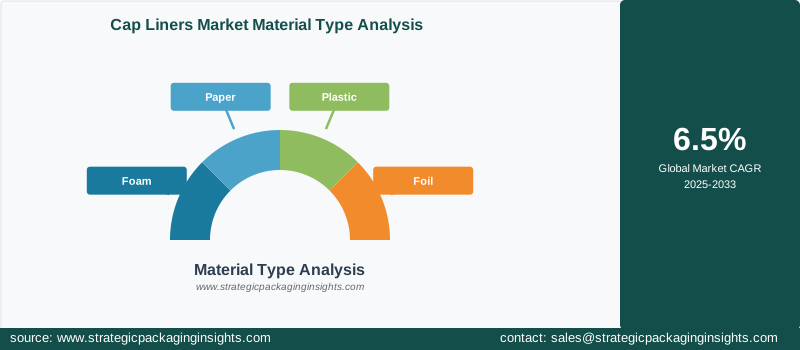
The material type segment of the cap liners market is diverse, encompassing foam, paper, plastic, and foil liners. Foam liners are widely used due to their excellent sealing properties and cost-effectiveness. They are particularly popular in the food and beverage industry, where they provide a reliable seal and prevent leakage. Paper liners, on the other hand, are gaining traction as an eco-friendly alternative, offering biodegradability and recyclability. The demand for plastic liners remains strong, driven by their durability and versatility. However, the environmental impact of plastic waste is prompting manufacturers to explore sustainable alternatives. Foil liners are preferred for their superior barrier properties, making them ideal for applications requiring protection against moisture and oxygen.
The choice of material is influenced by factors such as the type of container, the nature of the product being packaged, and regulatory requirements. Manufacturers are investing in research and development to enhance the performance of liner materials and meet the evolving needs of end-users. The trend towards sustainable packaging is driving innovation in material development, with a focus on reducing environmental impact and improving recyclability. The integration of advanced technologies, such as nanotechnology, is also enhancing the functionality of liner materials, offering improved sealing and barrier properties.
Application Analysis
The application segment of the cap liners market is broad, encompassing food and beverages, pharmaceuticals, cosmetics and personal care, chemicals, and others. The food and beverage industry is the largest end-user, driven by the increasing demand for packaged and processed foods. Cap liners play a crucial role in ensuring product safety and extending shelf life, making them an essential component in food packaging. The pharmaceutical industry relies heavily on cap liners to maintain the integrity and efficacy of medications, with stringent regulations governing packaging standards.
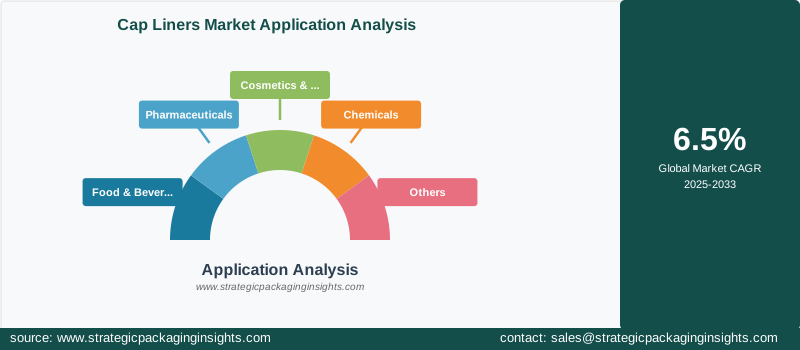
In the cosmetics and personal care industry, cap liners are used to preserve the freshness and quality of products, preventing contamination and leakage. The chemical industry also utilizes cap liners to ensure the safe storage and transportation of hazardous materials. The versatility of cap liners and their ability to adapt to different container types and sizes make them a valuable solution across various applications. The growing trend towards convenience packaging and on-the-go consumption is further driving the demand for cap liners, as consumers seek easy-to-use and reliable packaging solutions.
Liner Type Analysis
The liner type segment of the cap liners market includes pressure-sensitive, heat induction, foam-backed, and other liners. Pressure-sensitive liners are popular due to their ease of application and ability to provide a secure seal without the need for additional equipment. They are widely used in the food and beverage industry, where quick and efficient sealing is essential. Heat induction liners offer superior sealing properties and are preferred for applications requiring tamper-evident packaging. They are commonly used in the pharmaceutical and personal care industries, where product safety is a top priority.
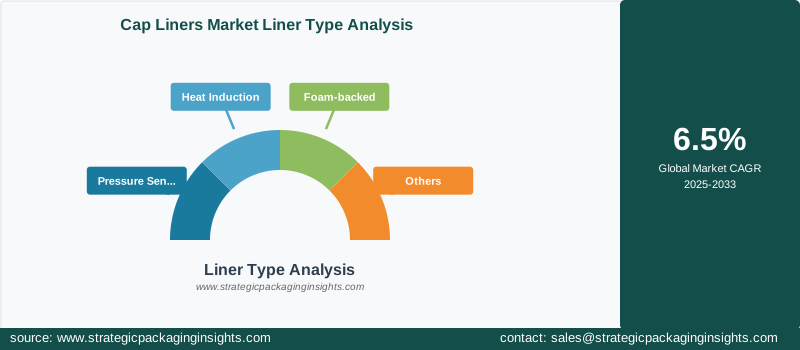
Foam-backed liners are valued for their cushioning properties and ability to conform to irregular surfaces, making them suitable for a variety of applications. Other liner types, such as vented liners, are used in specific applications where pressure equalization is required. The choice of liner type is influenced by factors such as the nature of the product, the type of container, and the desired level of security. Manufacturers are continuously innovating to develop liners that offer enhanced performance and meet the specific needs of end-users. The integration of smart technologies, such as RFID tags, is also gaining traction, offering additional functionality and value to cap liners.
End-User Analysis
The end-user segment of the cap liners market is diverse, encompassing beverage, pharmaceutical, personal care, chemical, and other industries. The beverage industry is a major consumer of cap liners, driven by the increasing demand for packaged drinks and the need for secure and tamper-evident packaging. The pharmaceutical industry relies on cap liners to ensure the safety and efficacy of medications, with stringent regulations governing packaging standards. The personal care industry also utilizes cap liners to preserve the freshness and quality of products, preventing contamination and leakage.
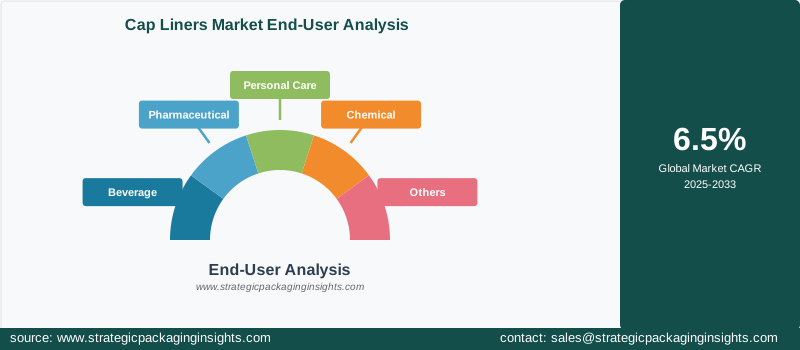
The chemical industry uses cap liners to ensure the safe storage and transportation of hazardous materials, with a focus on preventing leakage and contamination. Other industries, such as automotive and electronics, also utilize cap liners for specific applications. The versatility of cap liners and their ability to adapt to different container types and sizes make them a valuable solution across various end-user industries. The growing trend towards convenience packaging and on-the-go consumption is further driving the demand for cap liners, as consumers seek easy-to-use and reliable packaging solutions.
Cap Liners Market Segments
The Cap Liners market has been segmented on the basis ofMaterial Type
- Foam
- Paper
- Plastic
- Foil
Application
- Food & Beverages
- Pharmaceuticals
- Cosmetics & Personal Care
- Chemicals
- Others
Liner Type
- Pressure Sensitive
- Heat Induction
- Foam-backed
- Others
End-User
- Beverage
- Pharmaceutical
- Personal Care
- Chemical
- Others




